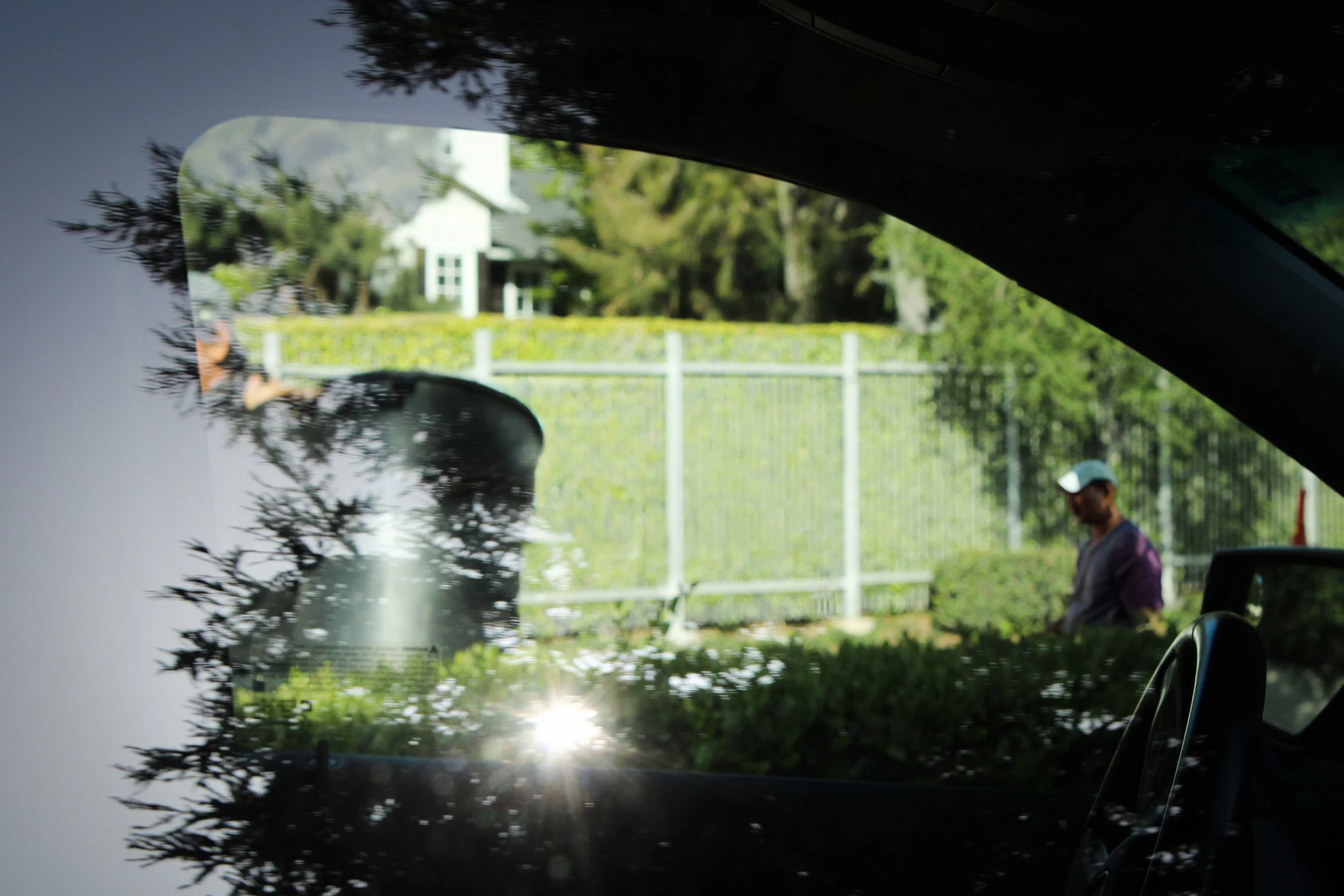
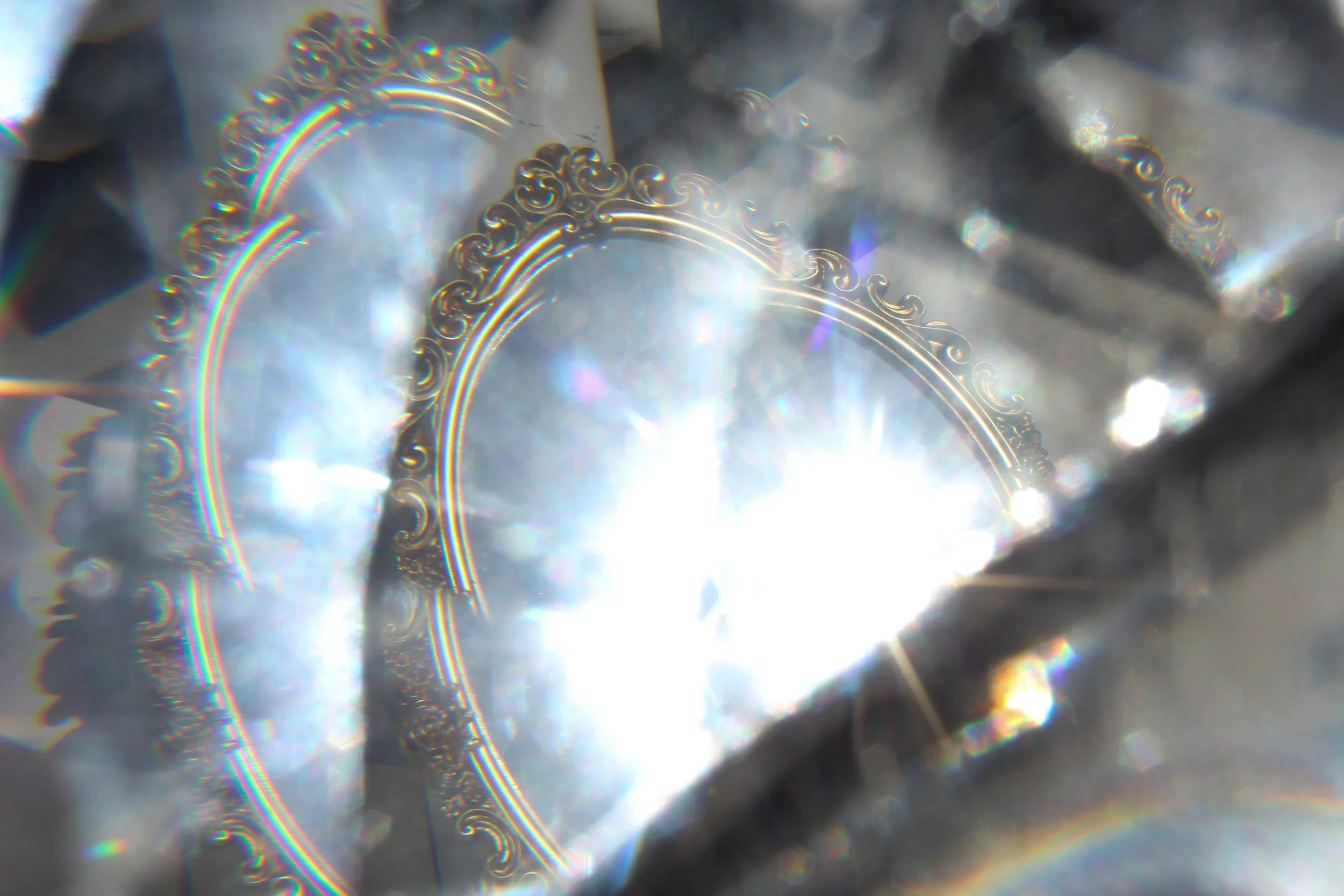
Voyages and Beginnings
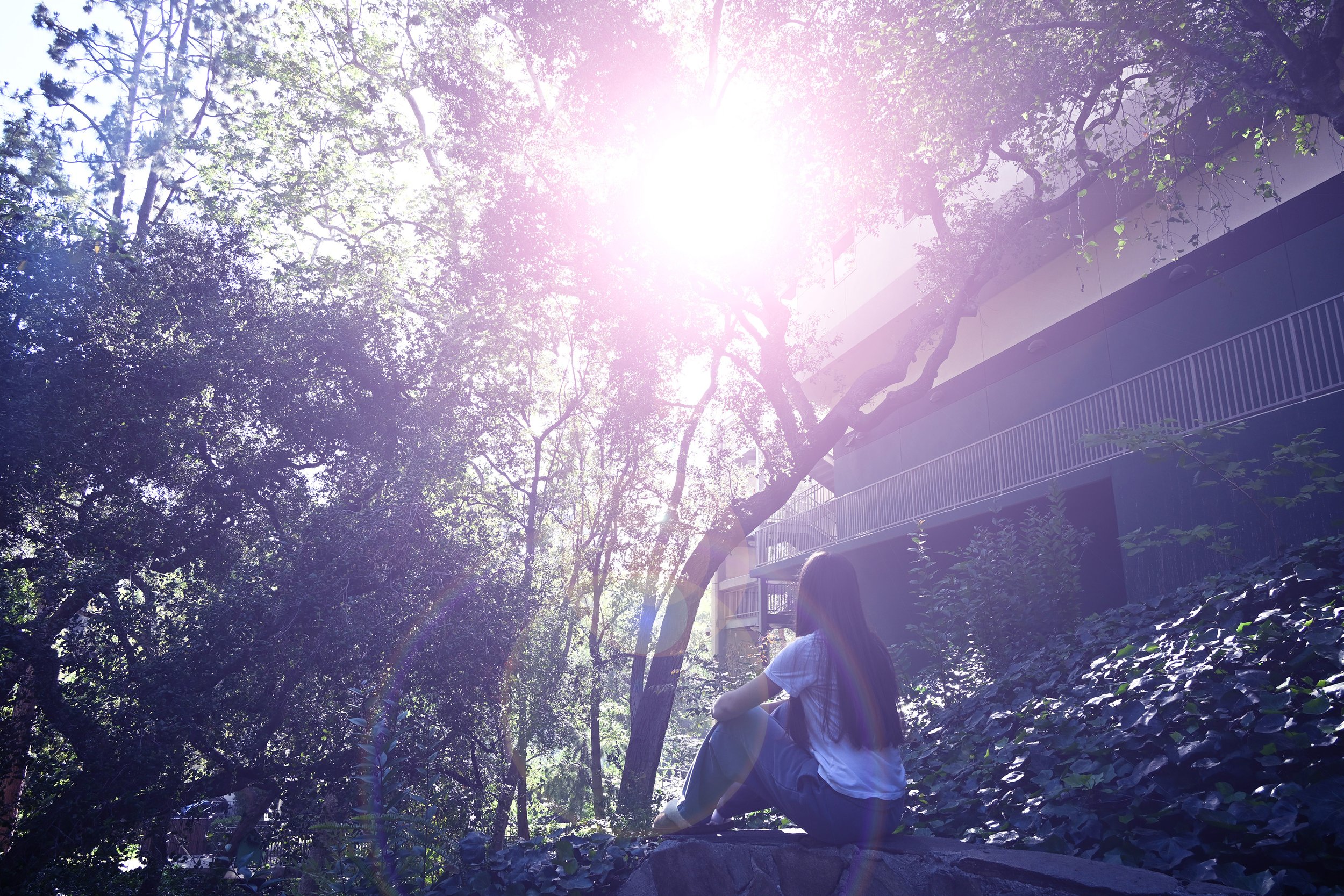
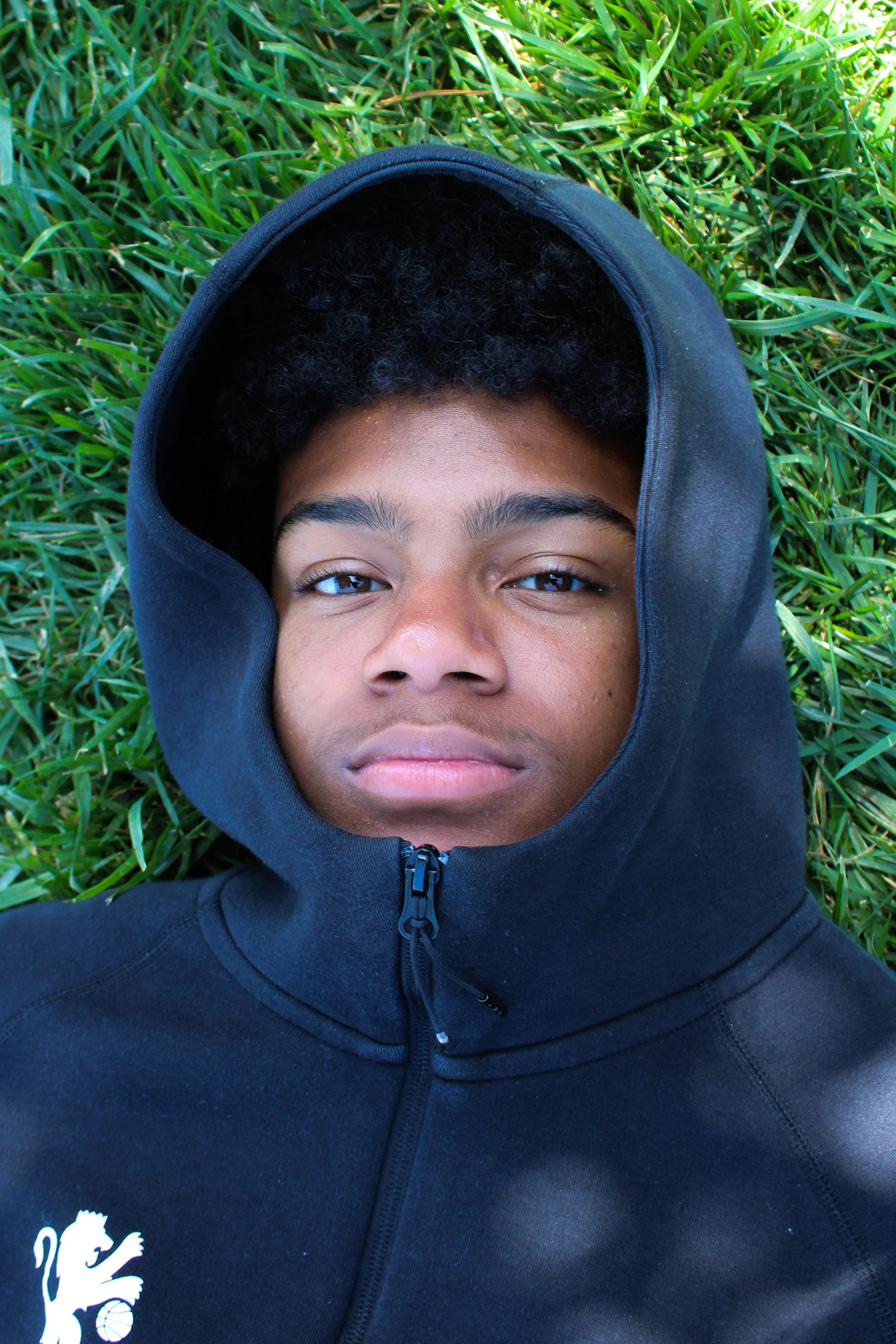
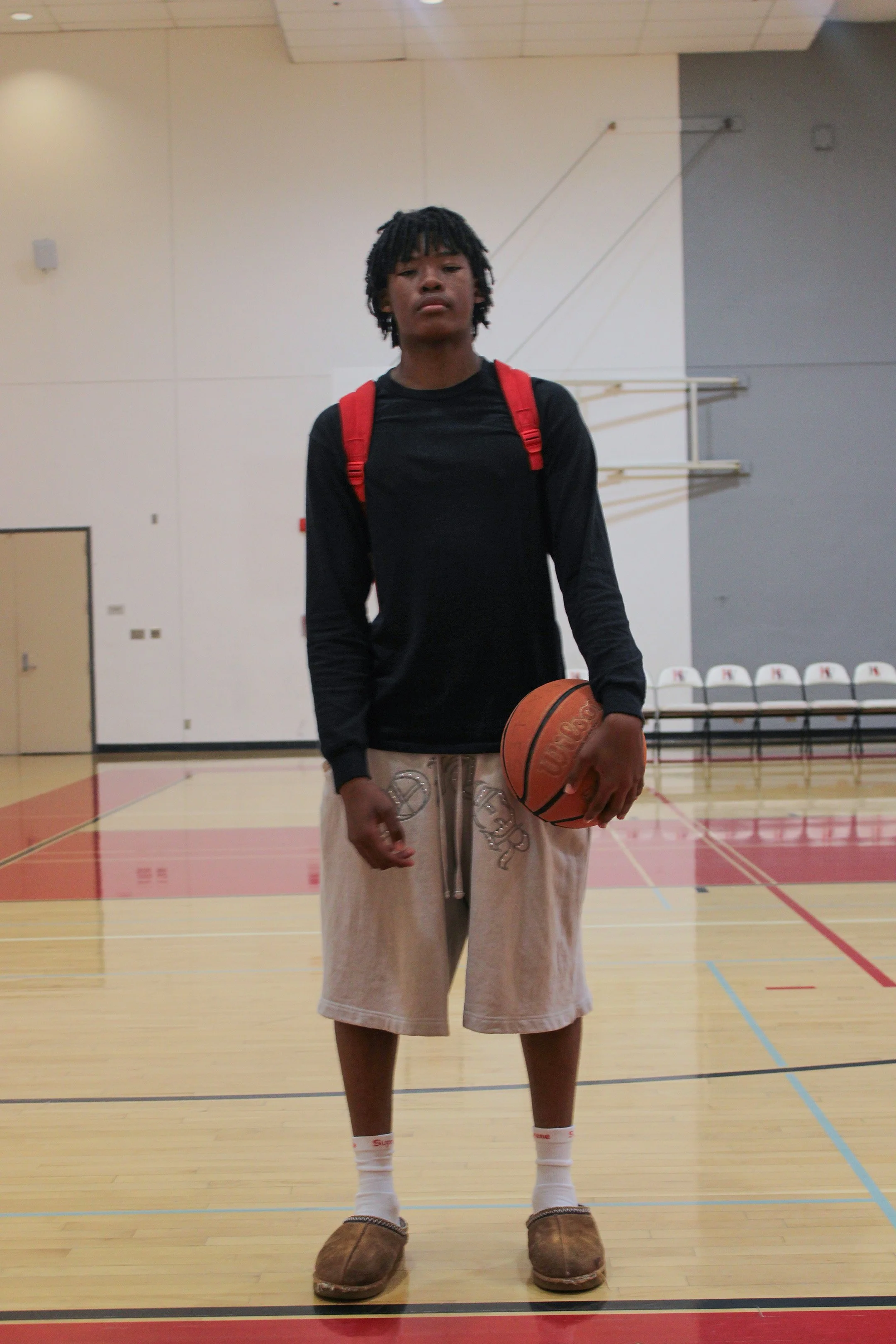
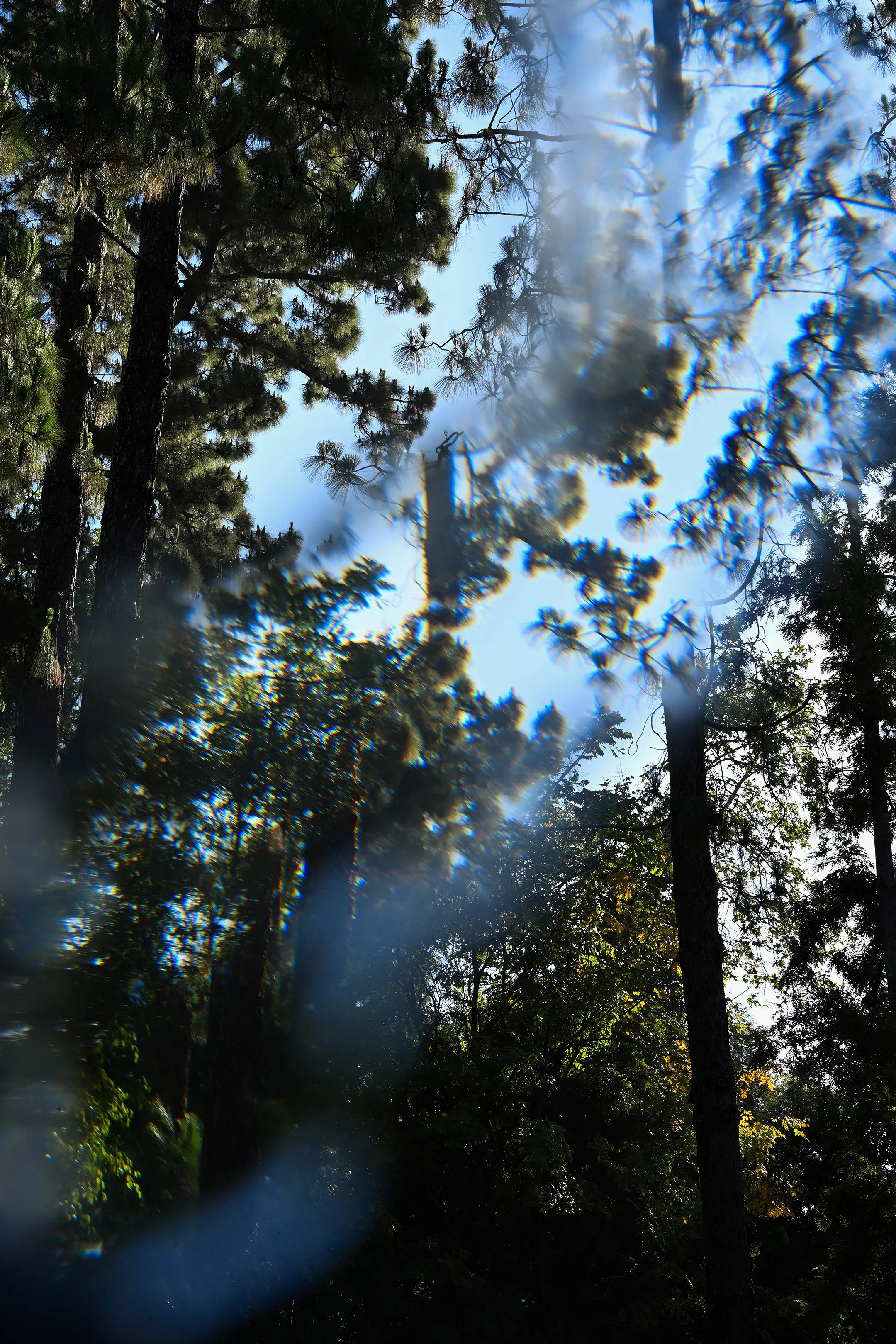
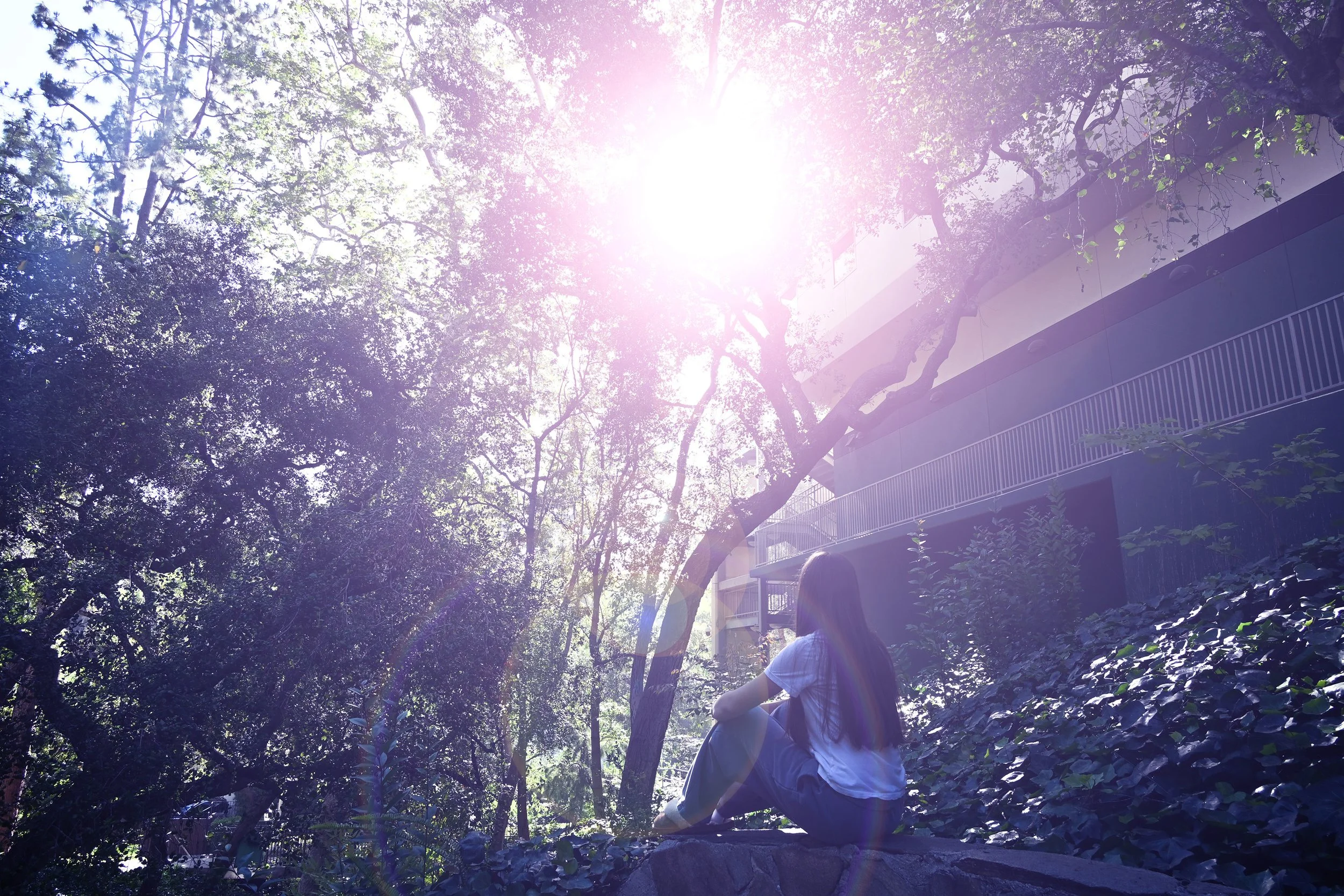
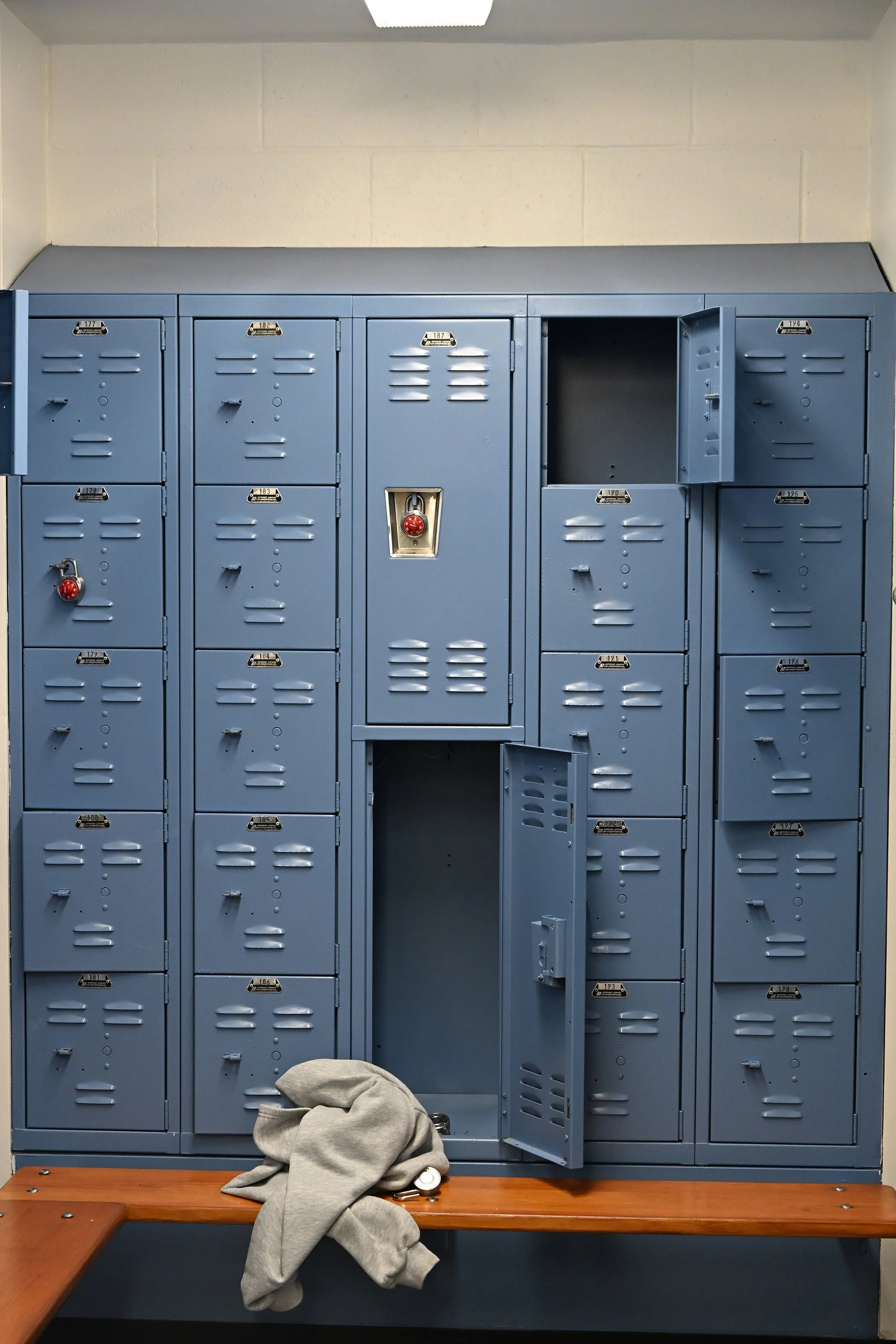
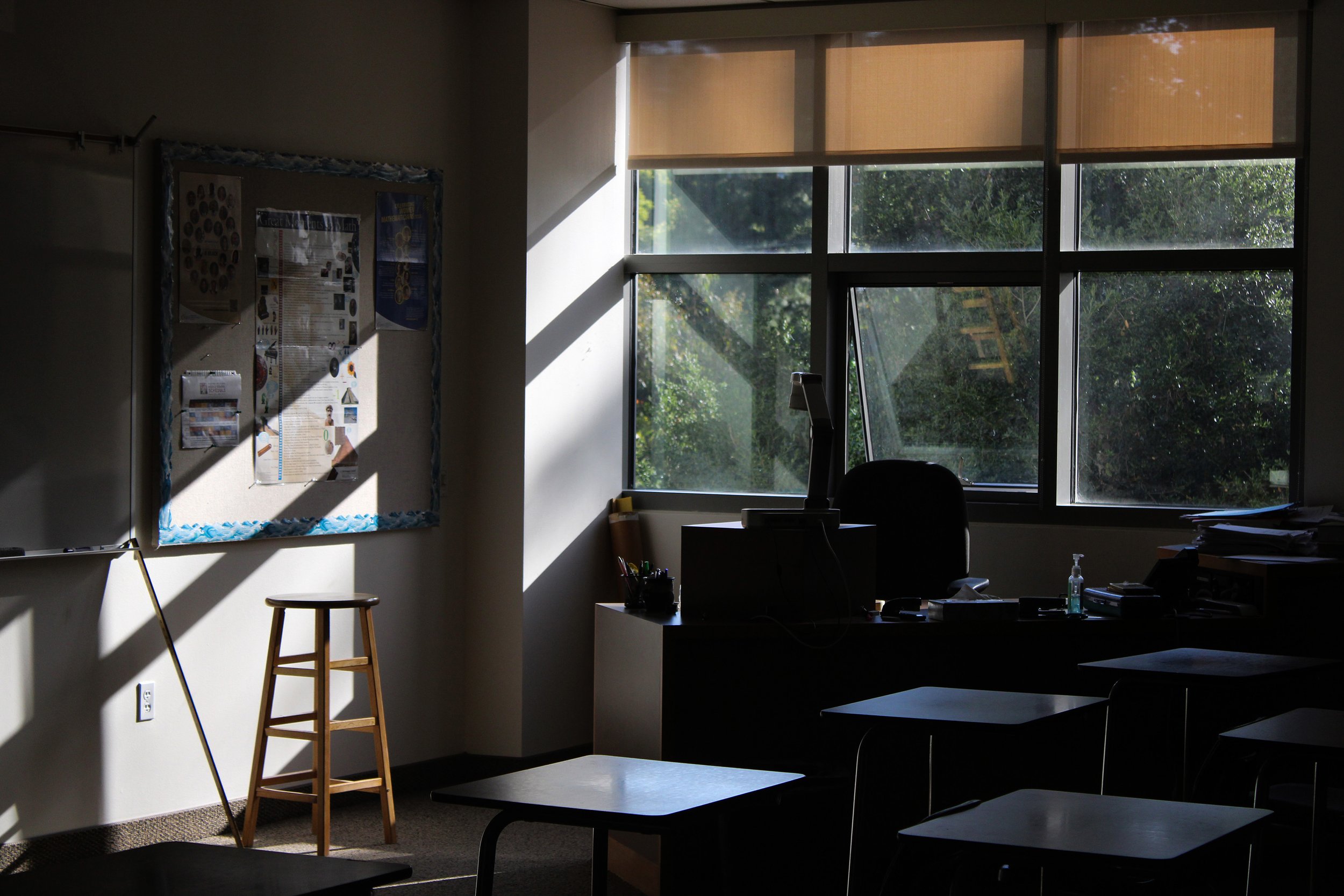
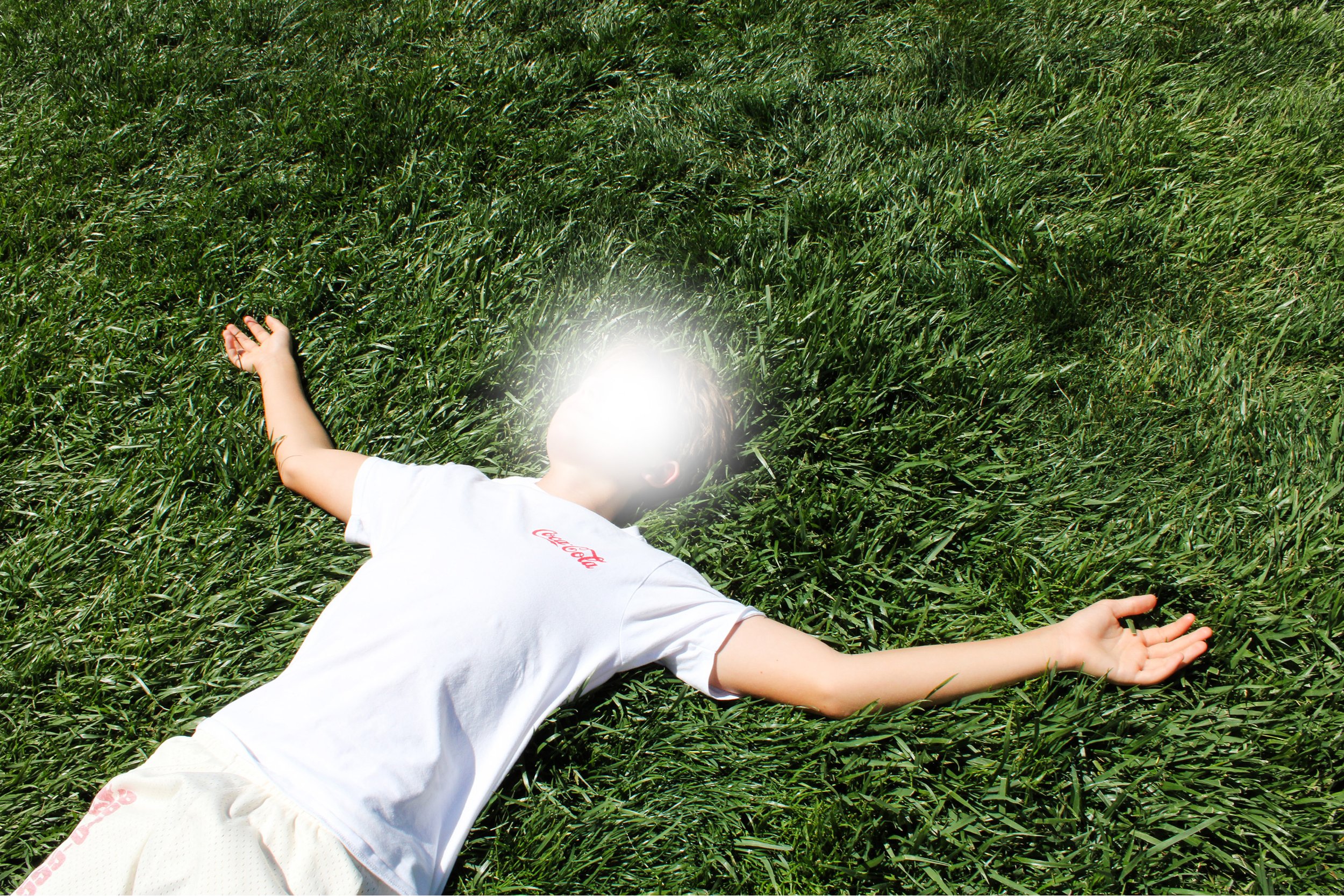
Beginnings and Voyages invites students to focus on process, curiosity, and exploration. Rooted in the idea that the journey is more meaningful than the destination, students are using analog and digital photography to capture moments of growth, discovery, and change within their teenage lives.
Through experimentation in the darkroom and Photoshop, students are creating personal stories about Los Angeles and community, recognizing that life — and art — is built through small but meaningful moments along the way.
The work of our guest artists, Mackenzie Calle and Genesis Baez exemplifies the power of personal narrative in photography, creating images that speak to viewers while conveying layered personal stories and emotions.
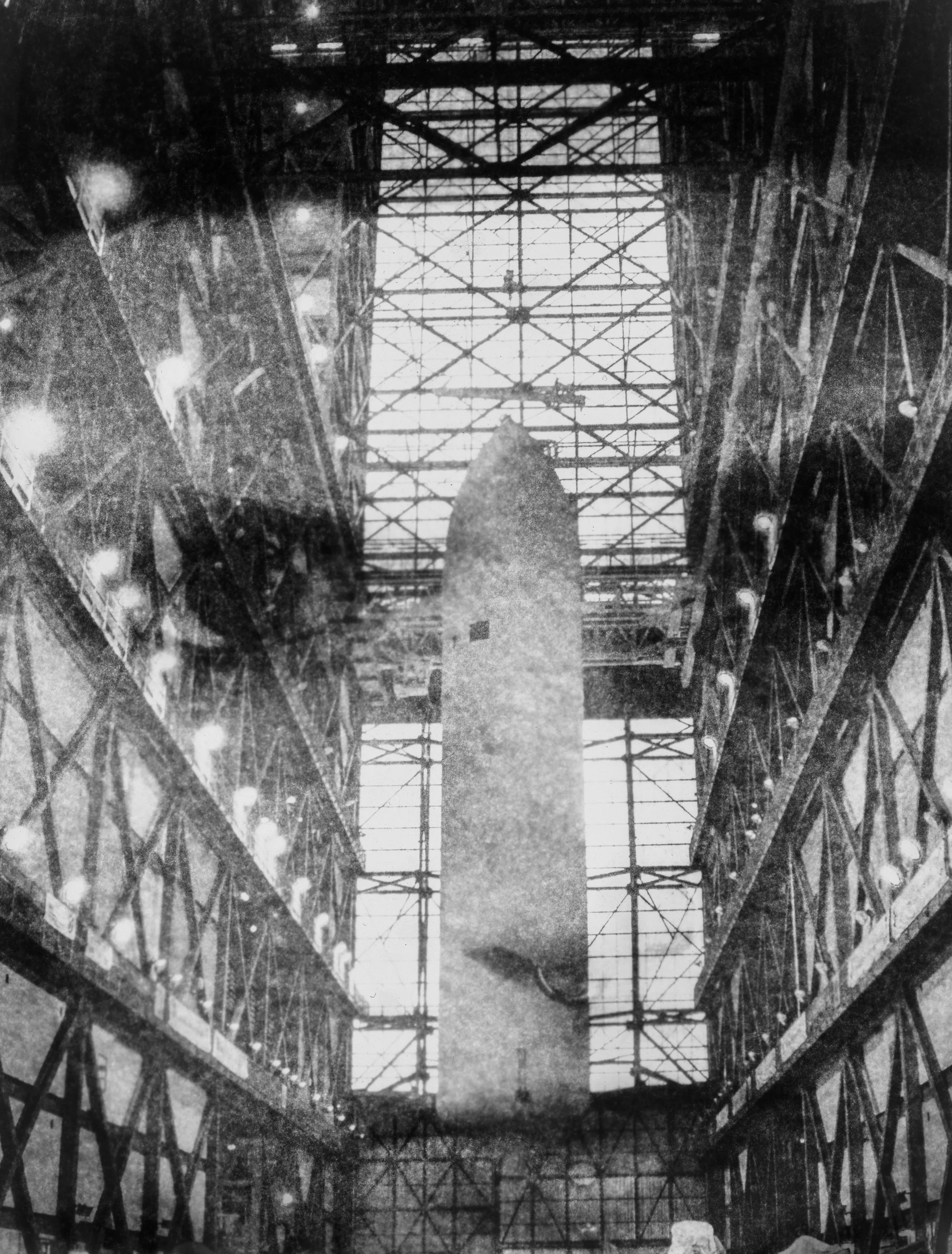
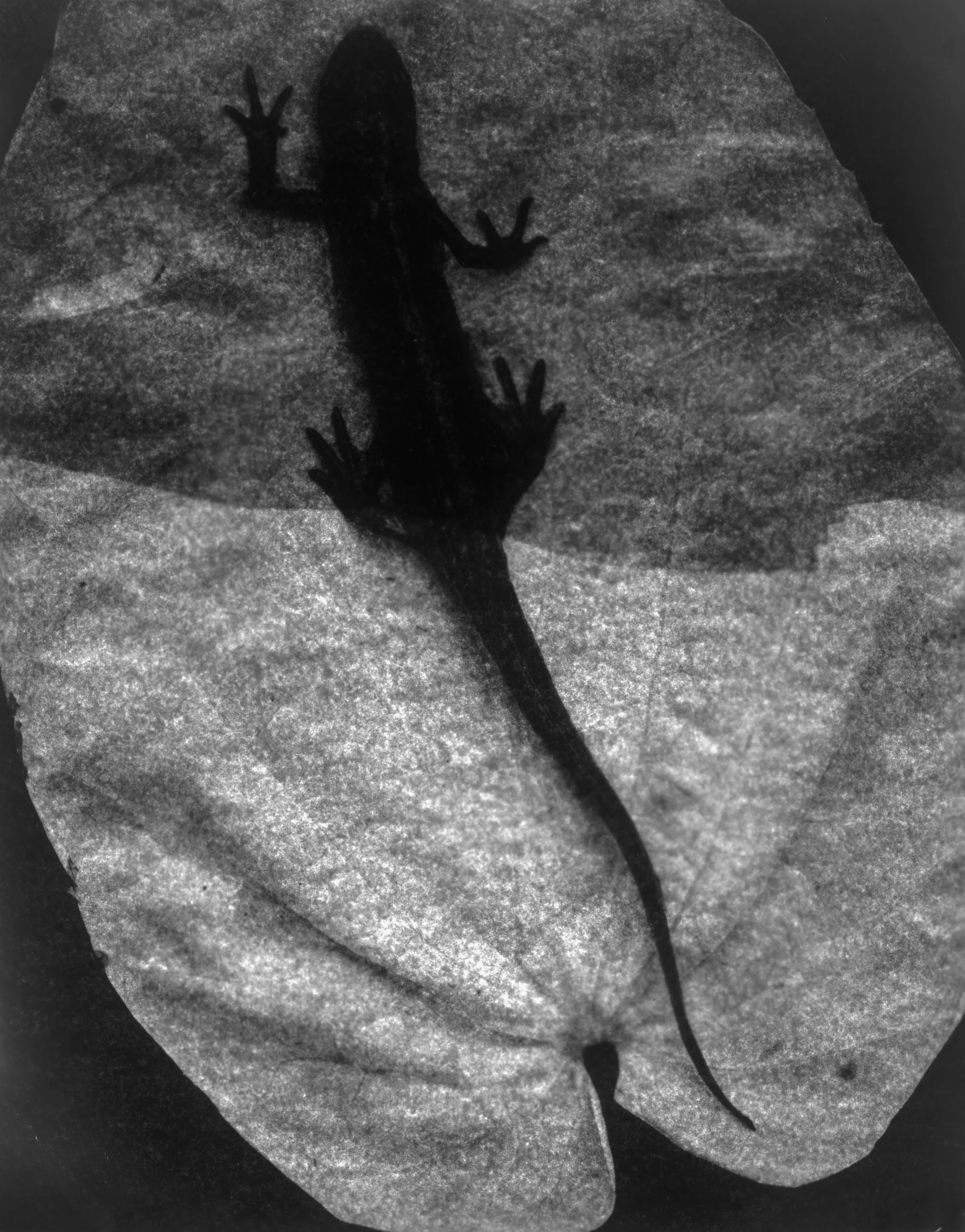
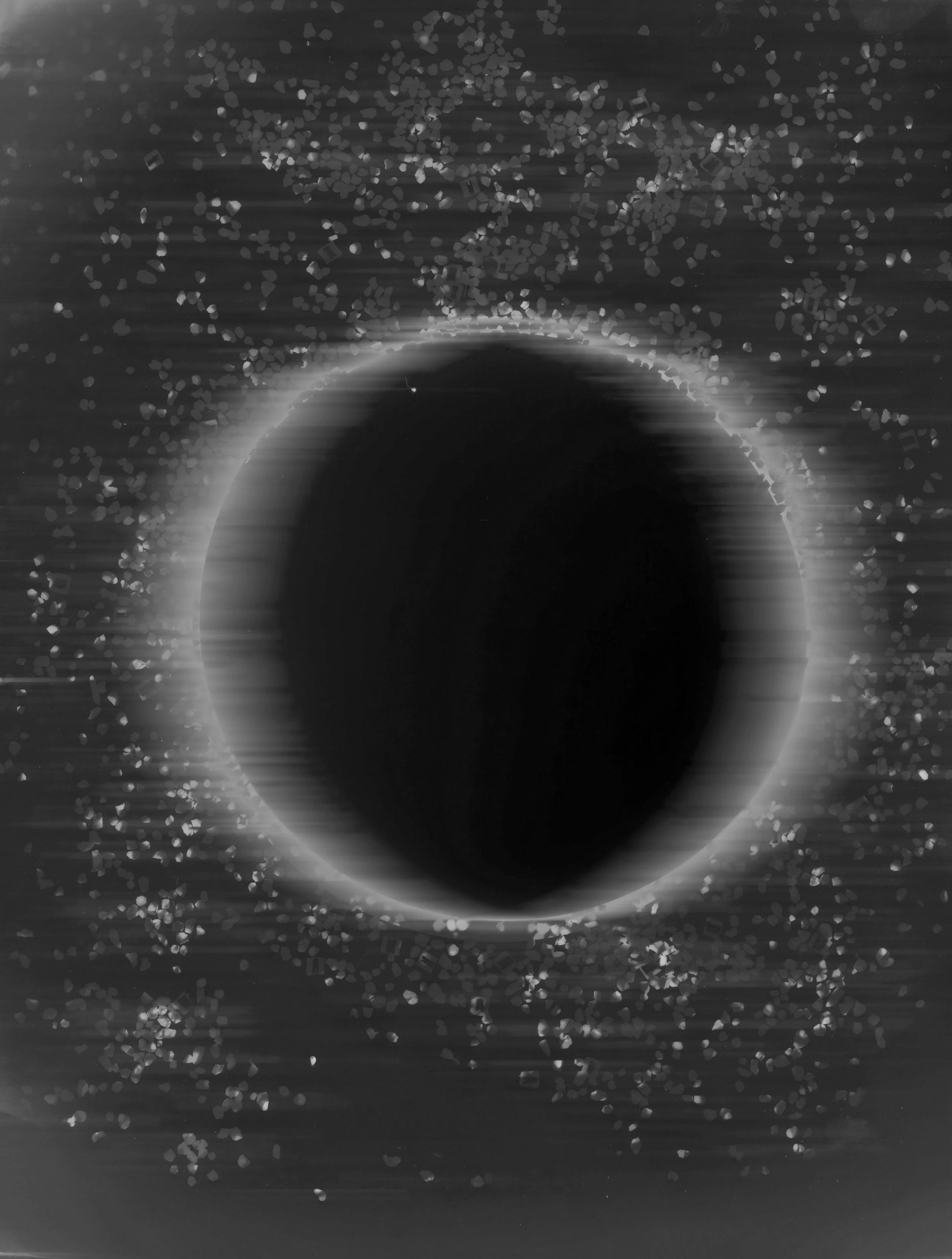
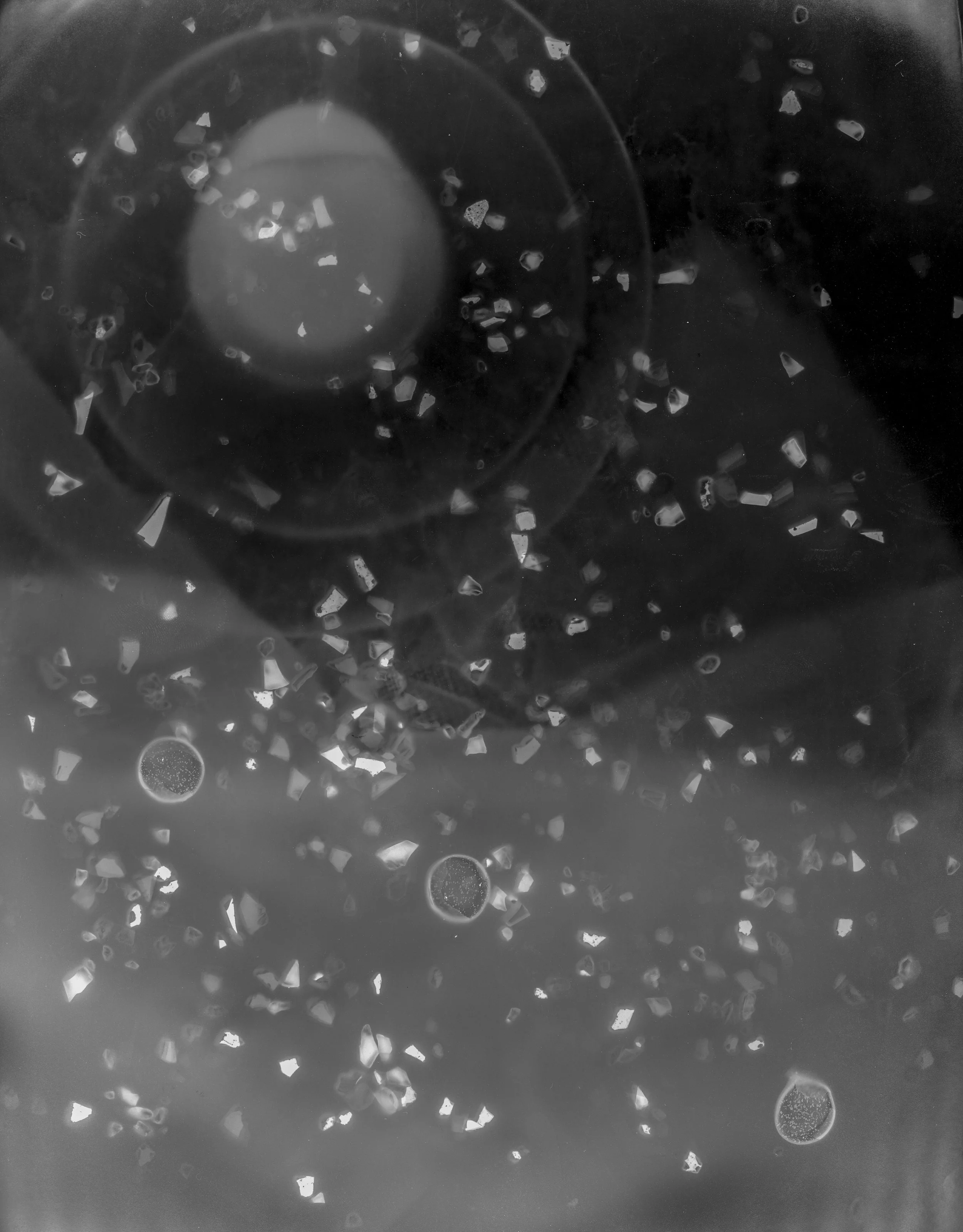
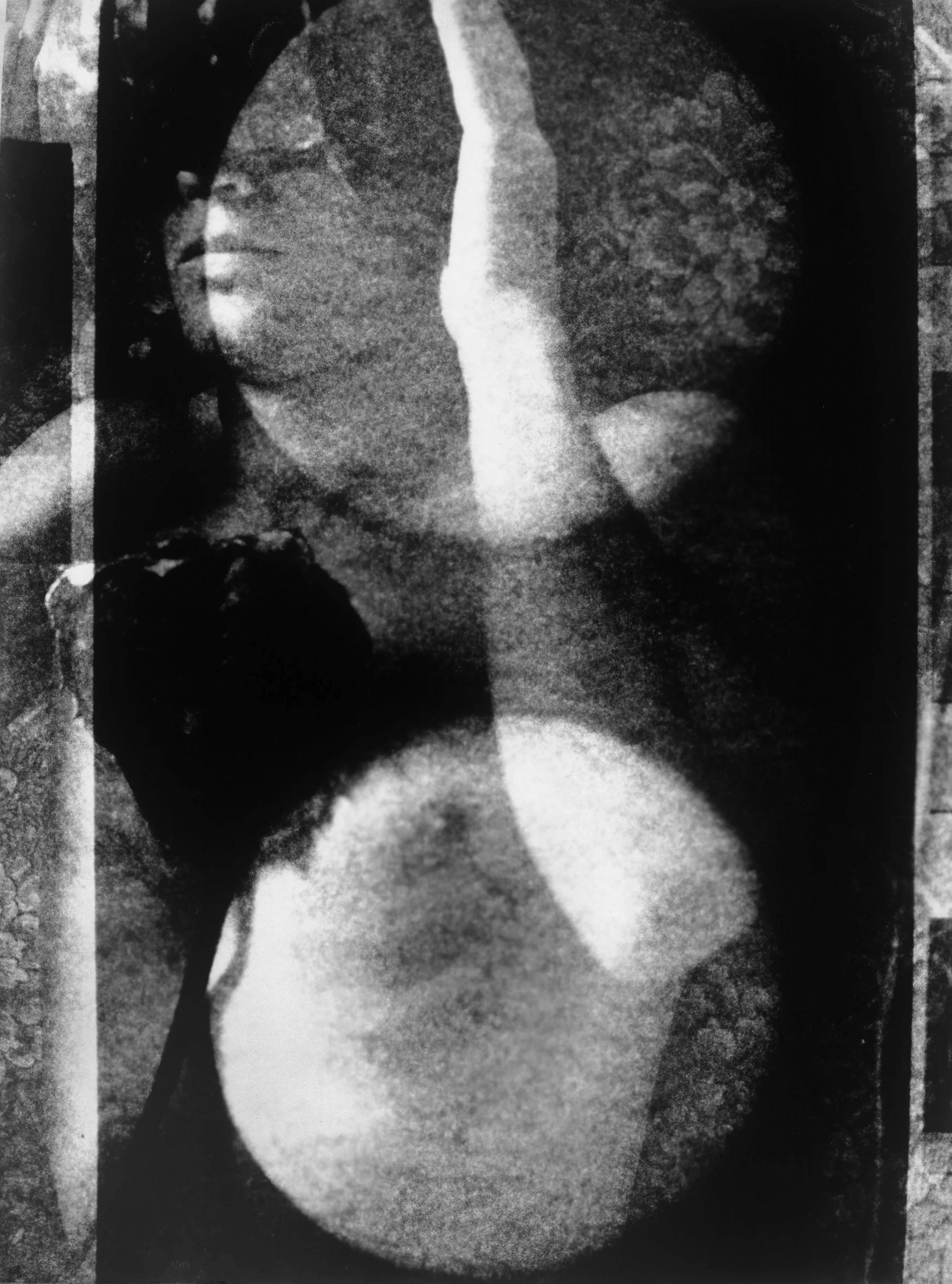
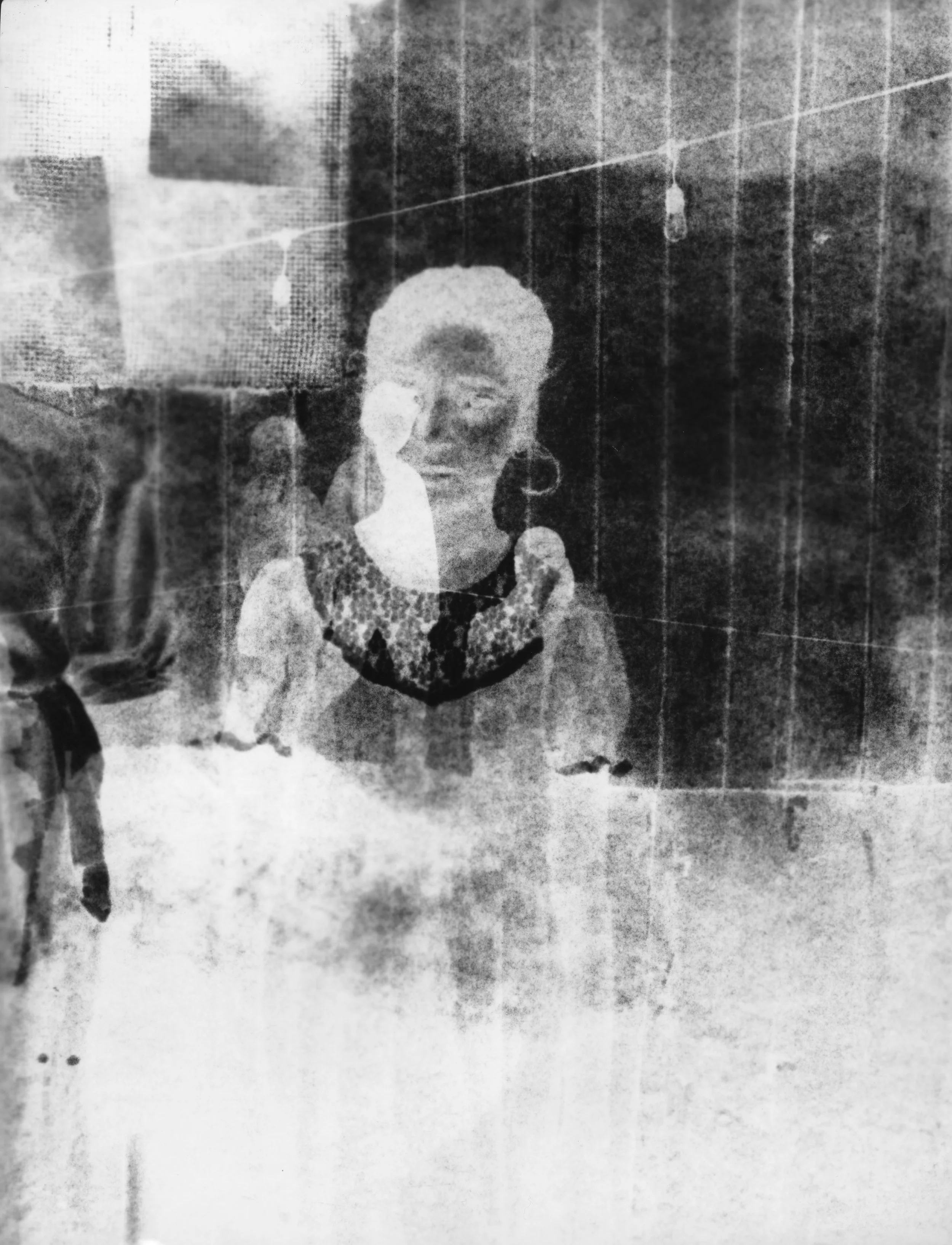
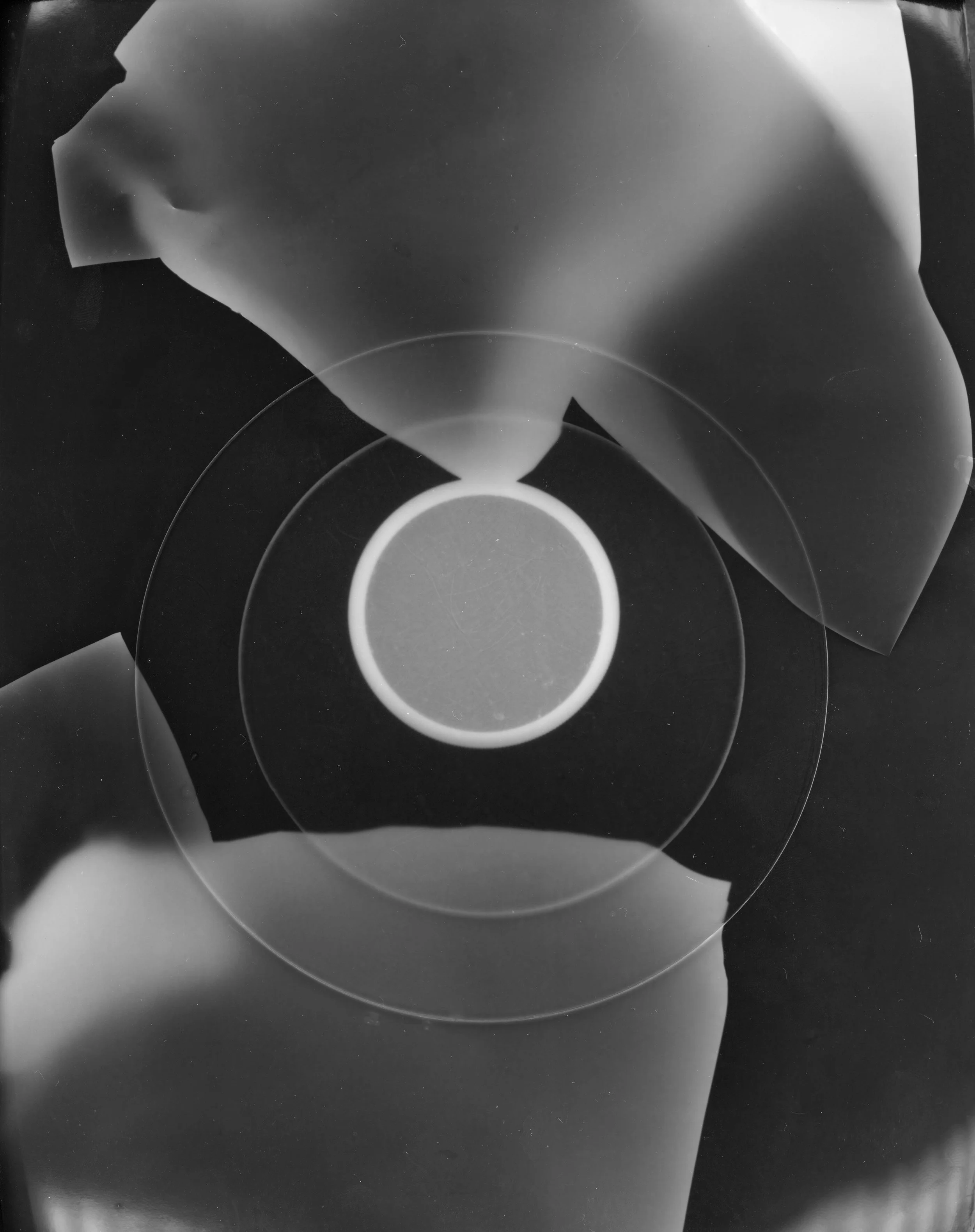
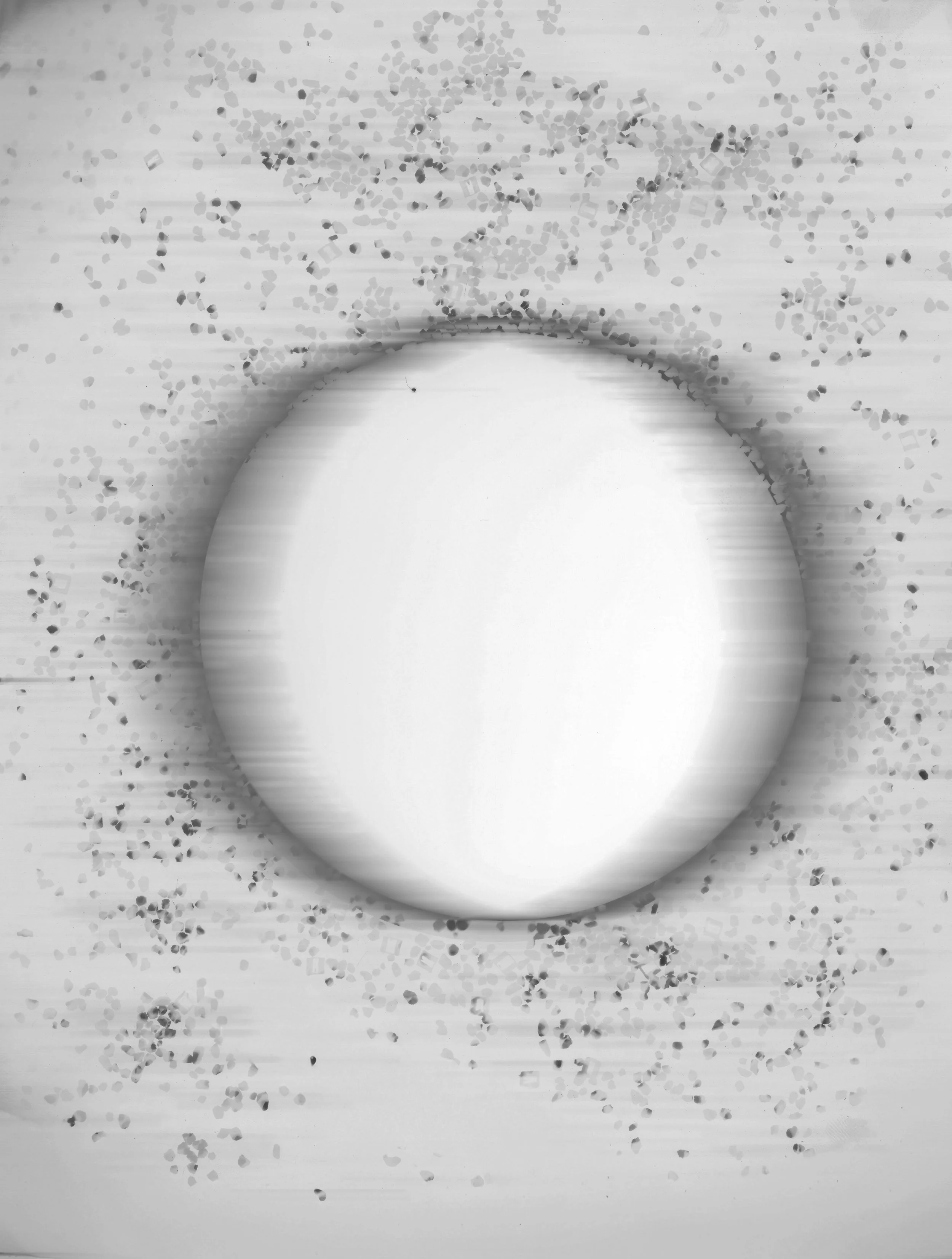
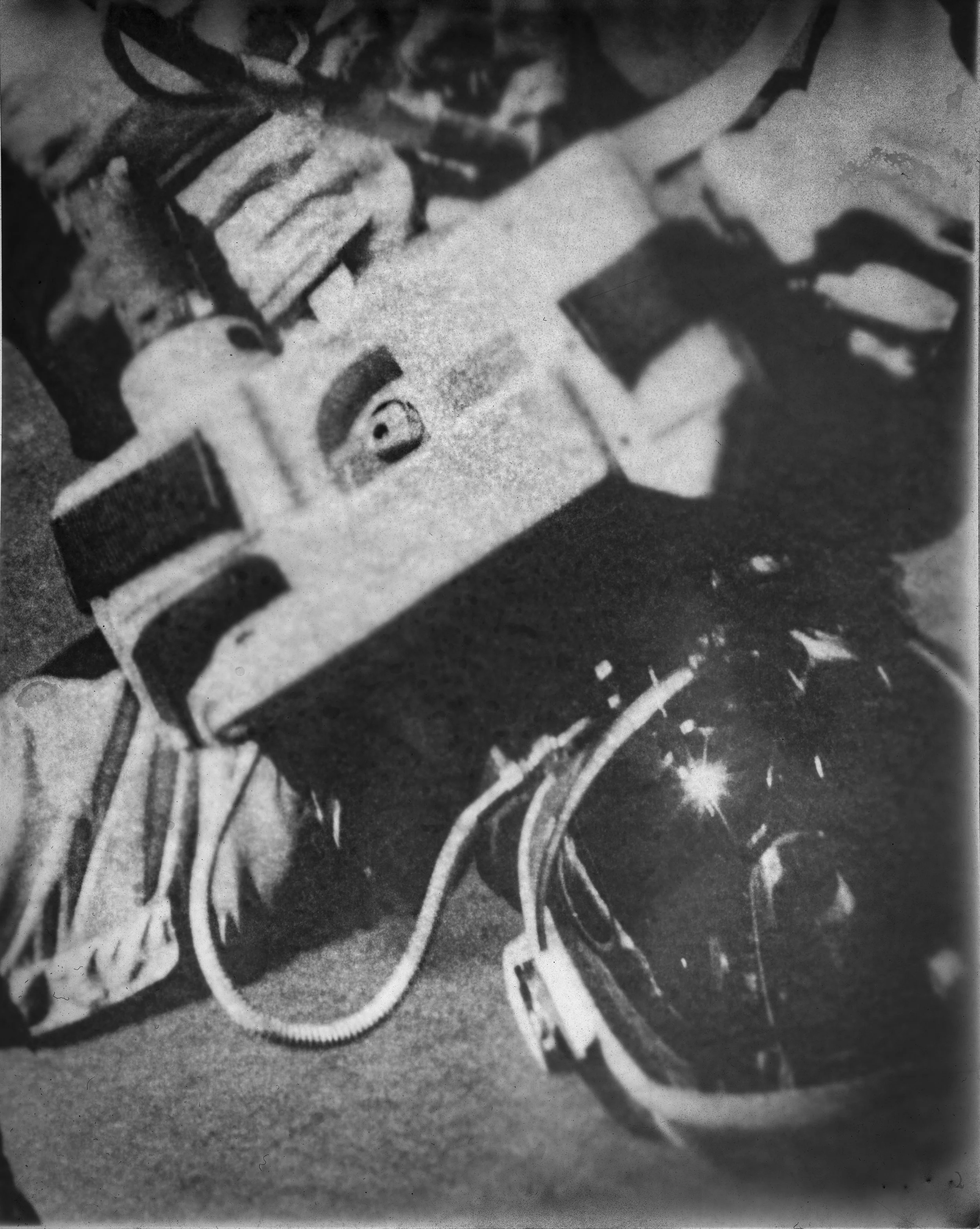
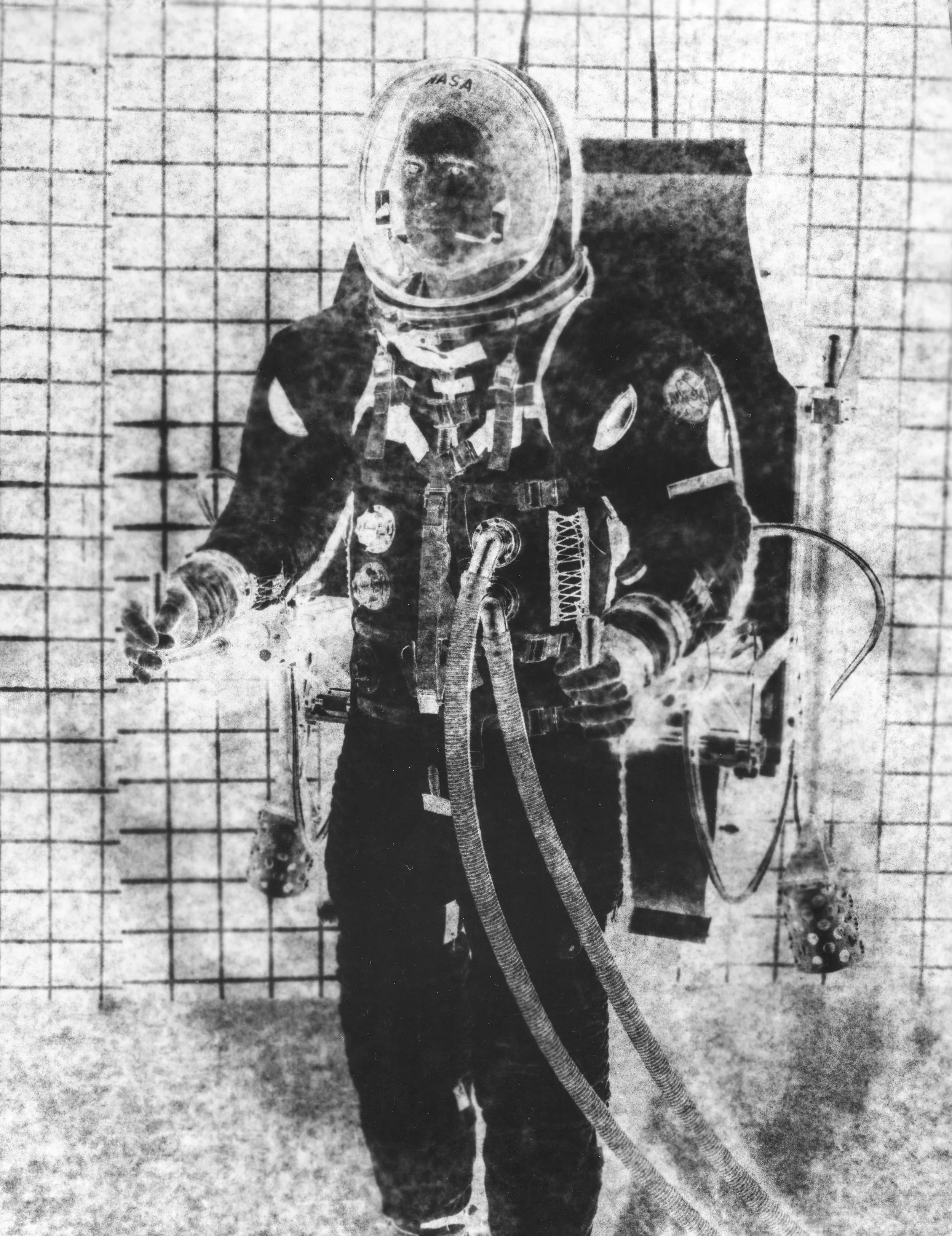
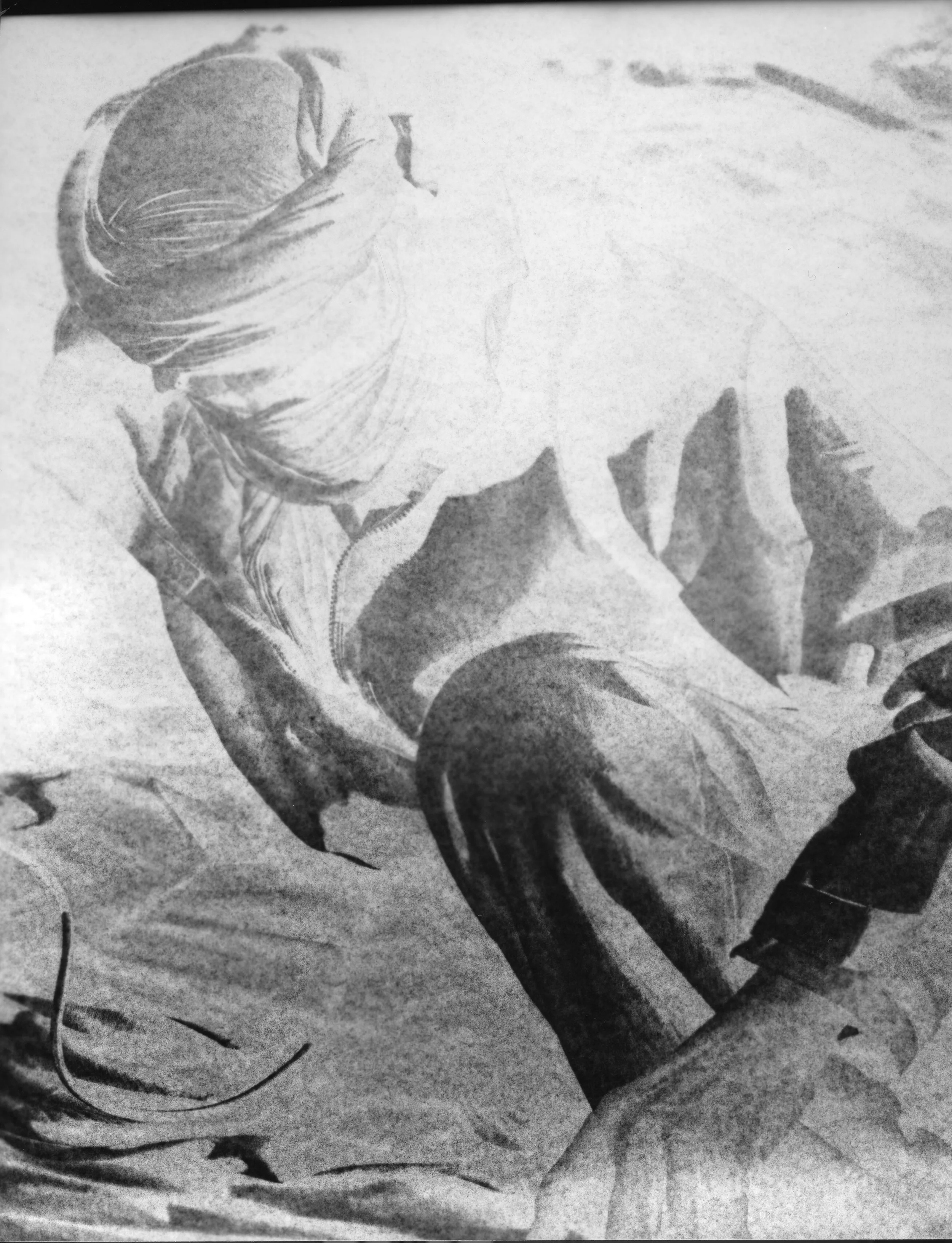
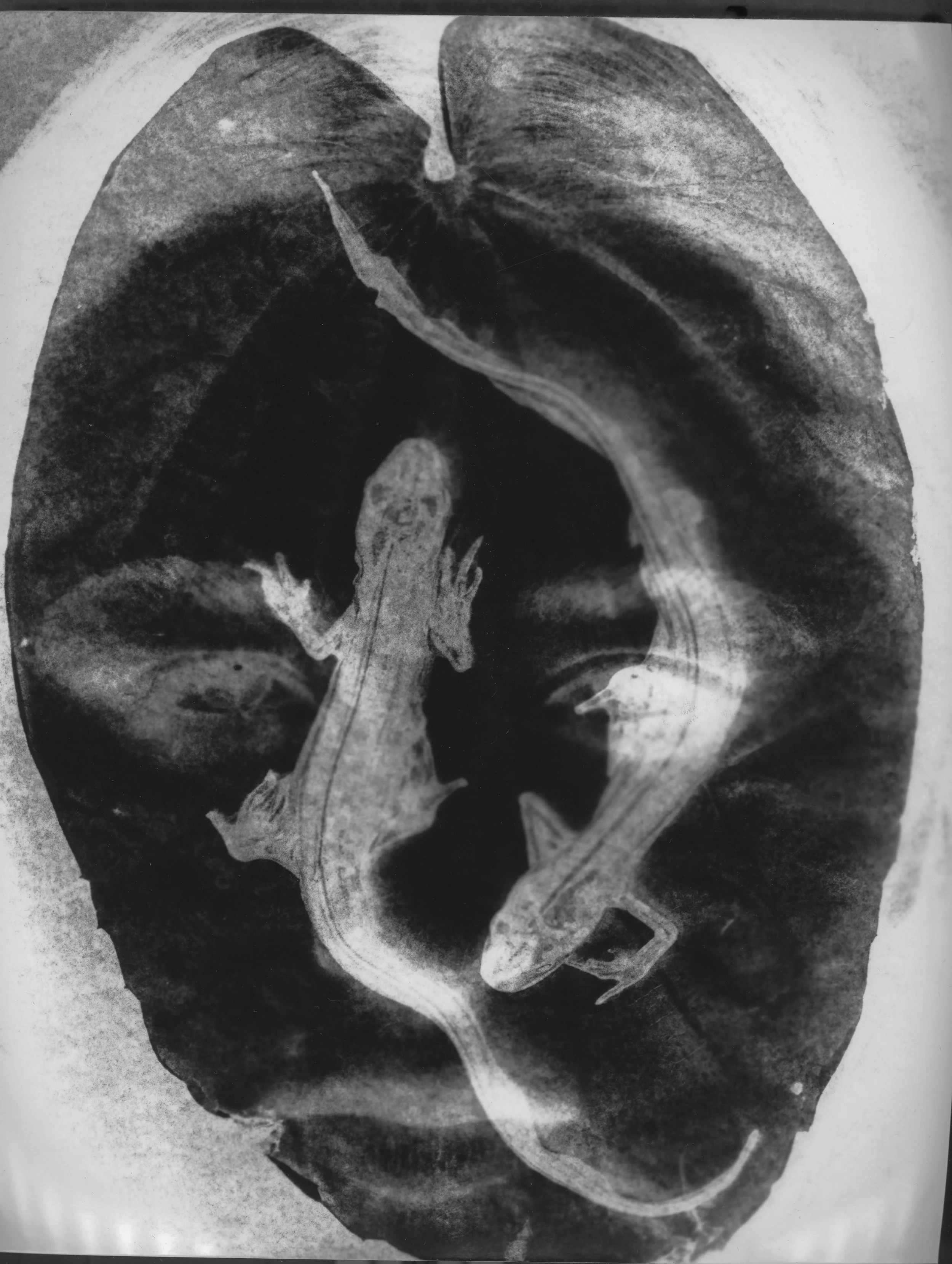
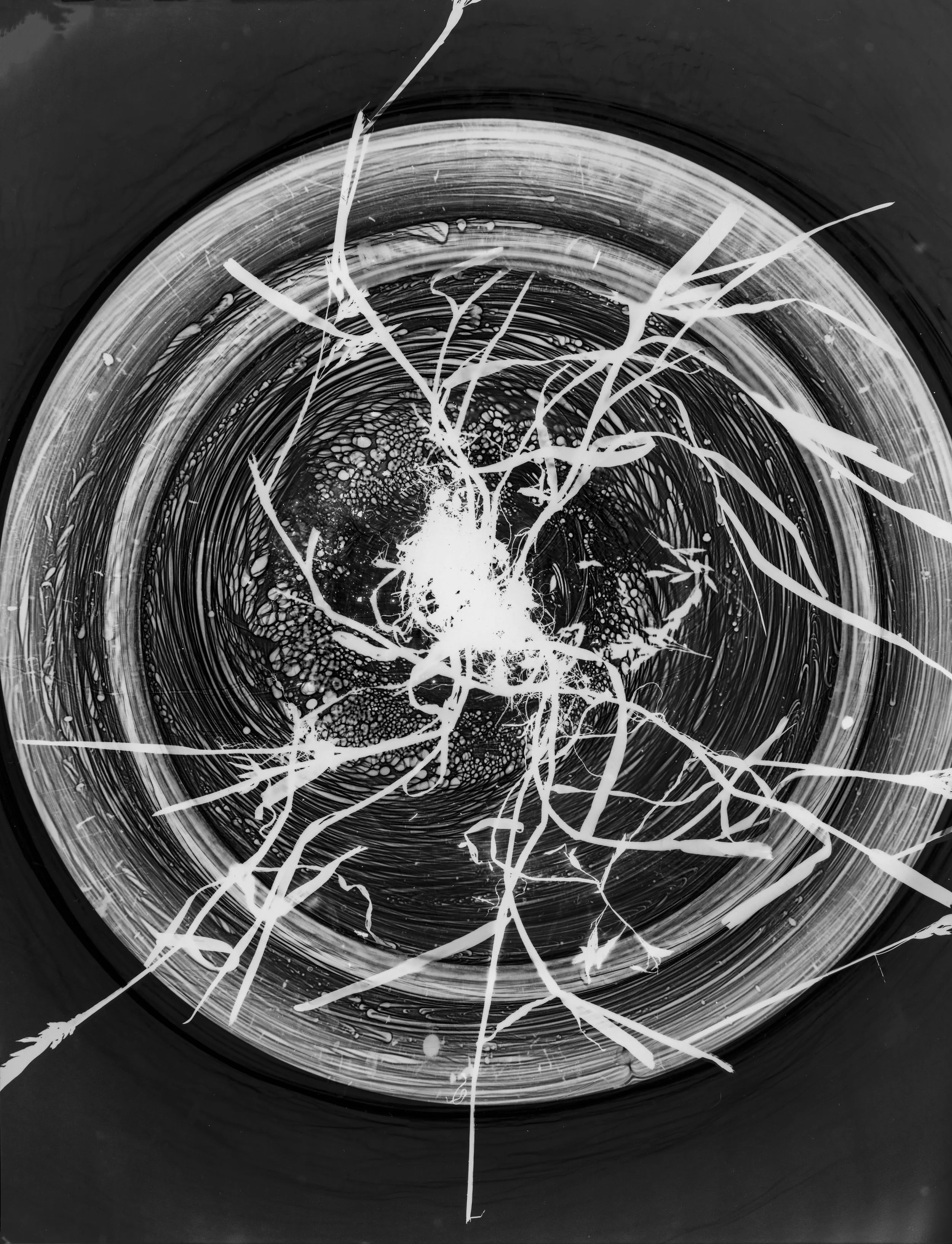
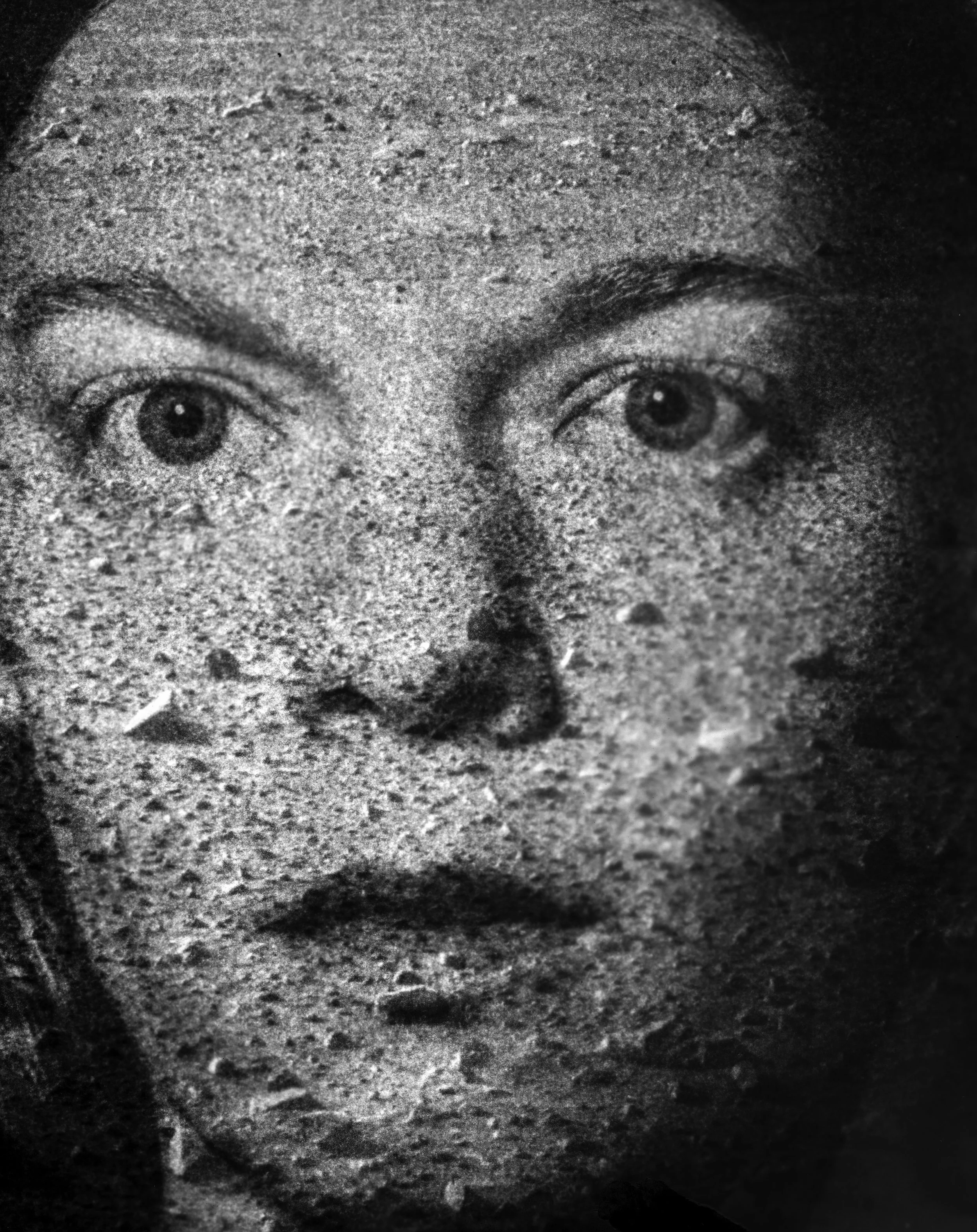
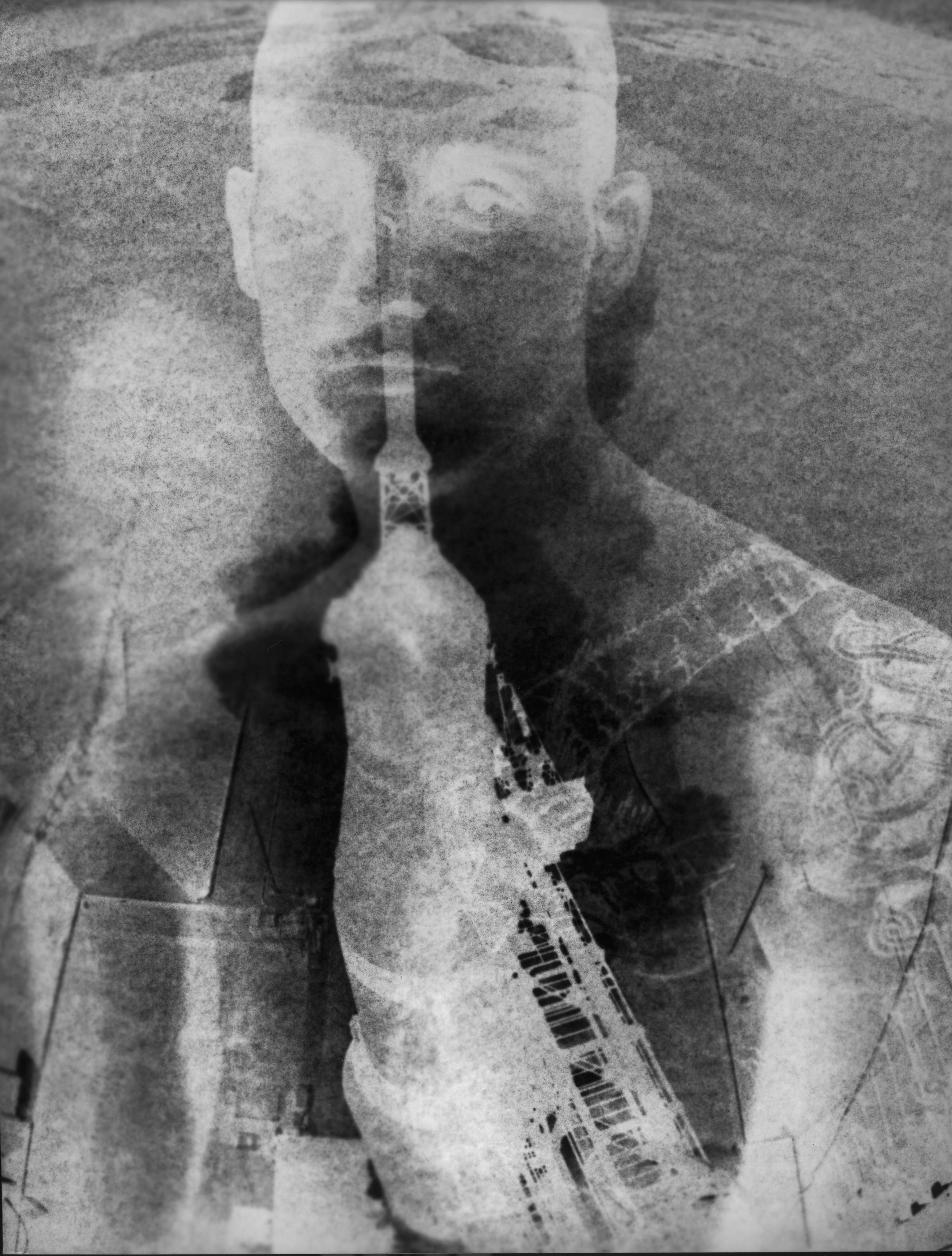
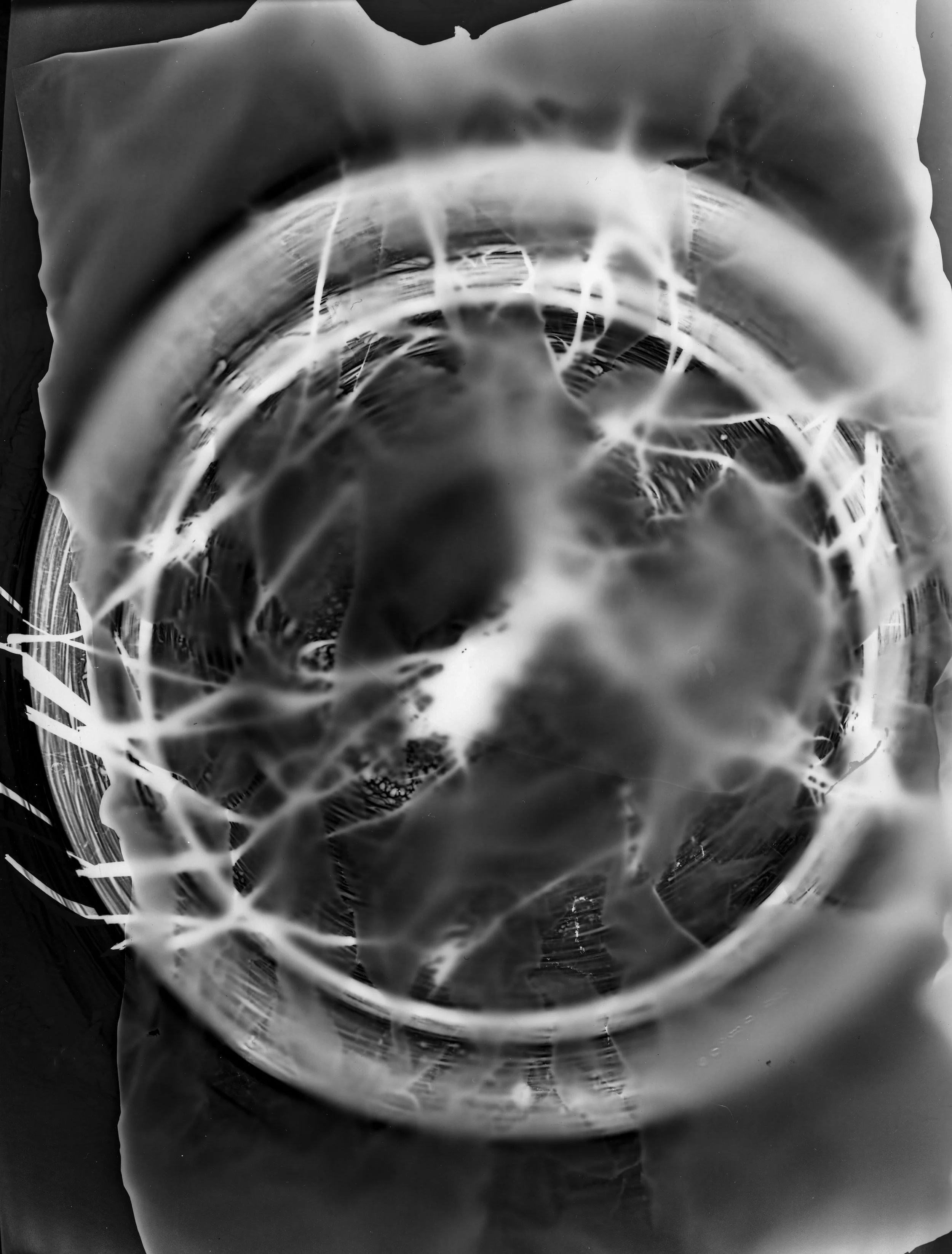
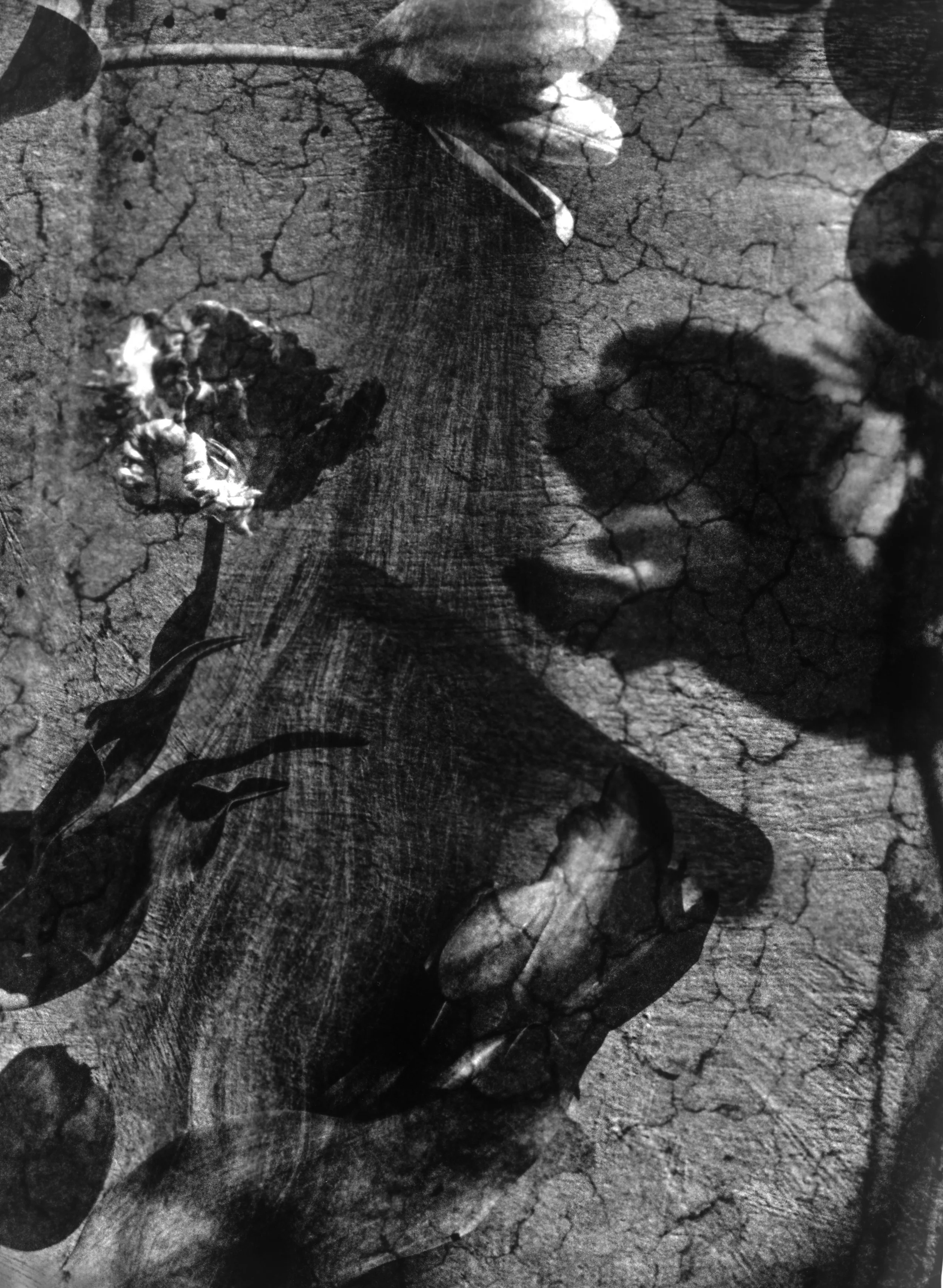
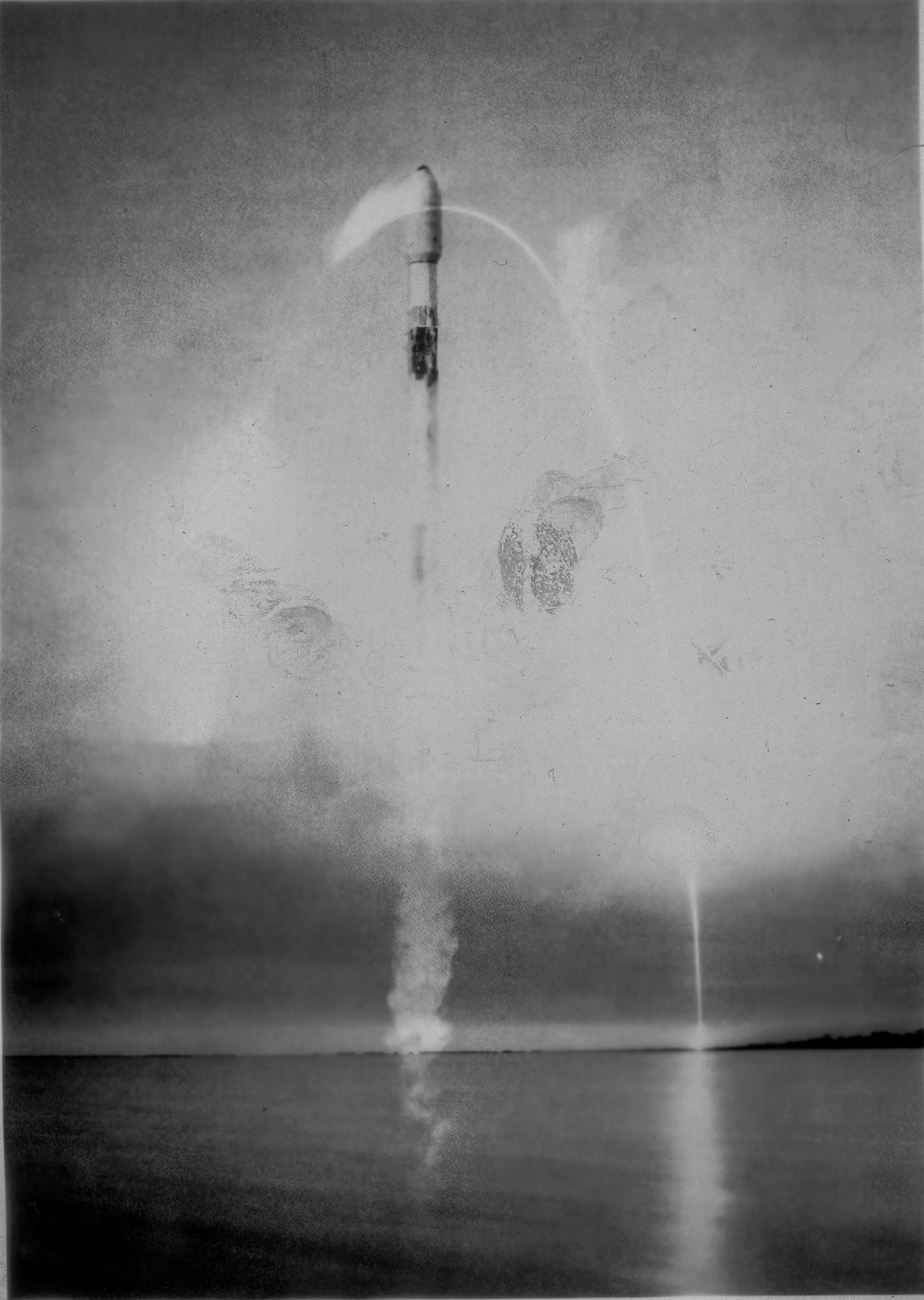
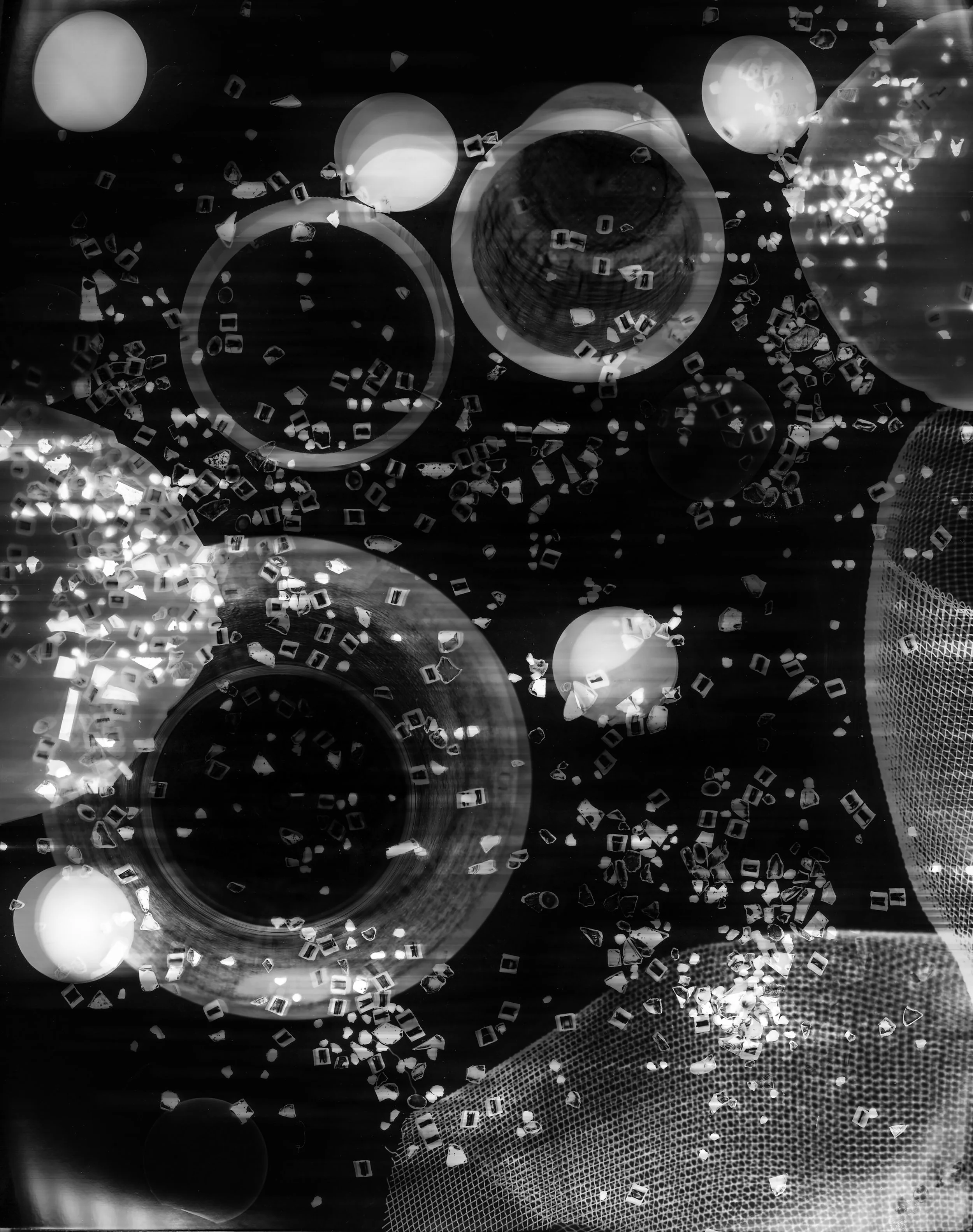
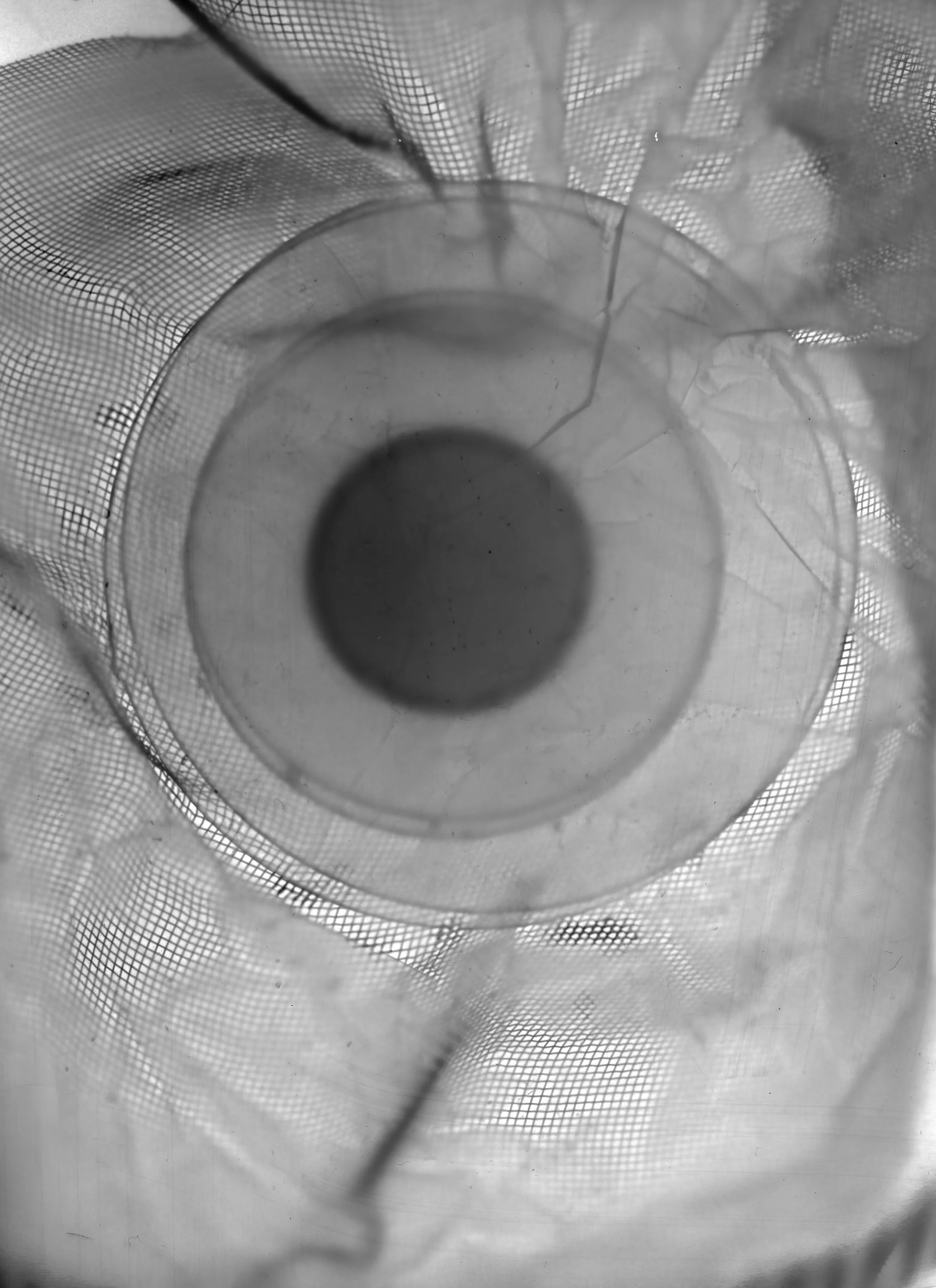
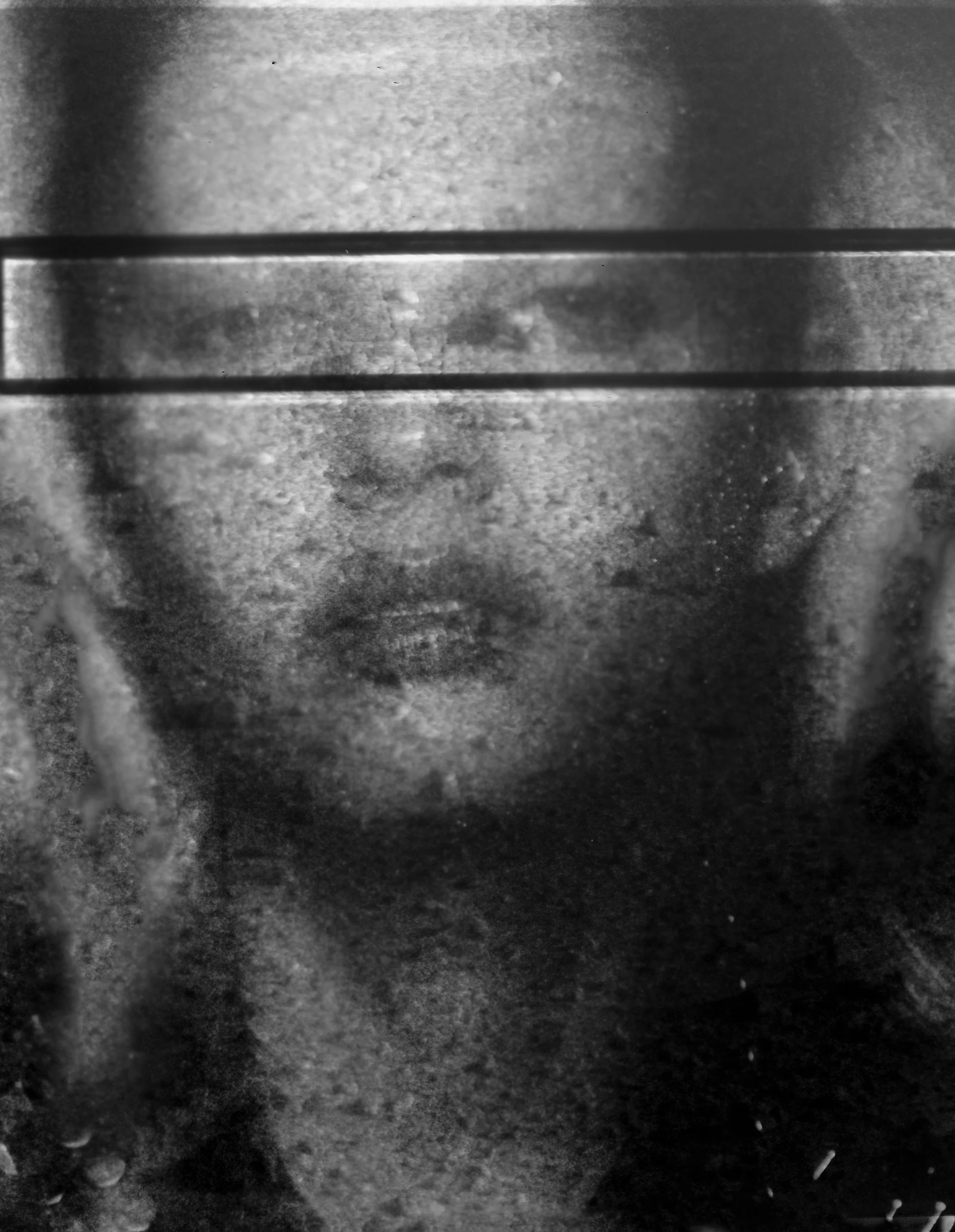
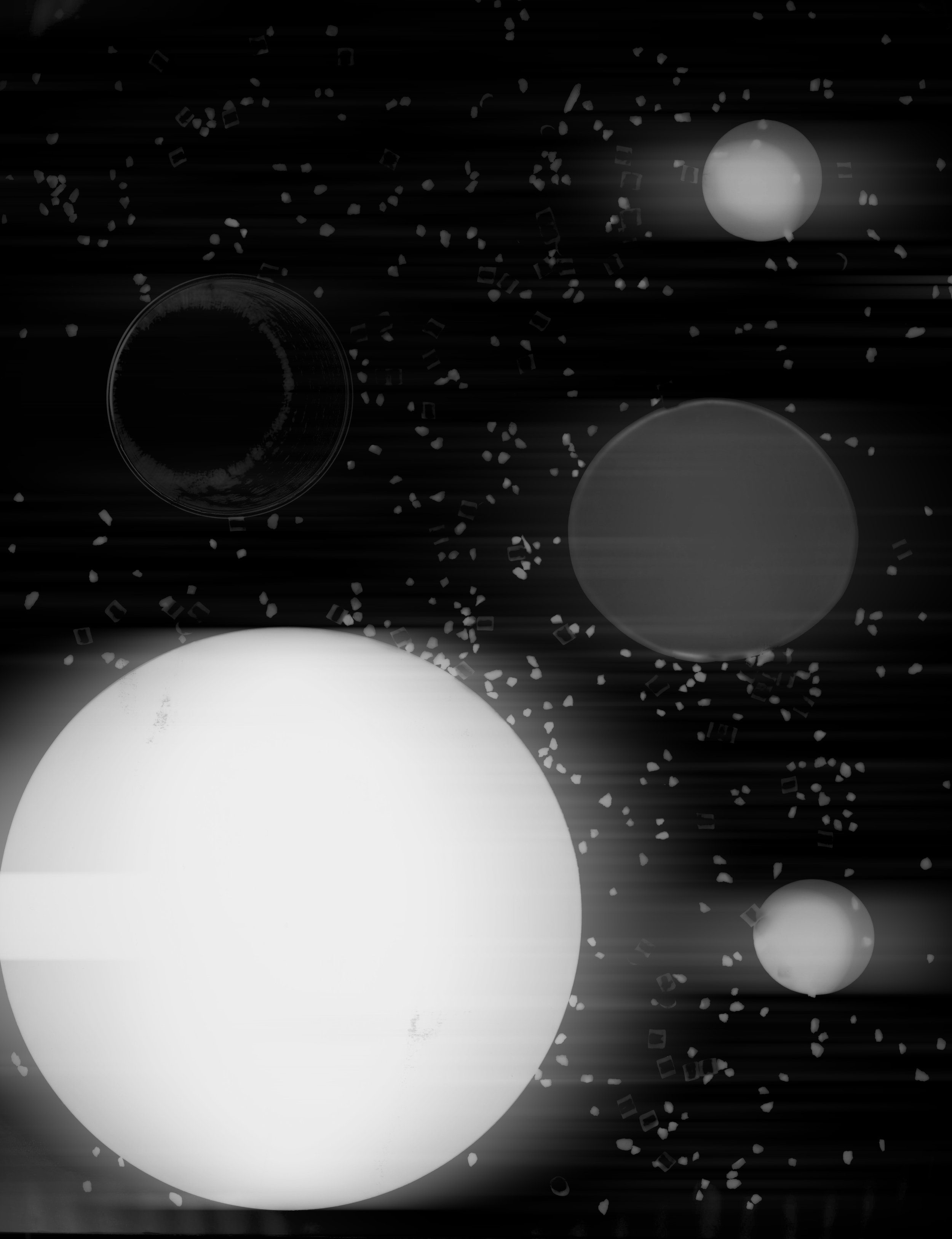
Photograms
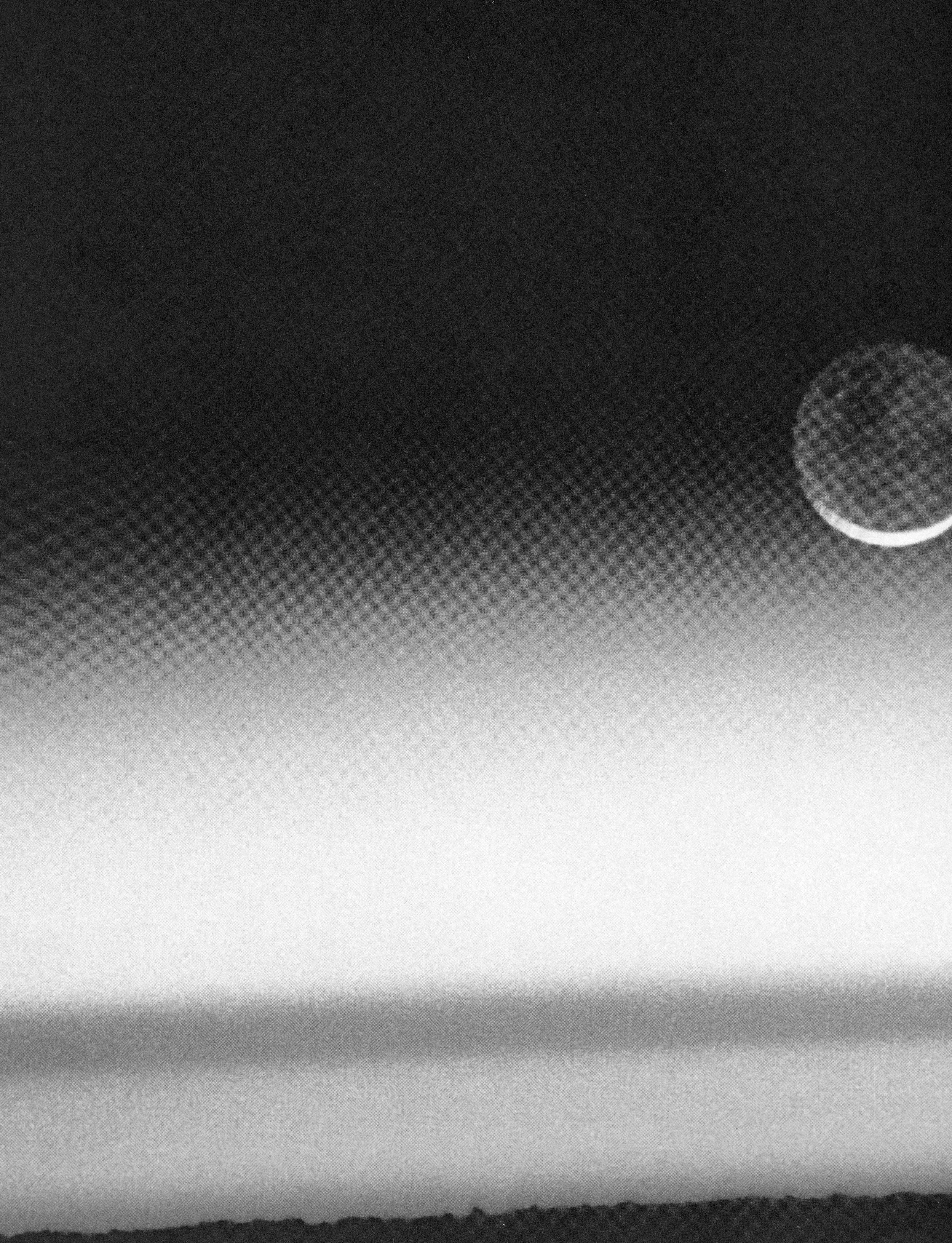
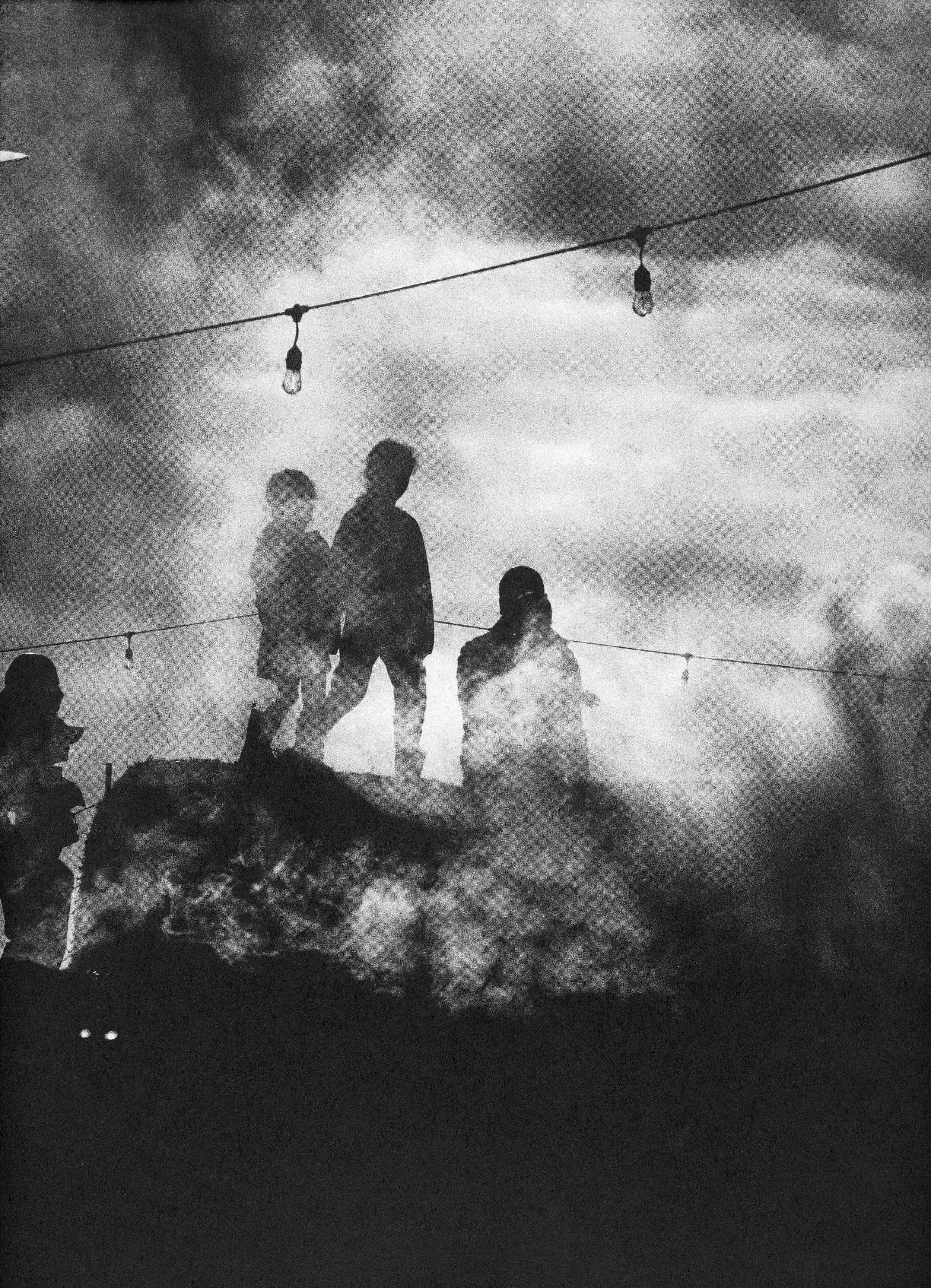
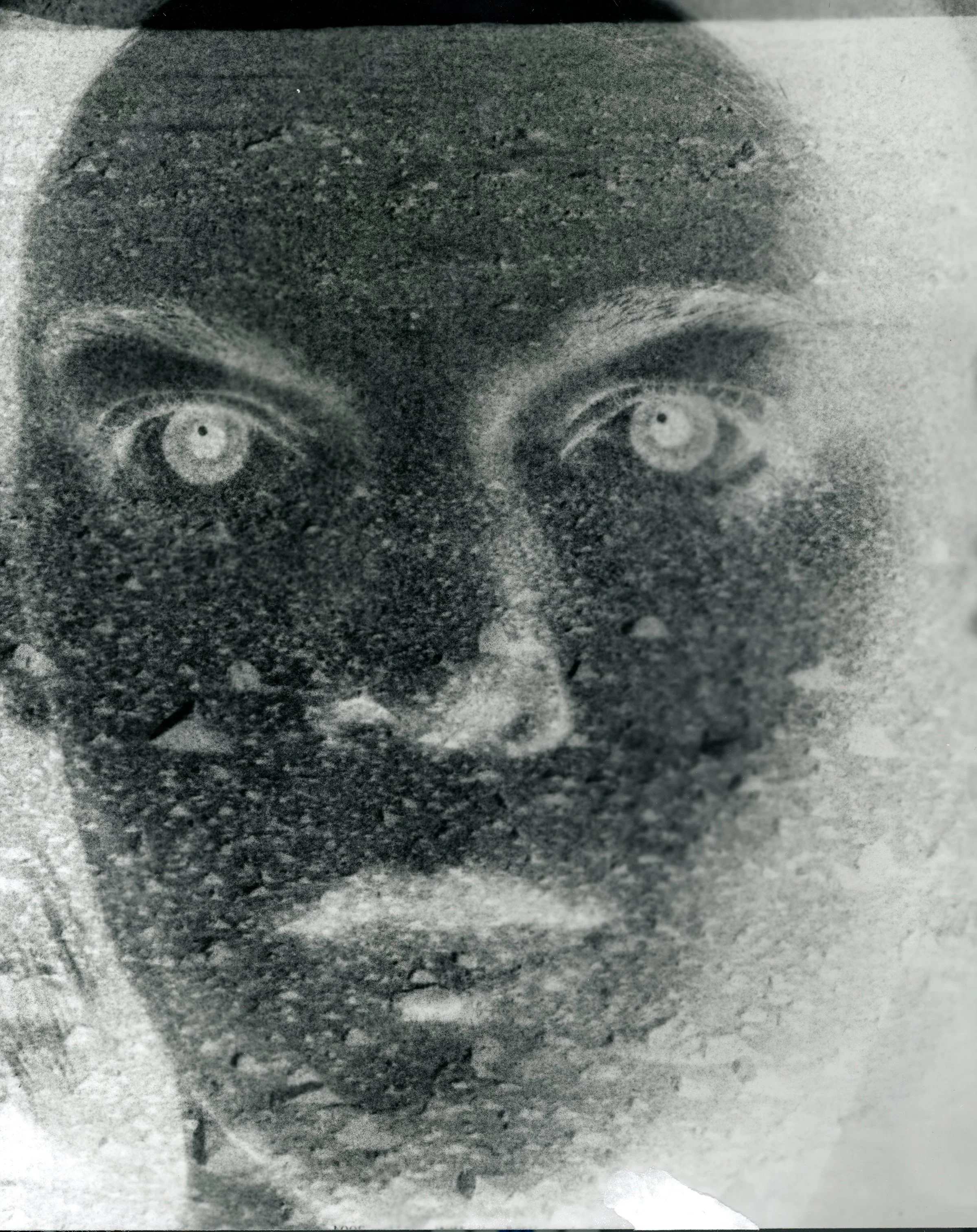
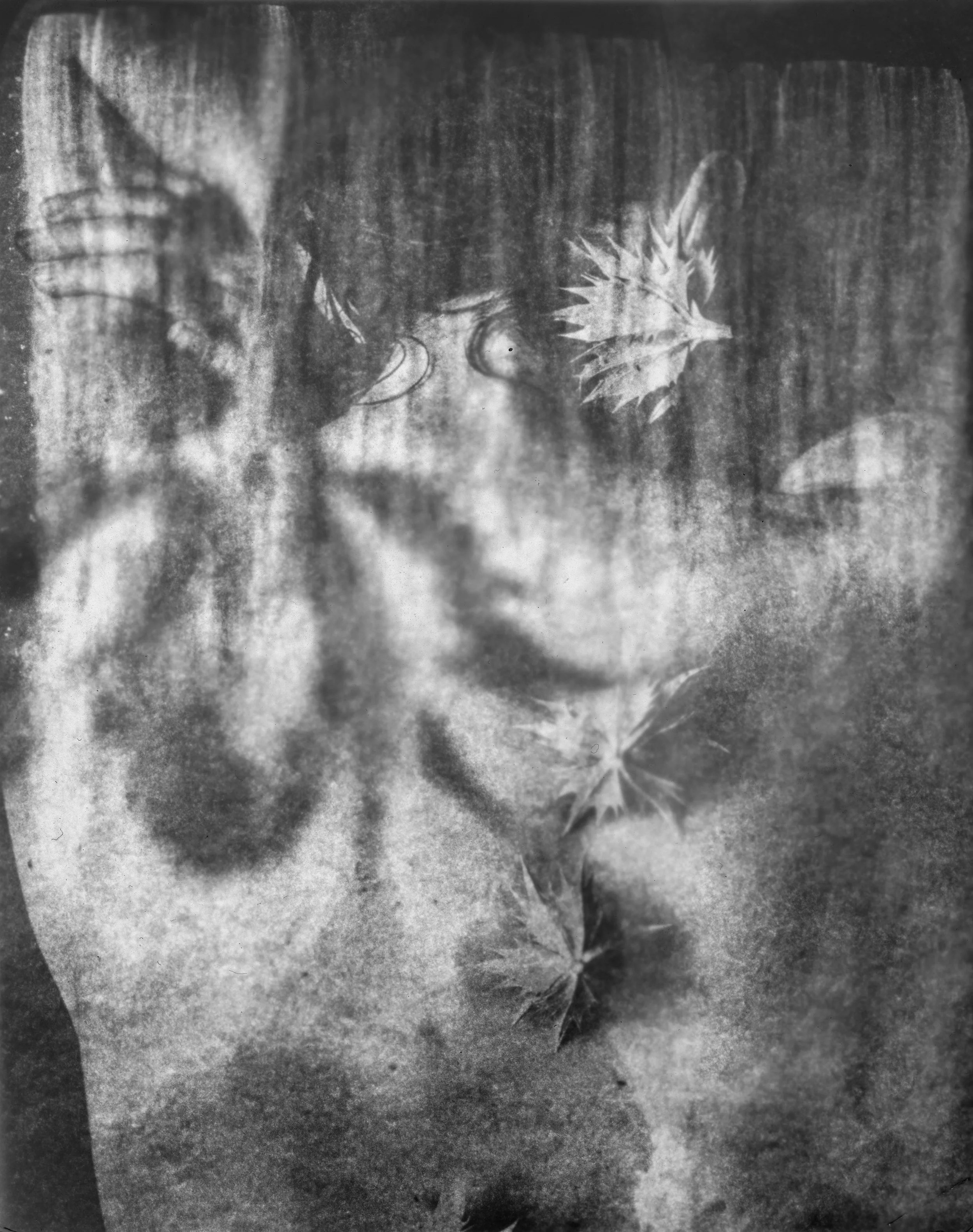
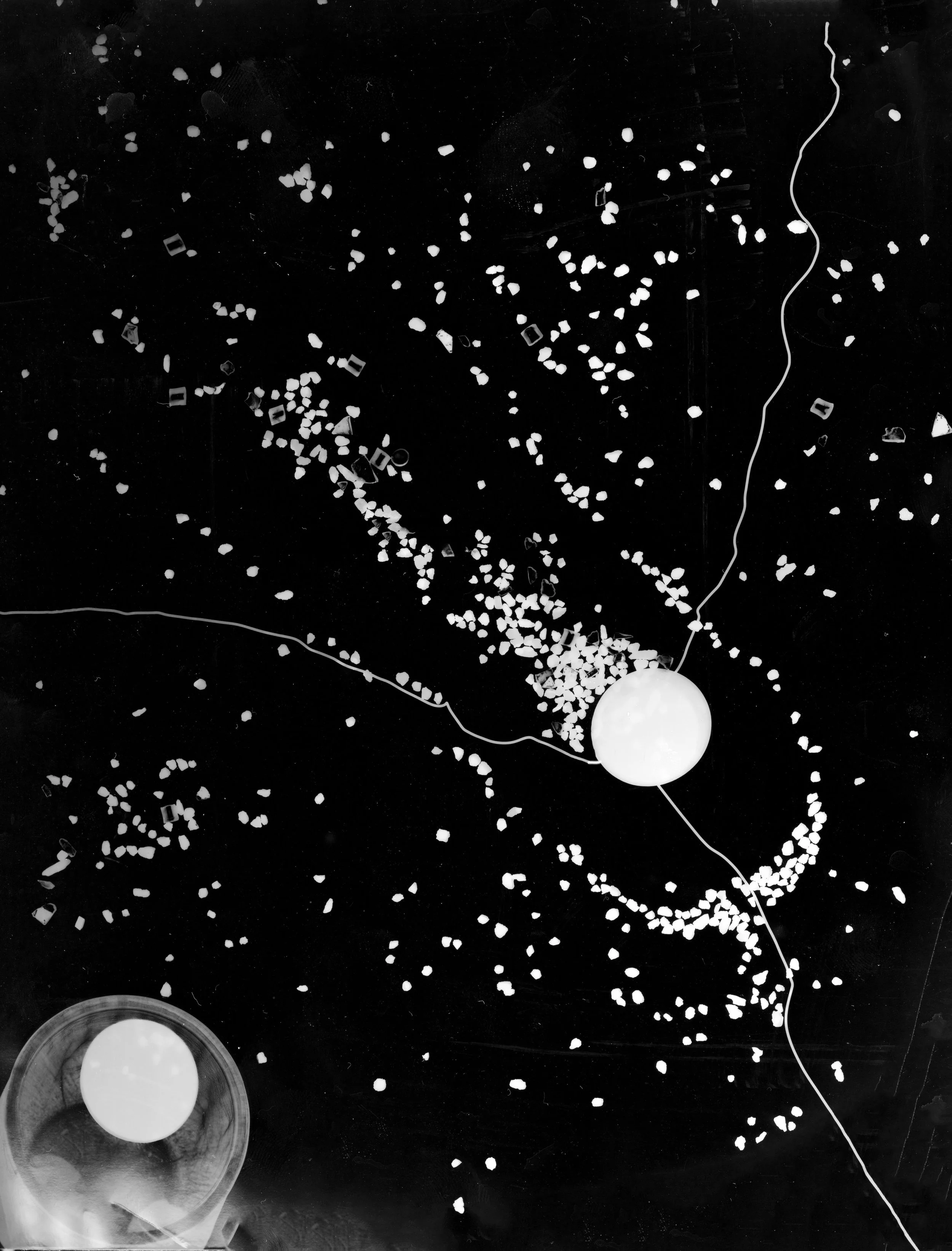
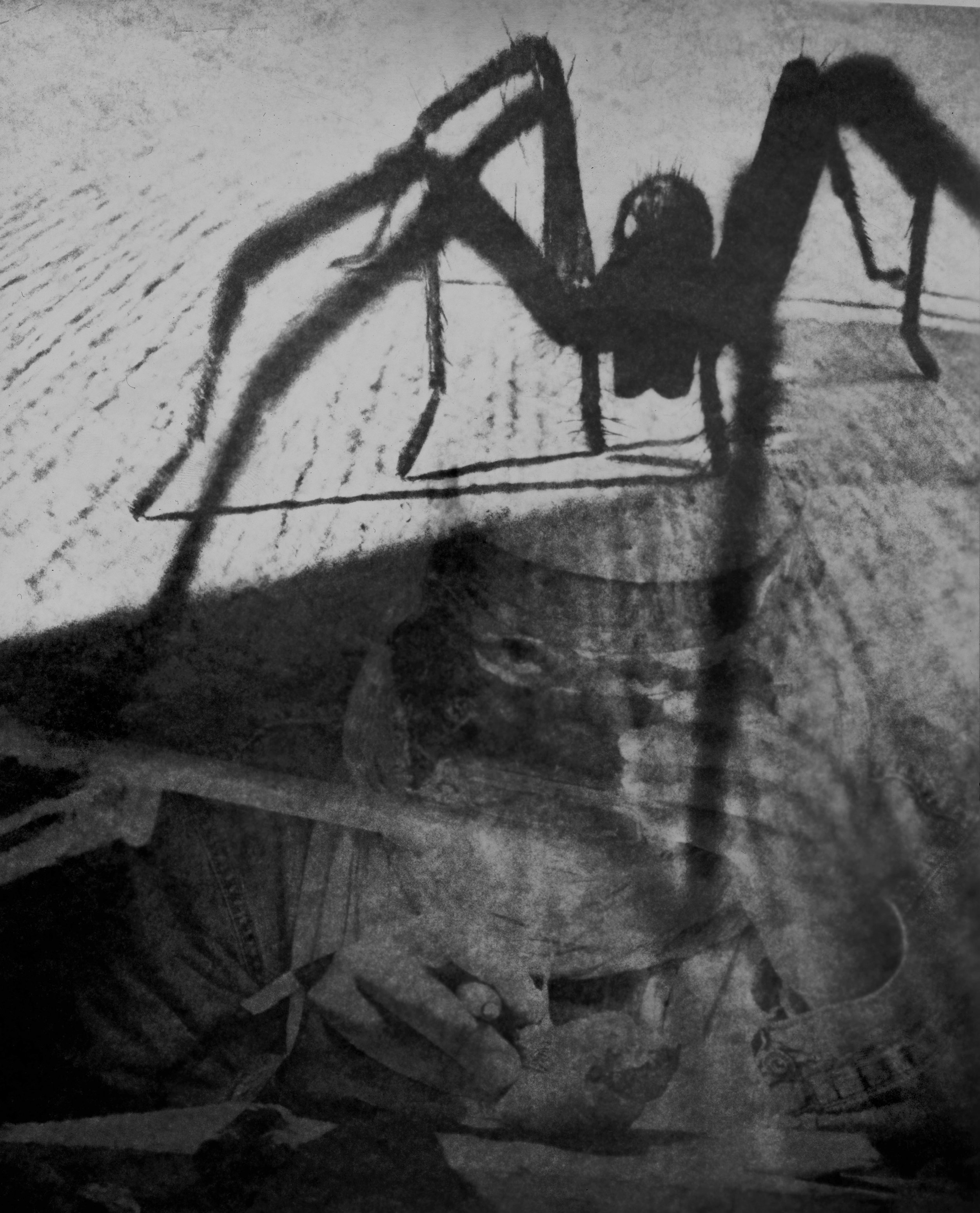
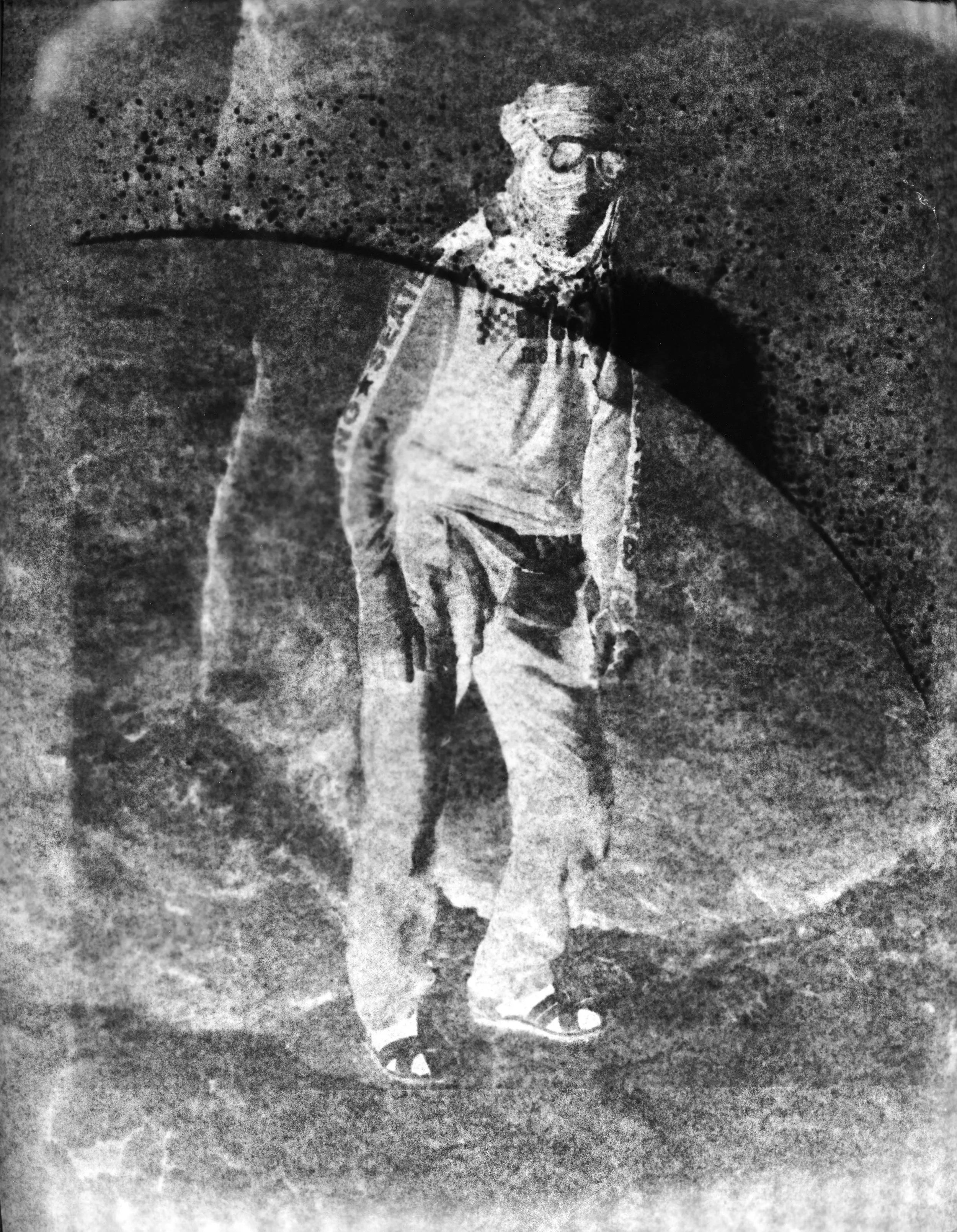
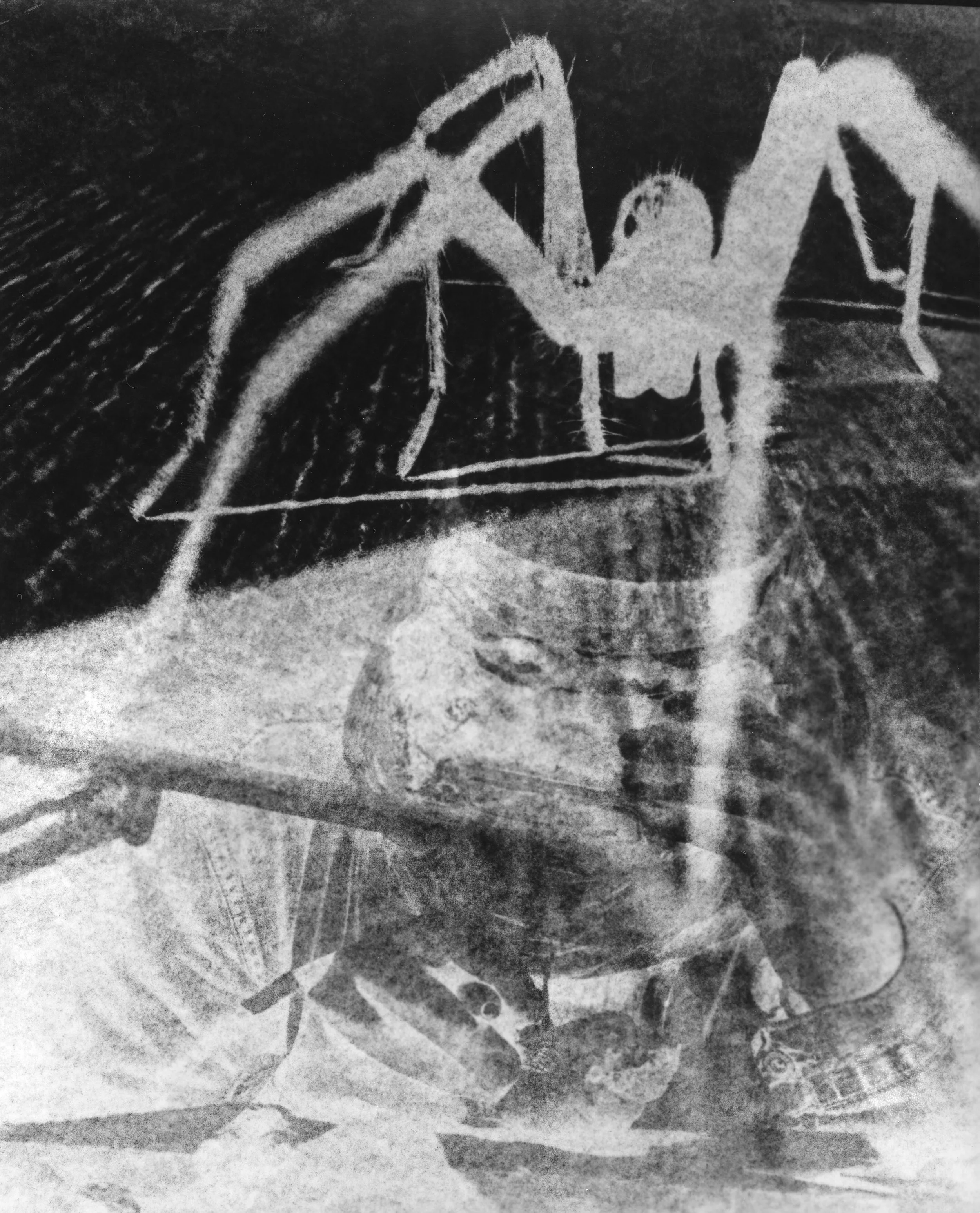
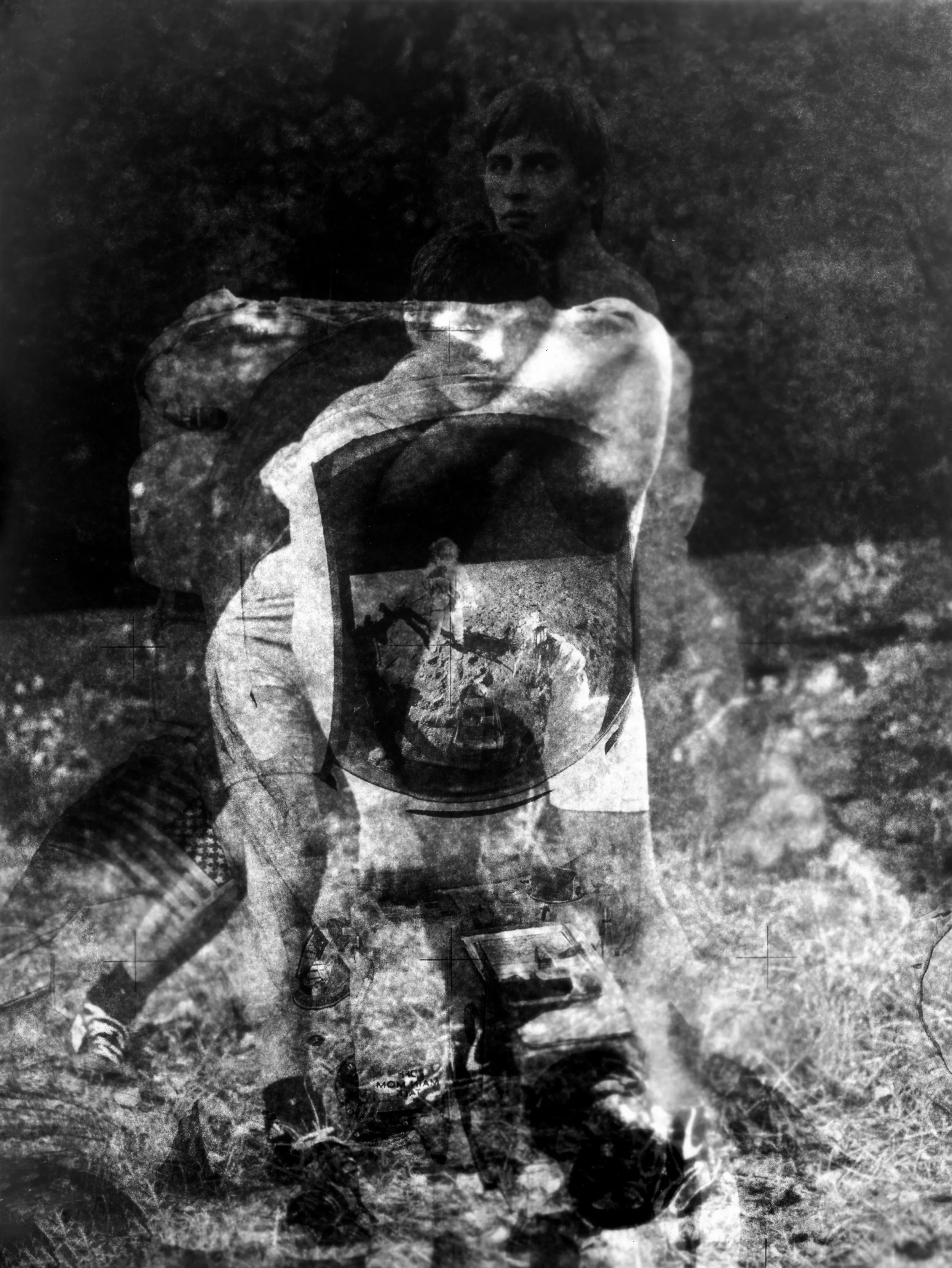
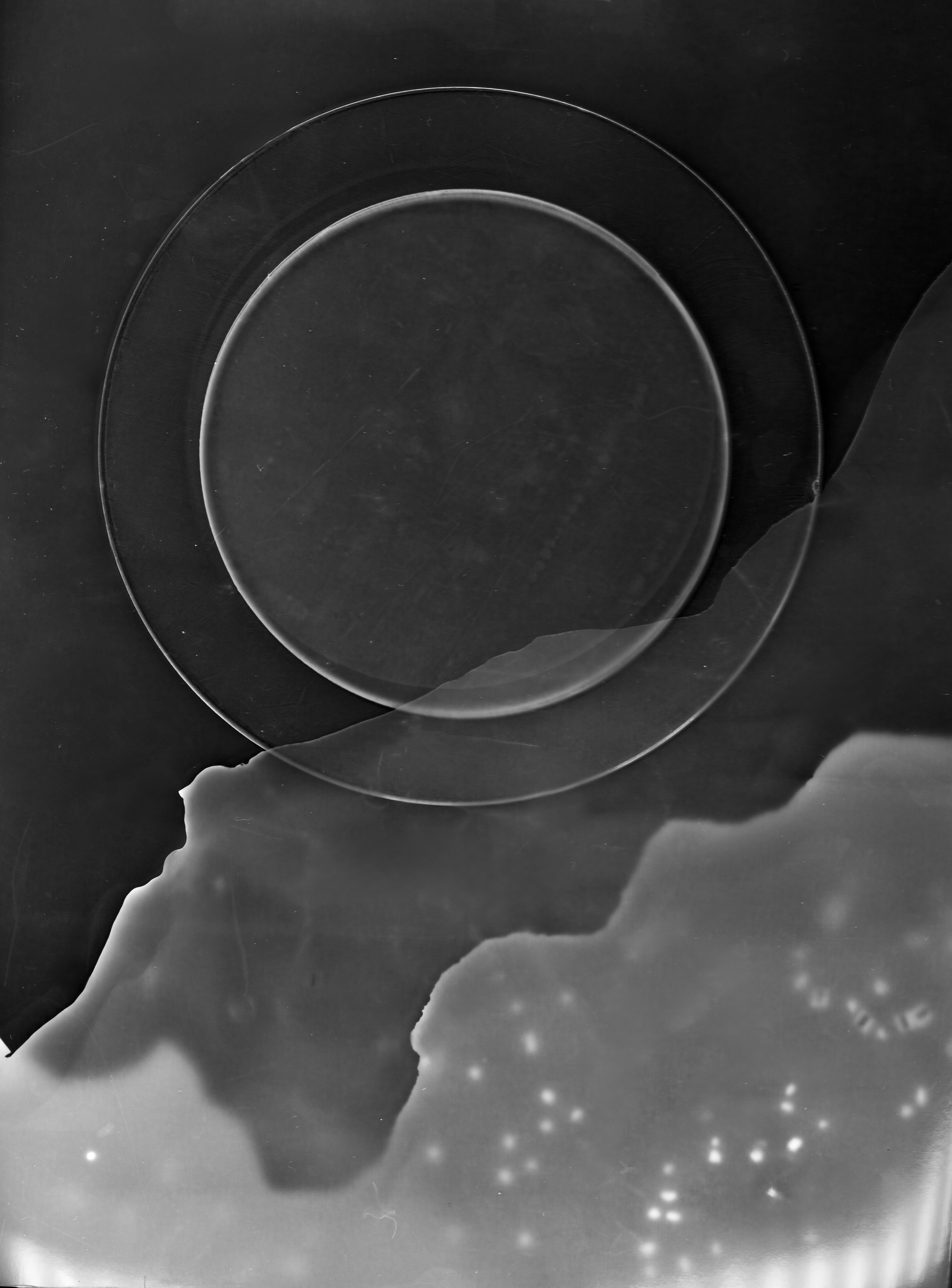
AJ
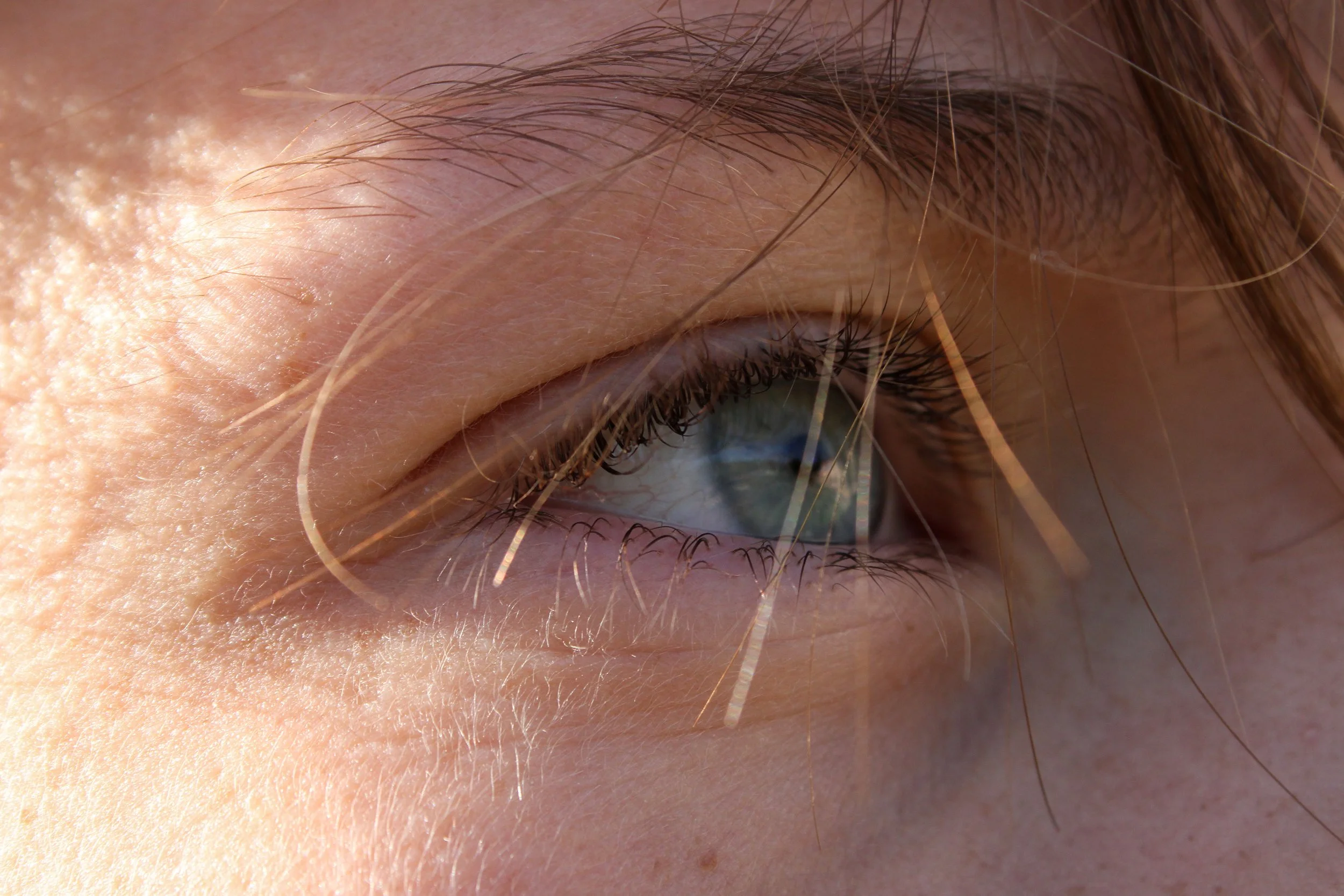
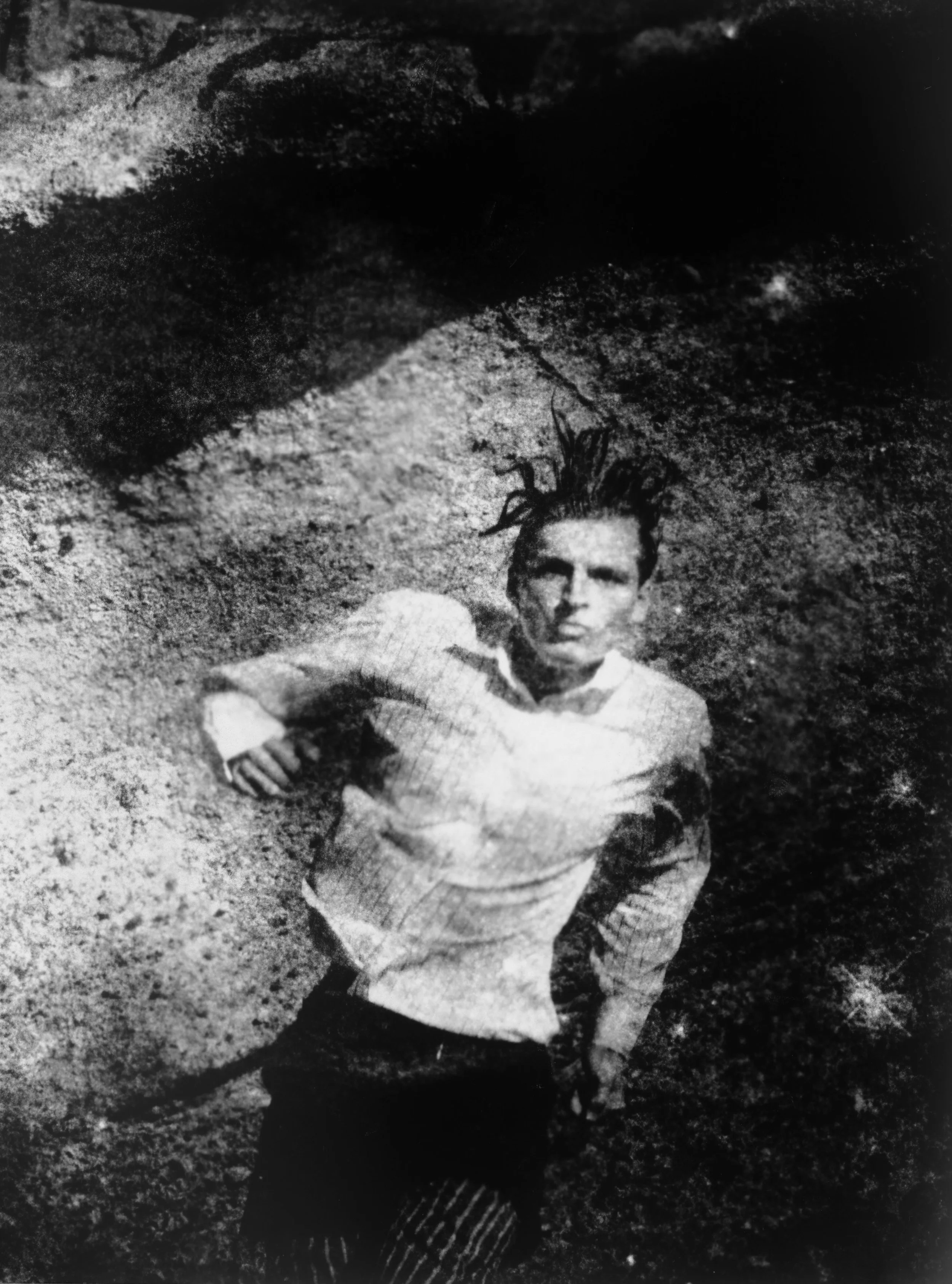
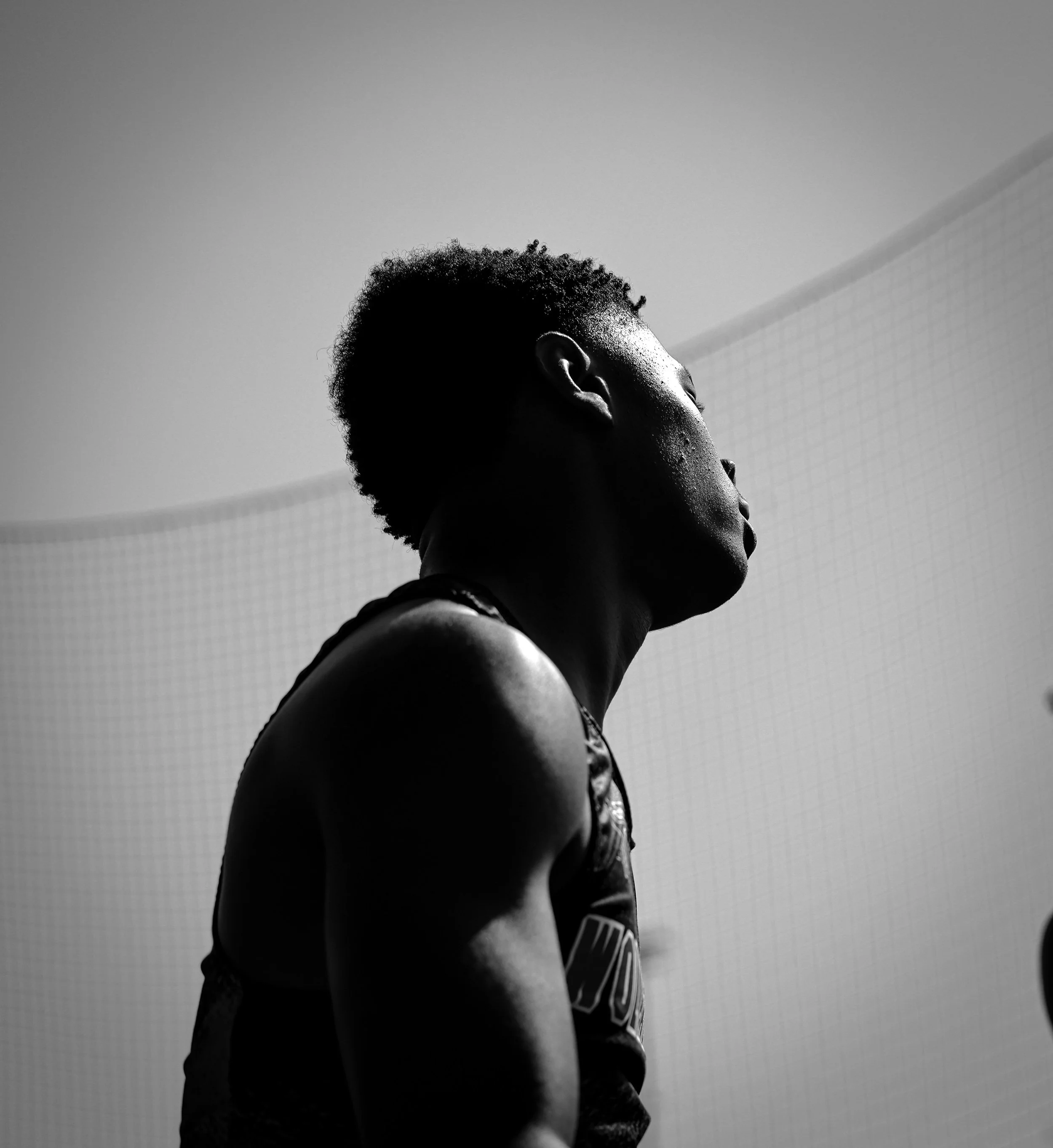
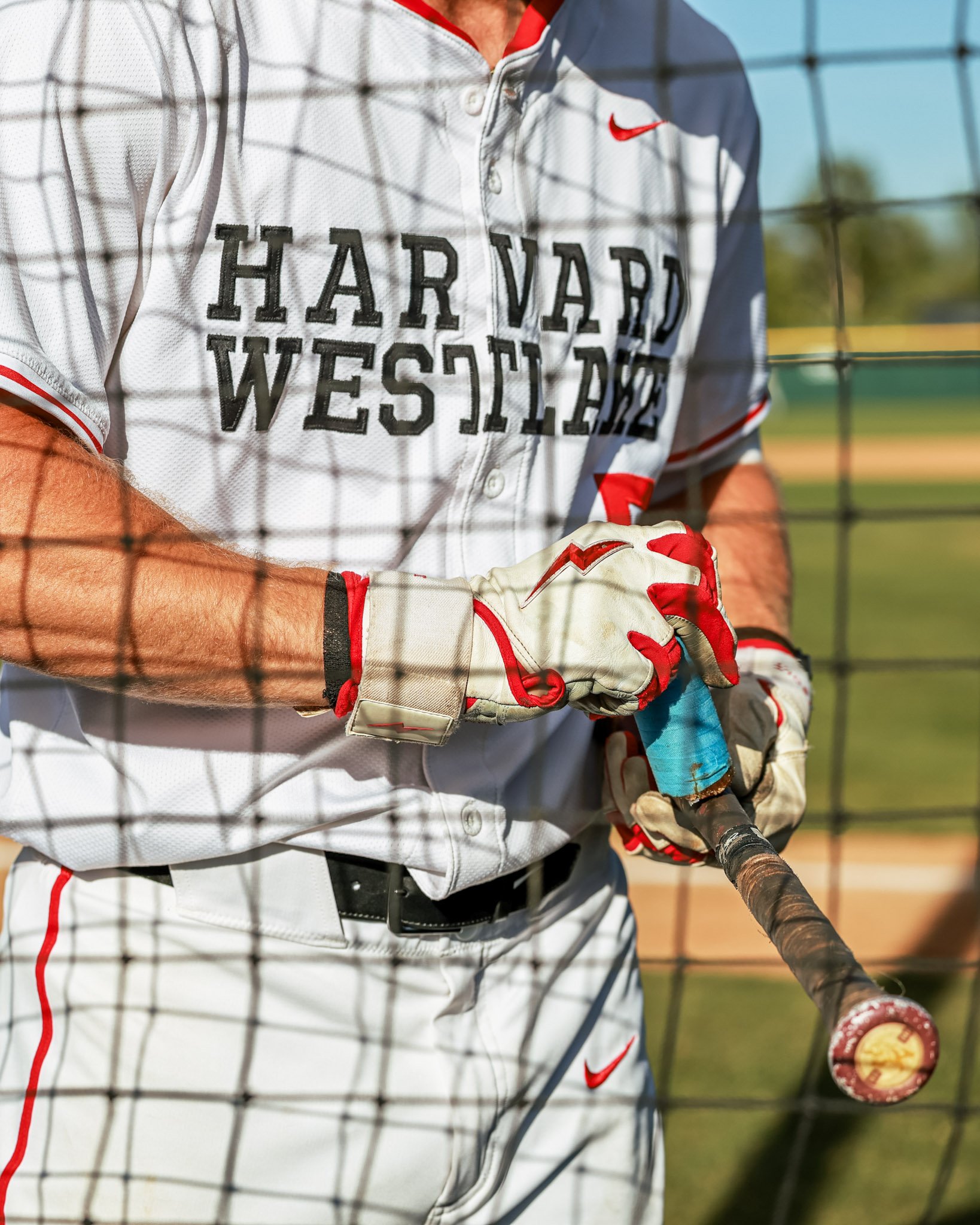
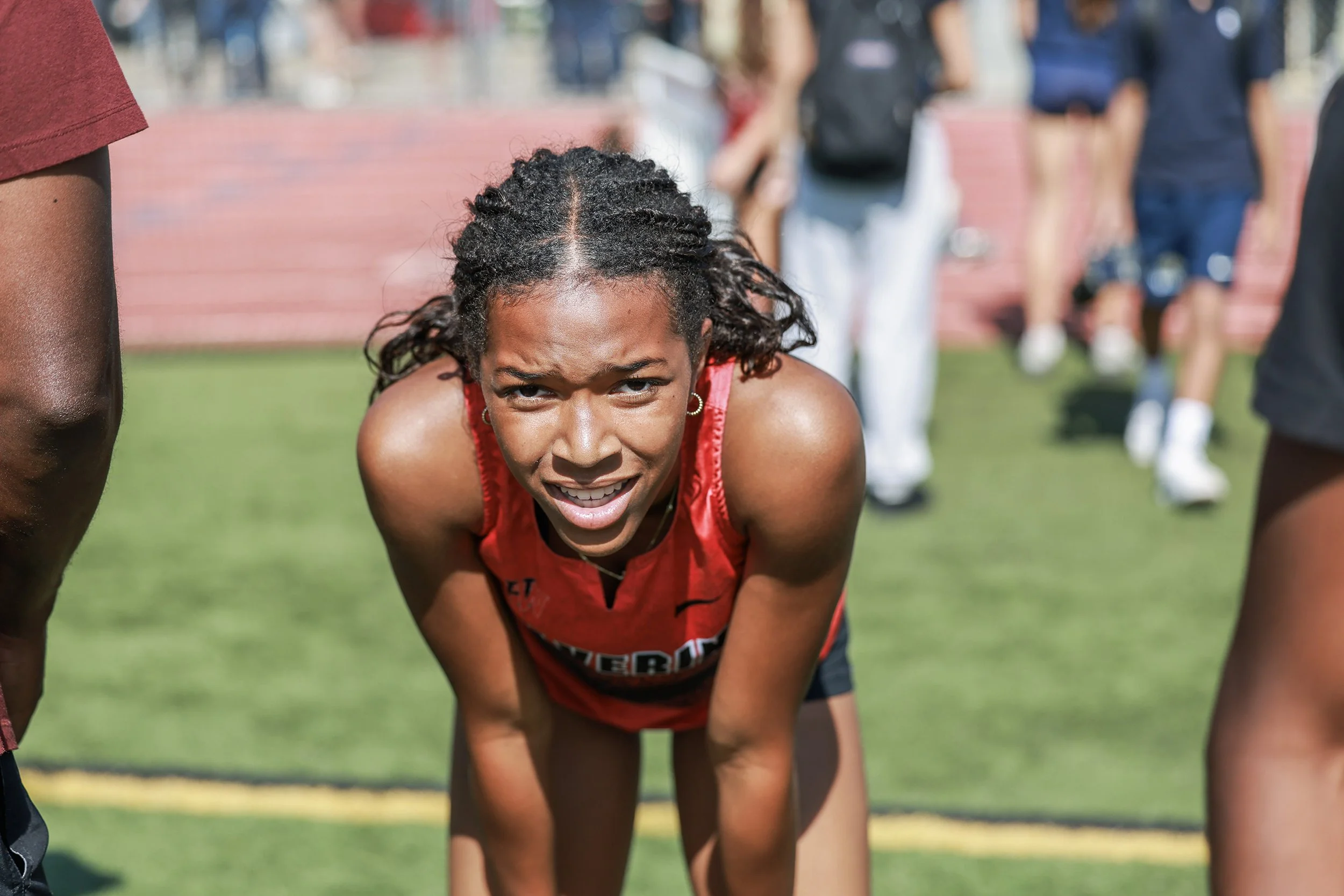
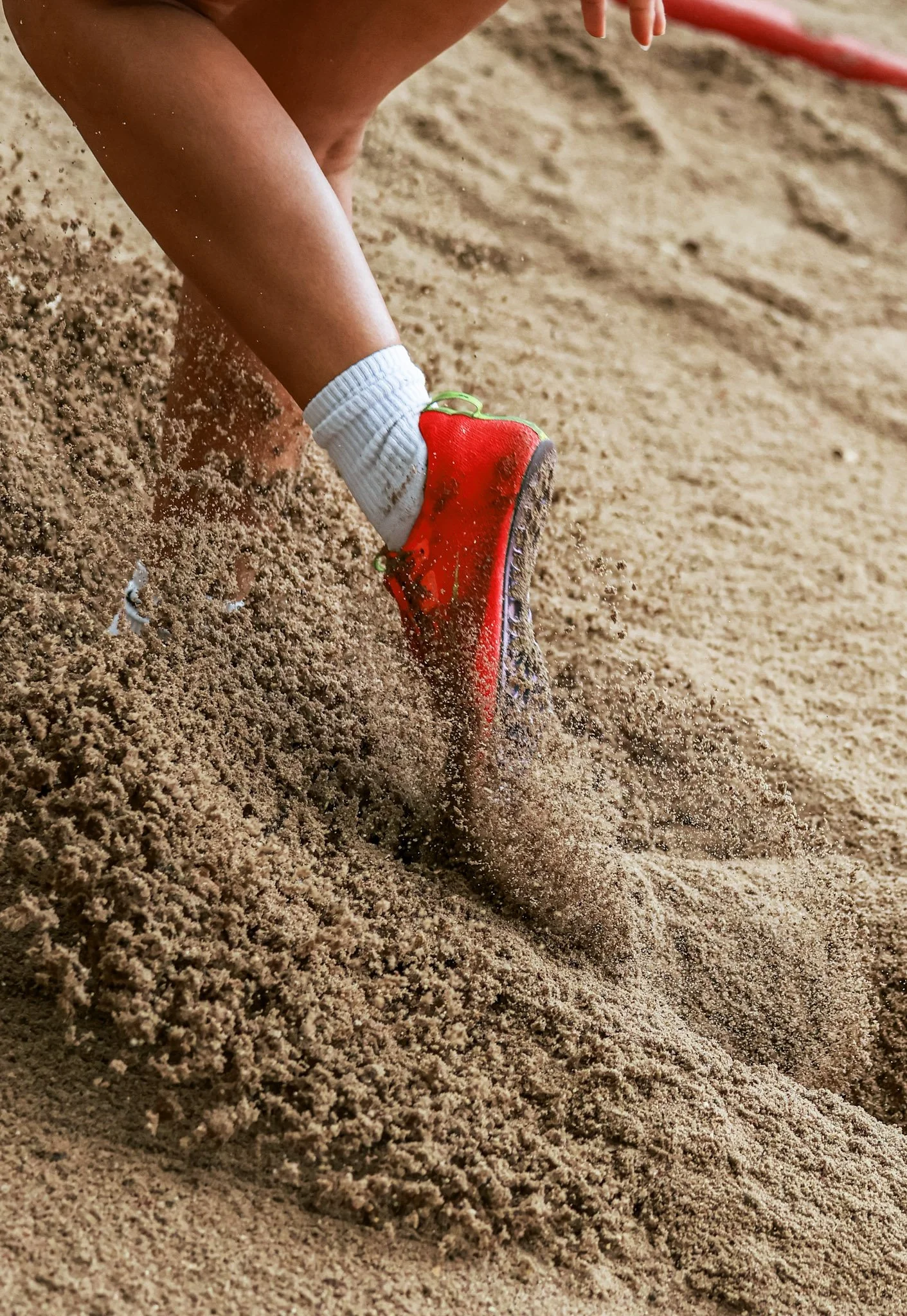
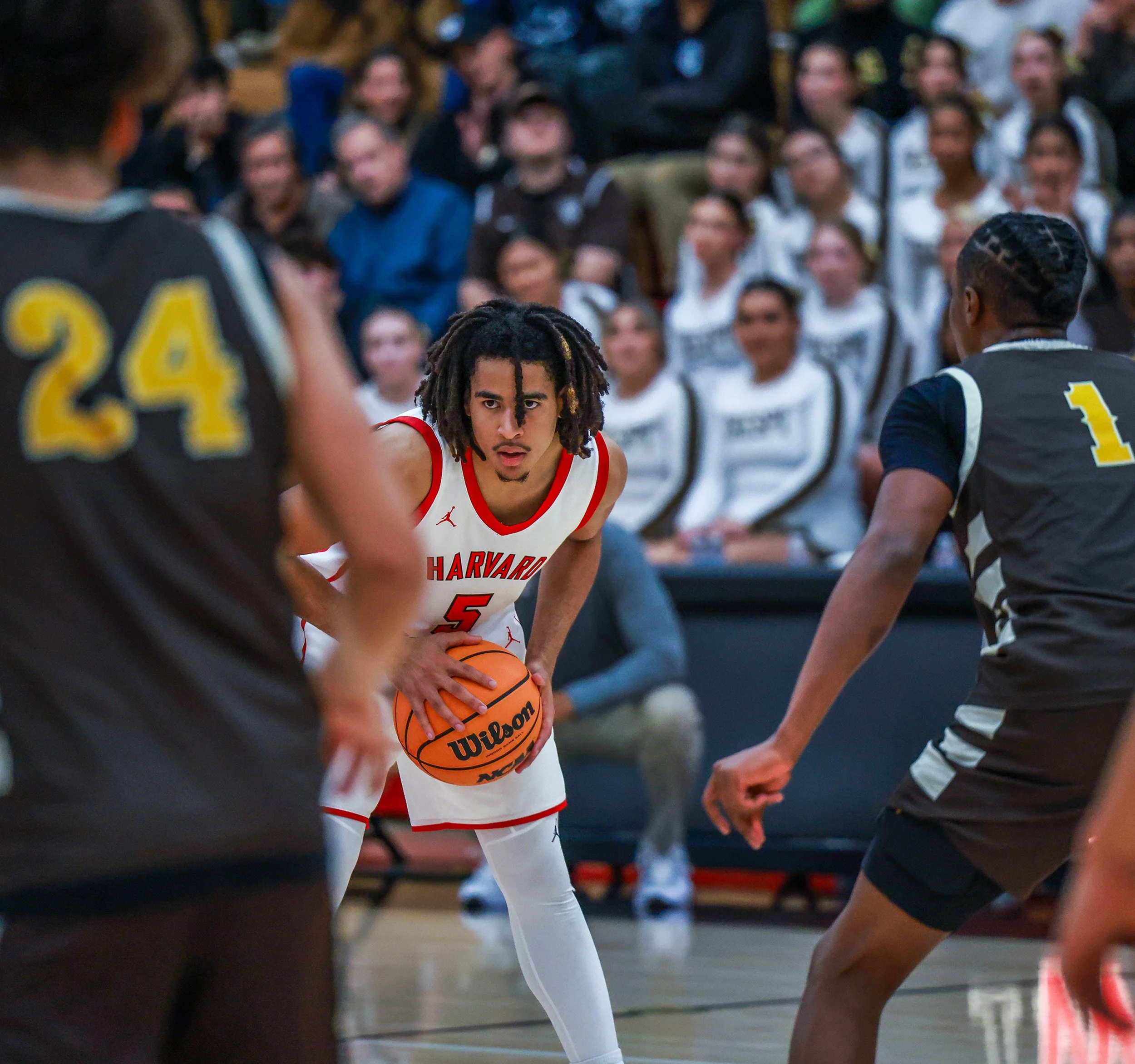
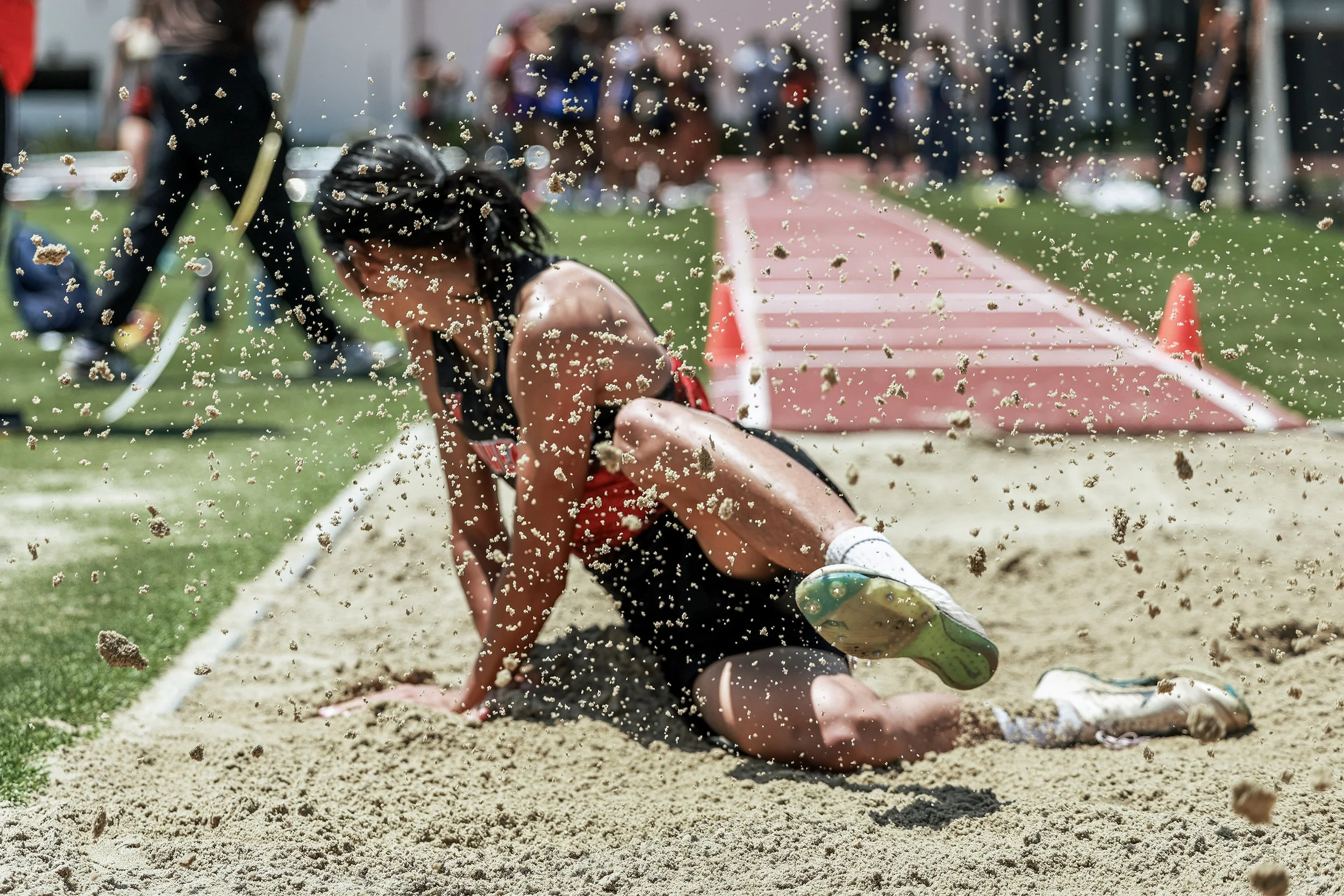
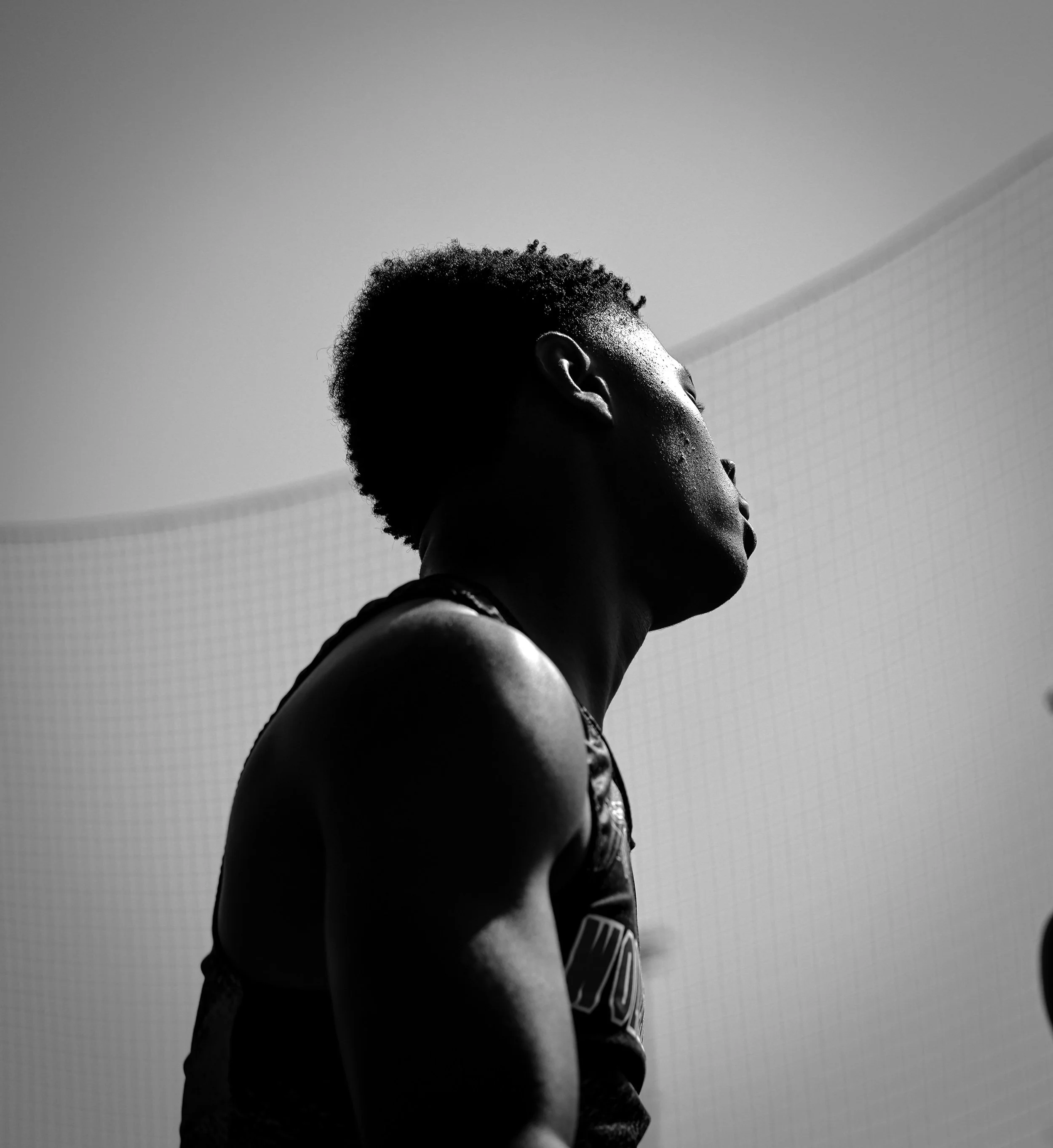
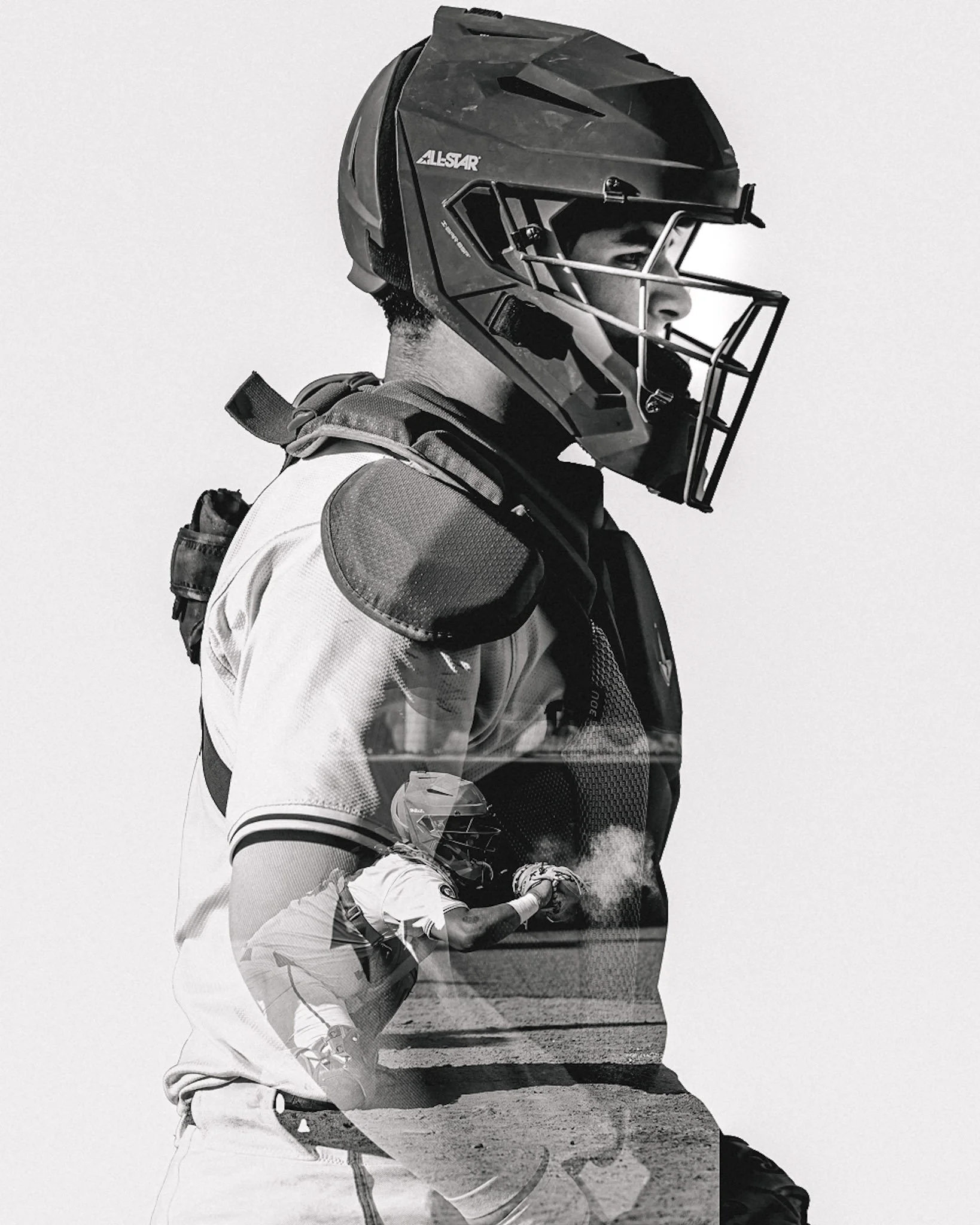
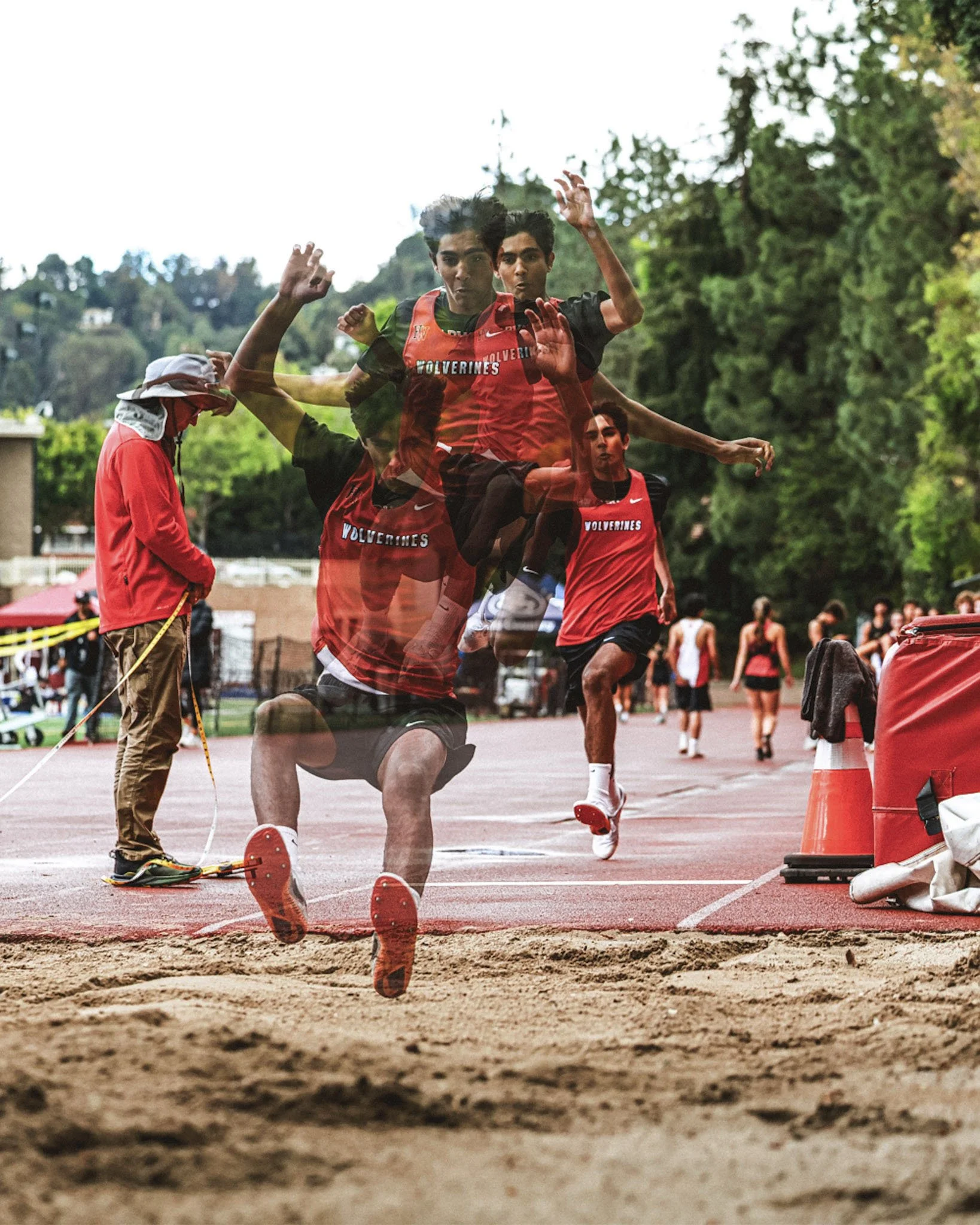
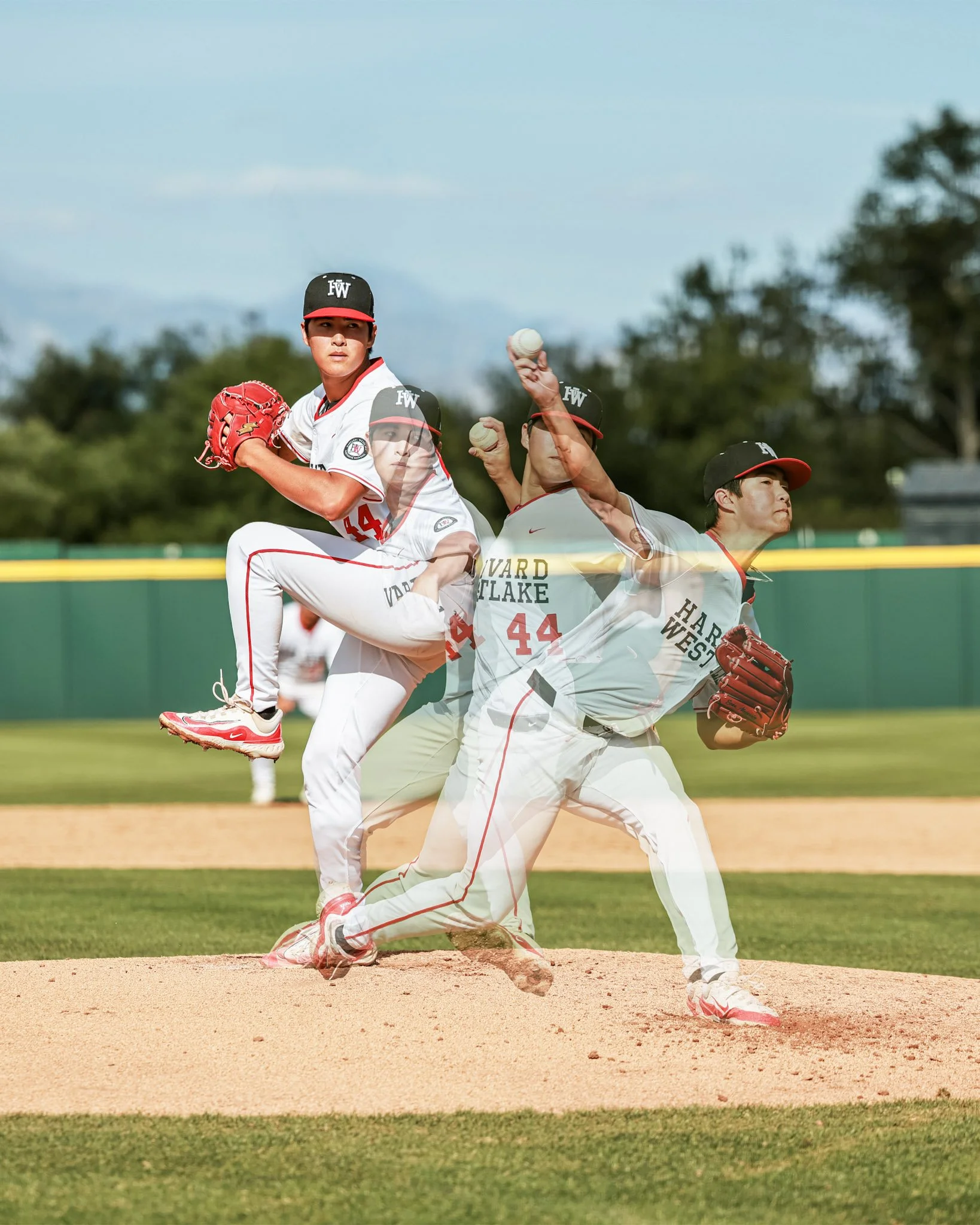
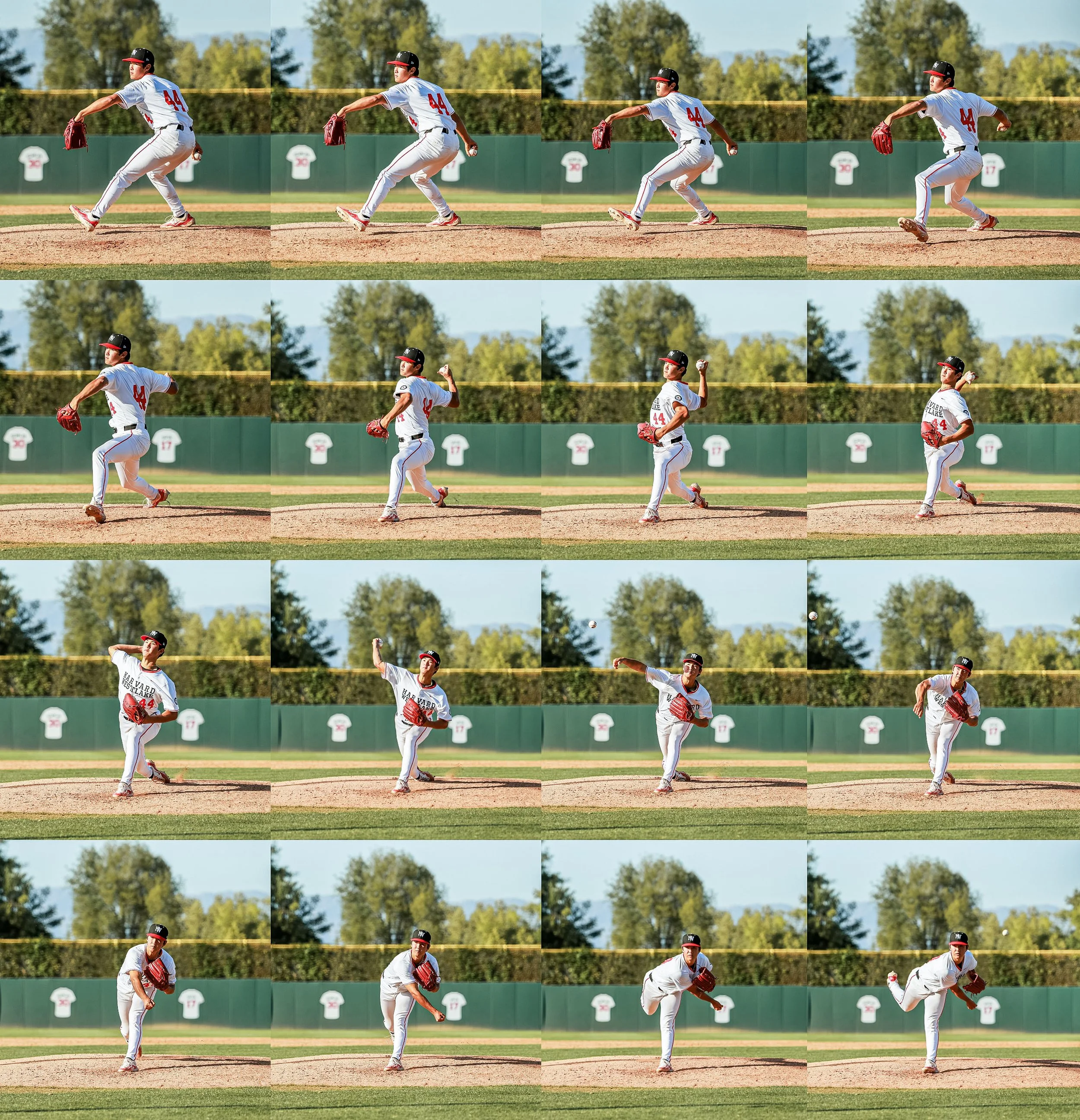
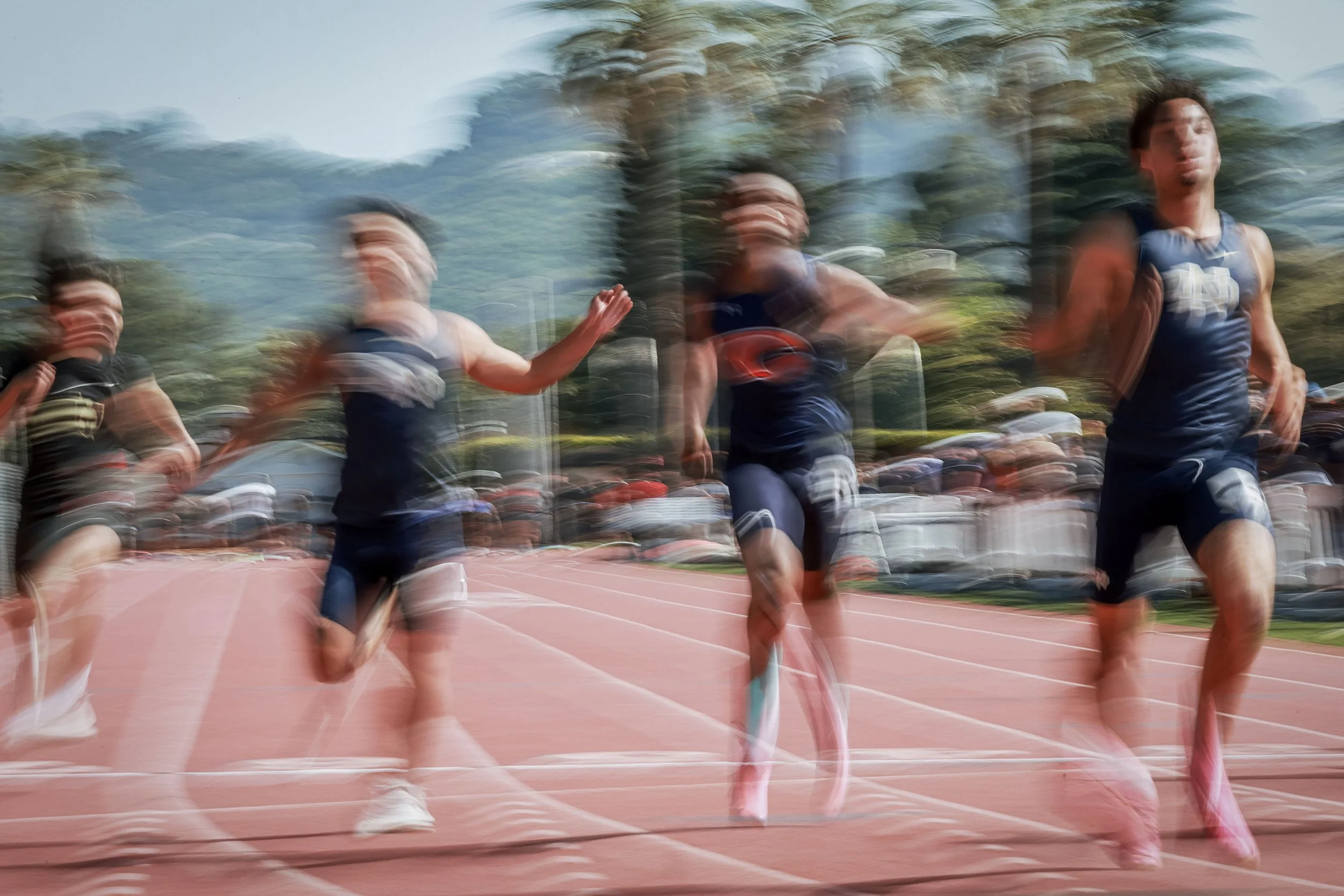
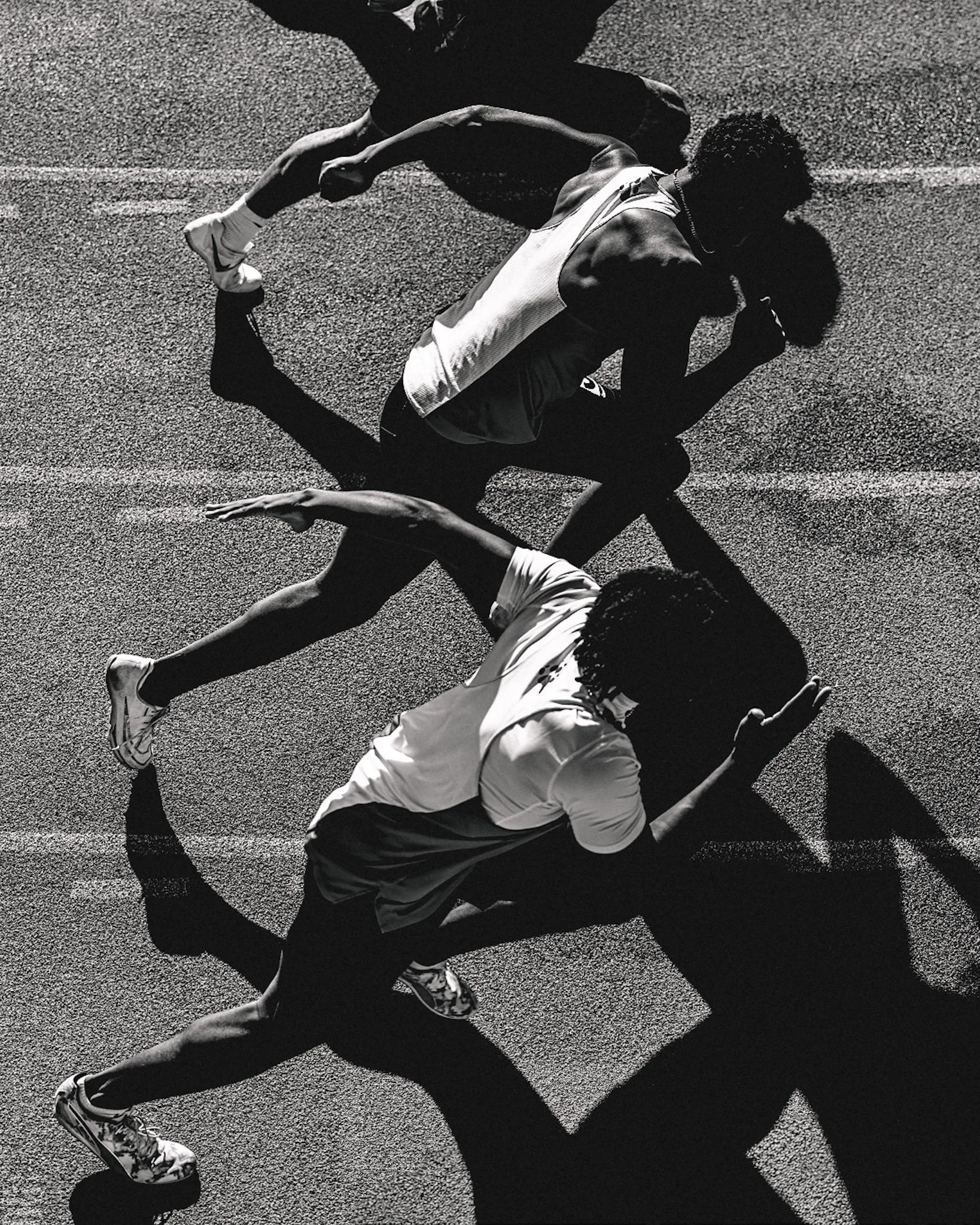
My final project is about sports photography, but not just the normal action shots people usually see. I wanted to focus on close-up photos of athletes to show their emotion, pressure, and determination in ways people might miss during a game. By getting closer to my subjects, I was able to capture facial expressions and small details that show what sports really feel like.
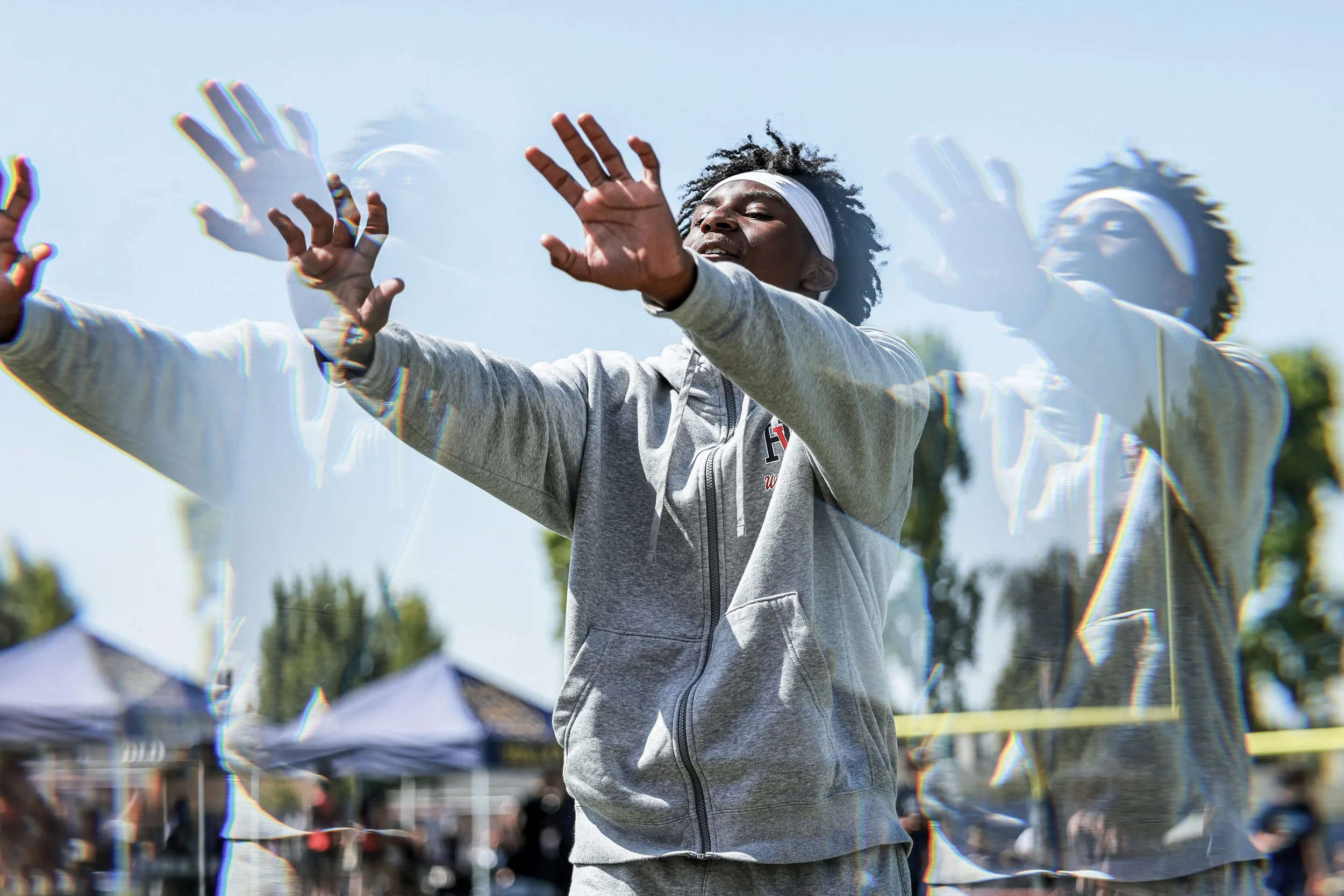
I also used double exposure to make my photos more creative and meaningful. This helped me combine action with emotion to show both the physical and mental side of sports. Through this project, I wanted to show that sports are about more than just winning or losing. They are also about passion, hard work, and the personal moments that often go unseen.

Honore
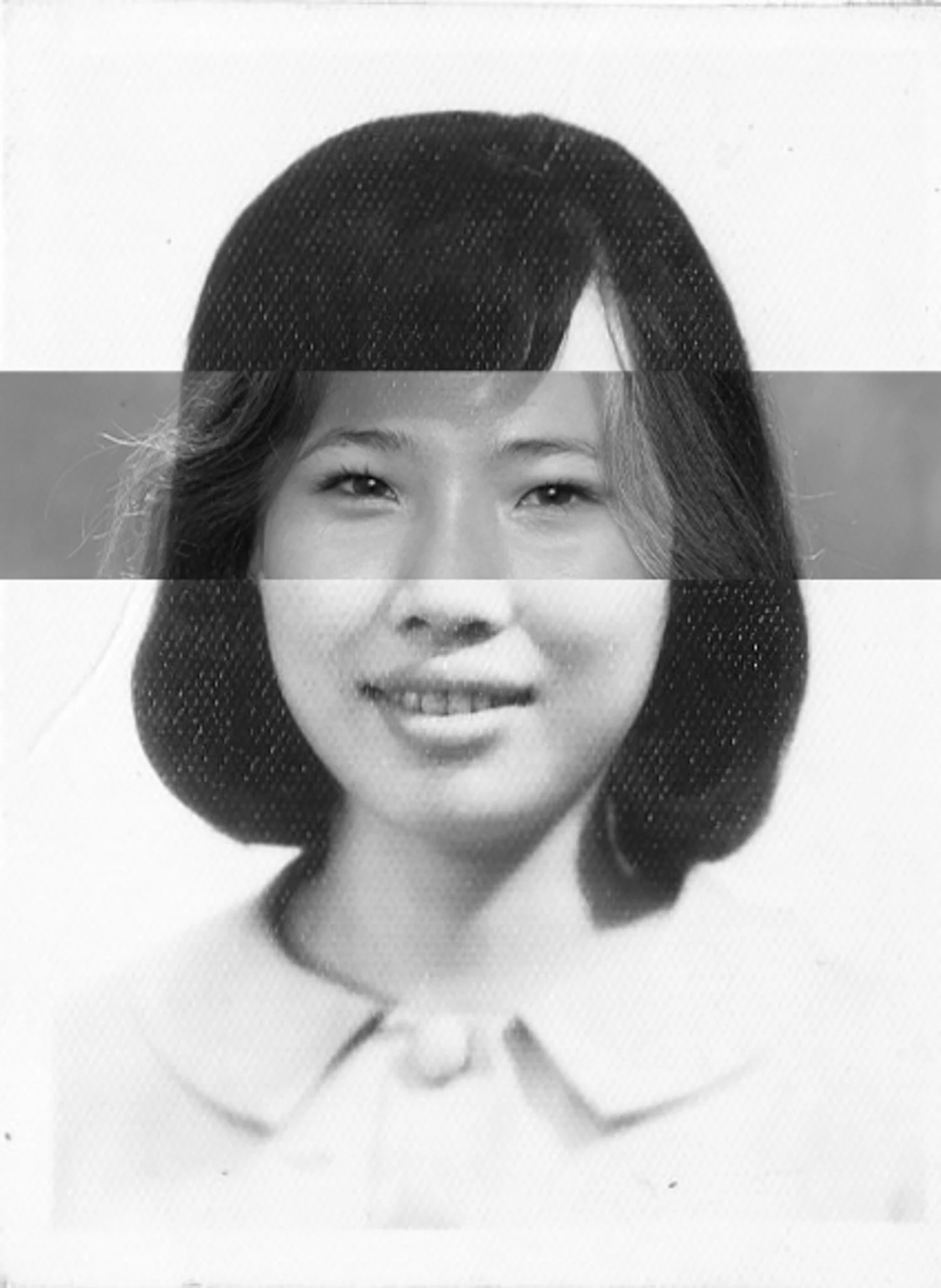
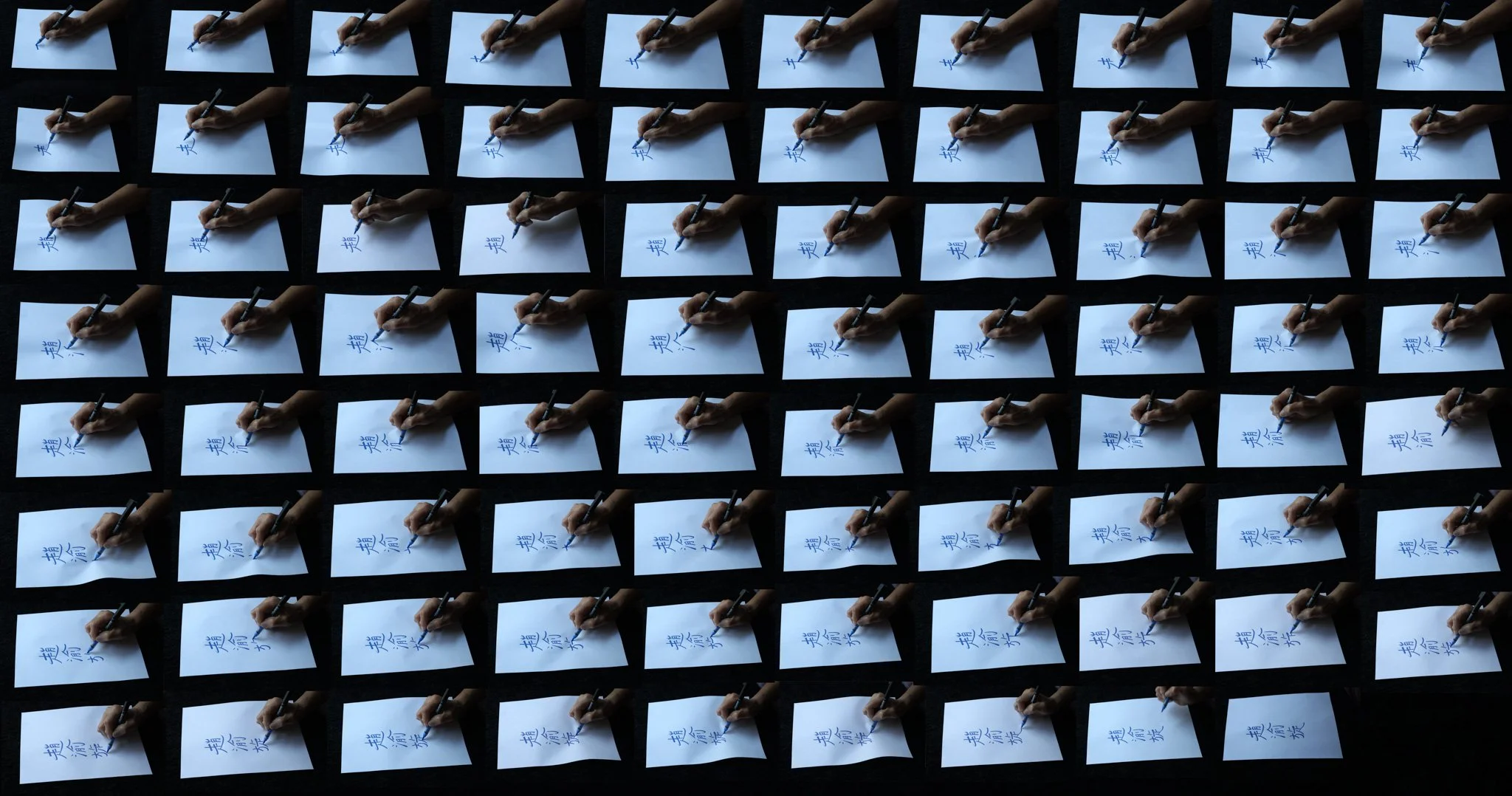
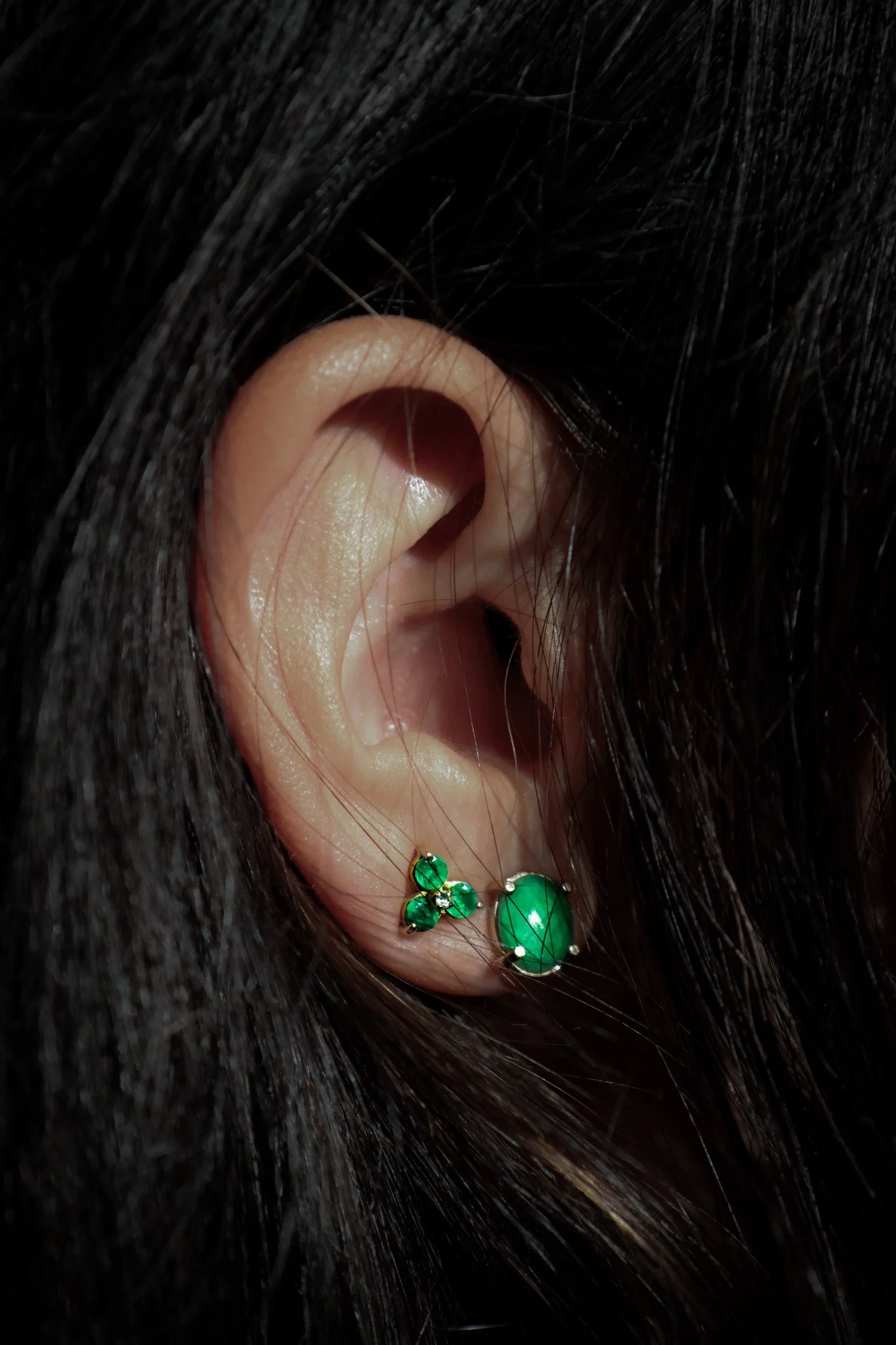
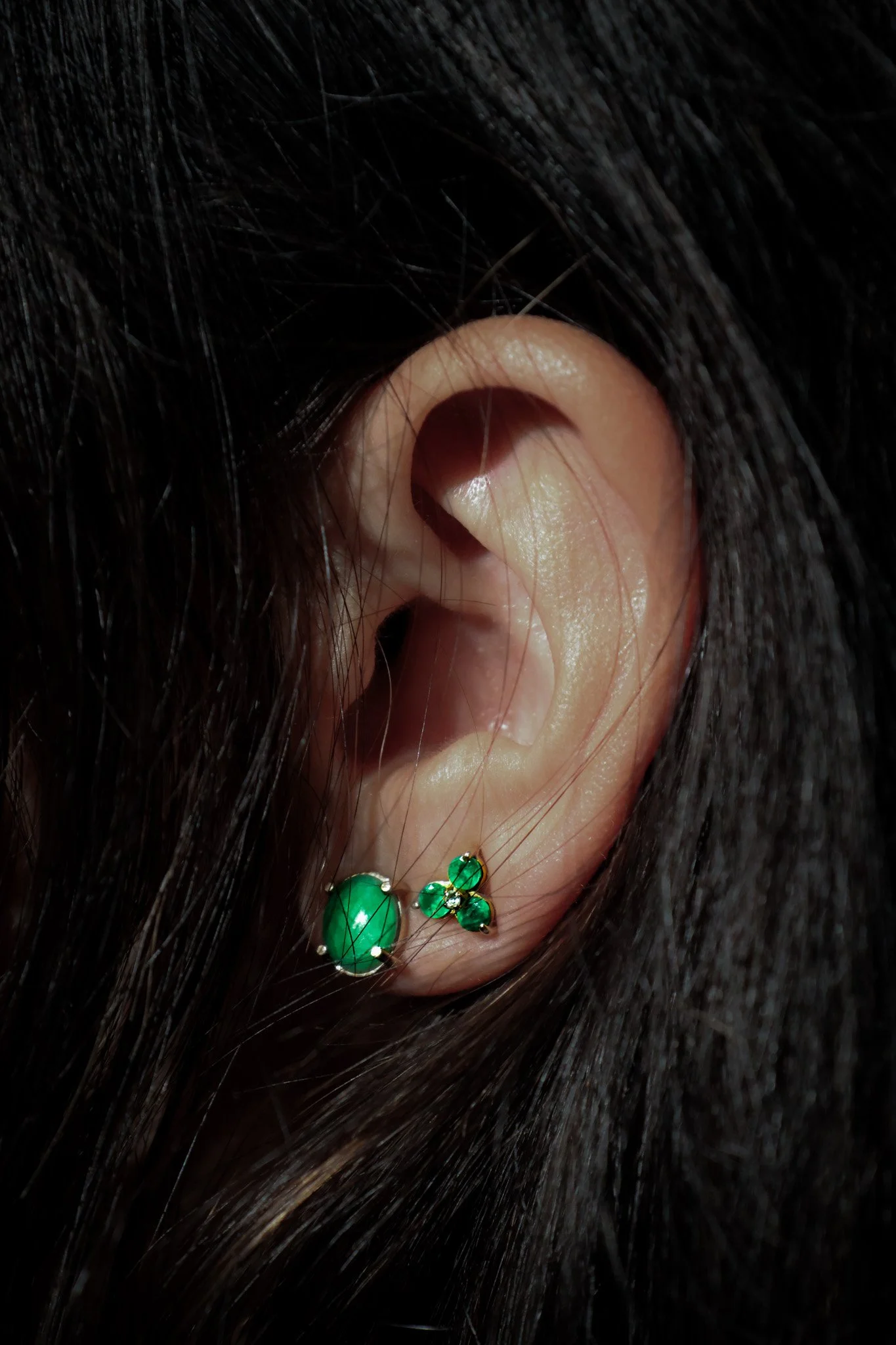
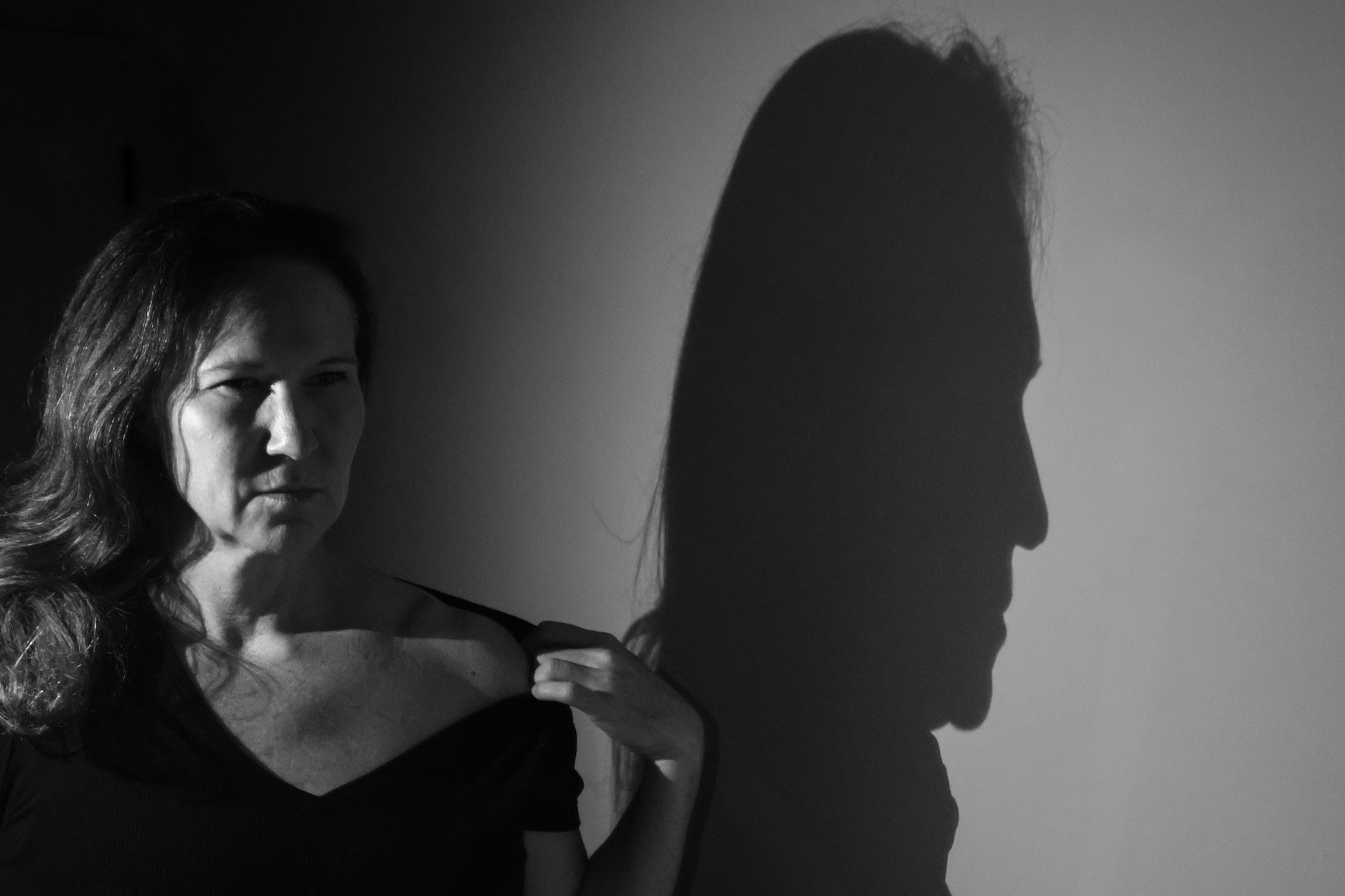
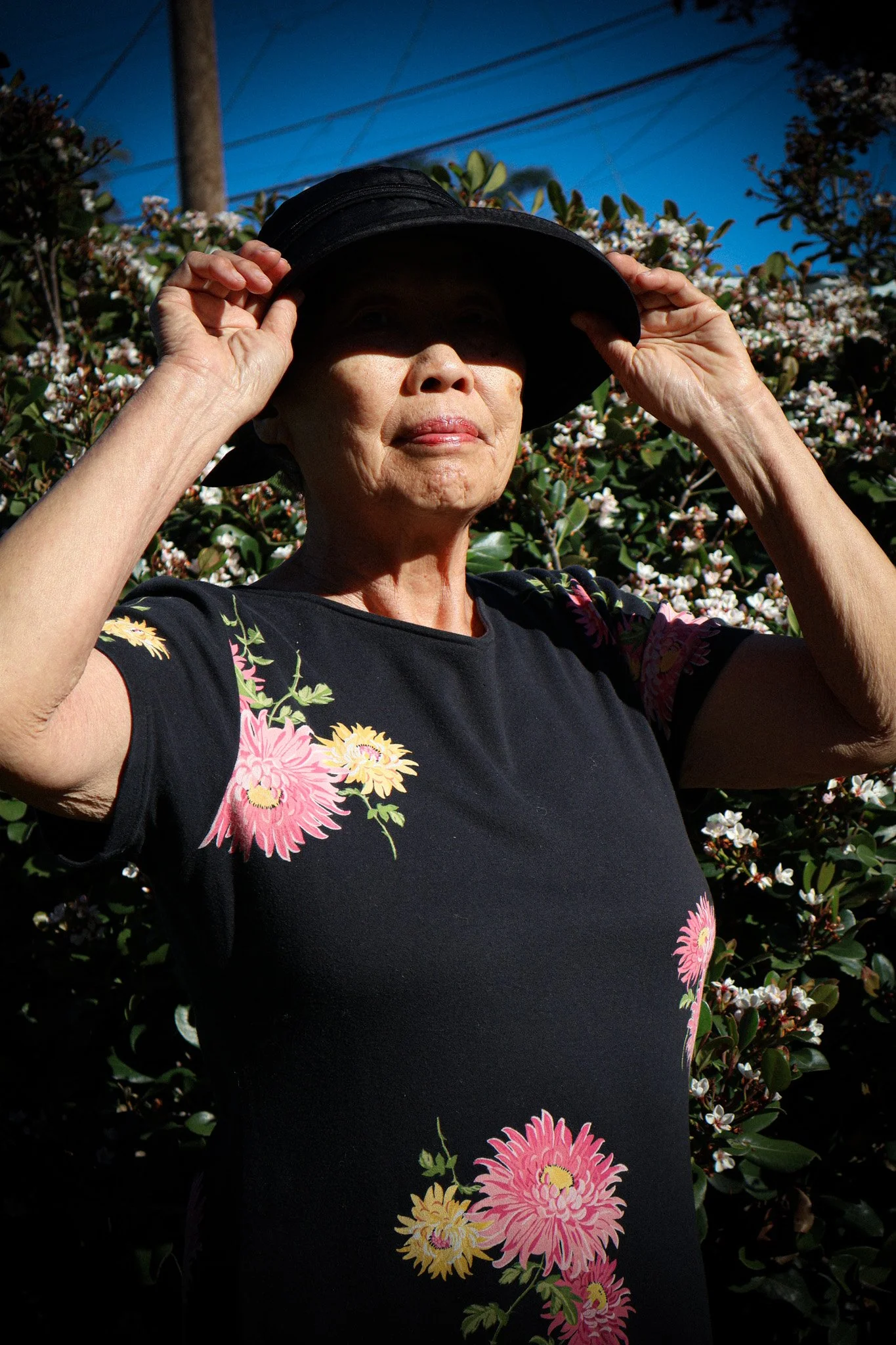
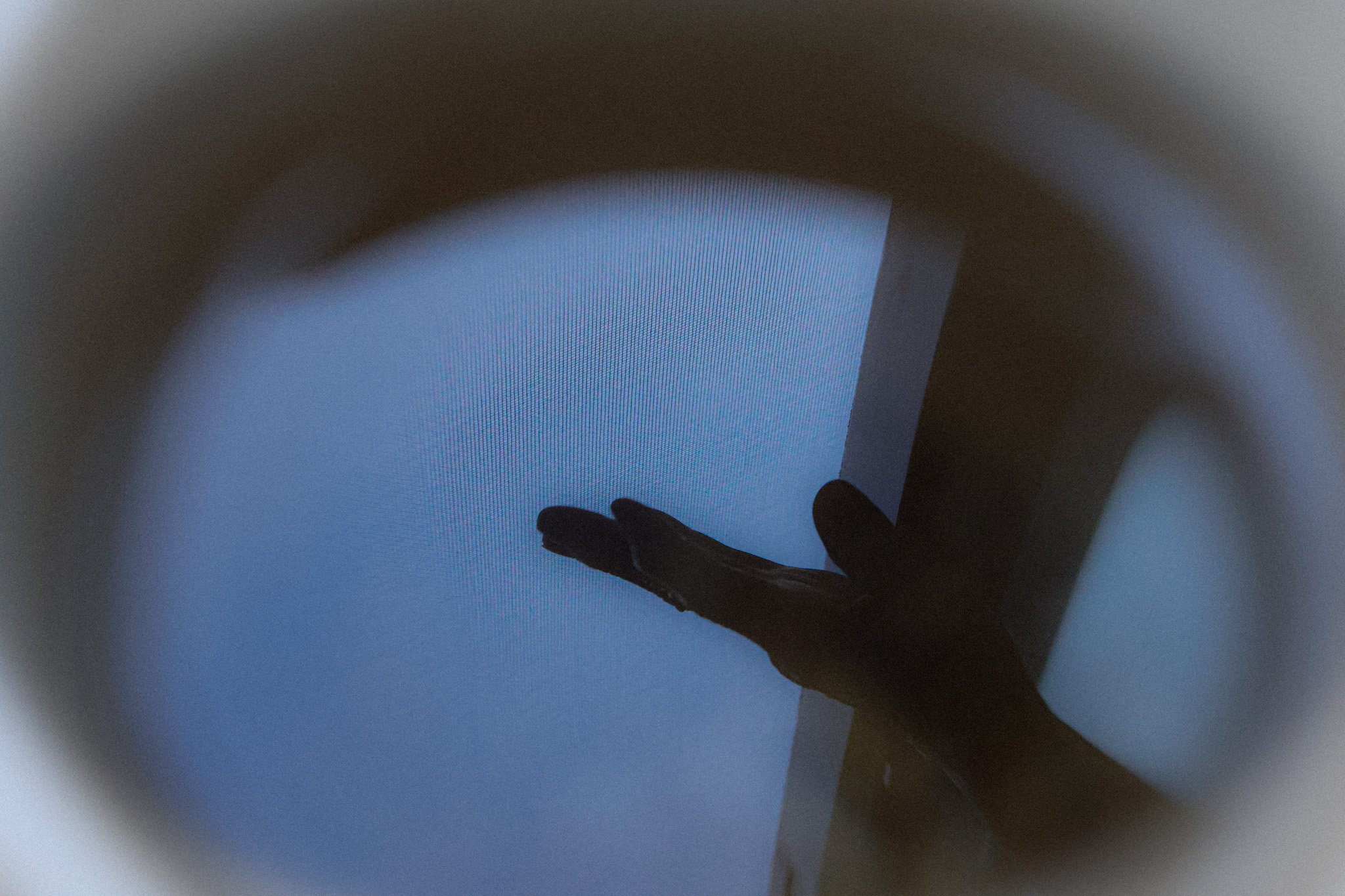
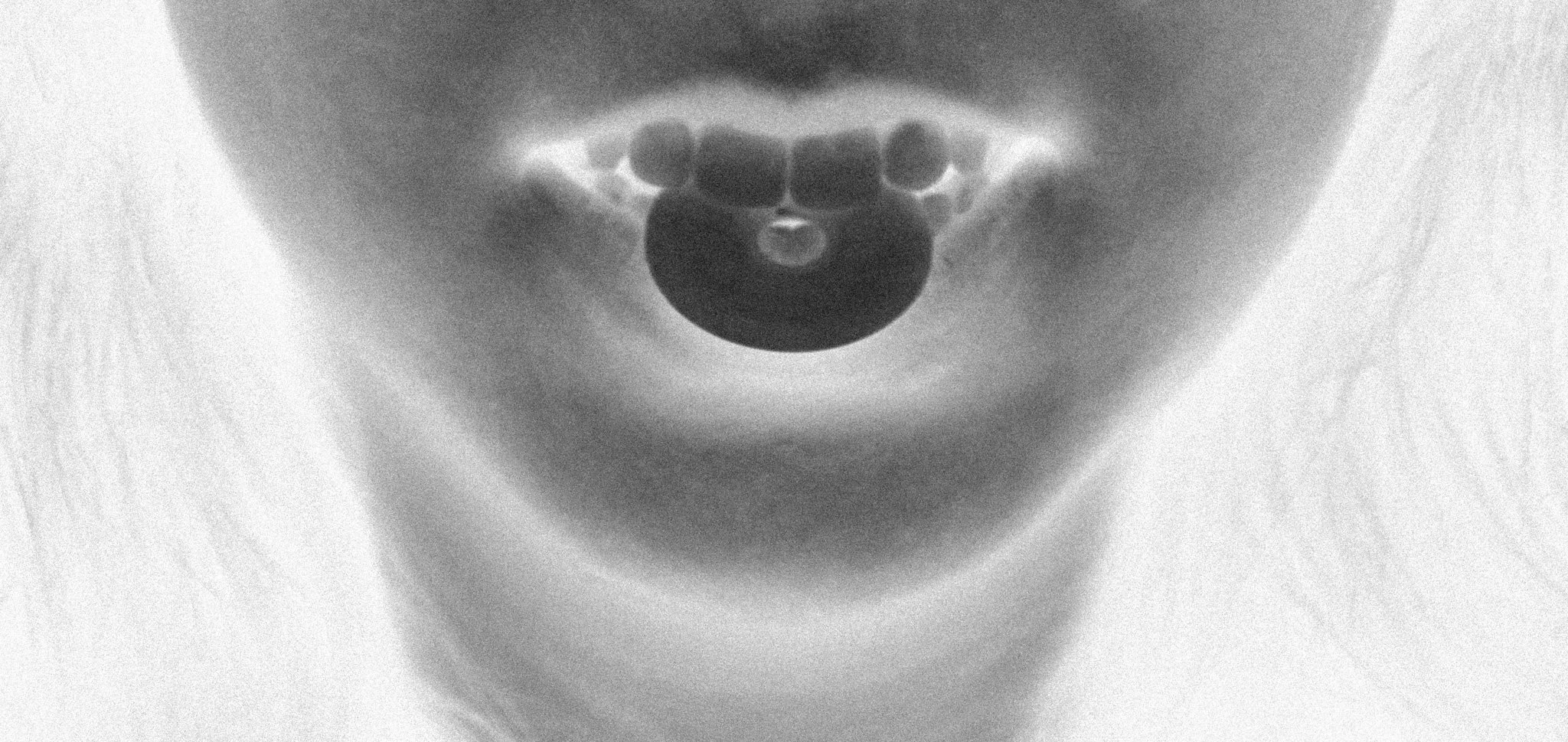
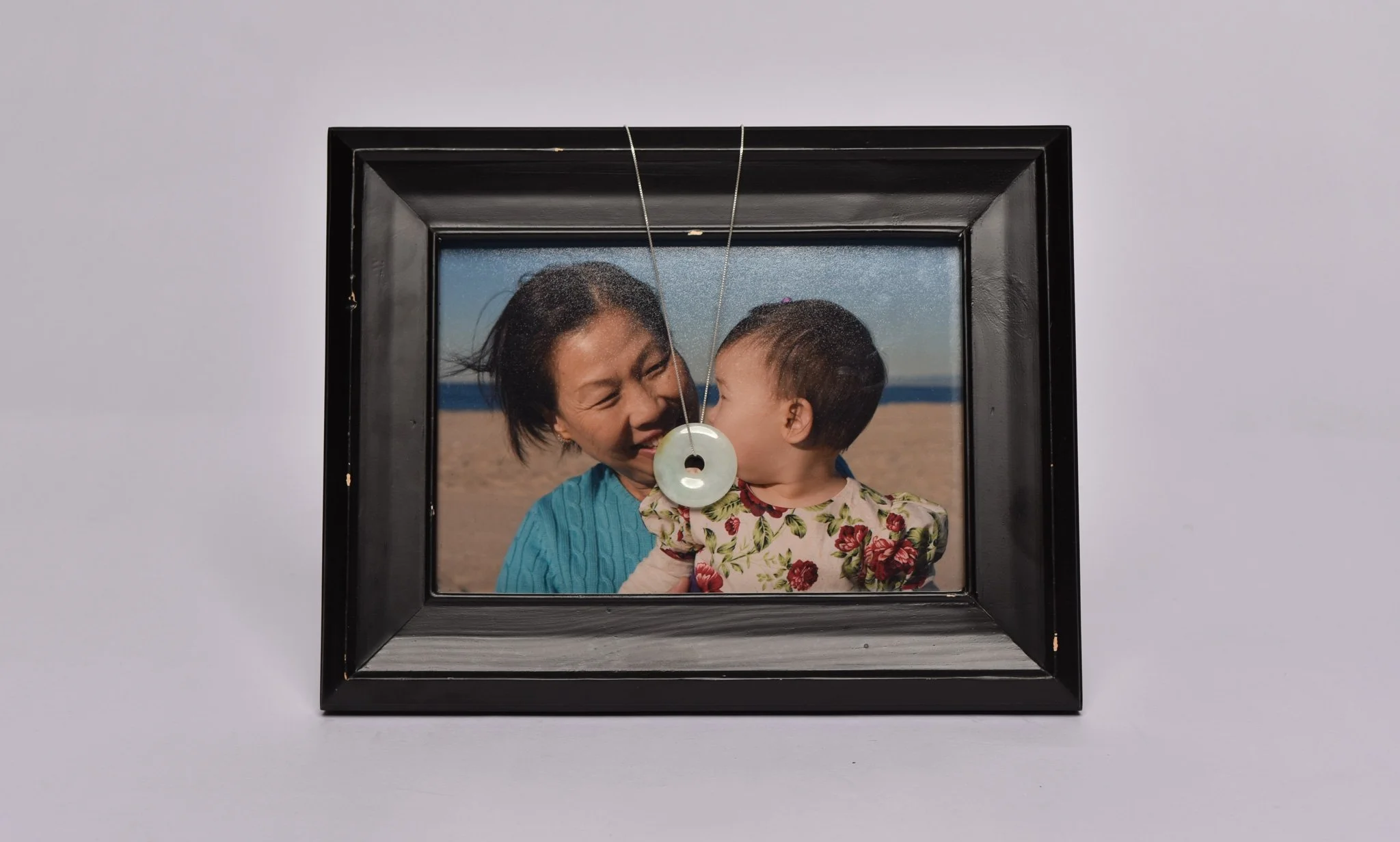
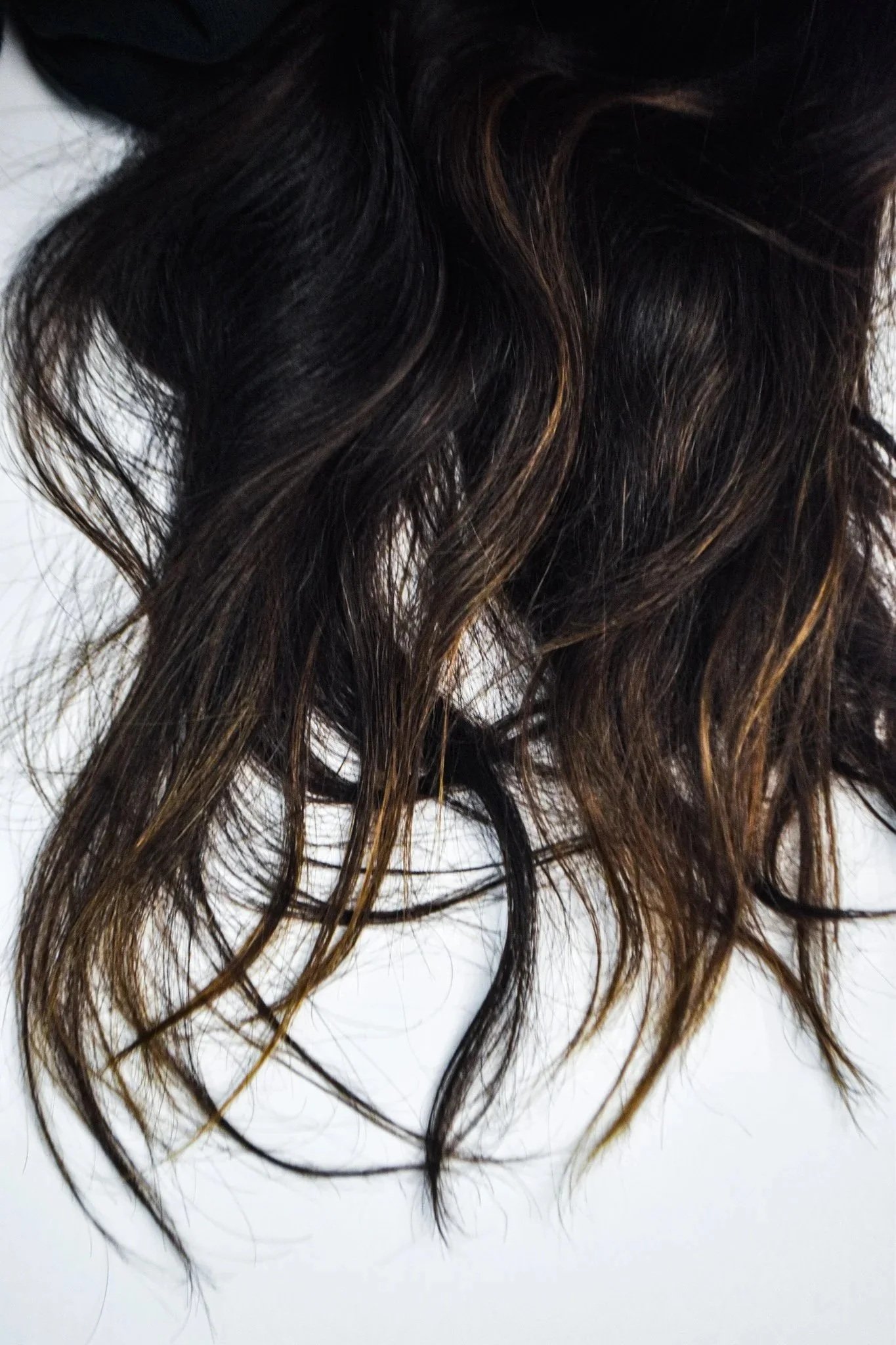
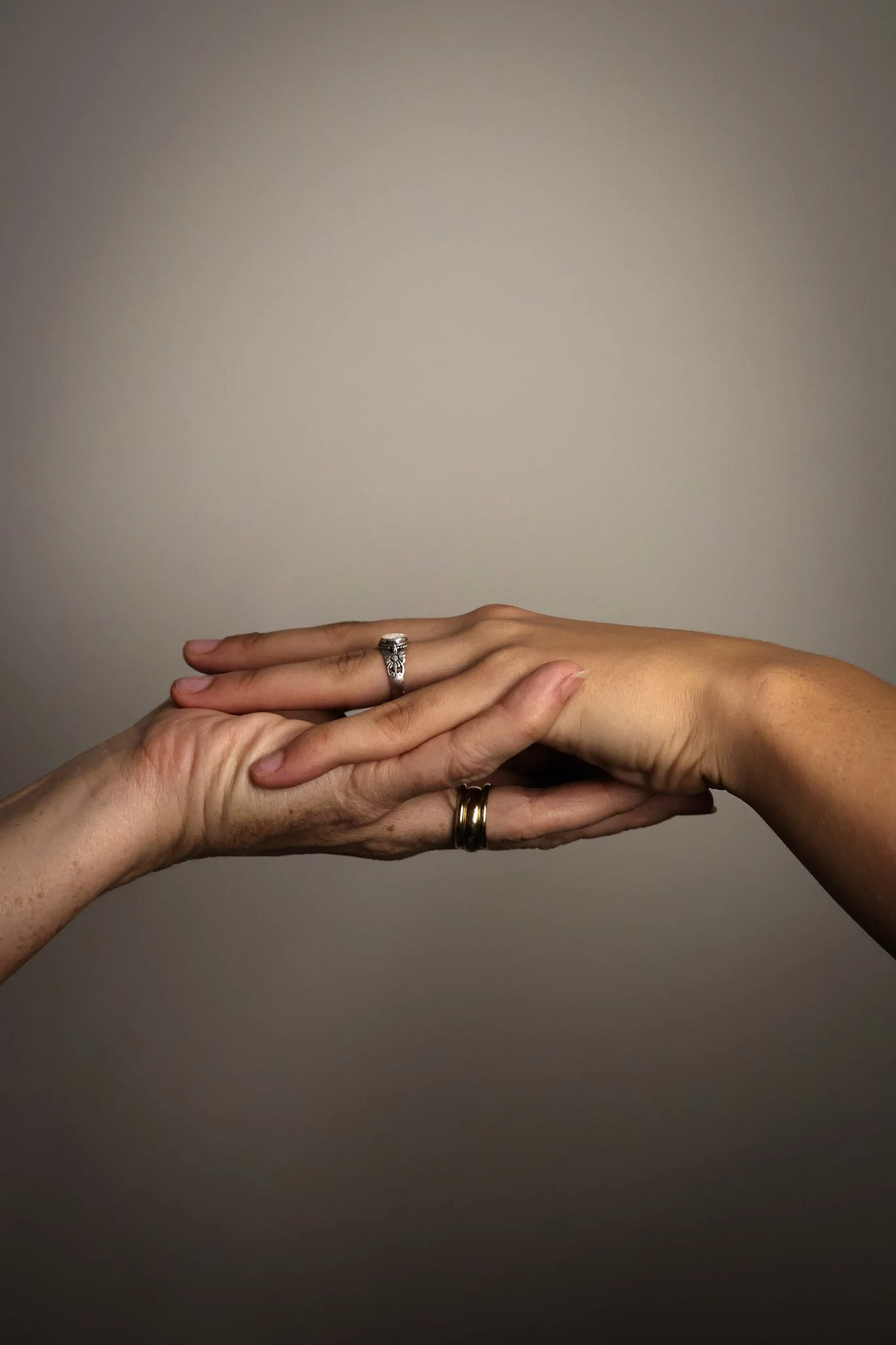
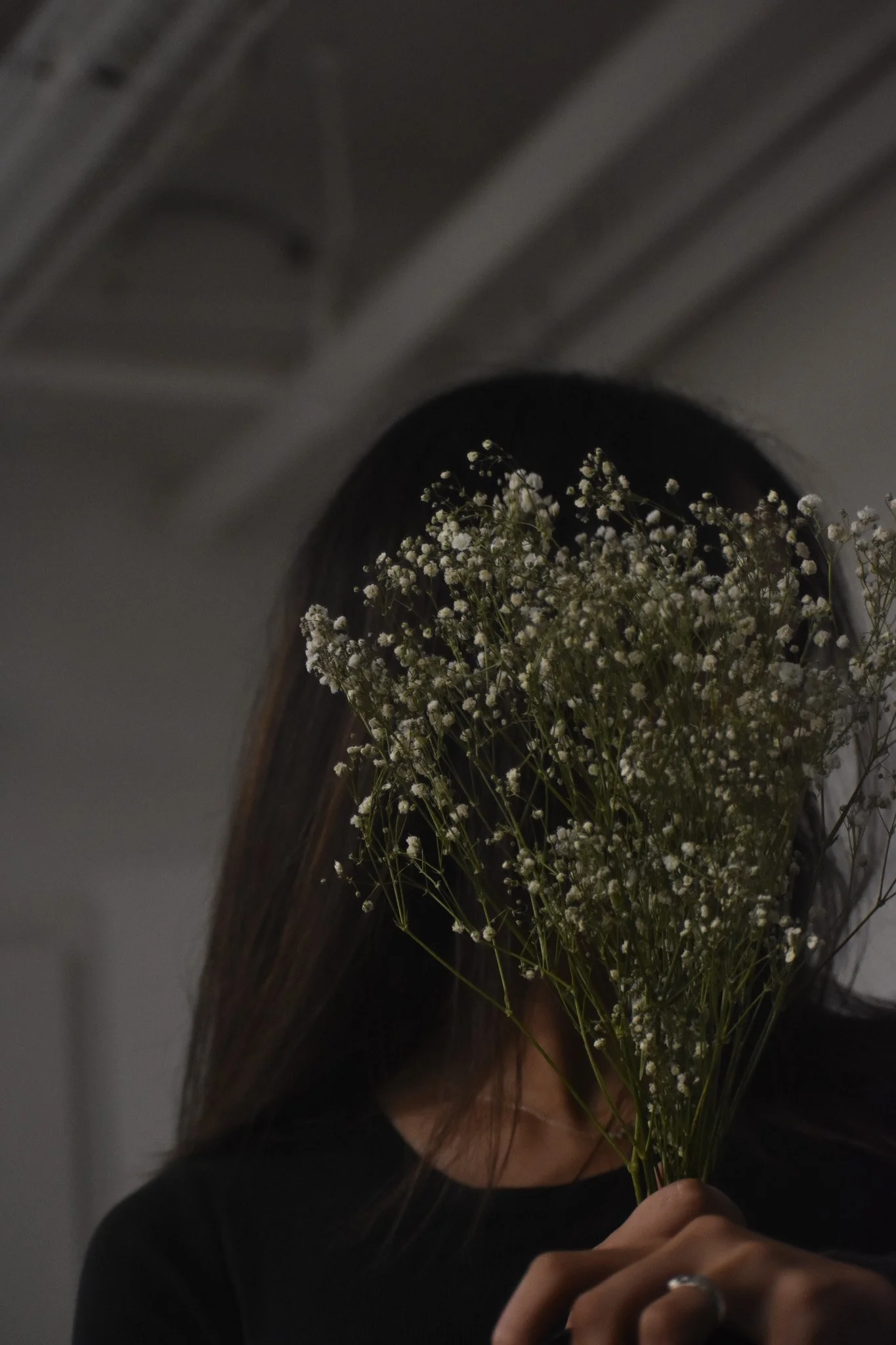
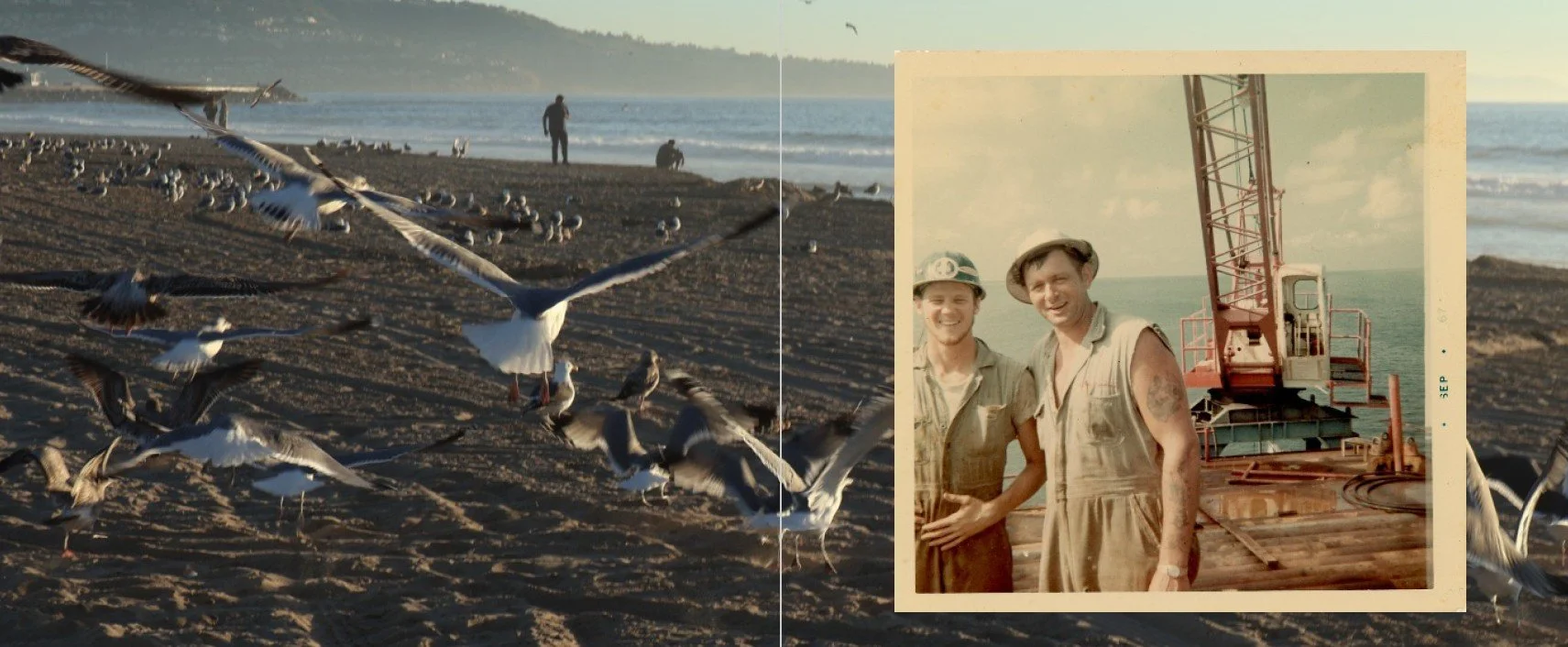
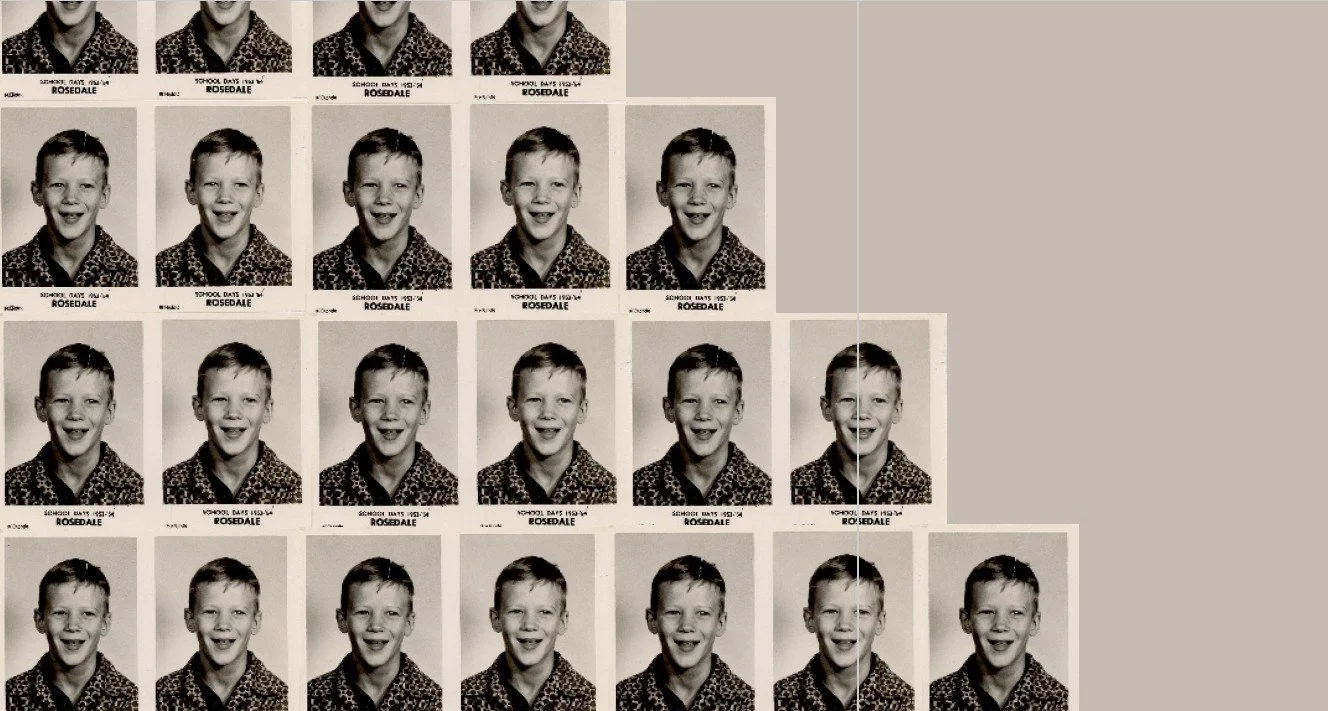
For thousands of years, people have recorded their lineages in the hopes of understanding who they are and where they came from. I am no different. Throughout this project, I reflected on the past, present and future. I wanted to understand my heritage, how it influences who I am today, and the person I am trying to grow to be. When I thought past my immediate family, I always felt lacking and shameful, not knowing or honoring those who came before me. The title Someone Has to Remember: A Face to a Name reflects both my desperation and my goal. All these names were always swirling around my head, and I wanted to put both a story and a face to each one. I was drawn to the use of archival photos, utilizing them frequently throughout the book to tell the story of how I came to be here. The goal of this project was to put a face and a story to the name and learn more about myself through my family.
The story begins and ends with two completely different backgrounds and lineages from opposite sides of the world somehow coming together and entwining to create me. I fixate a lot on my grandmother, Esther Chao, or as I call her, Nai Nai with whom I am very close. Telling her story opened the avenue to not only better understand my Chinese heritage, but also to recognize the resilience, experiences, and sacrifice that shaped my family long before I was born. I also explored my mother’s side of the family, whose roots in America stretch back ten generations. In contrast to the more recent immigration story of my father’s side, my mother’s lineage reflects a long history tied to place, tradition, and generational continuity. Considering both sides together allowed me to see how vastly different histories can coexist within one person and shape identity in complex ways. Through researching and documenting my family history, I began to see how identity is carried across generations through stories, traditions, photographs, and memory.
This project ultimately is more than a family archive. It’s a way for me to connect pieces of my identity and preserve them for the future.


Remi
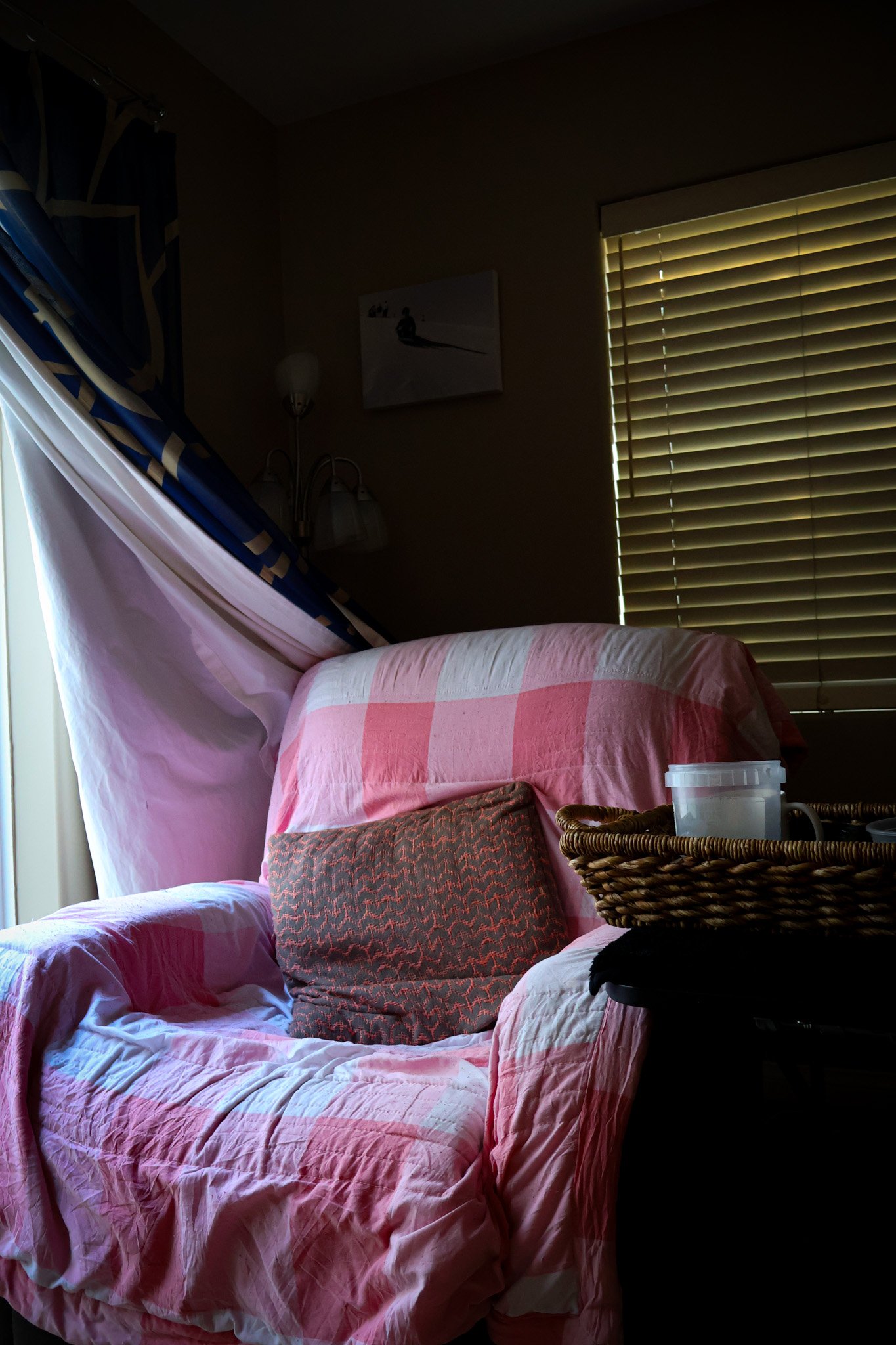
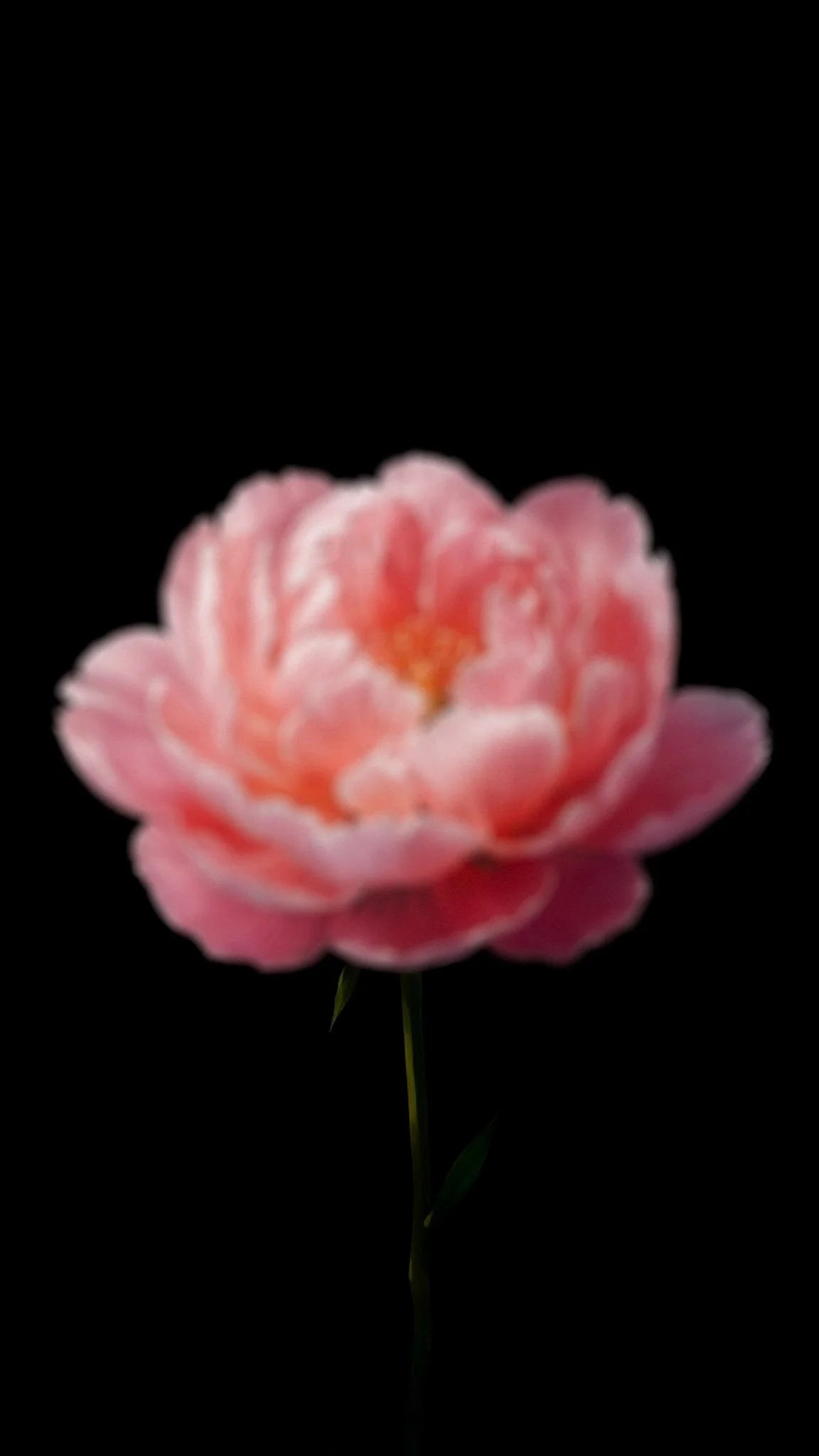
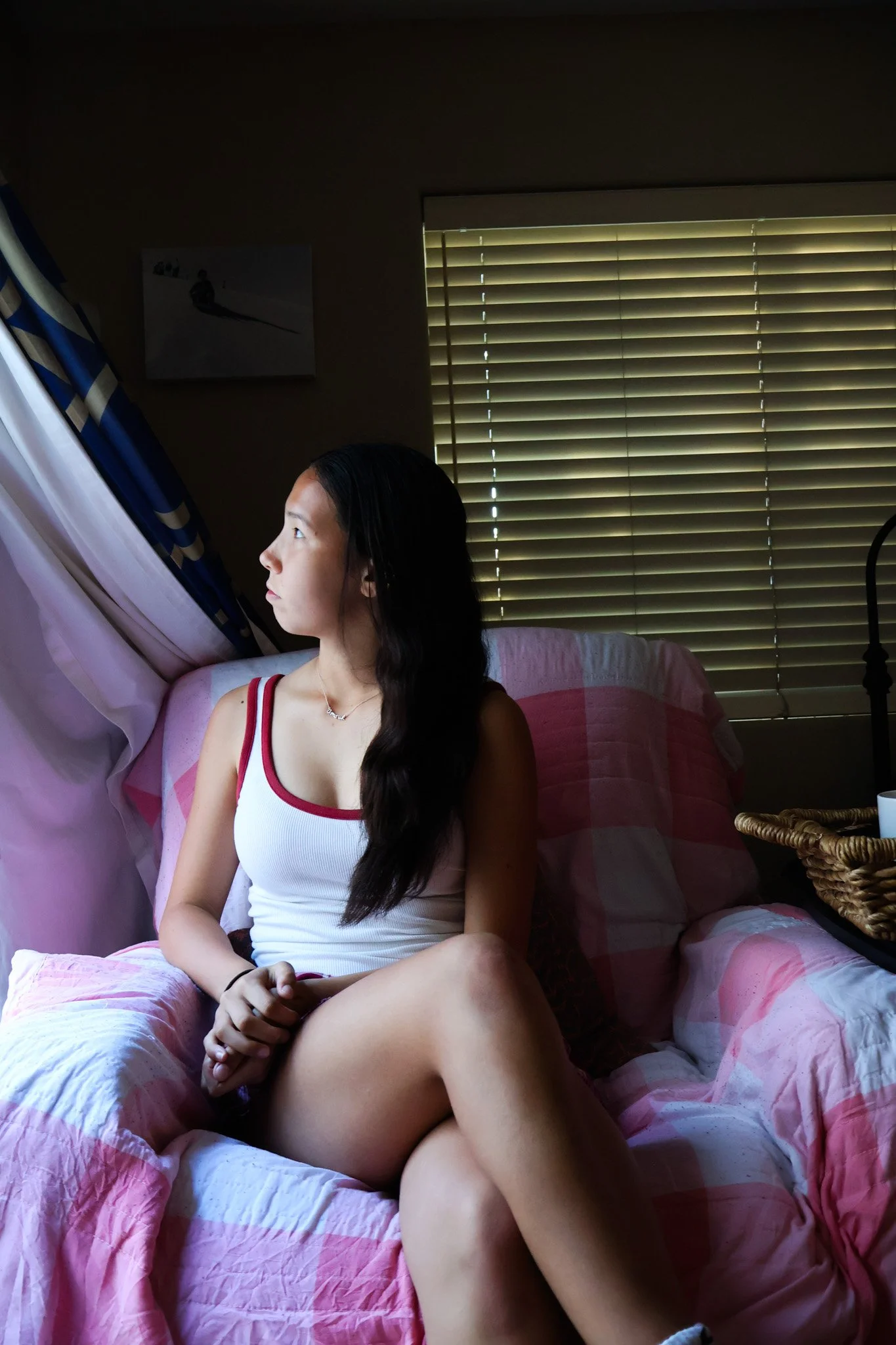
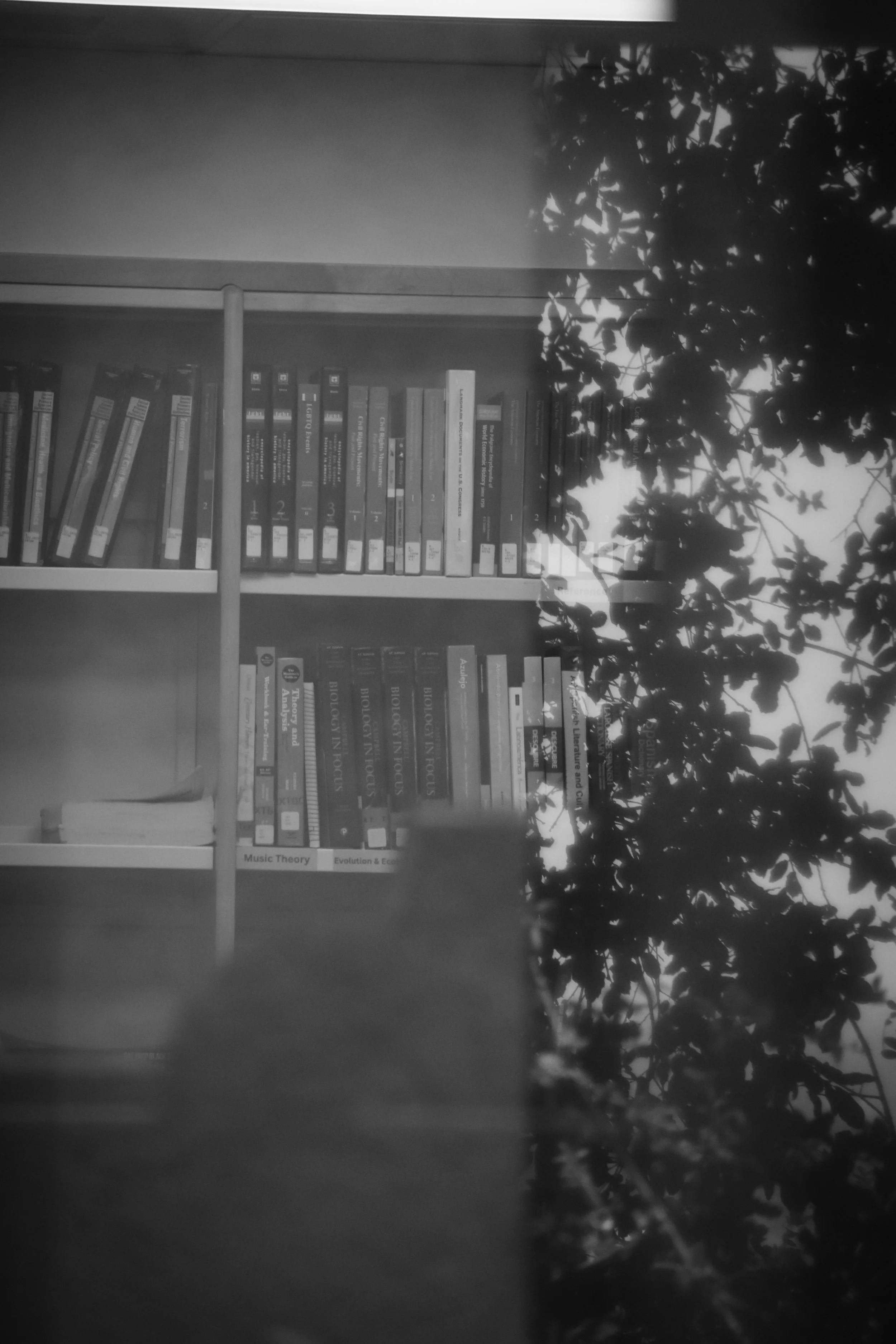
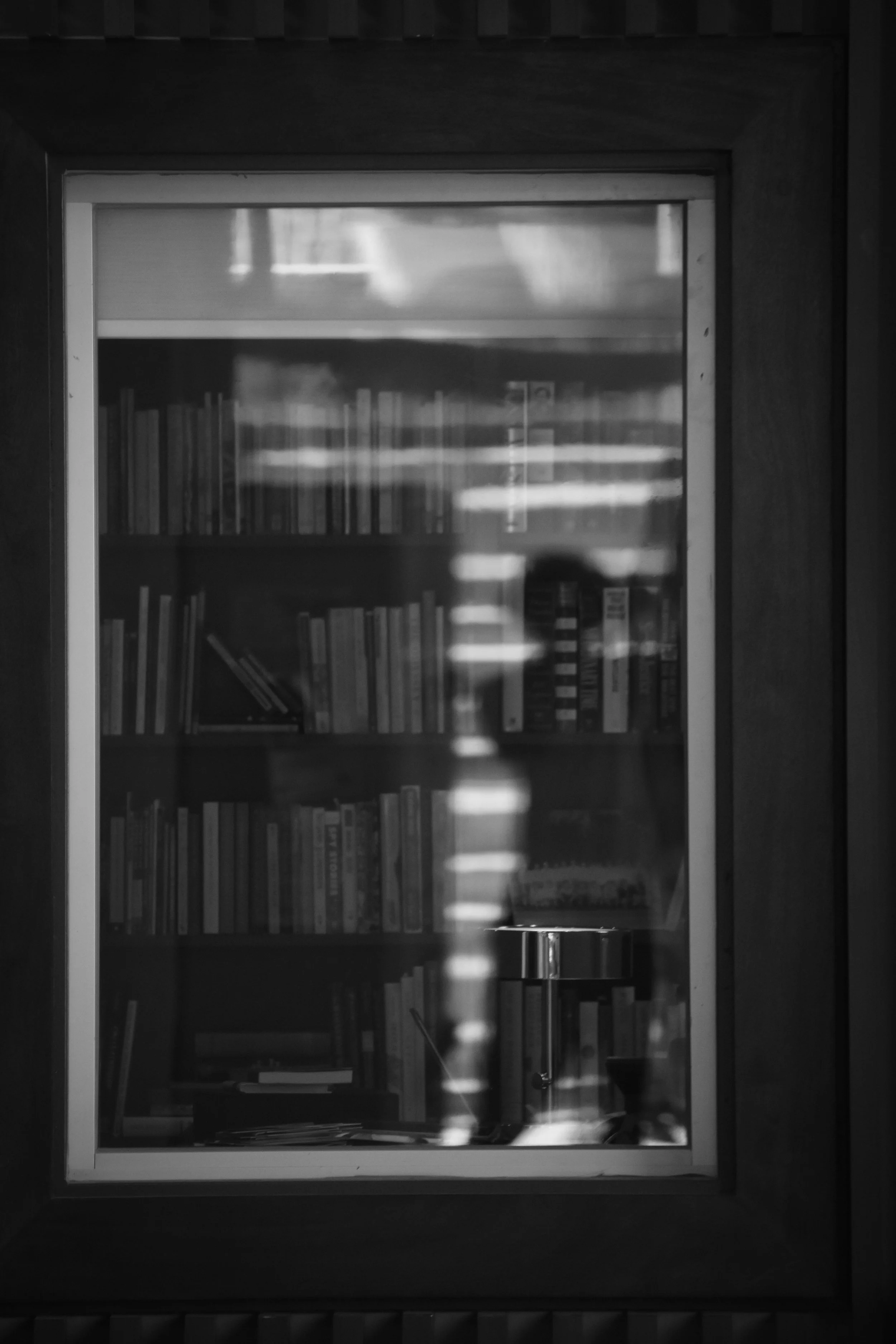
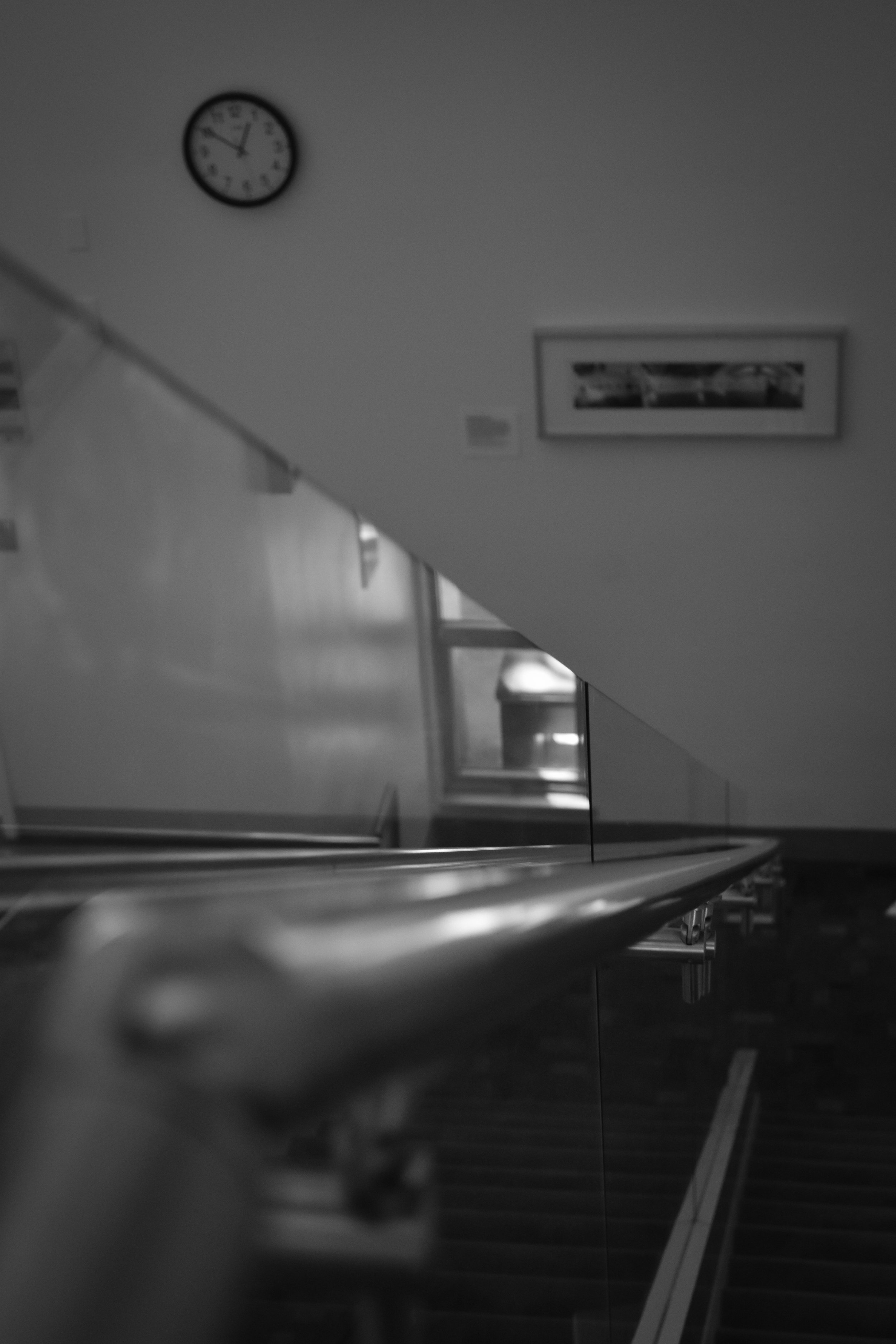
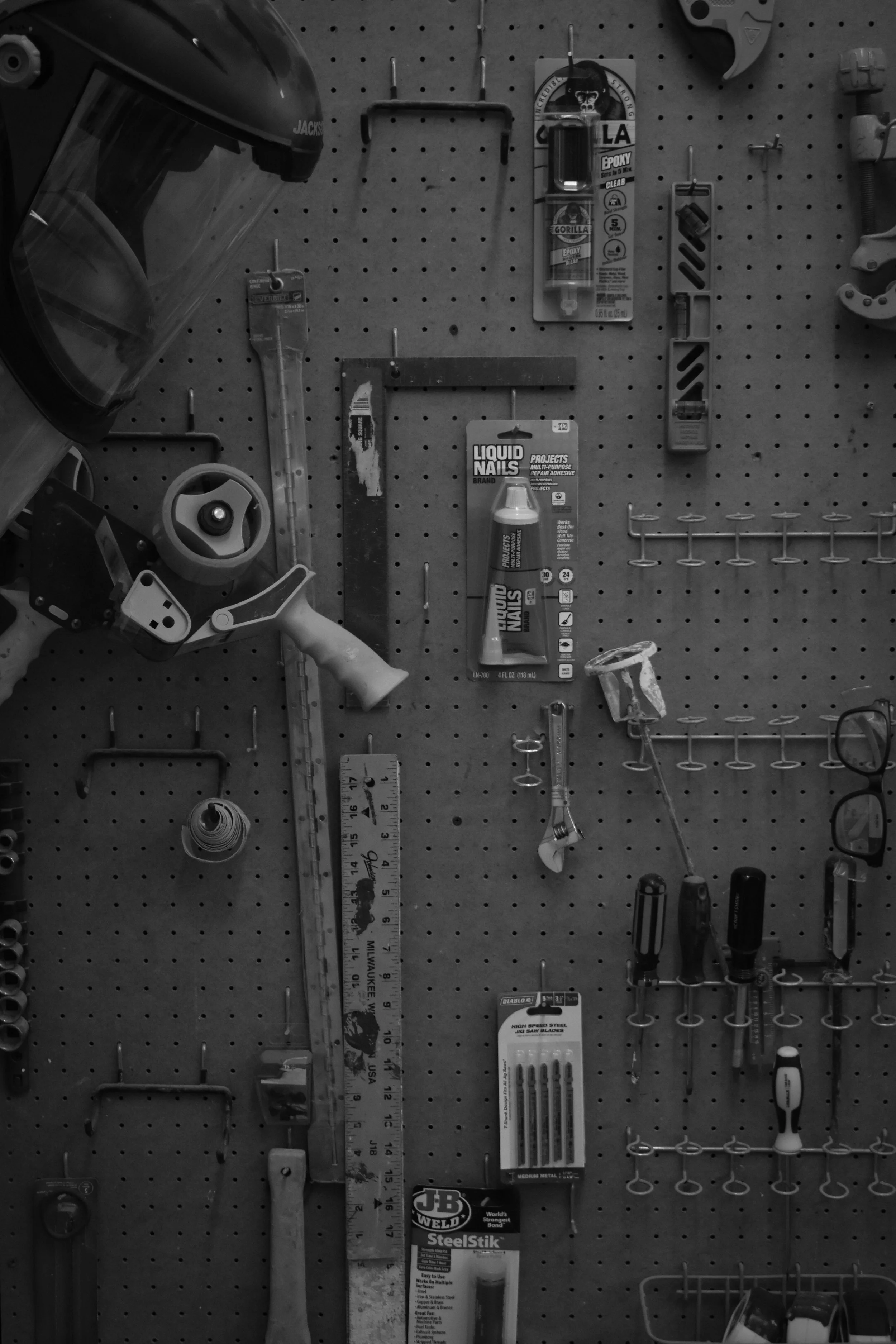
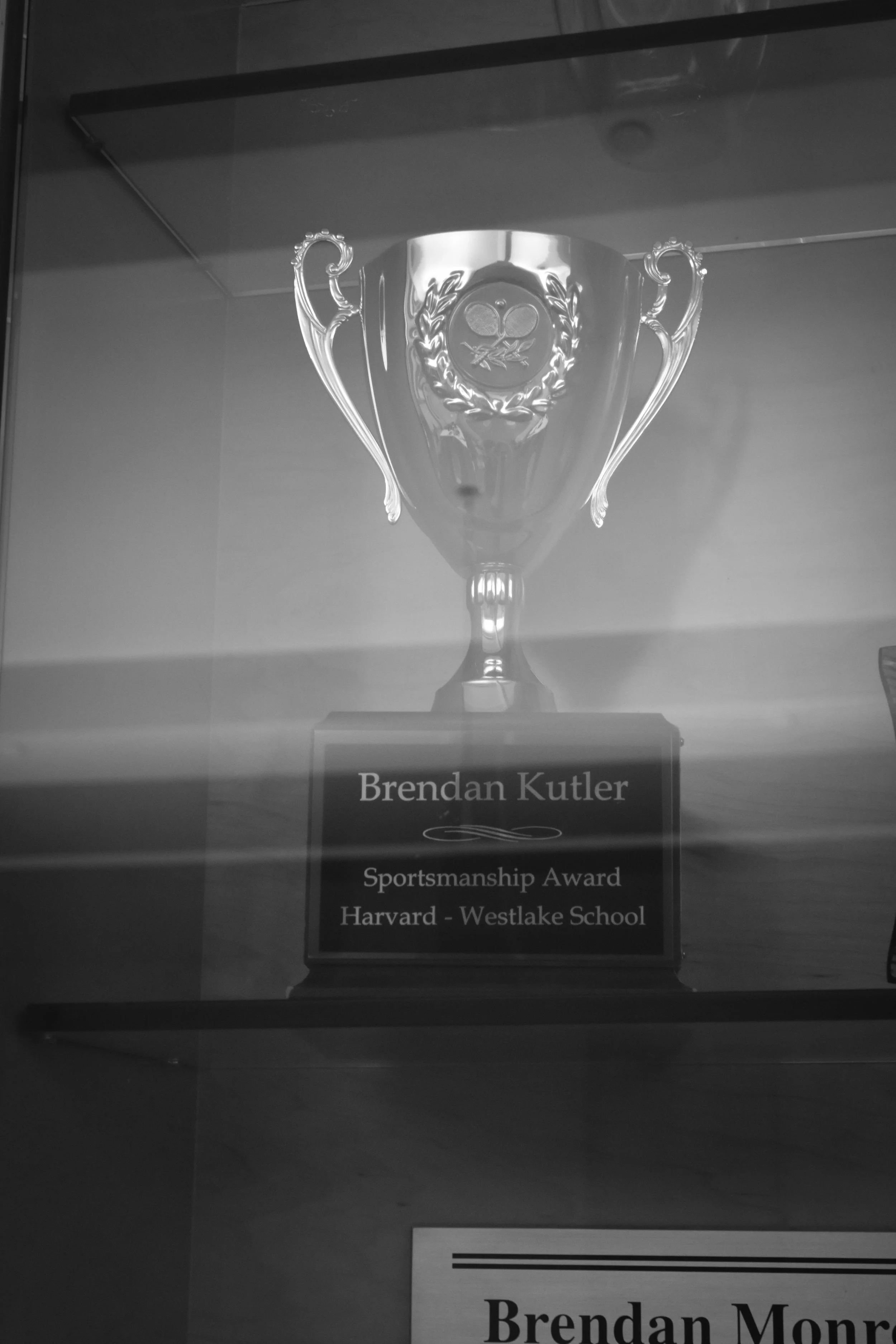
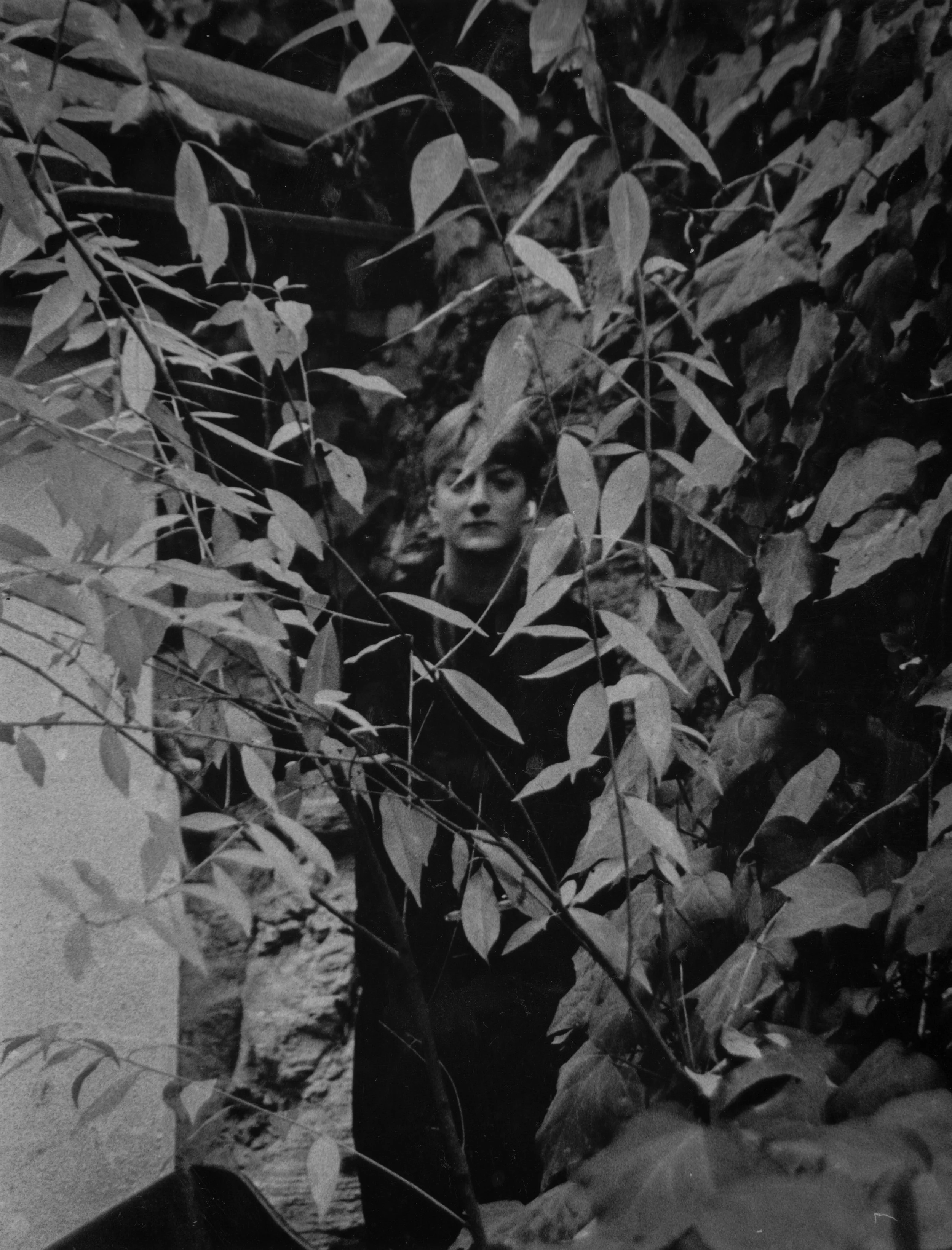
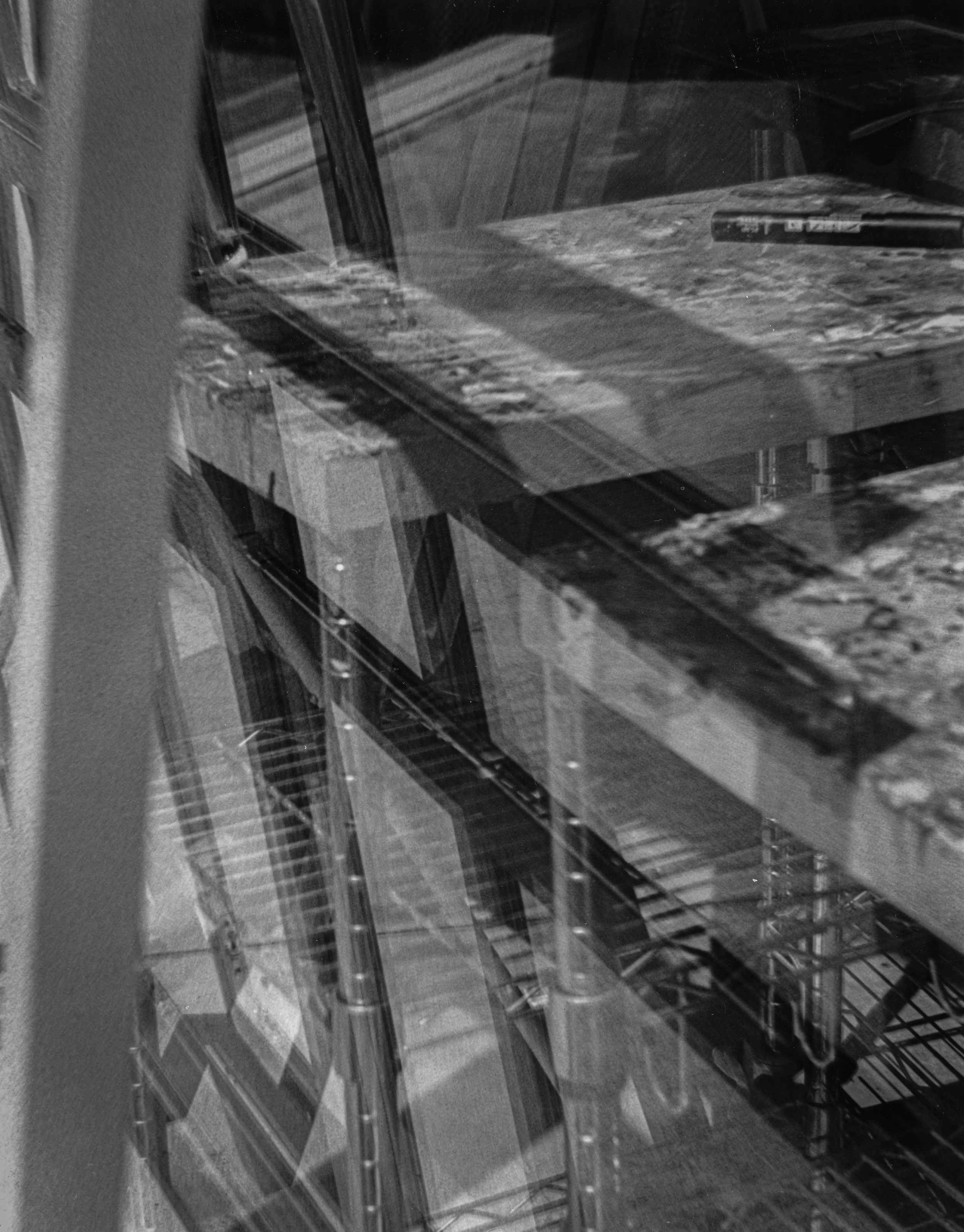
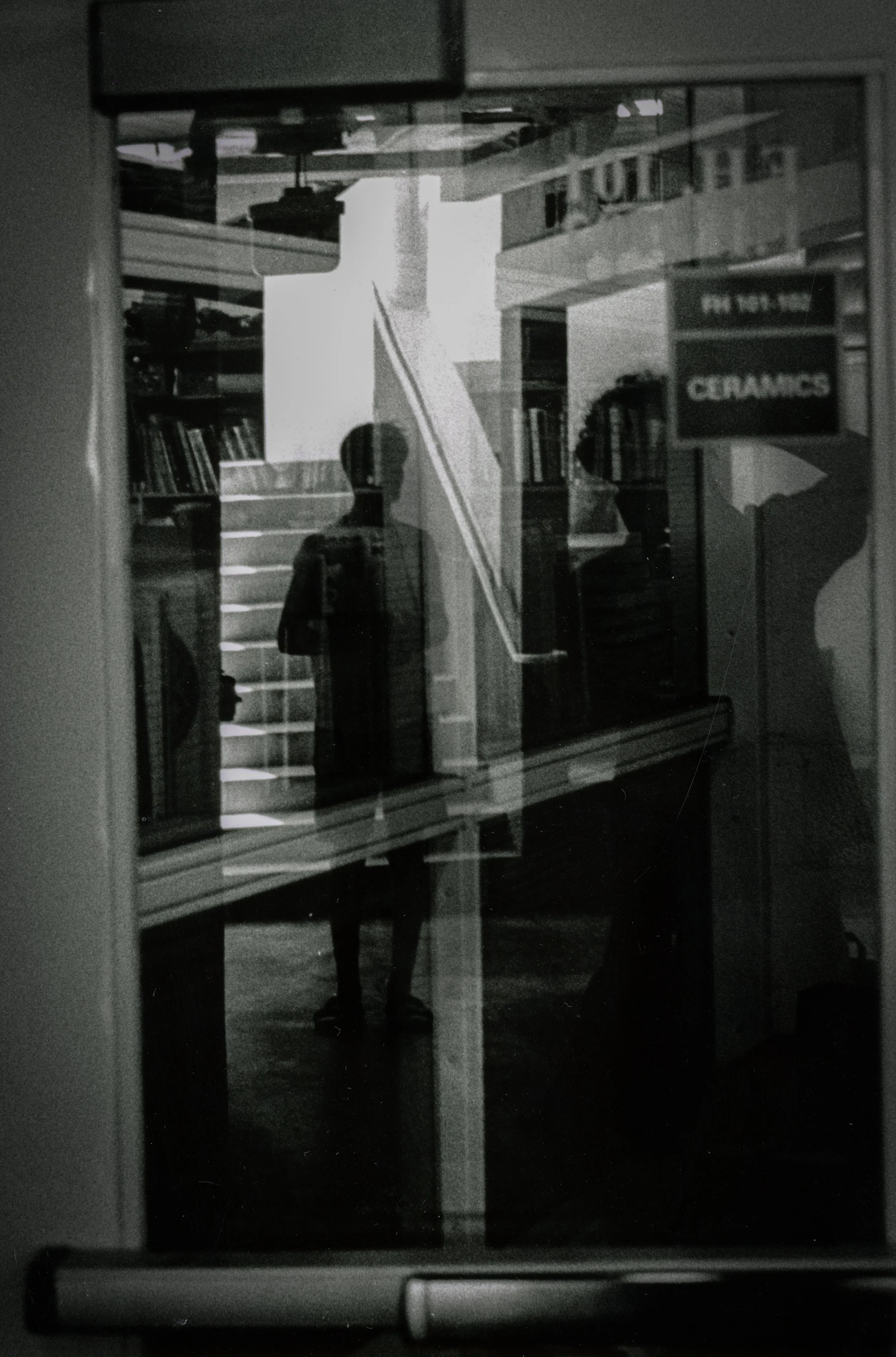
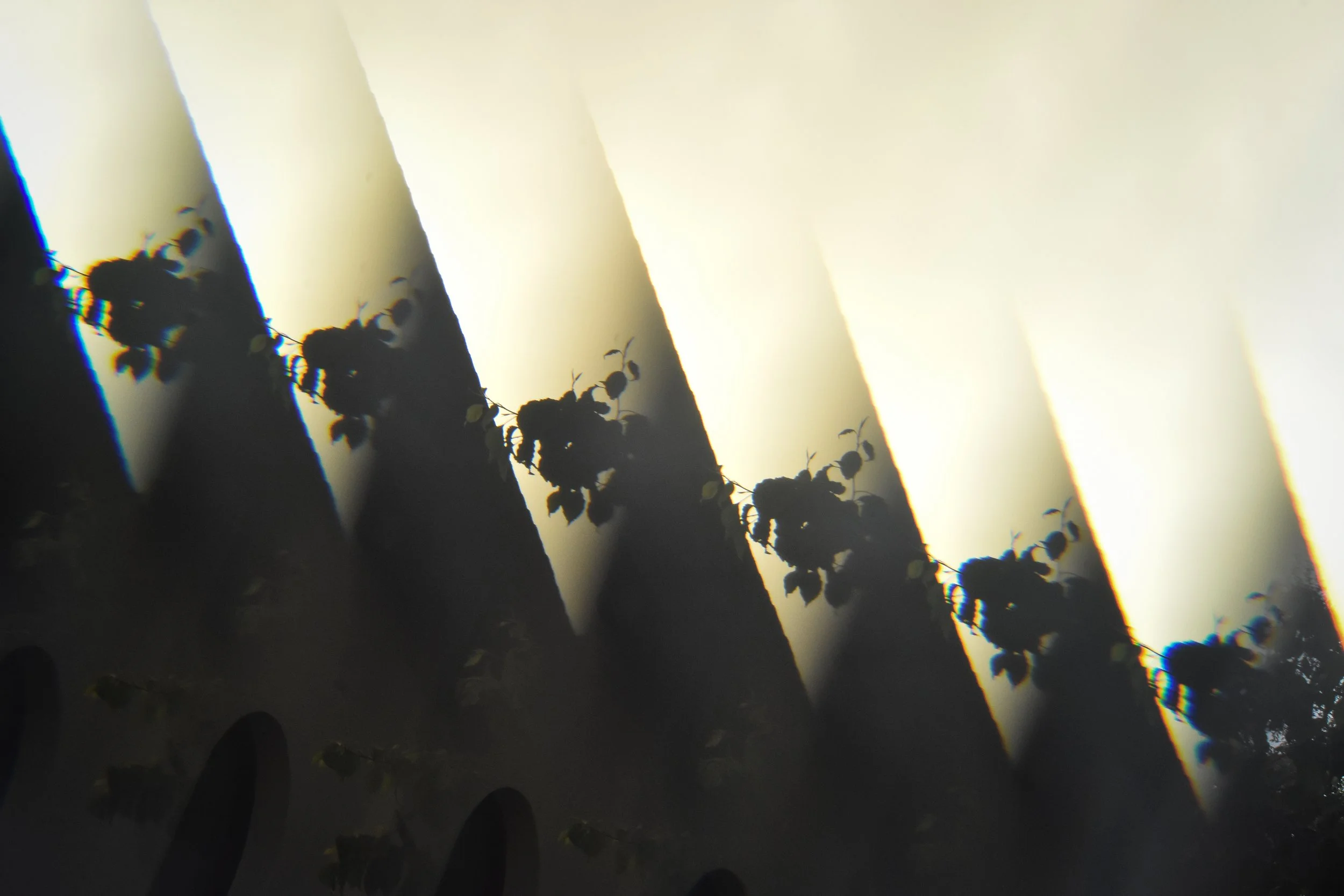
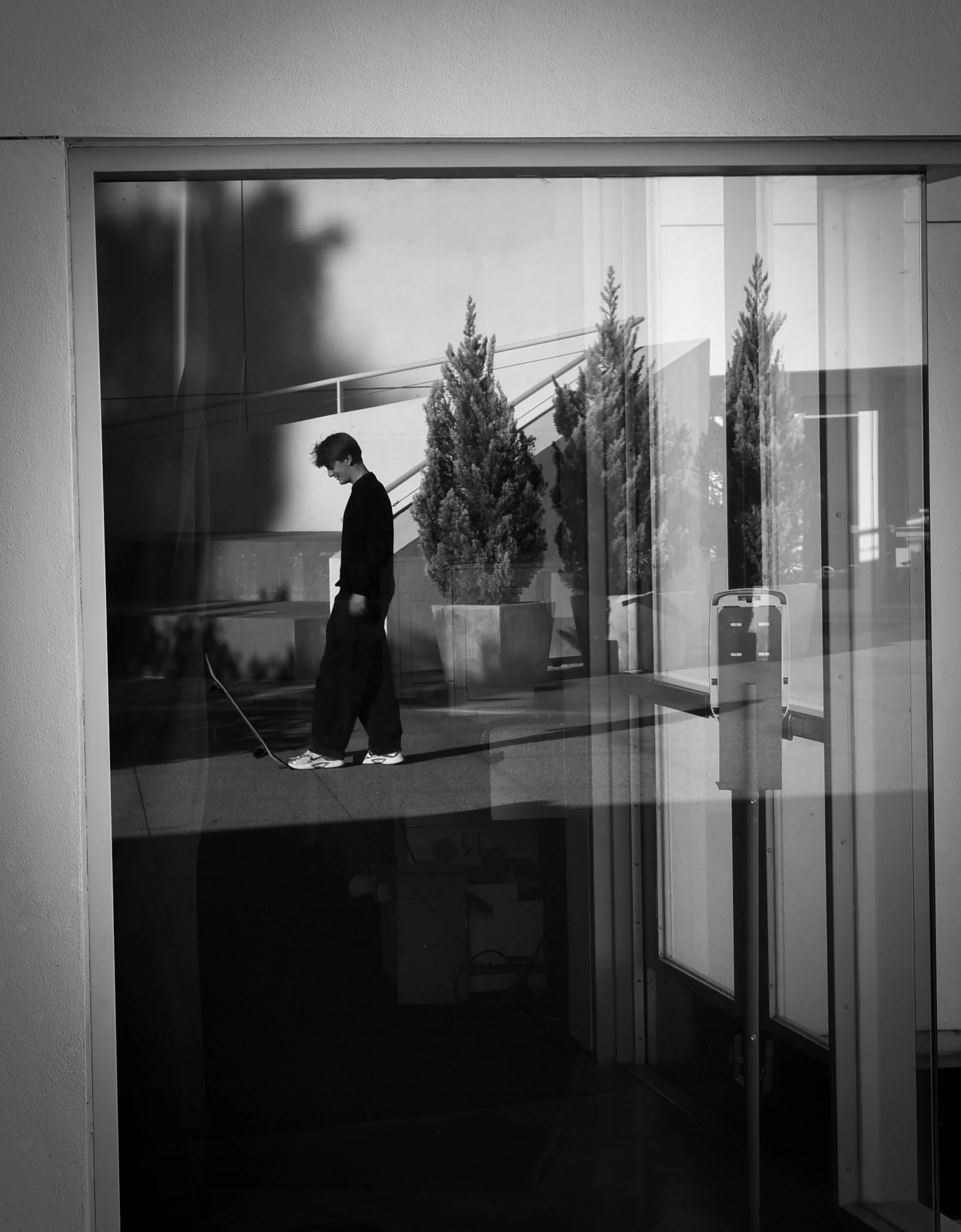
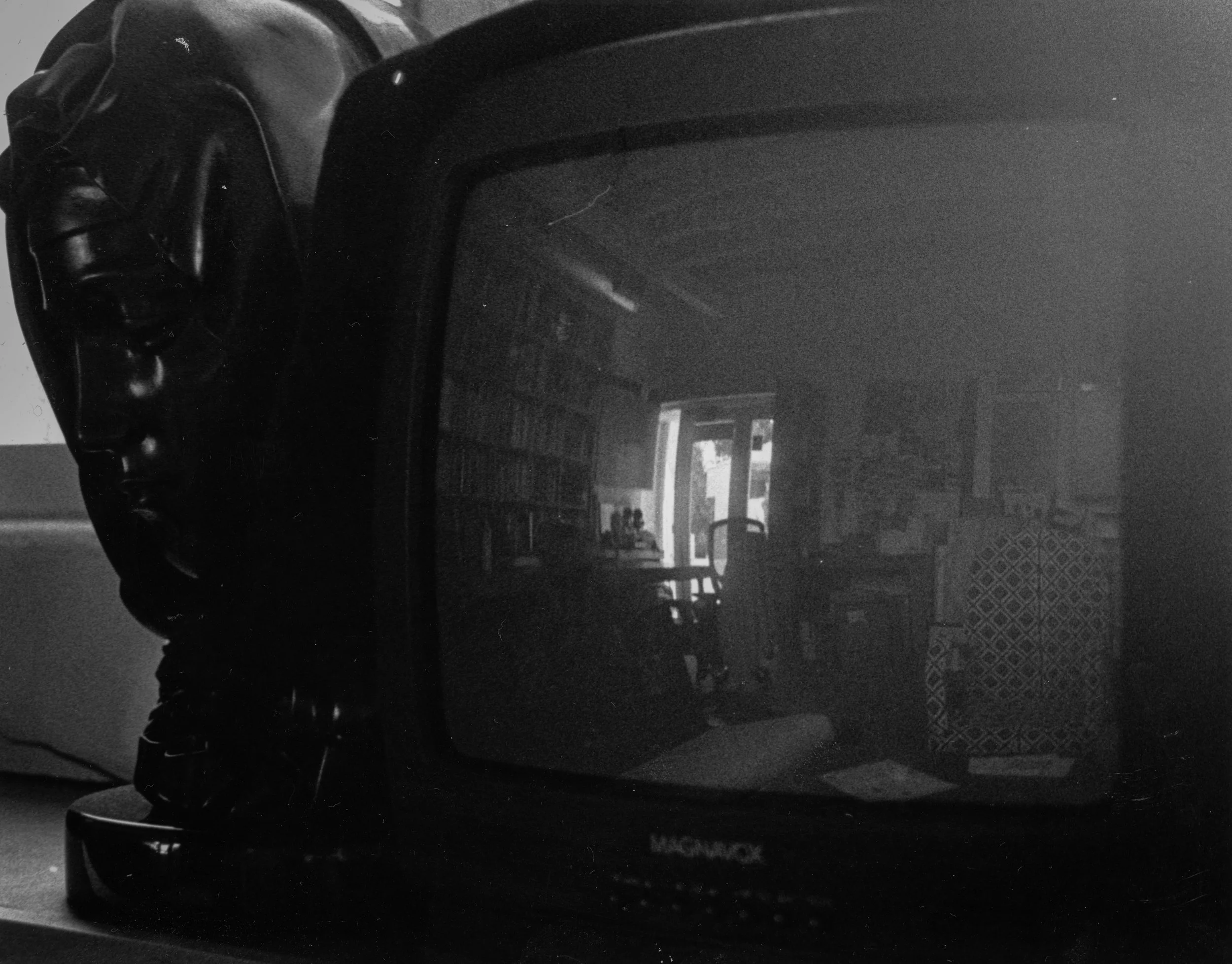
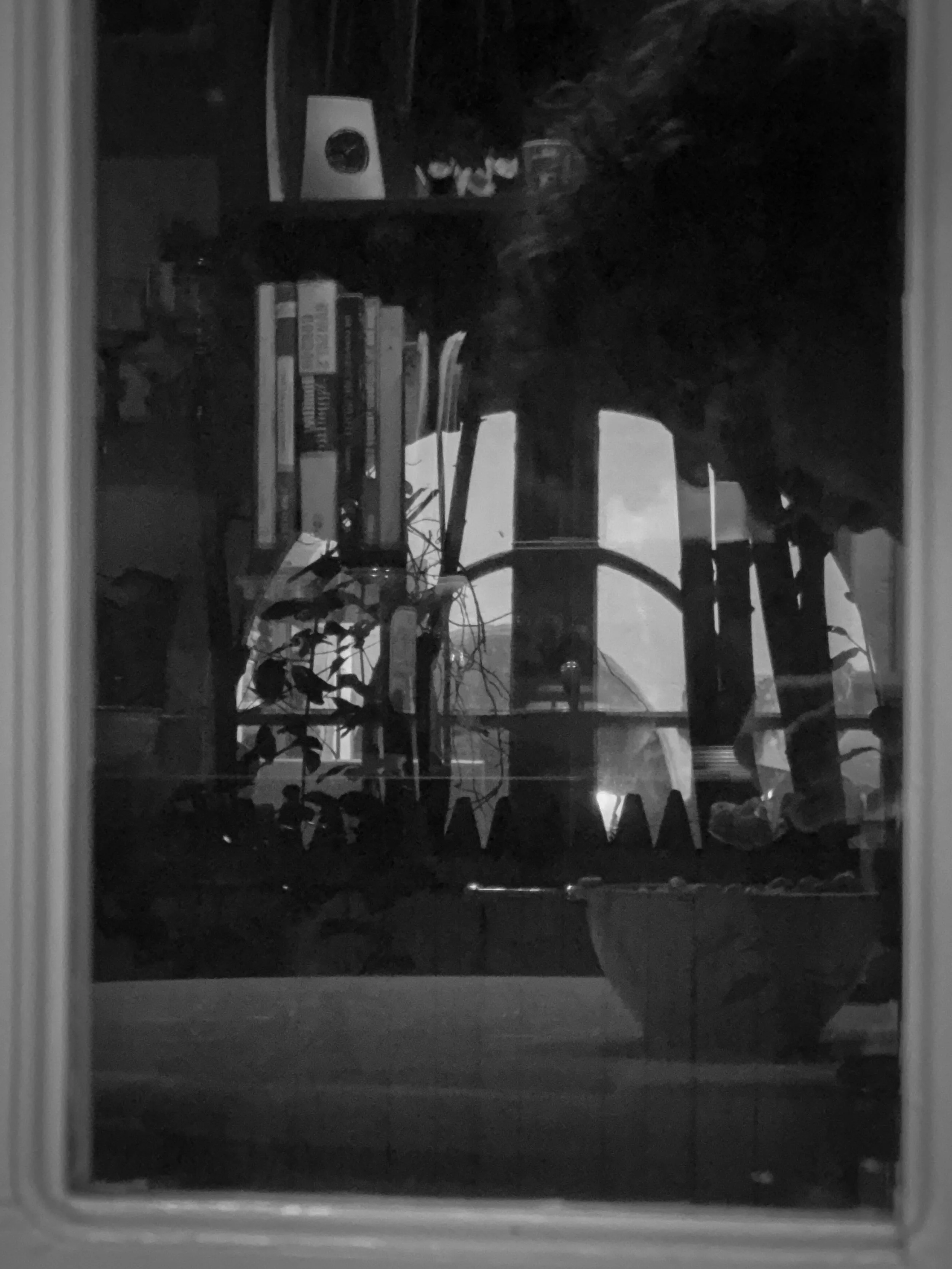
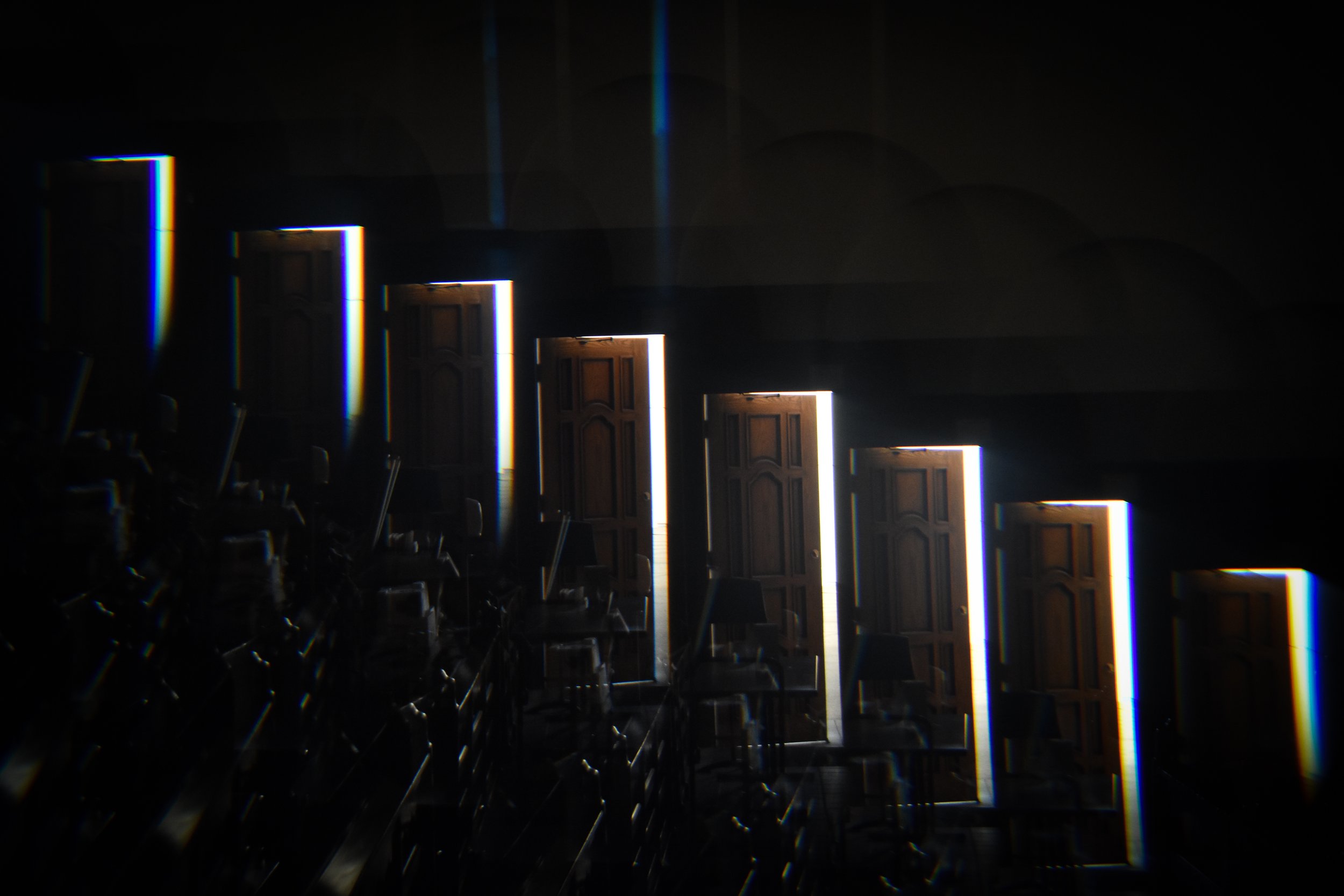
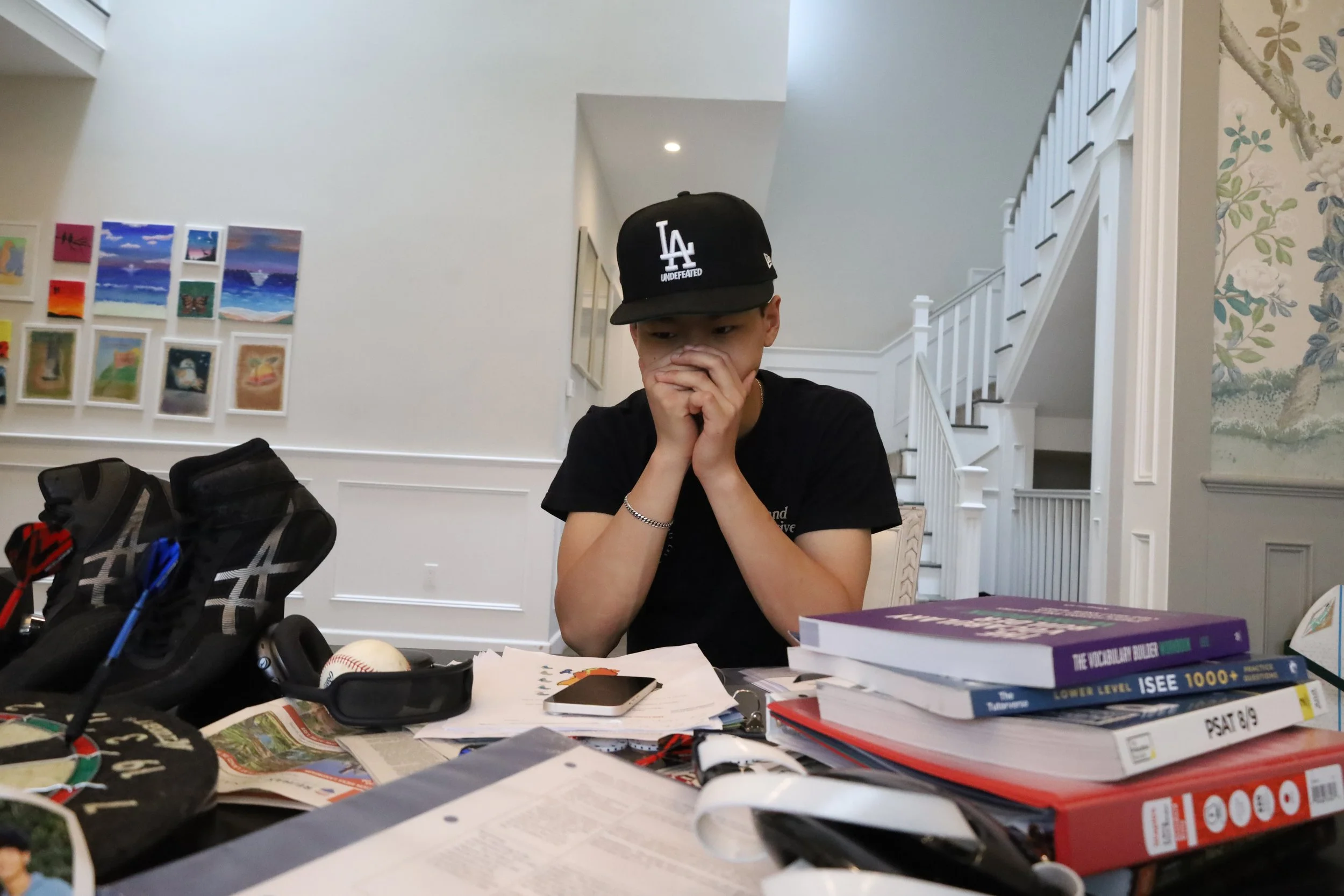
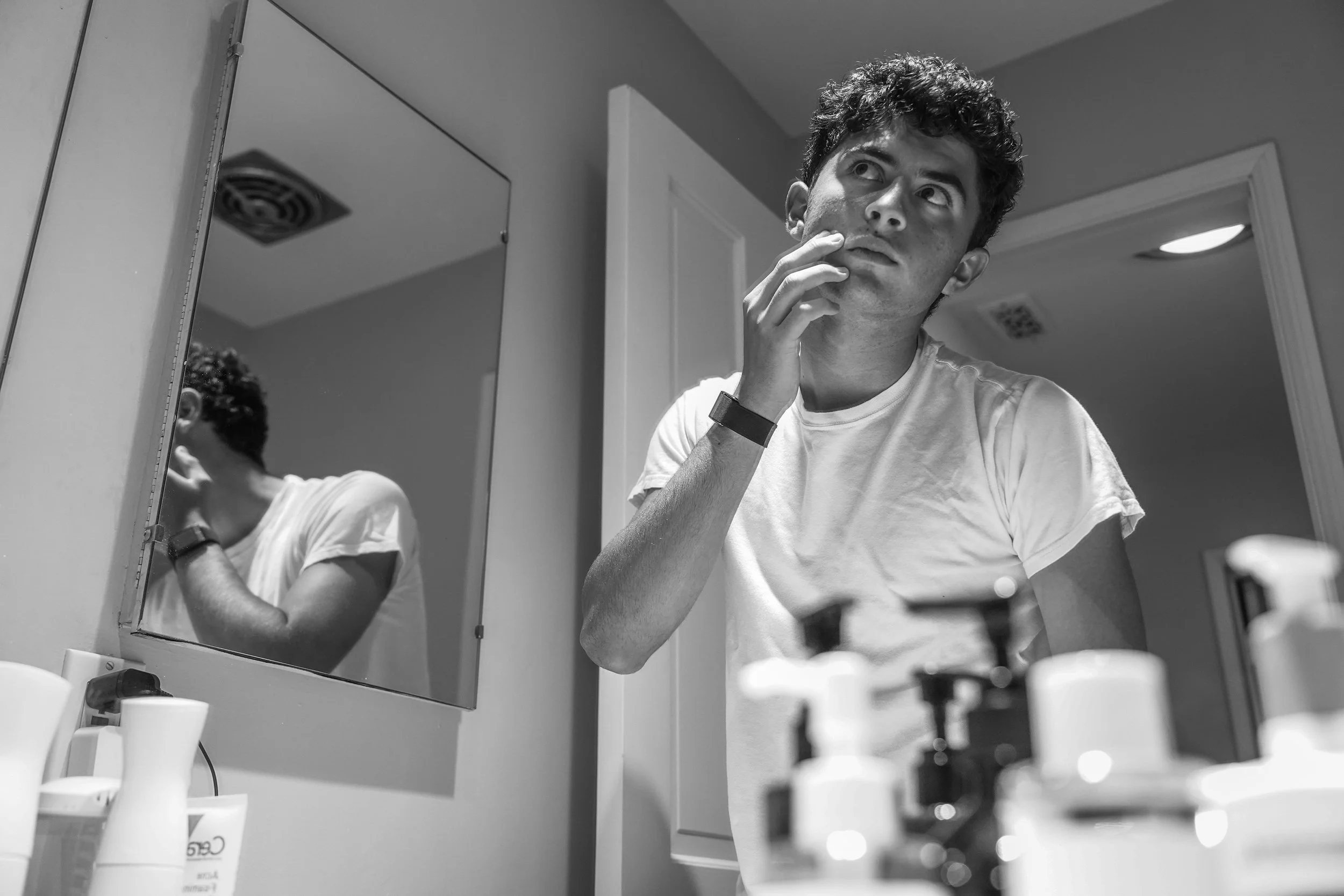
“Sometimes it just seems too much,” is what I thought to myself so much over this last year. I saw so many people around me either give up on their dreams and focus on making the most of their teenage years, with no regard for the future, or turn into complete robots, who tried to be the best, but at the price of their happiness. I wanted to be in between, to still live, but also care for my future self; but over this year, the first at Harvard-Westlake Upper School, I found how hard it is to not be one or the other. Sometimes I take a step back and think is it really worth sacrificing four of the best years of your life just for the sole purpose of getting into college, but other times I think that I should be doing so much more to fulfill that goal.
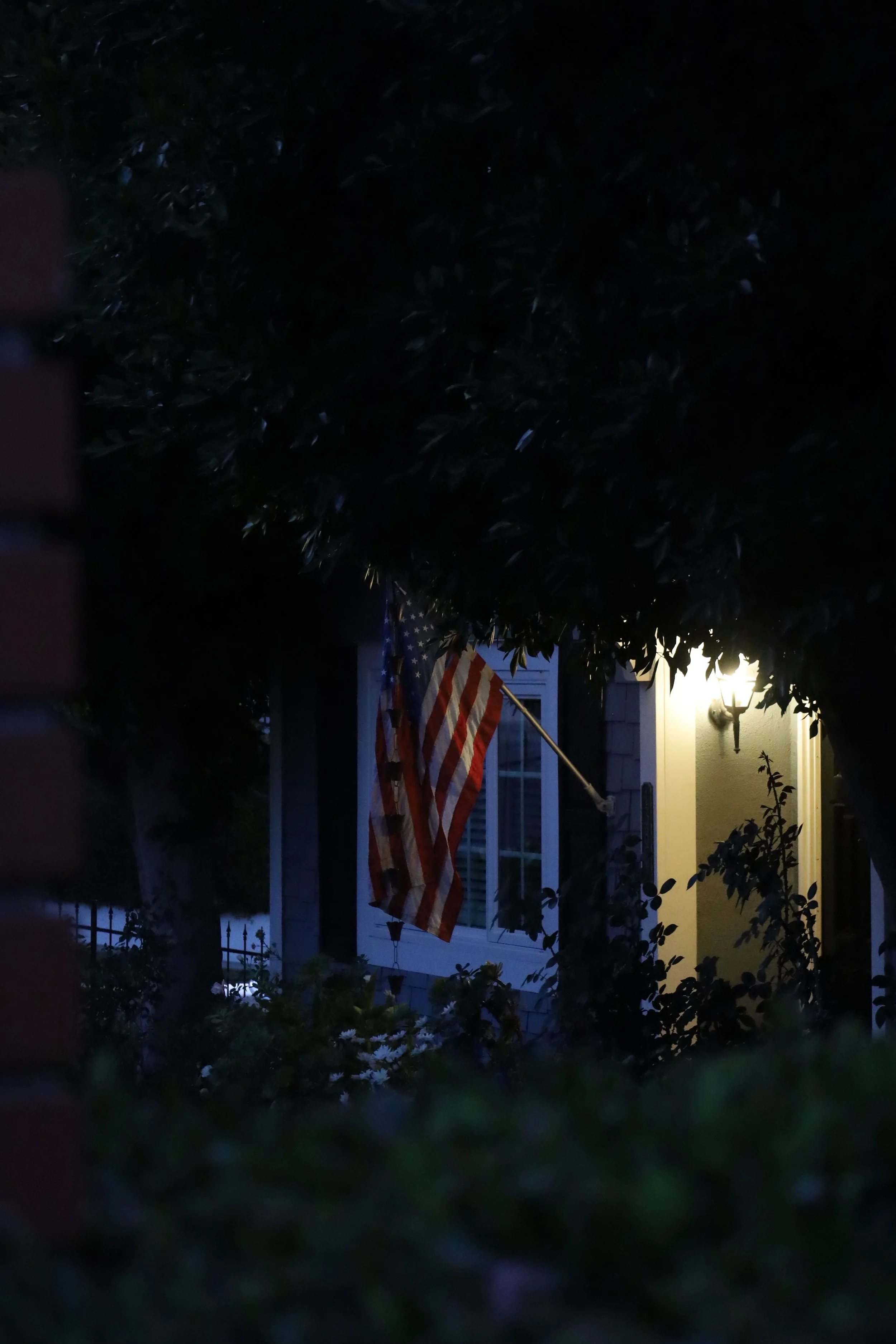
This led to the creation of this series “One Step in the Process,” which traces my life and many others’ as we traverse the reality of a high school that is so prestigious. The process, which relates to the cloud that almost rests over this school, represents college applications. I see so many people sacrifice so much just to make themselves the ‘ideal’ candidate, while in reality, the ideality is in everyone’s uniqueness, which is so easy to take away. This inspired the majority of this series being in black and white, such as the monotonous nature of this school, while some images are shot in color, and show the sometimes happiness of being a teenager and the occasional personality that shines through. Many images represent key parts of my life, like the darkness of my house when I get home past ten and start my homework while my parents are asleep, the emptiness of the house when I eat cereal for dinner by myself some days, or the chaos of my mind or the spaces I’m in when I need to do work.
In a way, this collection acts as something in between, not one way of living, but not the other either: it represents how I choose to navigate the world growing up with big dreams, but also small needs. Hopefully this series brings up questions about how we live, and how so many of us endure an almost adult-like workload. All in all, there are times where these wonderings are loud, and others where they don’t matter, but through these moments, we can hopefully choose which ones to ask, and which to ignore in our own lives.
CJ
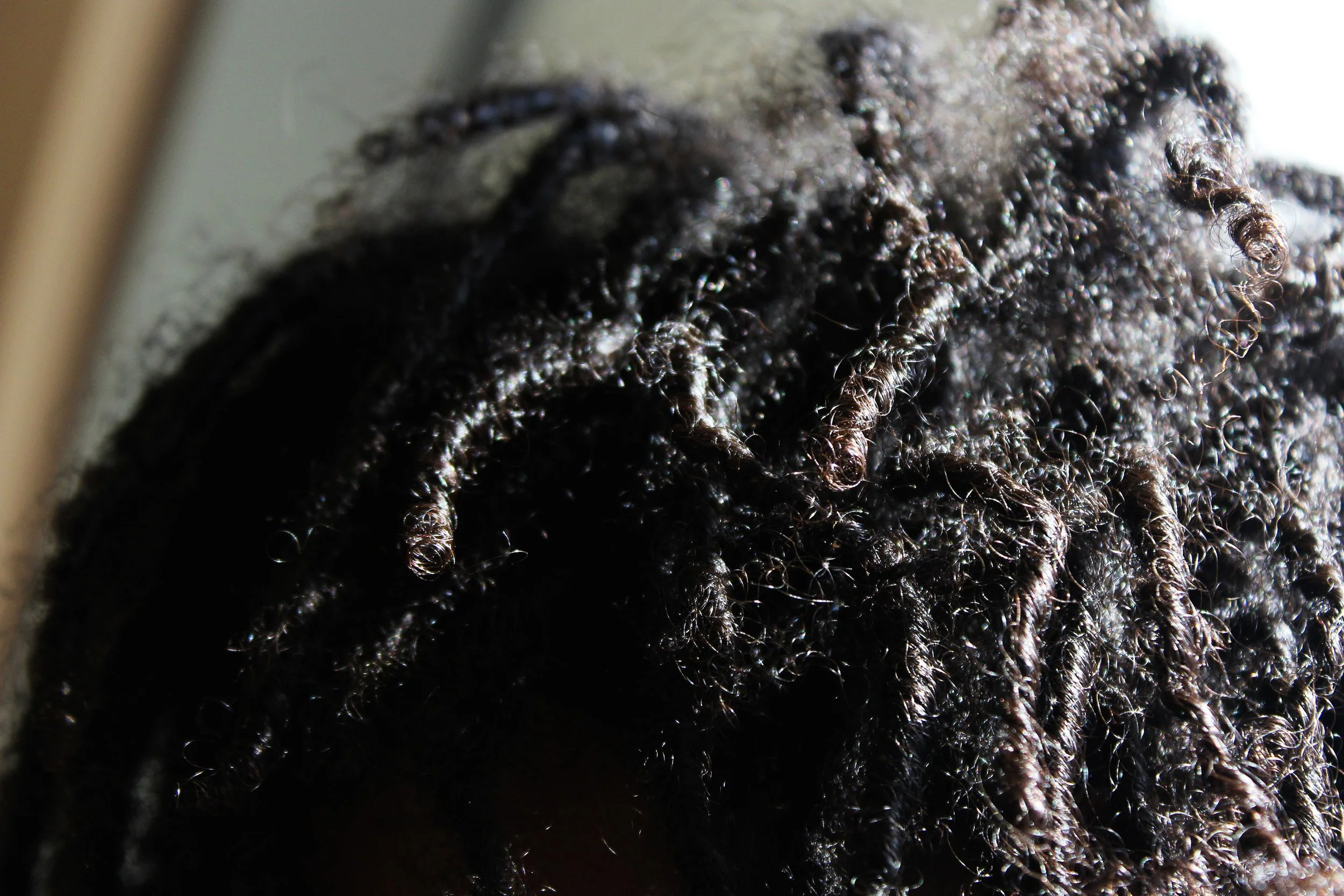
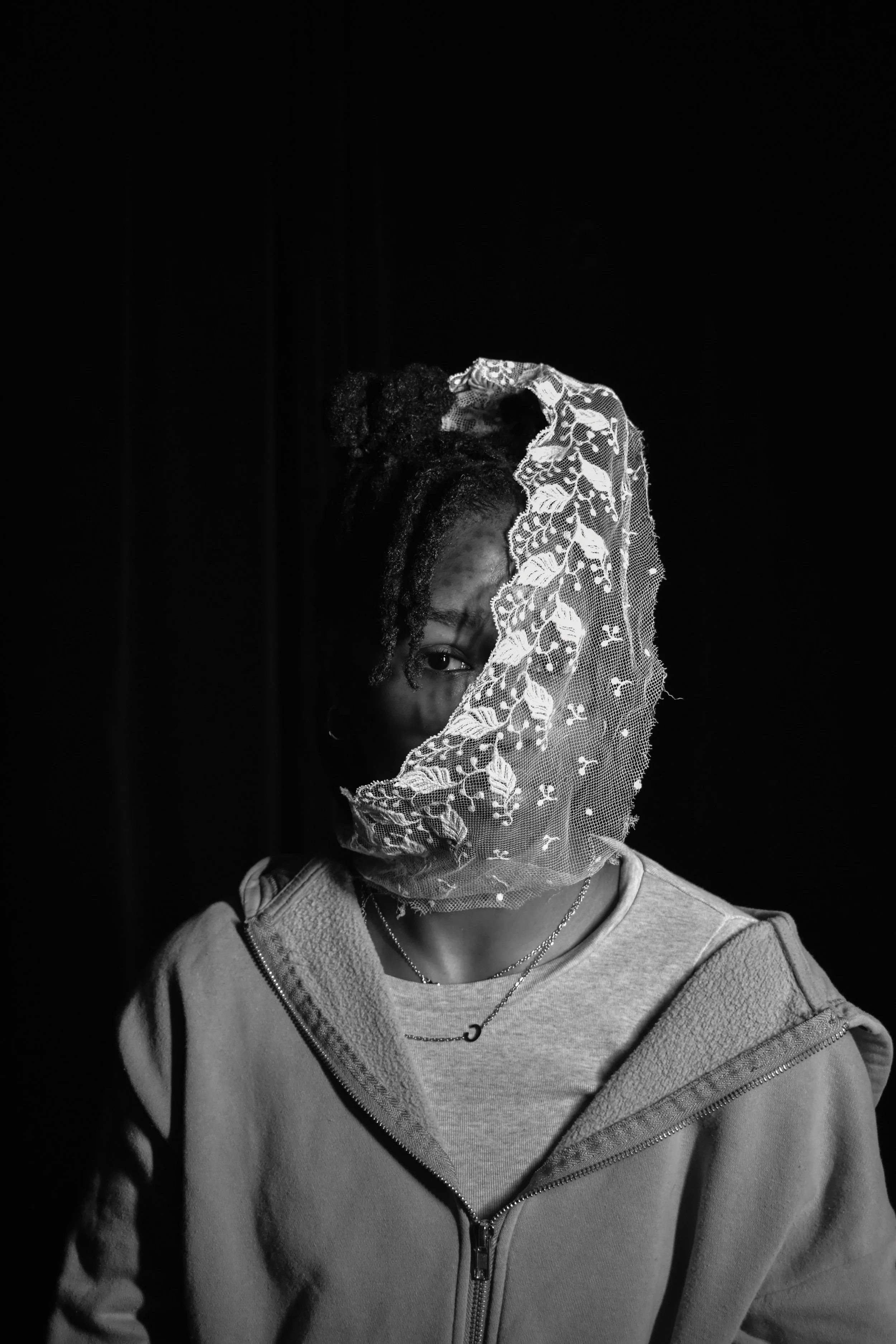
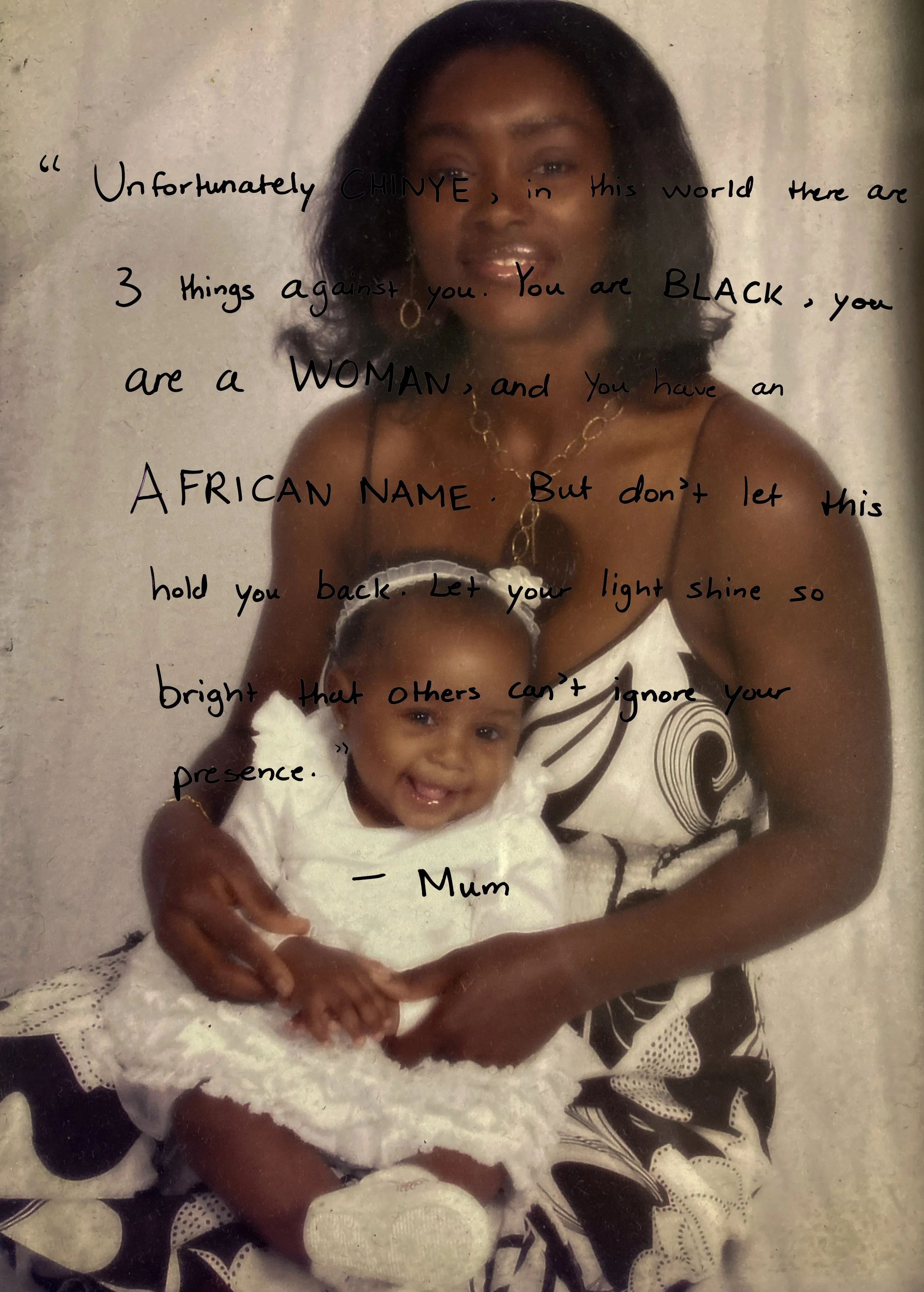
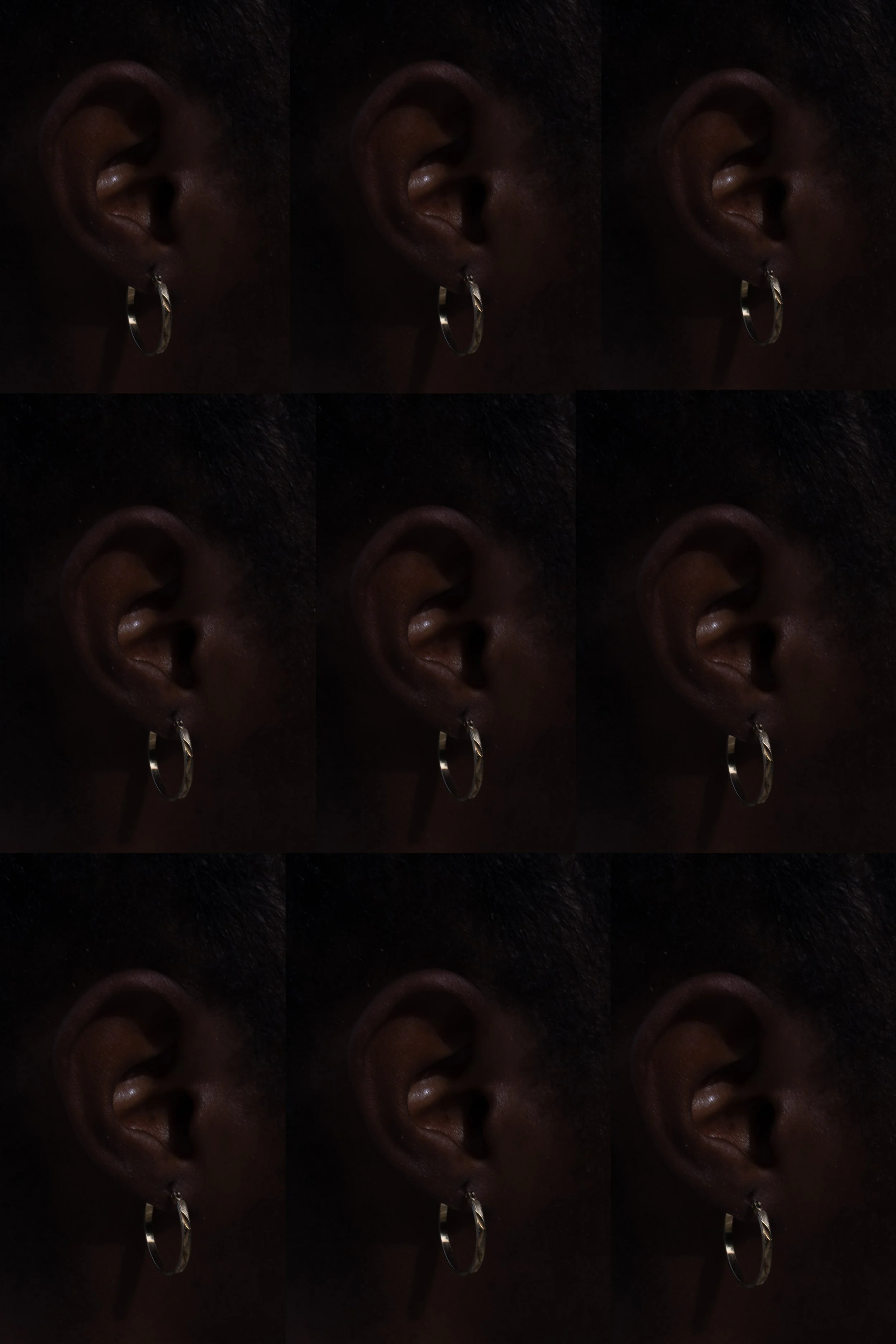
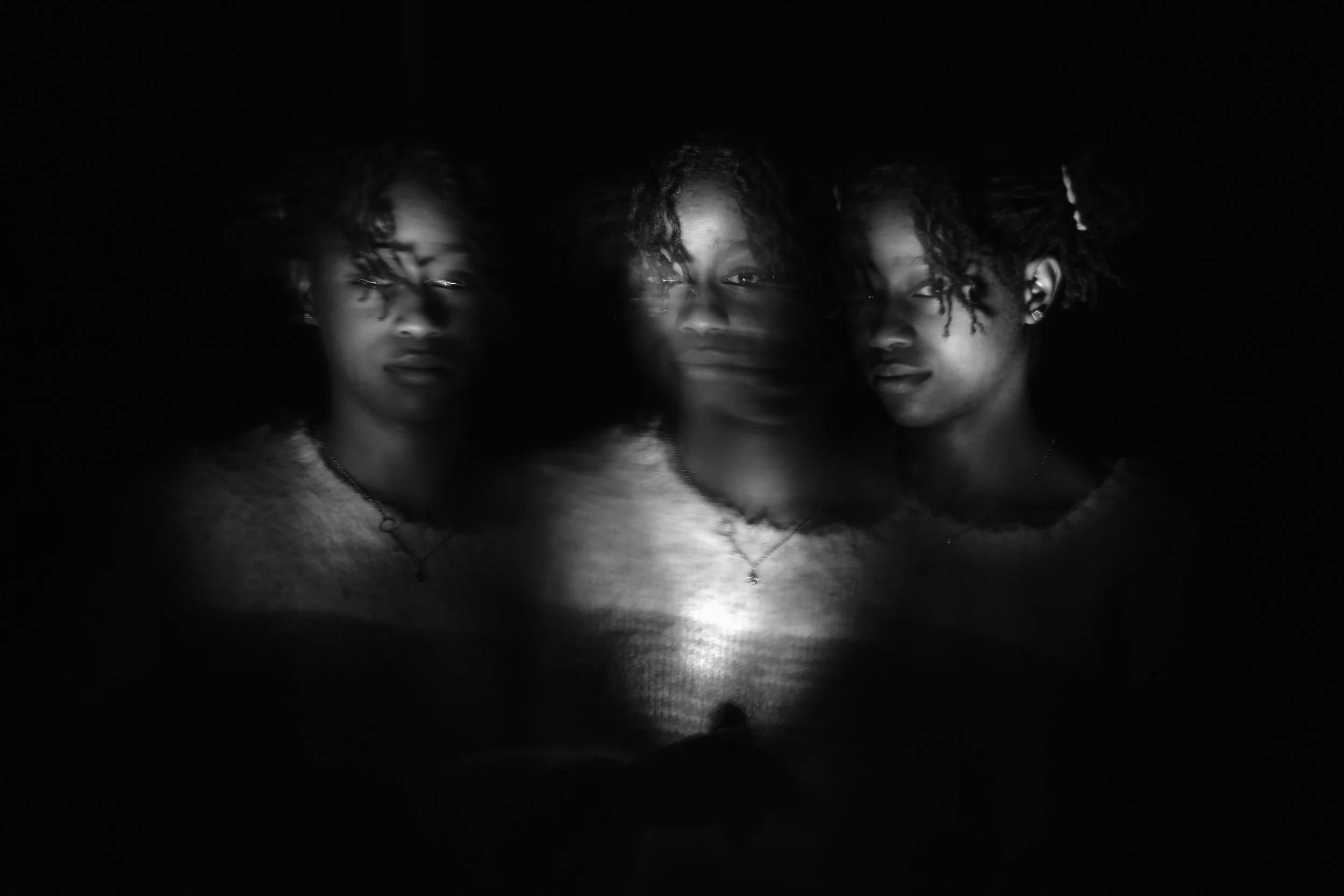
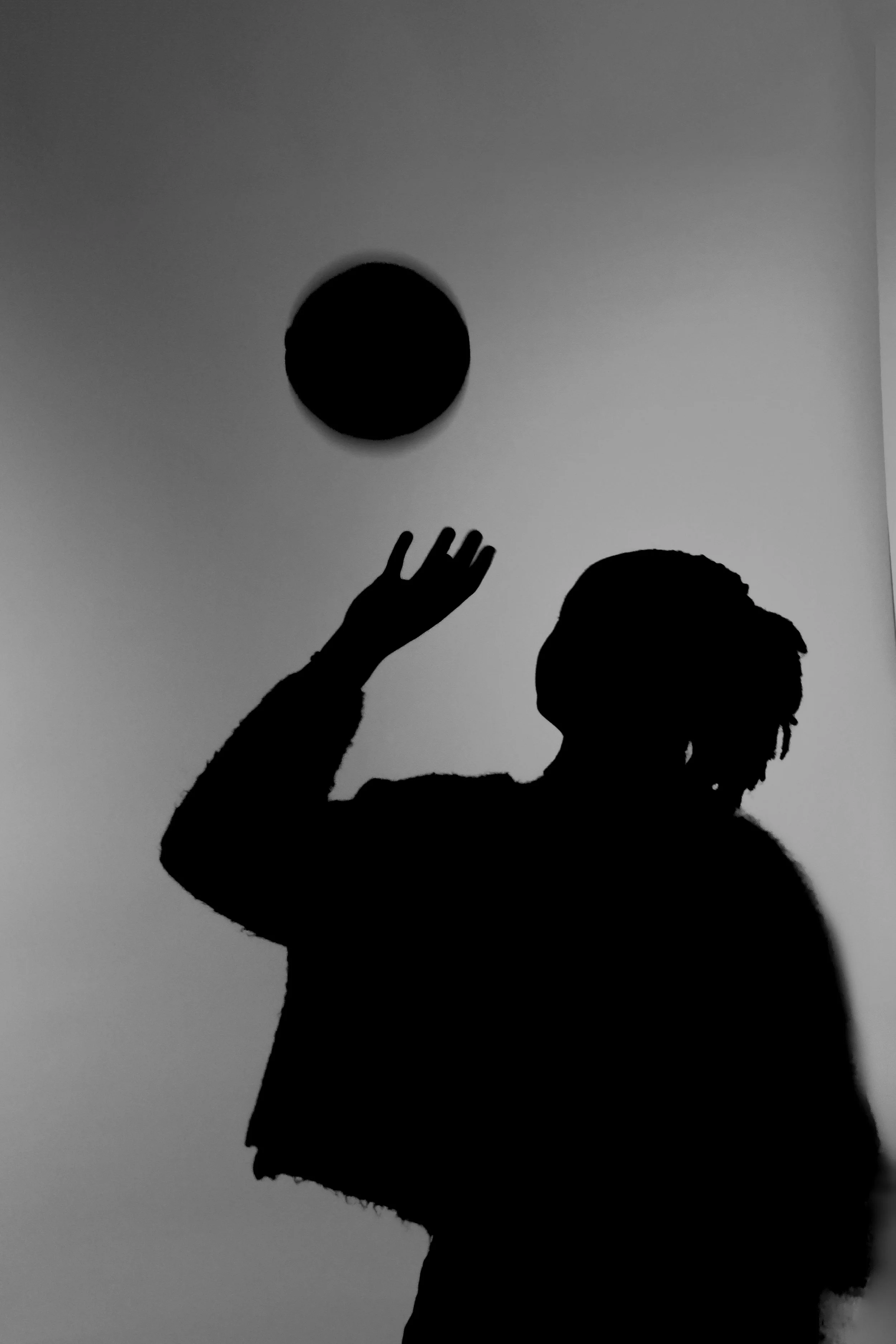
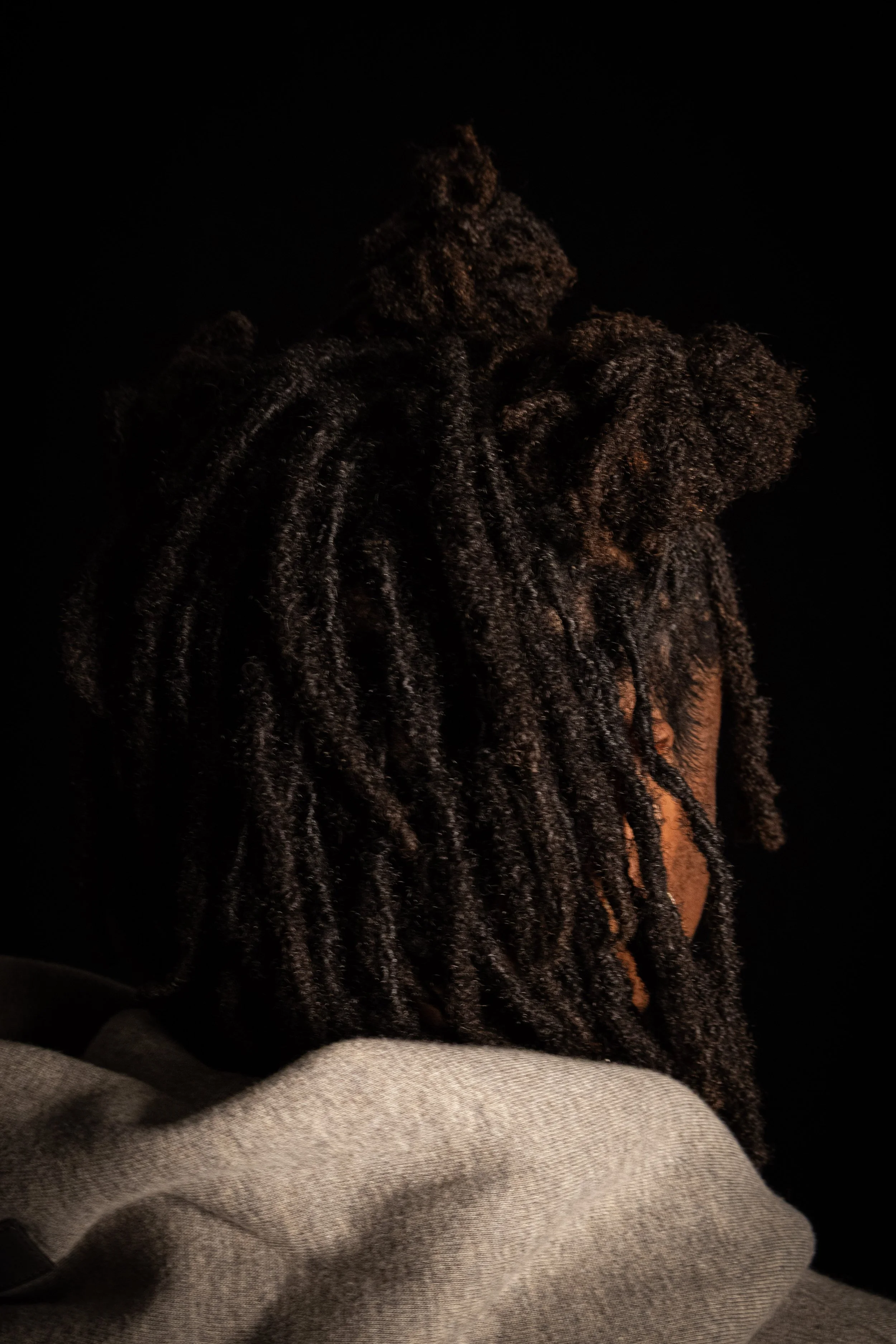
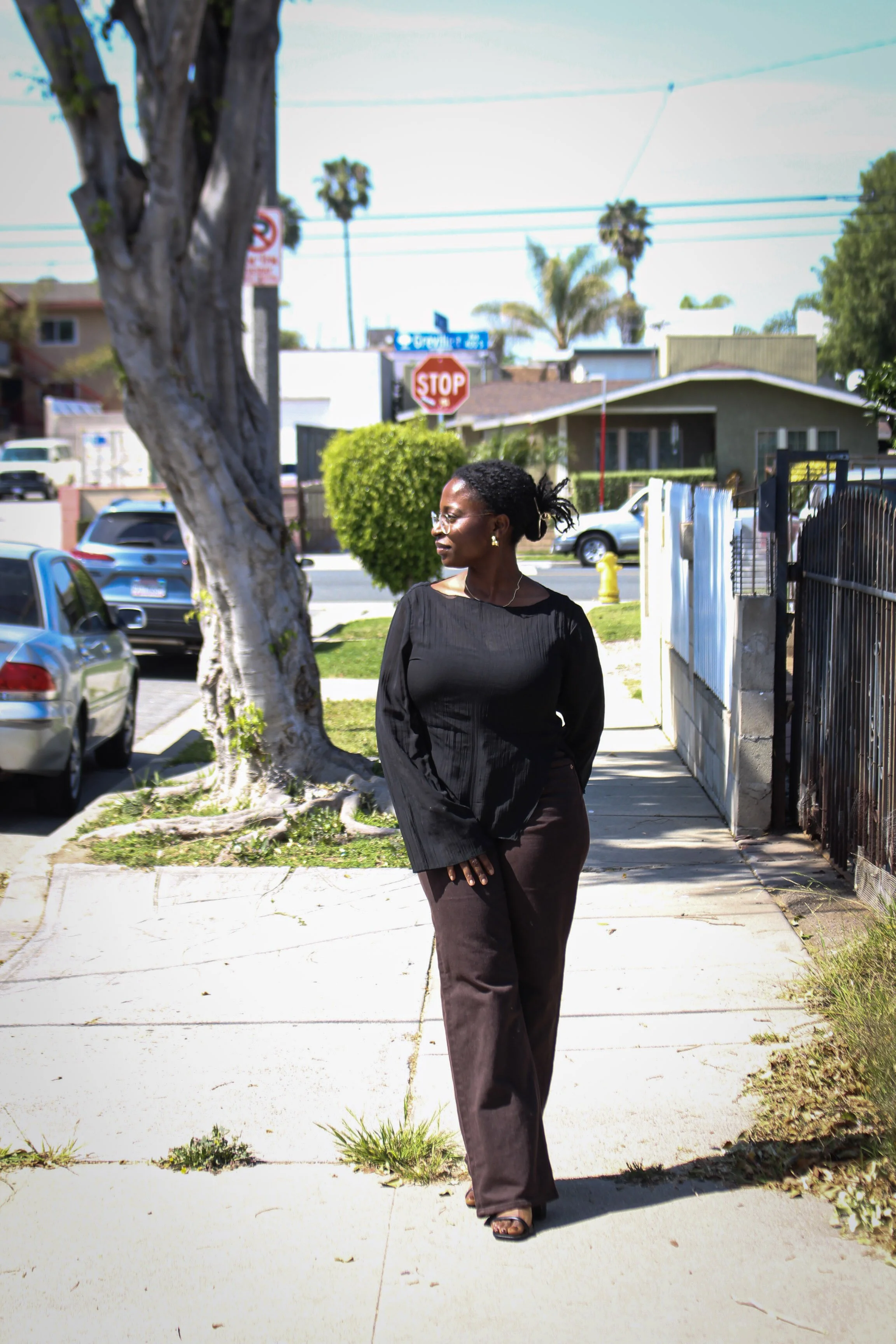
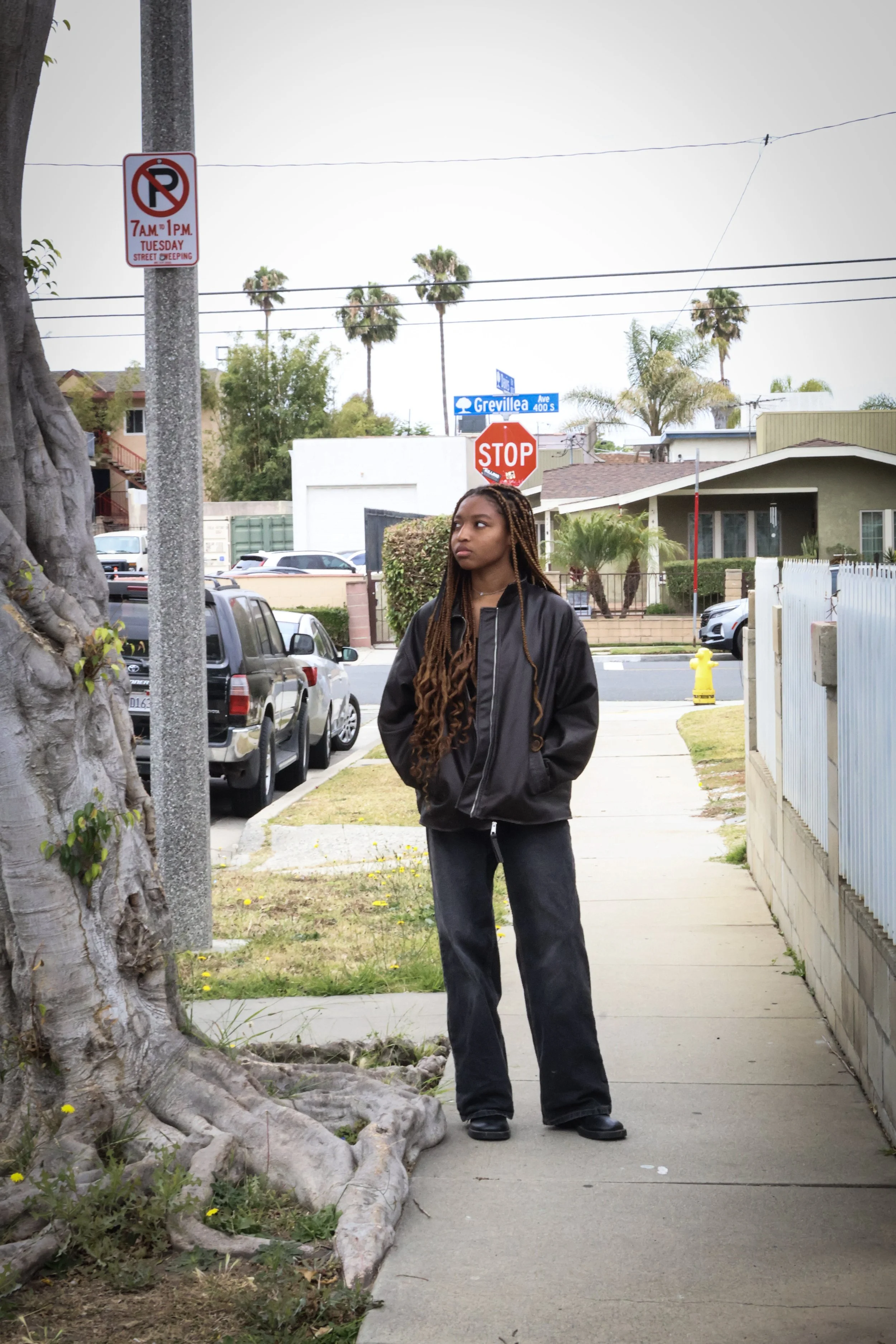
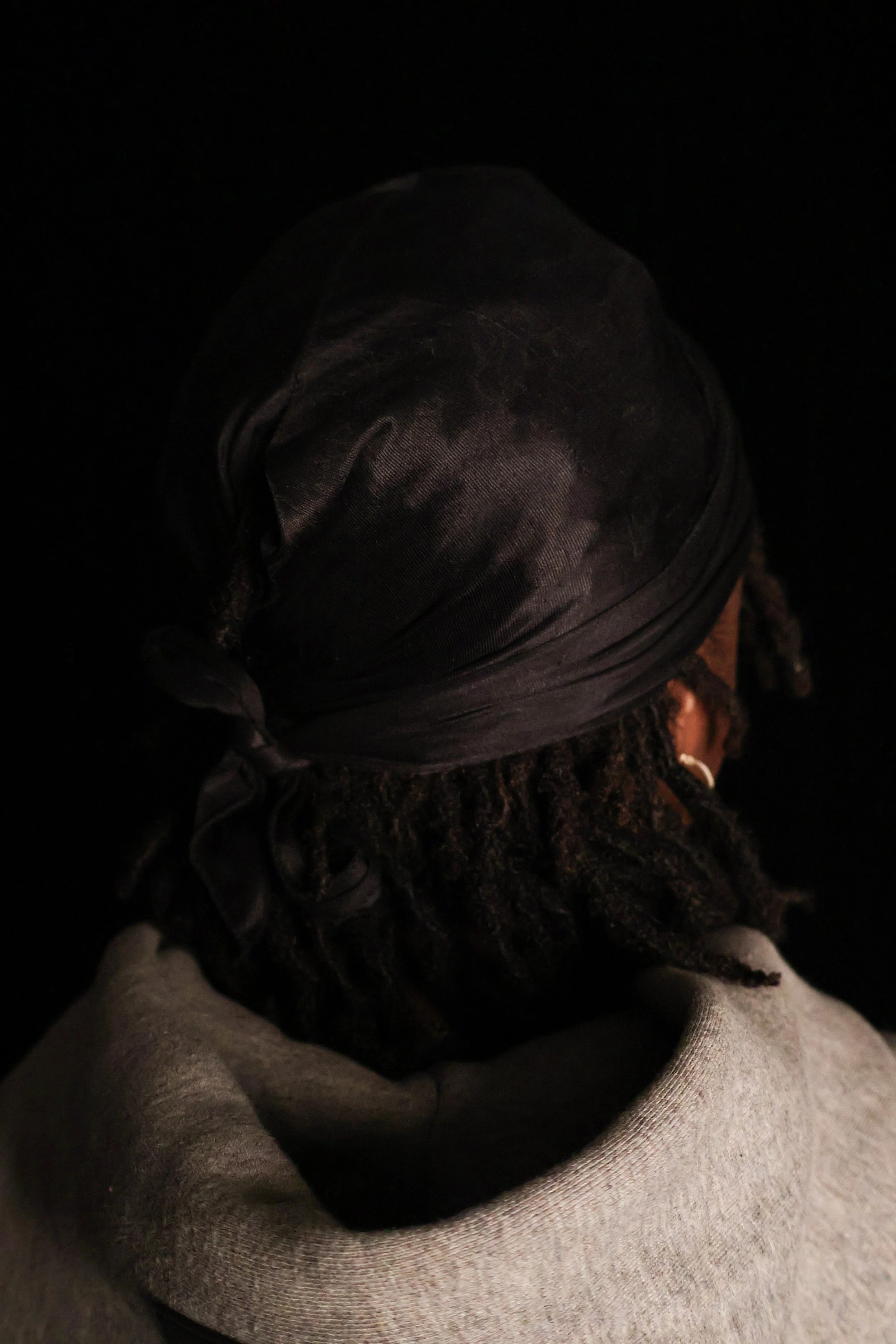
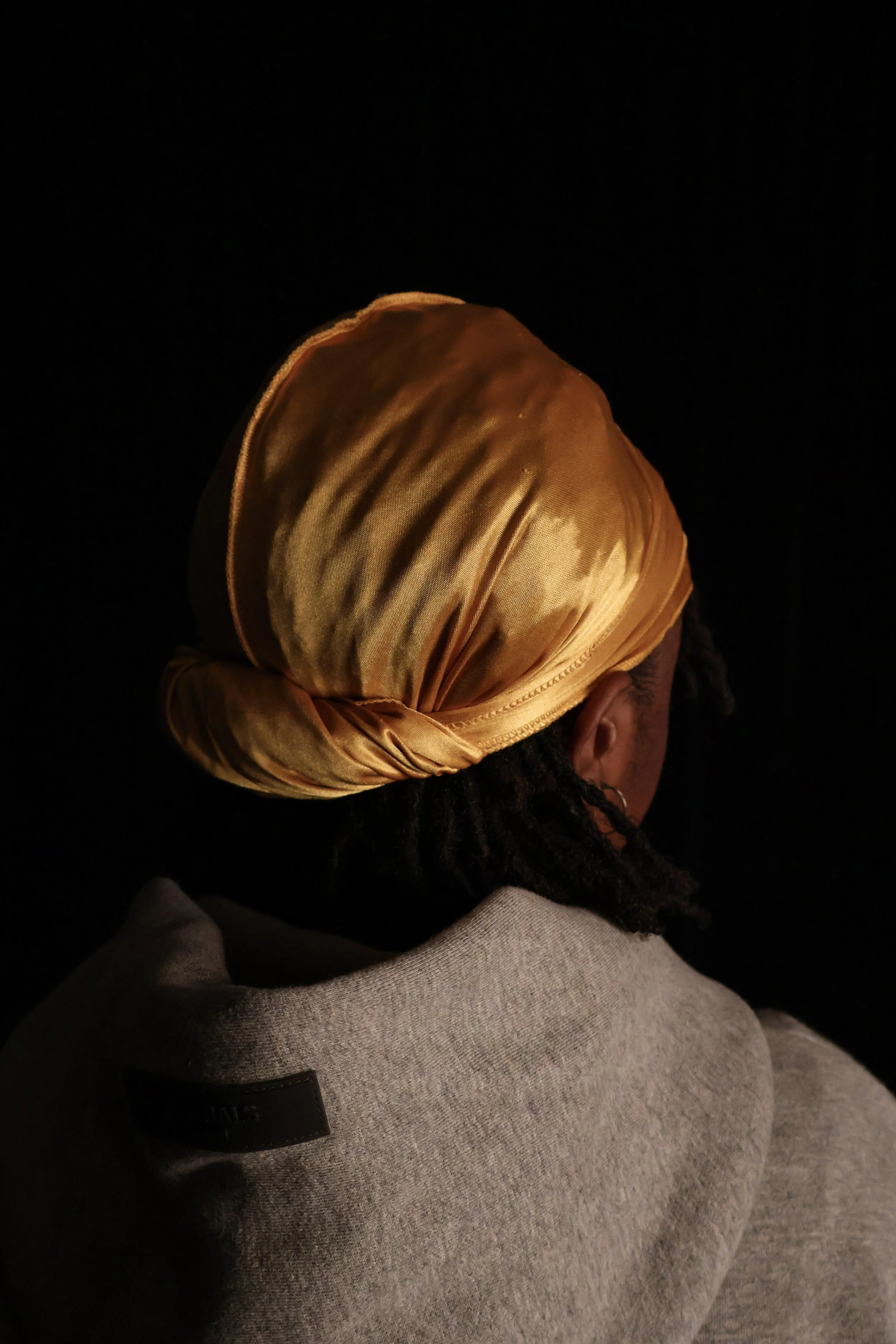
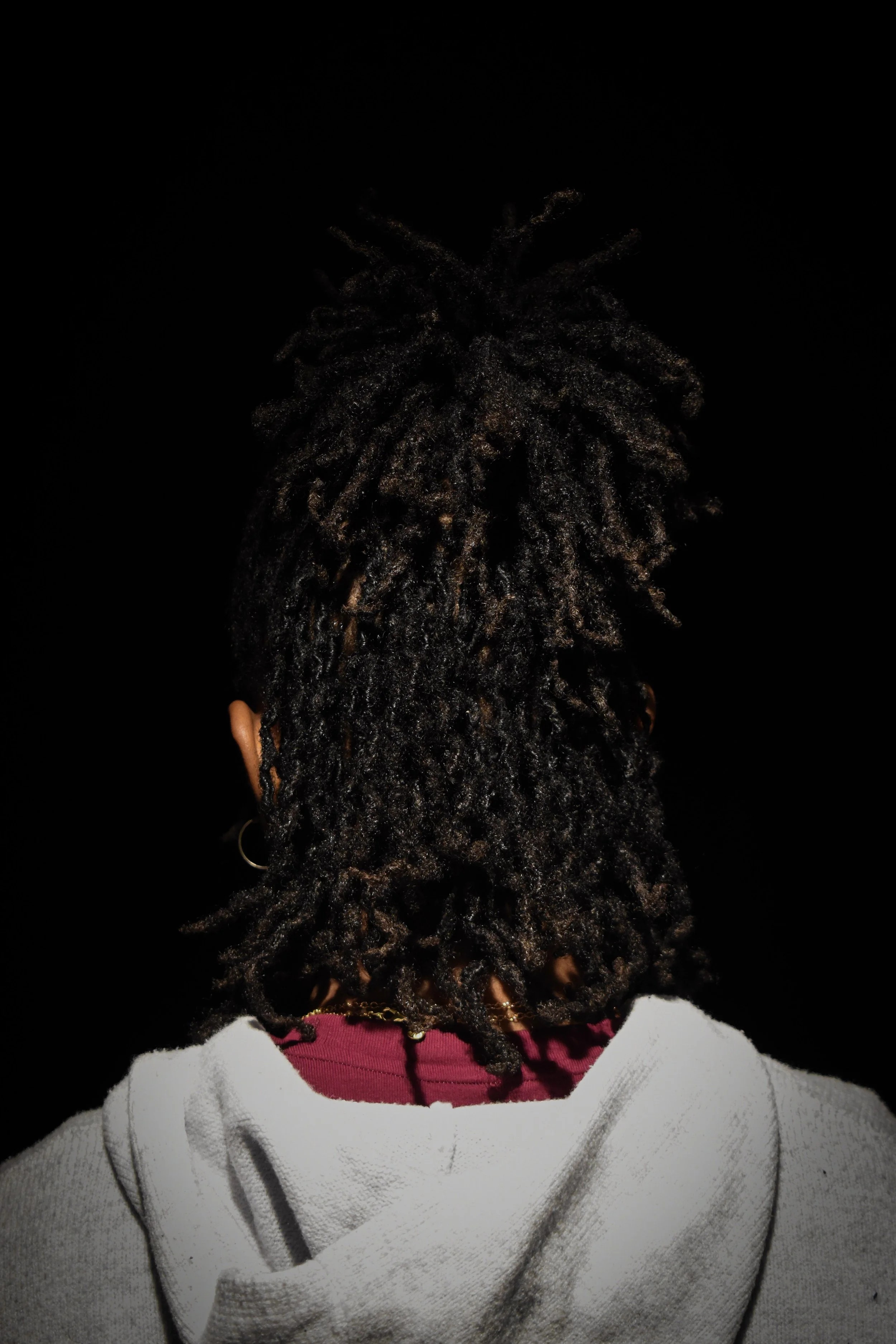
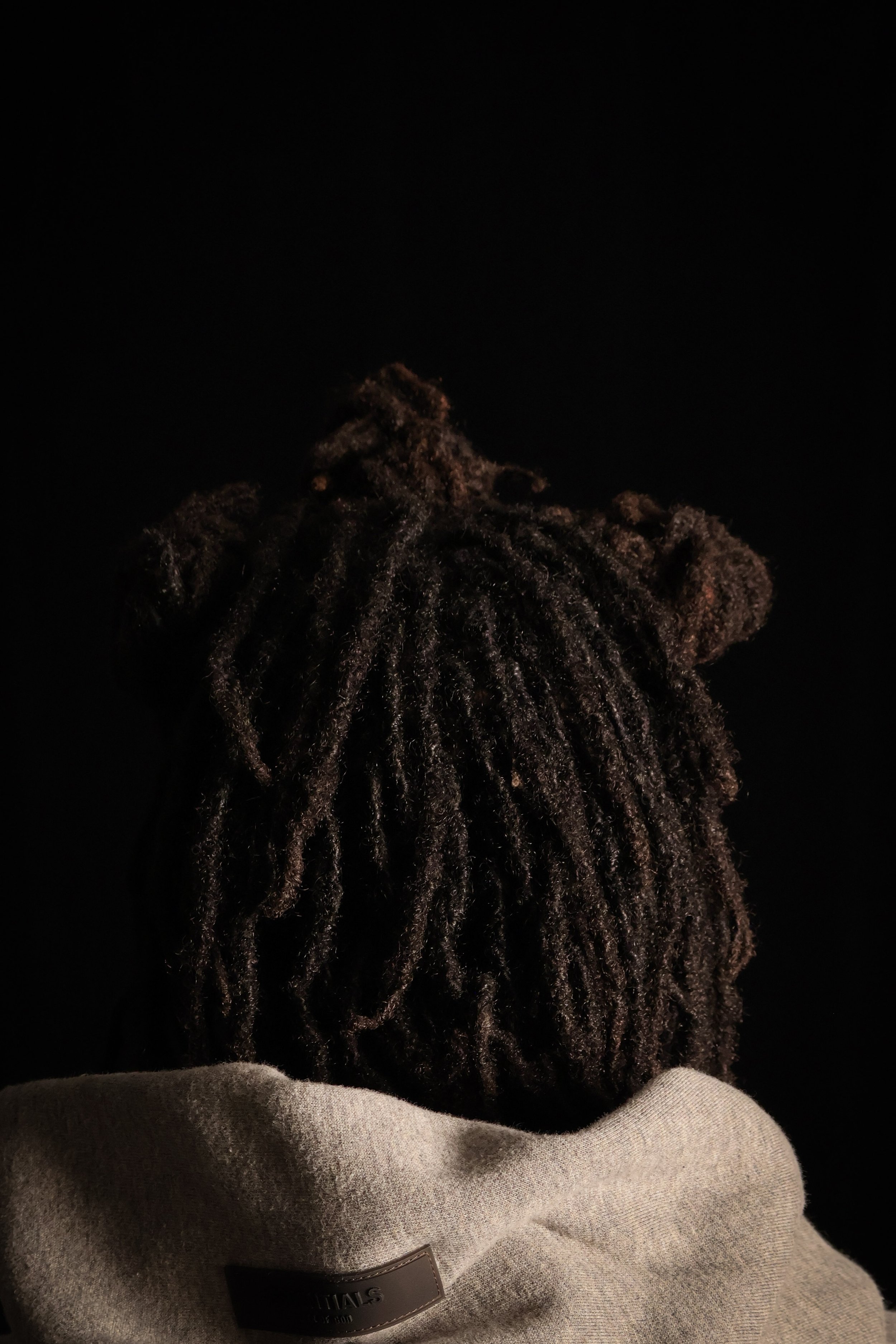
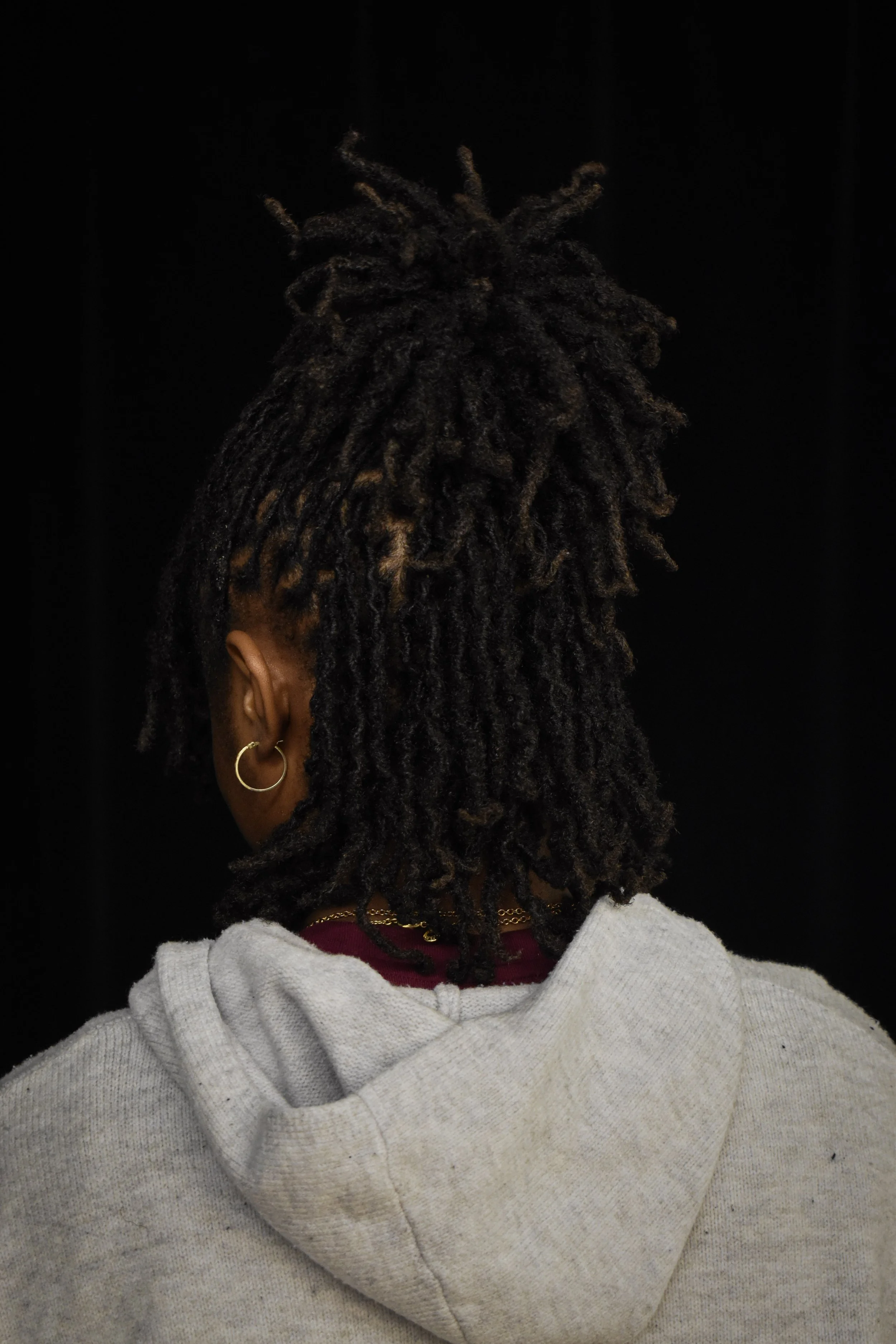
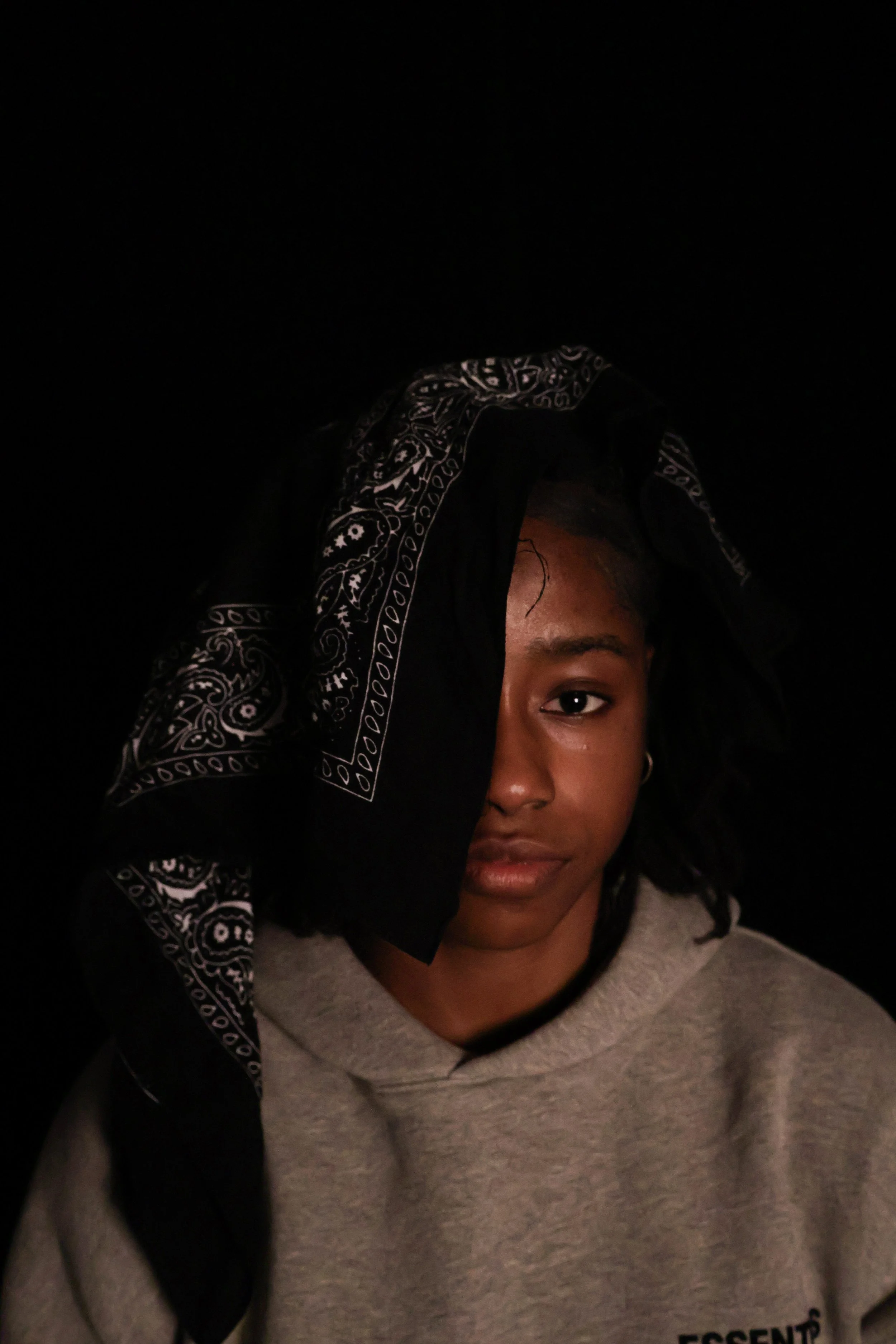
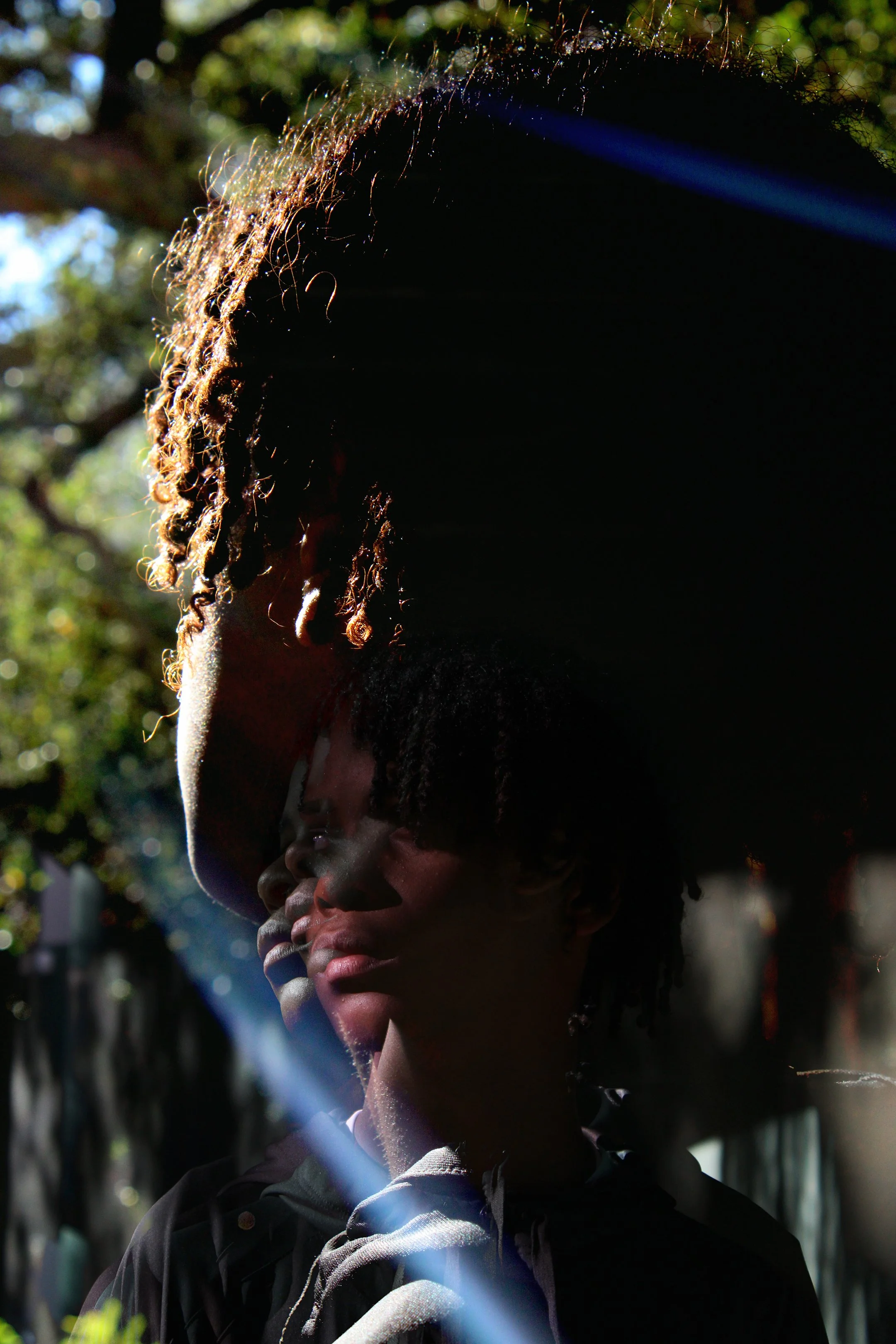
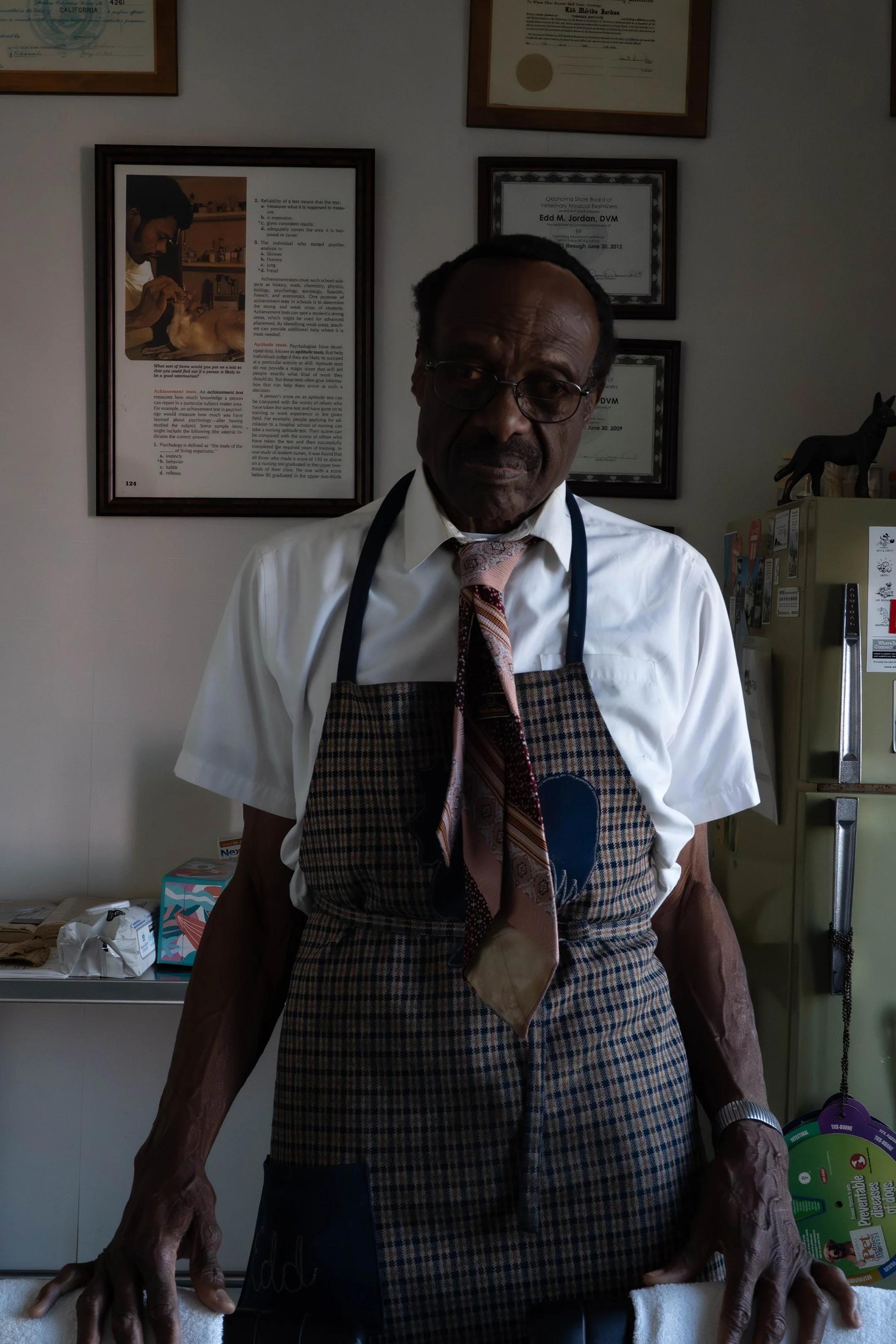
My project explores the stereotypes and assumptions that Black people, especially Black girls, face in everyday life. Society often makes judgments based on appearance, clothing, hairstyles, facial expressions, or where someone comes from. These assumptions can cause people to be labeled before they have the chance to express who they really are. Through my photographs, I wanted to show how these stereotypes affect the way Black individuals are perceived and understood.
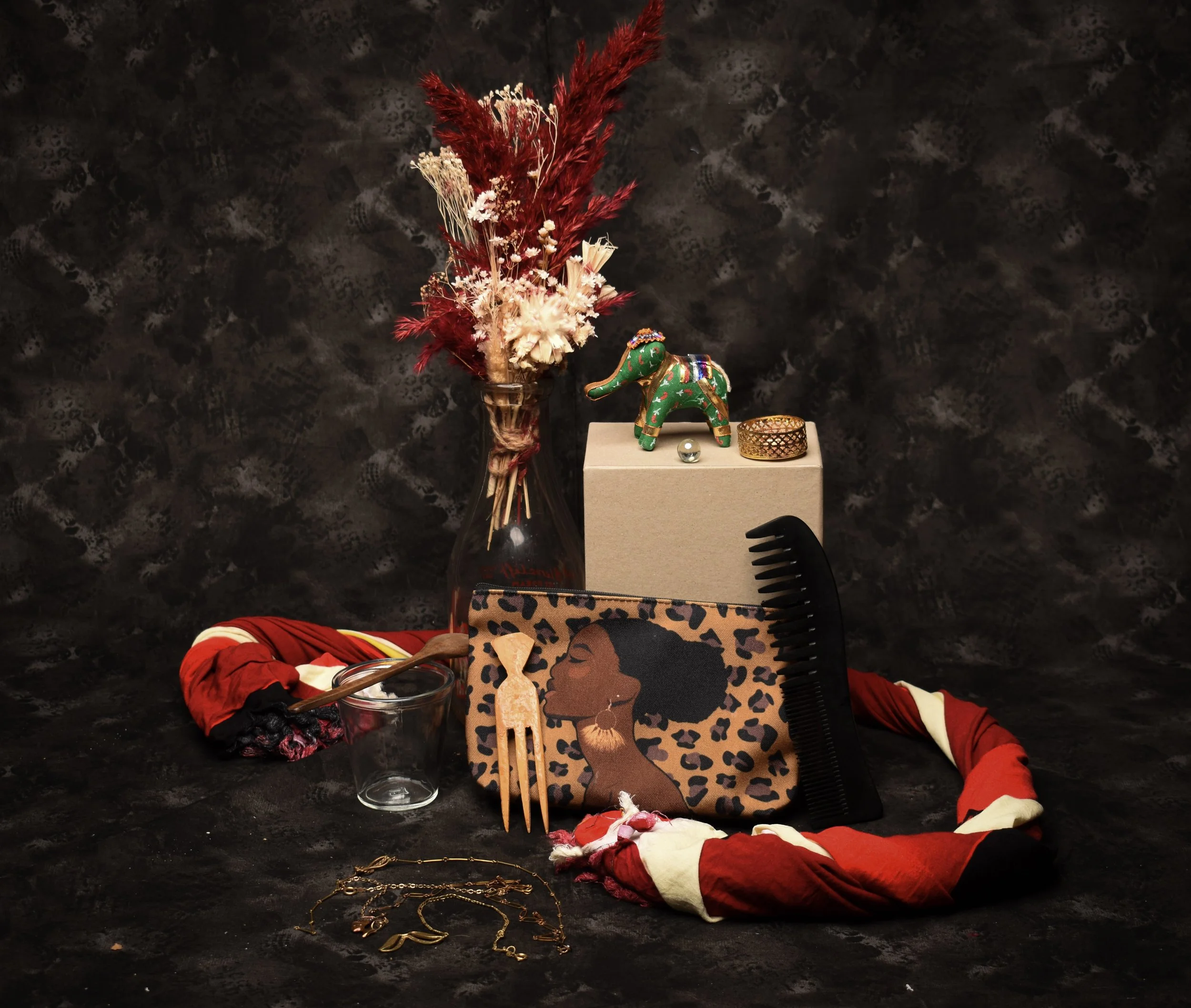
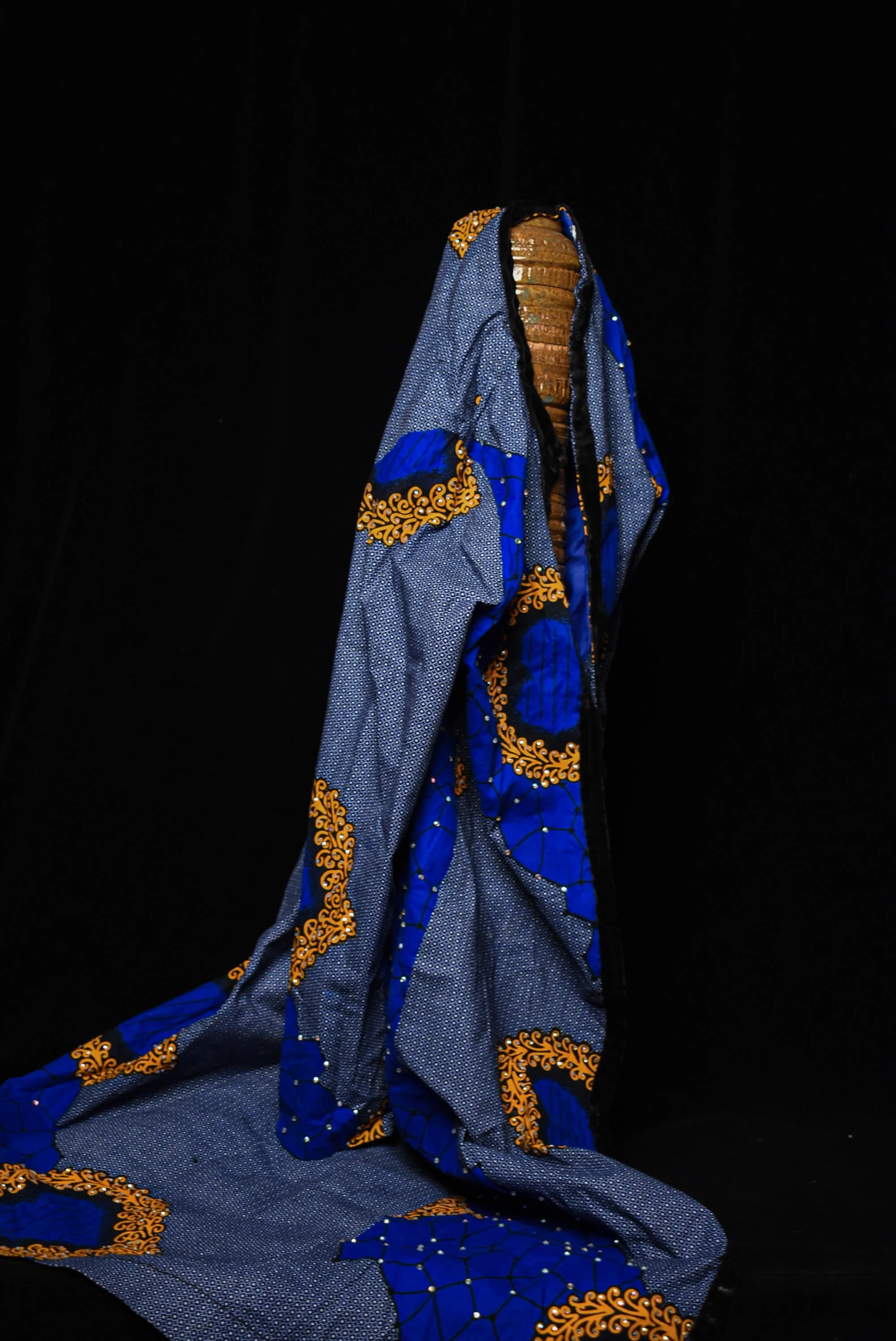
To communicate these ideas, I designed every page of the book with a black background to emphasize that the project centers on Black experiences and identity. The photographs have a warm yet somewhat melancholy tone, creating a contrast to stereotypes that often portray Black people as aggressive, intimidating, or lacking emotion. Two of the portraits feature people who are close to me being a Sunday school teacher from my church and my best friend. I photographed them on a street near our church that is less polished than many other locations because I wanted to challenge the assumptions people make about individuals based on their environment. By having them look away from the camera, I hoped to convey the feeling of being tired of constant judgment while continuing to move forward despite it. I also included photographs of Nigerian fabrics to celebrate my culture and present it in a positive light. Throughout the project, images of hair, scarves, jewelry, and other personal items explore how appearance often becomes the basis for stereotypes, even though it can also be a source of identity, culture, and self-expression.
Through this project, I hope viewers gain a deeper understanding of Black identity beyond the stereotypes and assumptions that often shape perception. Black identity is not one story, one appearance, or one experience, it is made up of many cultures, emotions, histories, and individual perspectives. By highlighting both personal and cultural aspects of Black life, I wanted to challenge the narrow ways Black people are often represented and encourage viewers to see the humanity, complexity, and individuality that exist beyond labels. Ultimately, this project is a celebration of Black identity and a reminder that every person deserves to be seen for who they truly are.
Feliciano
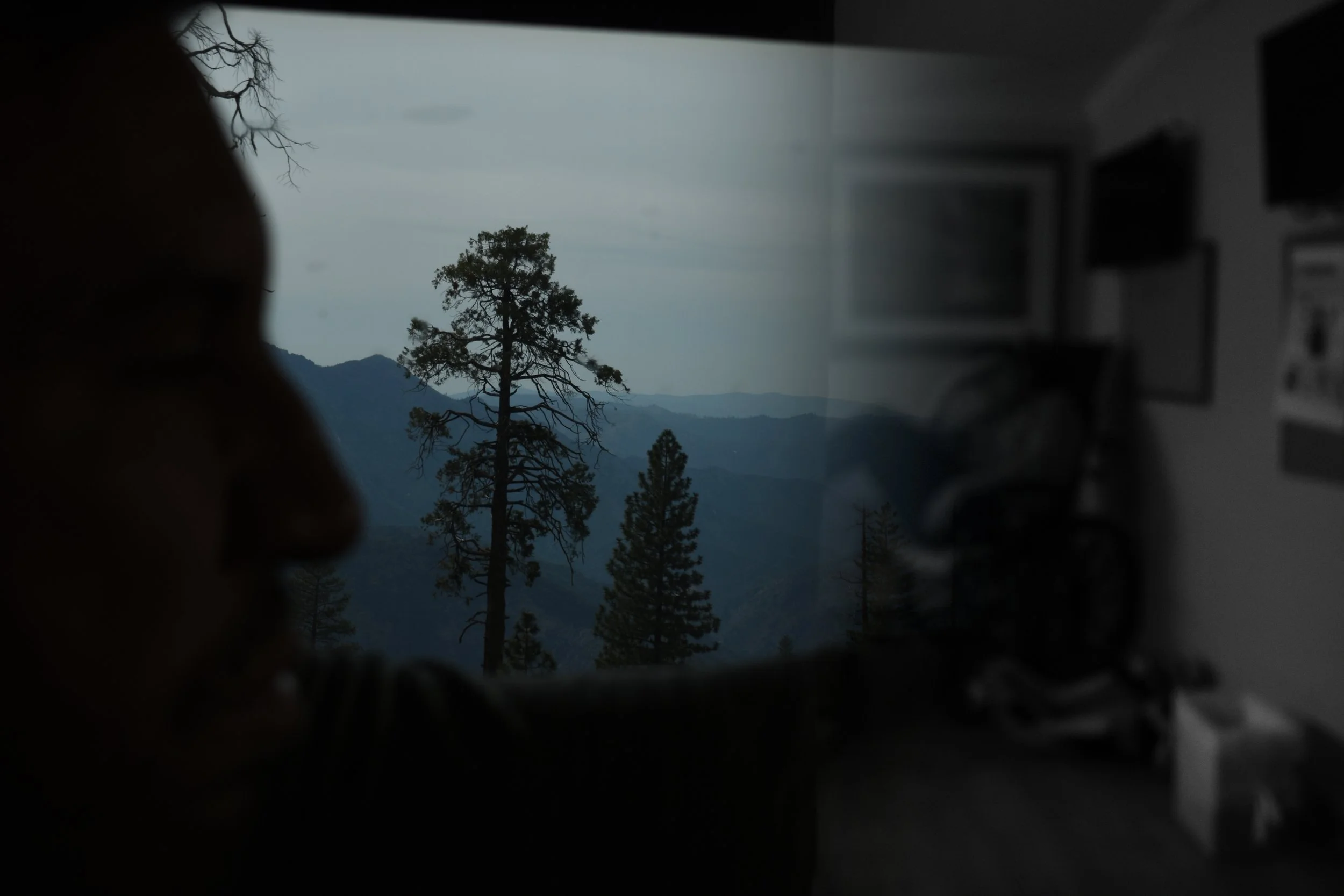
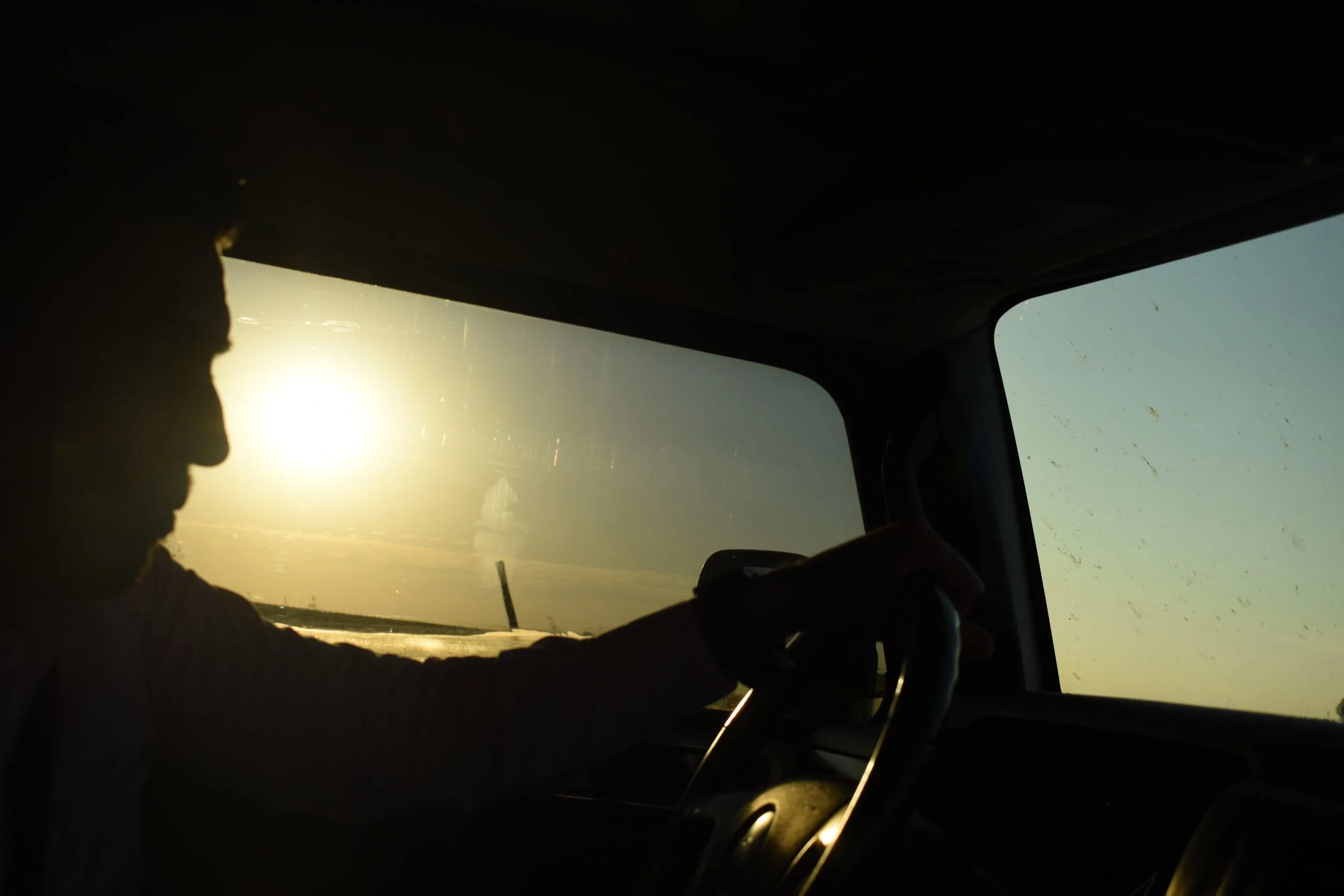
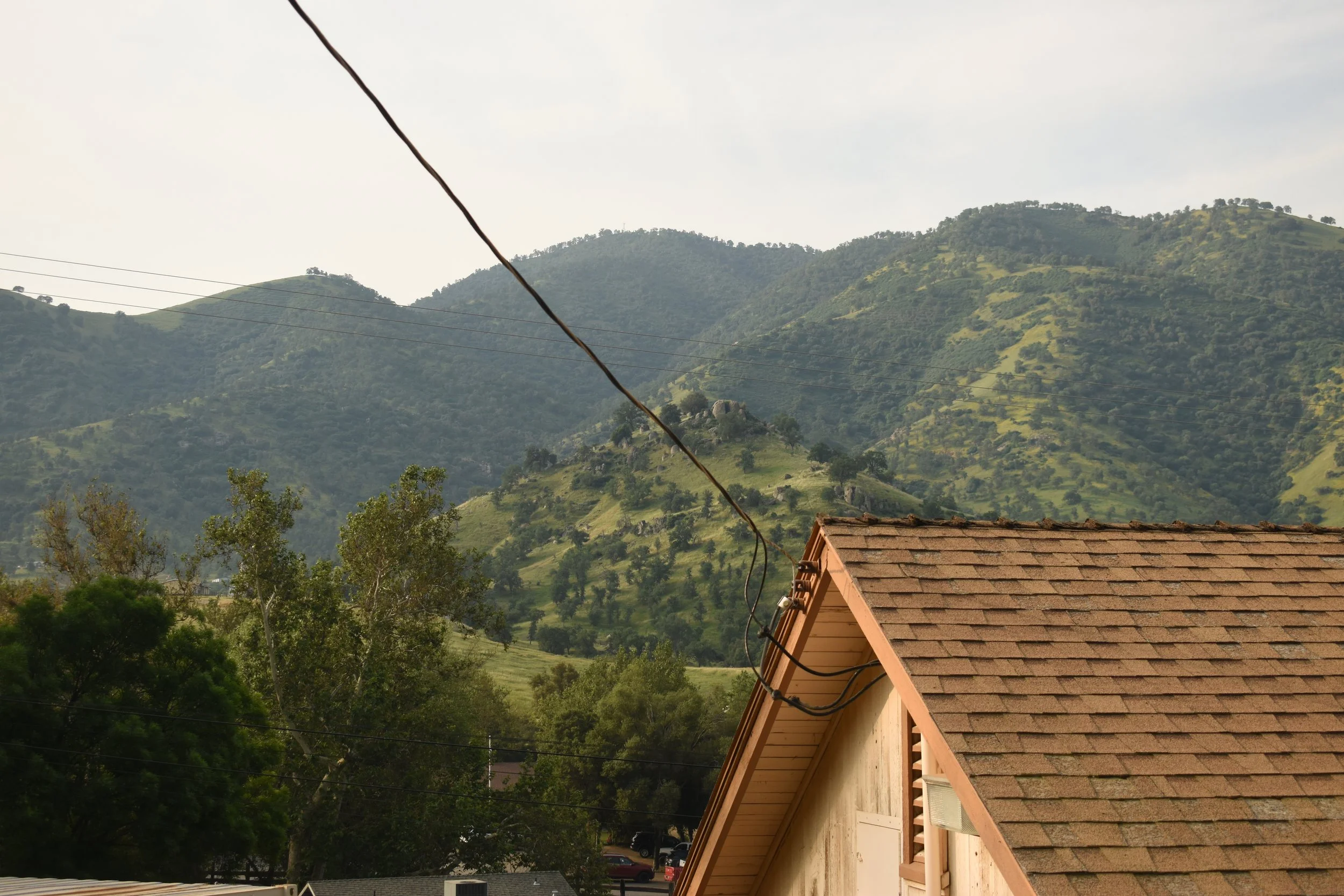
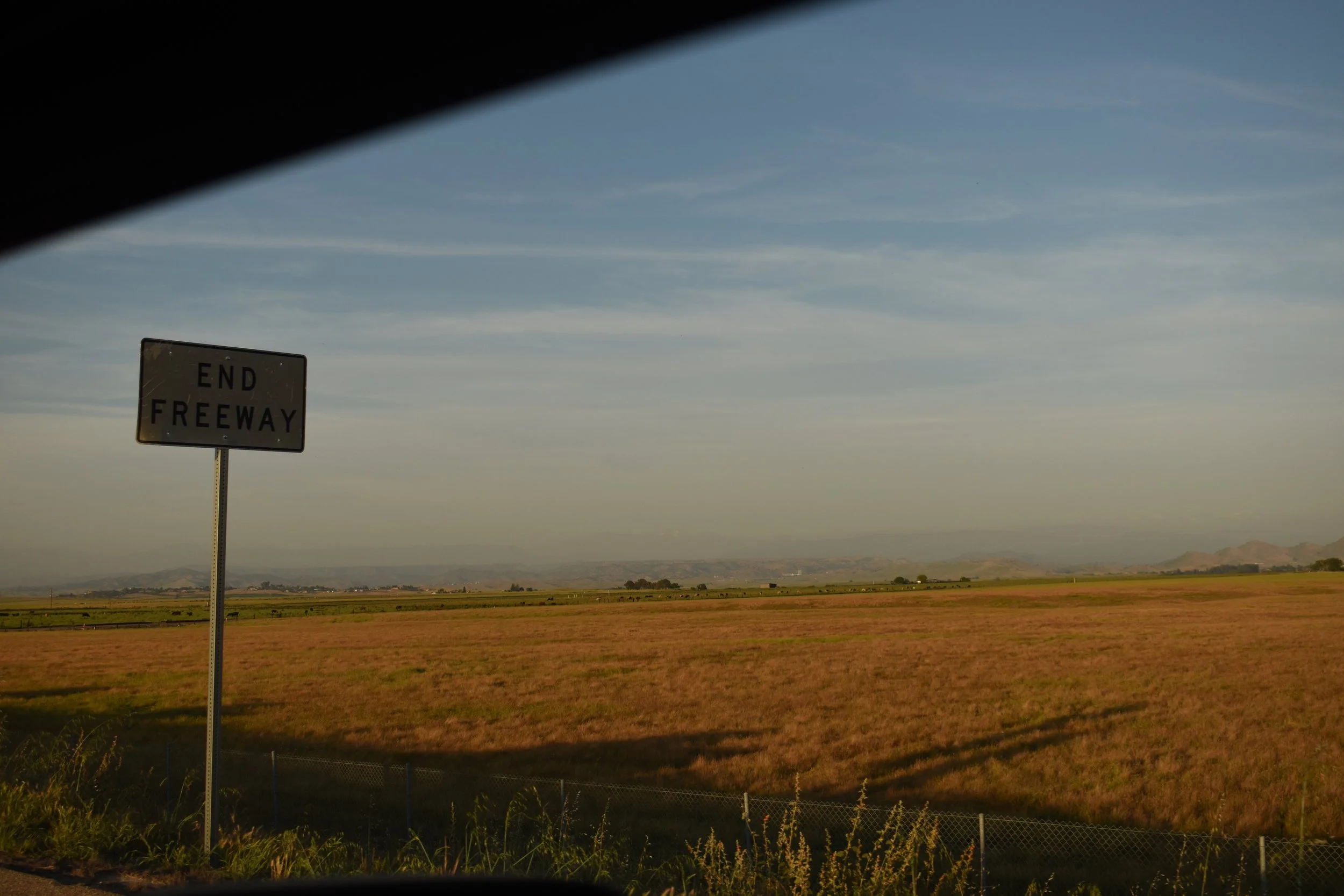
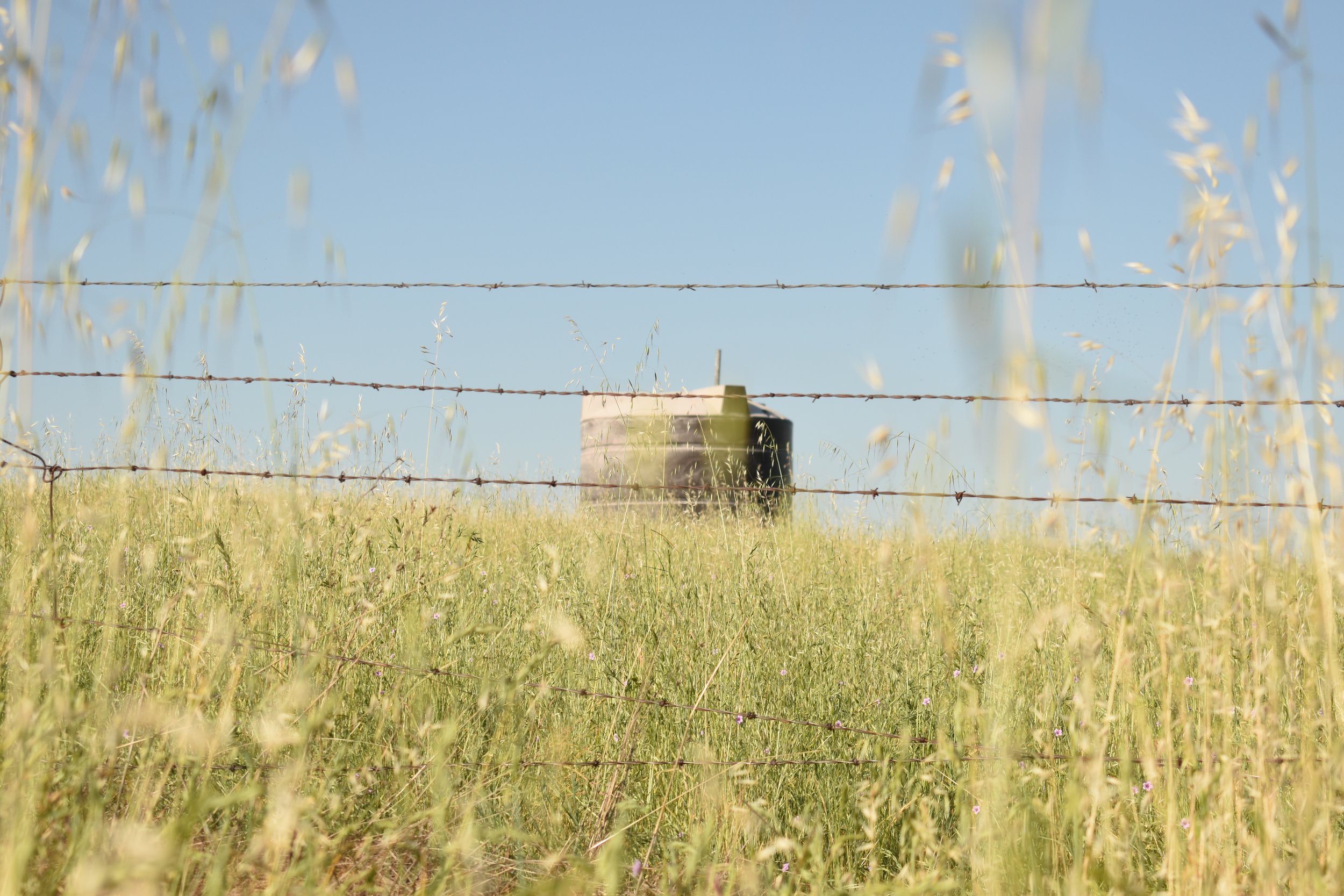
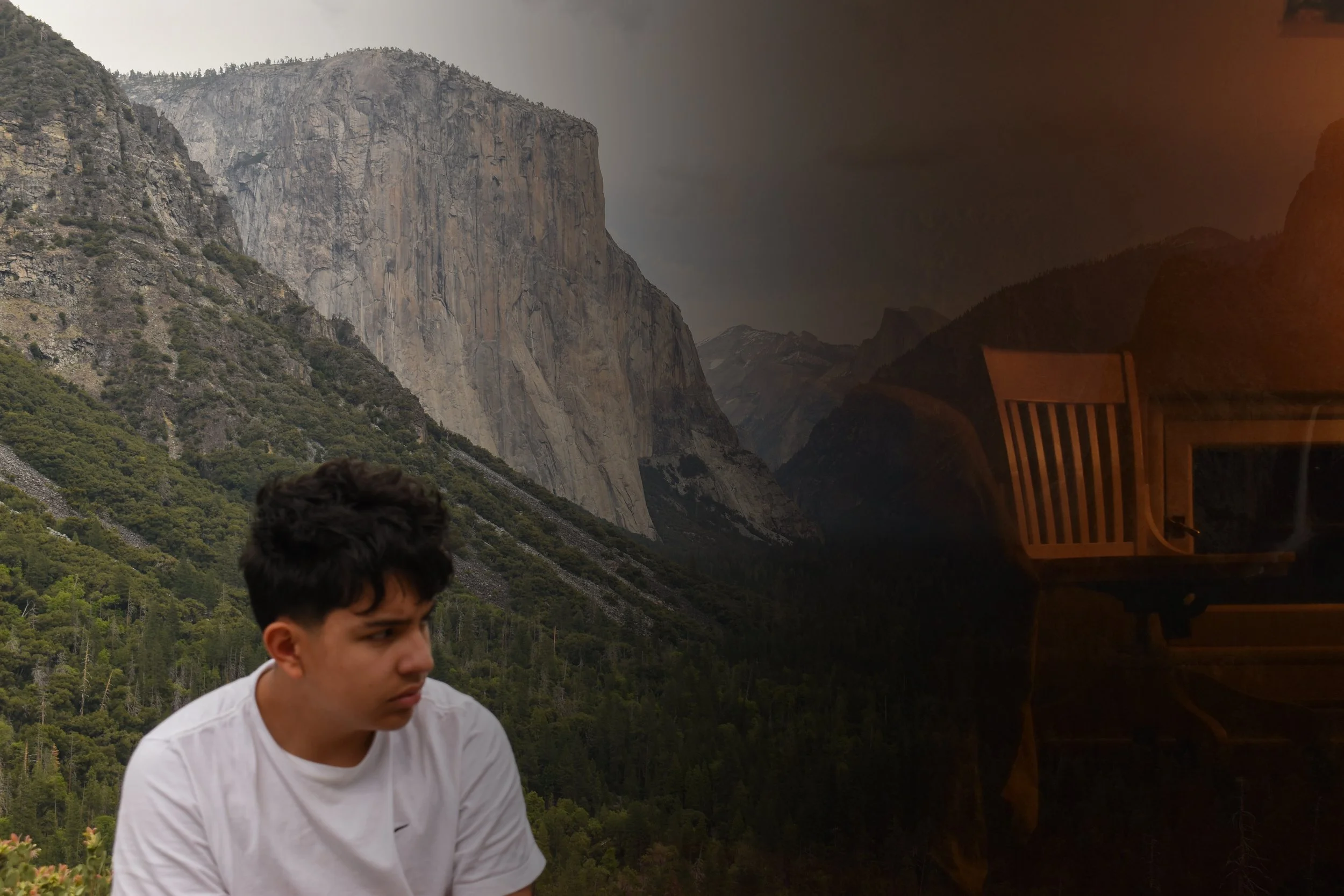
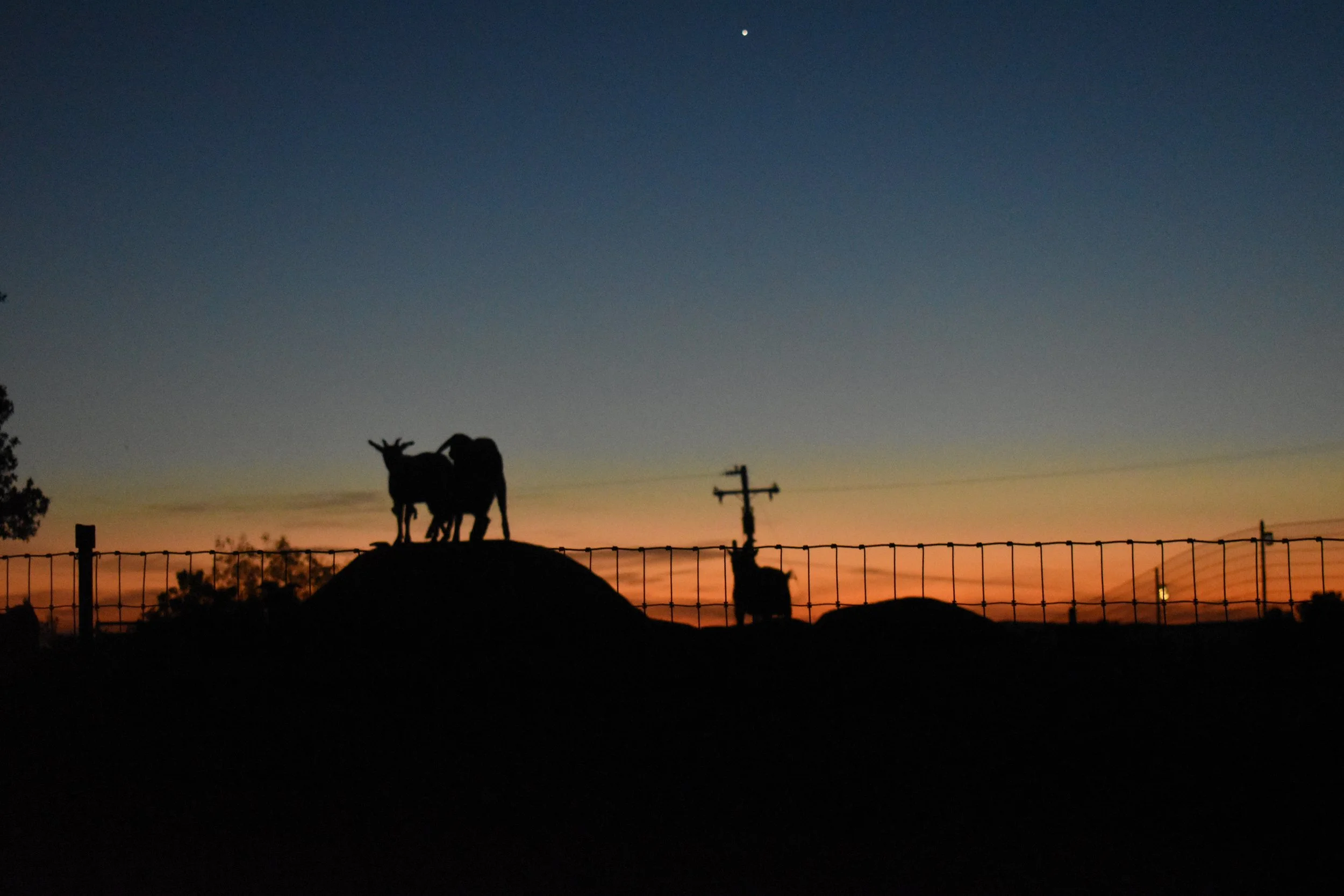
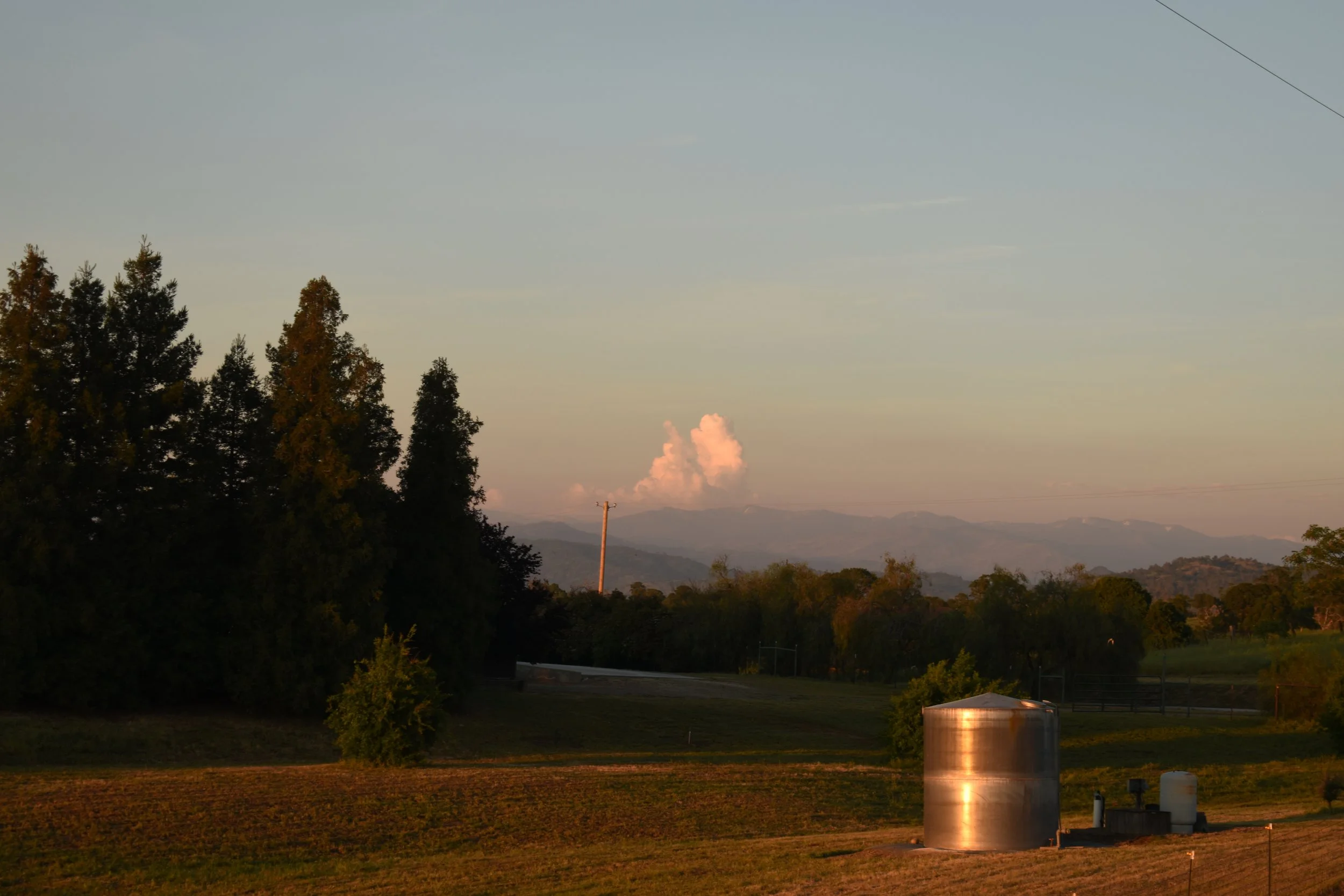
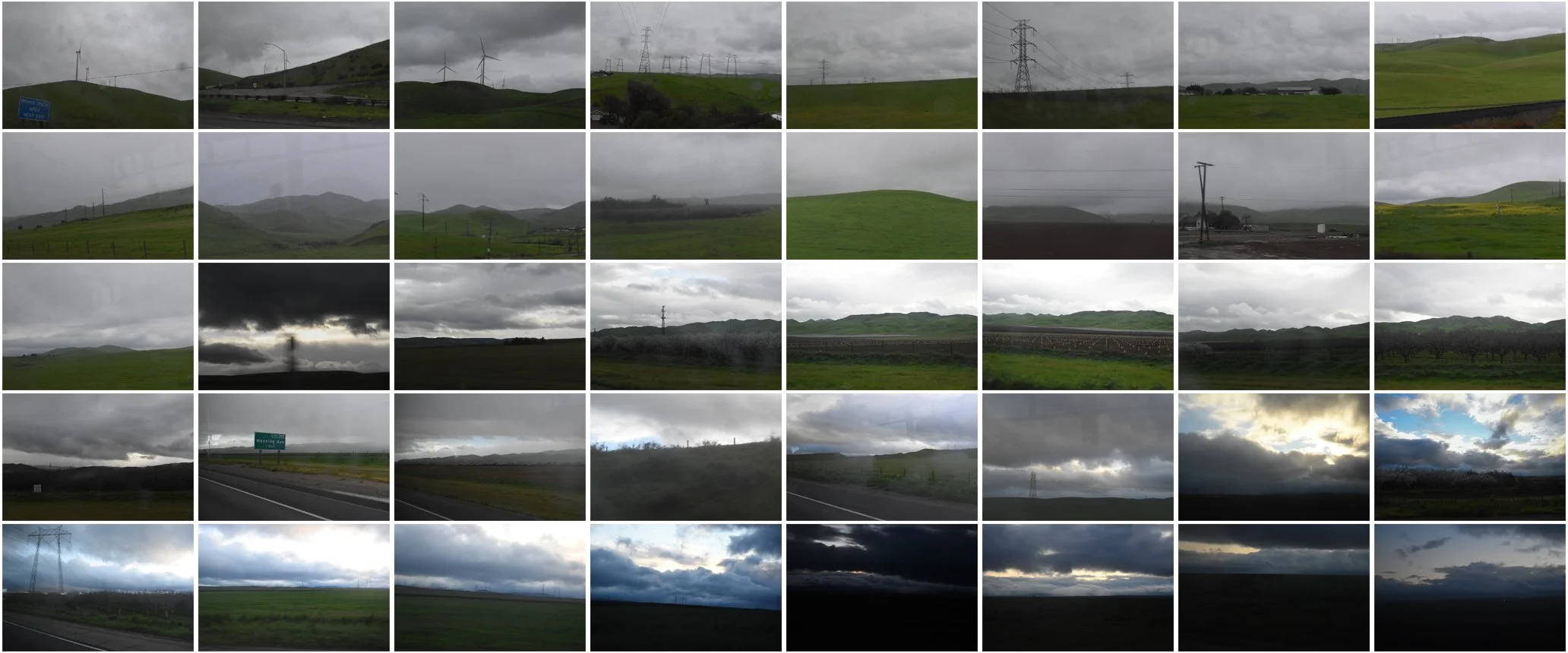
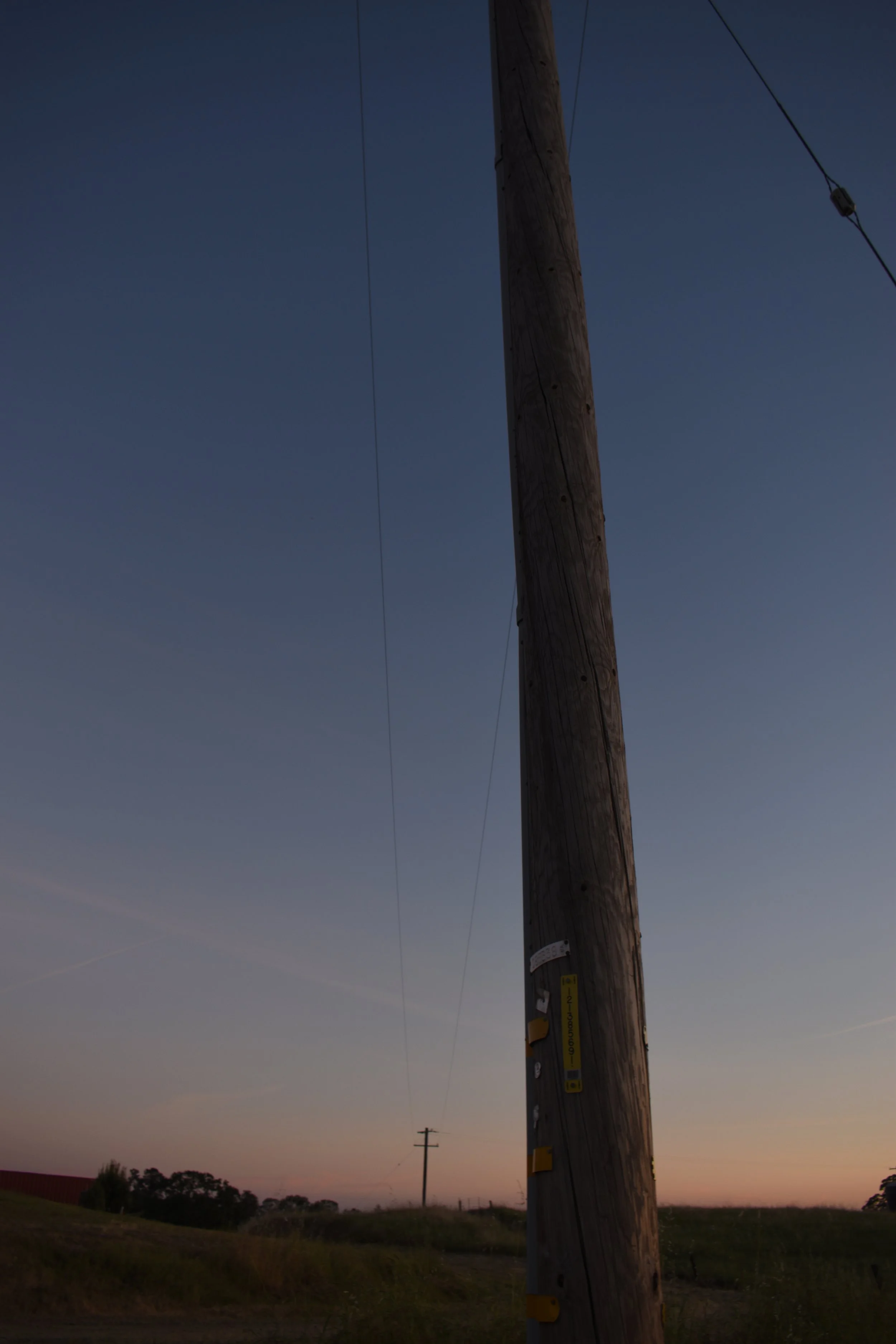
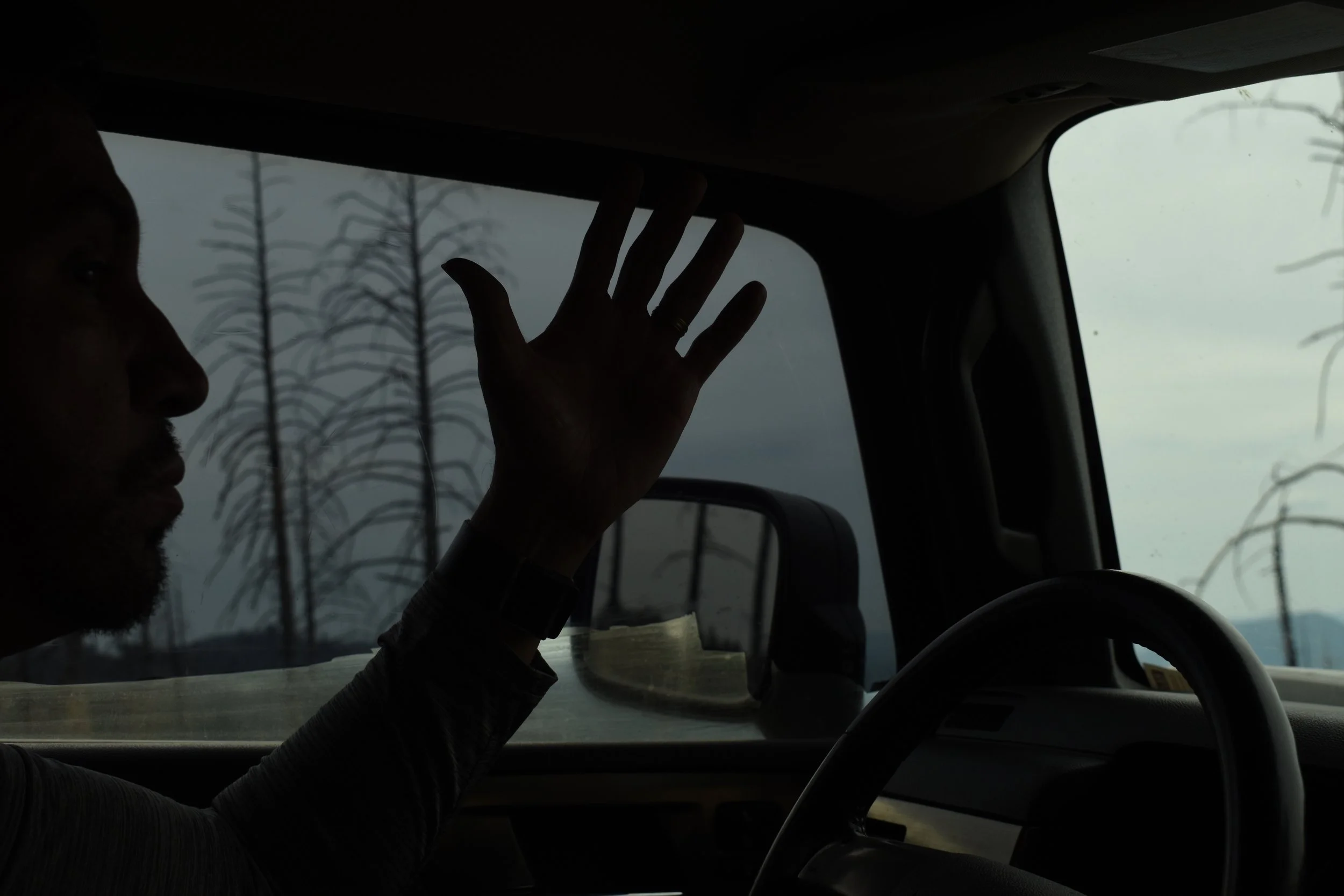
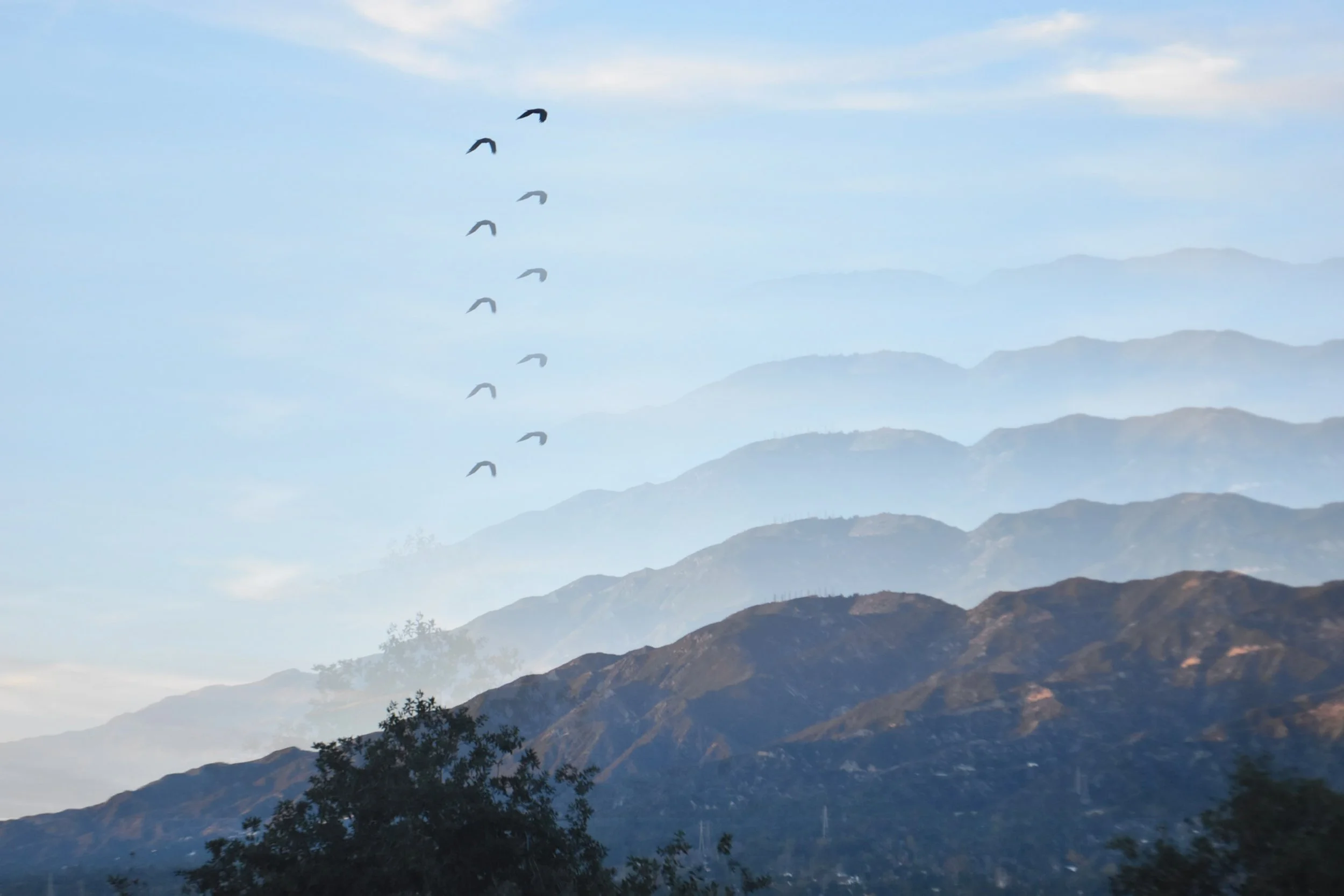
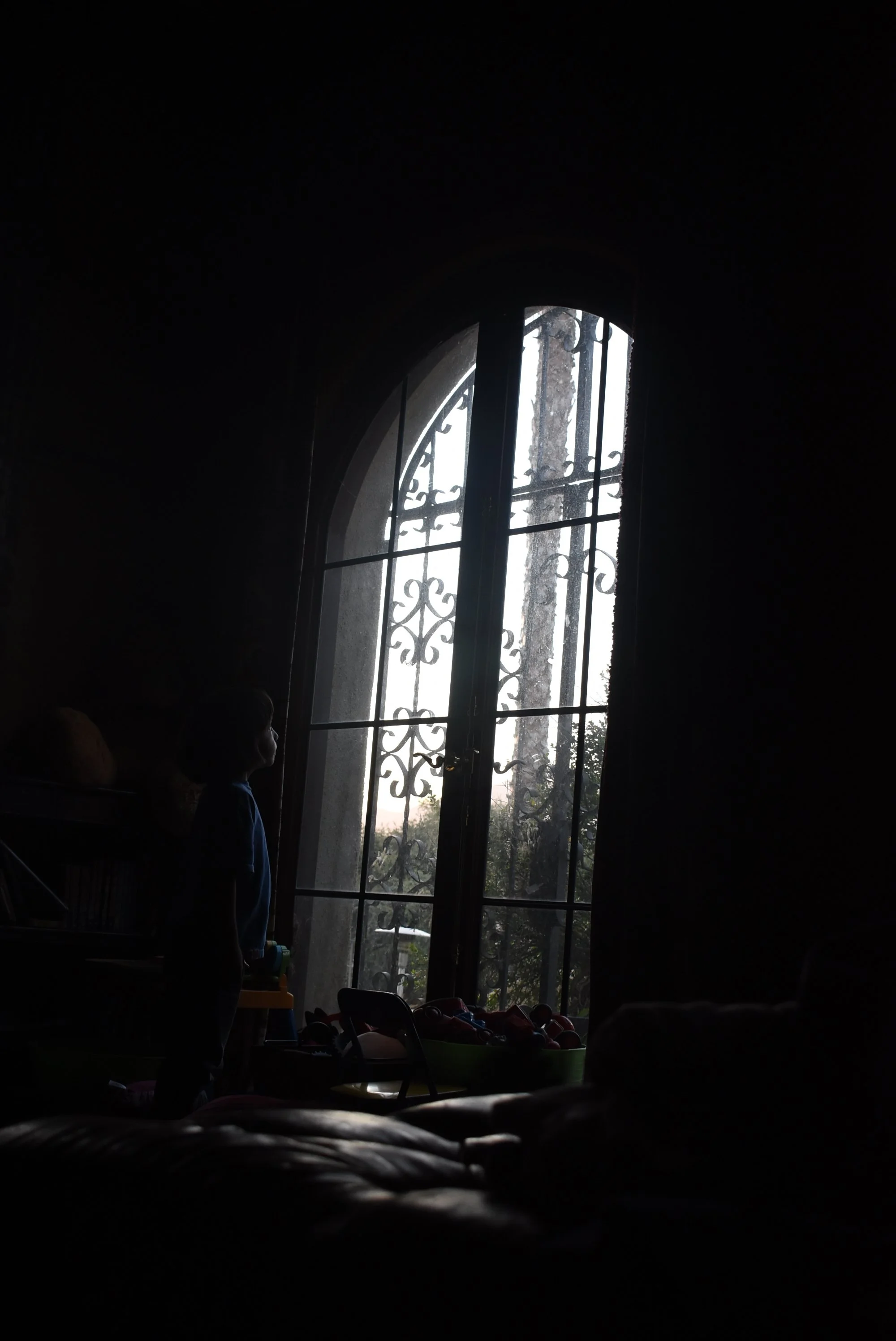
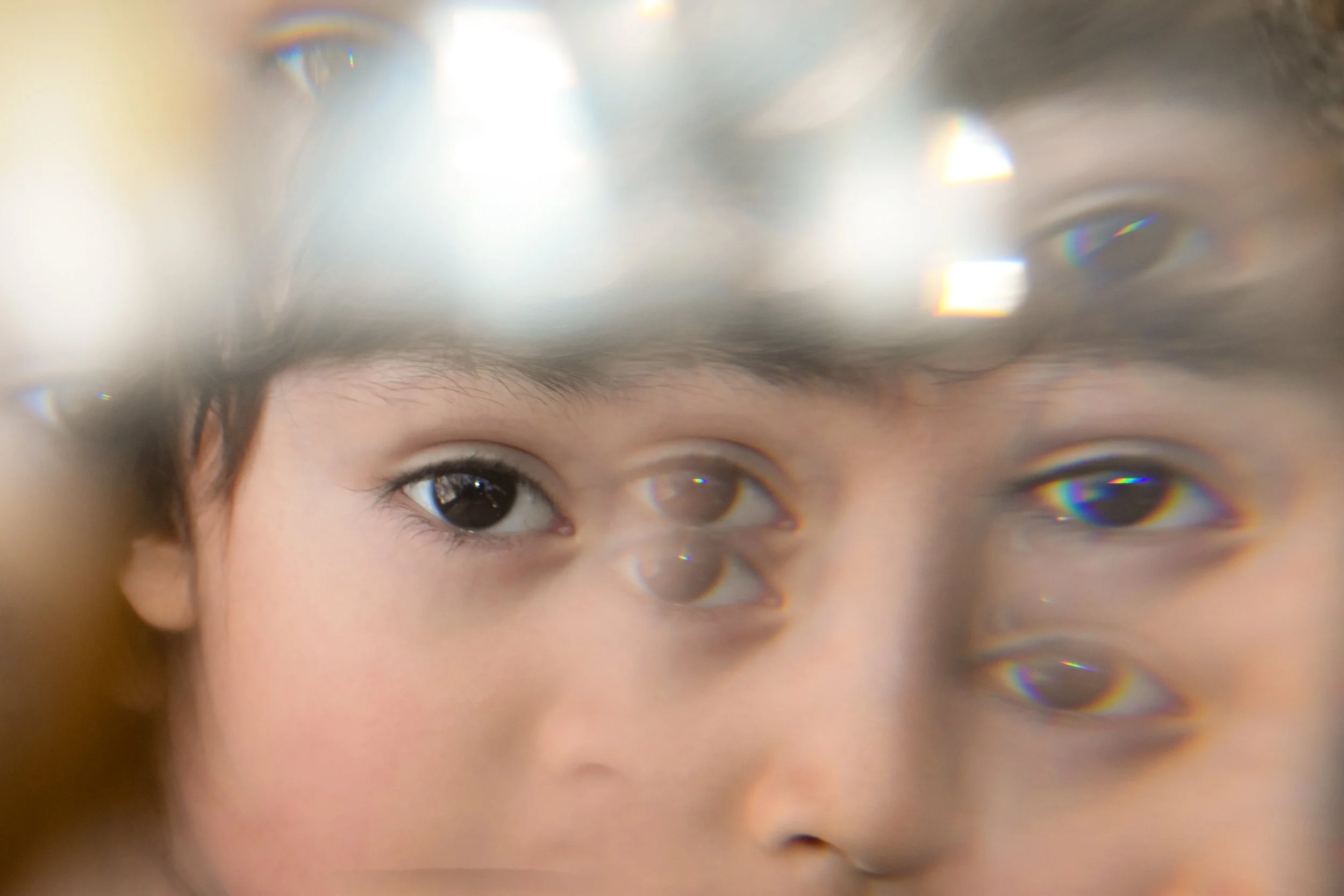
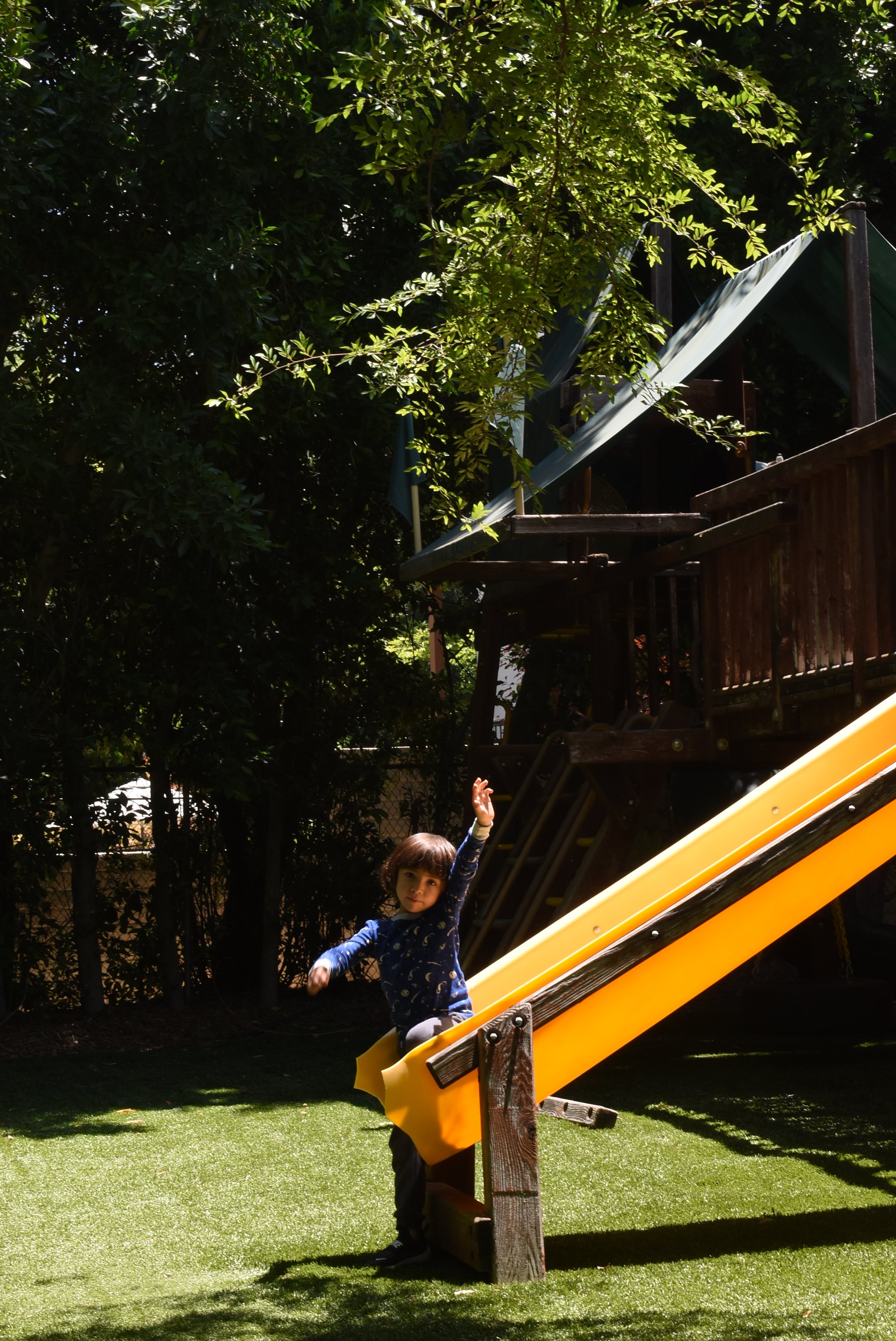
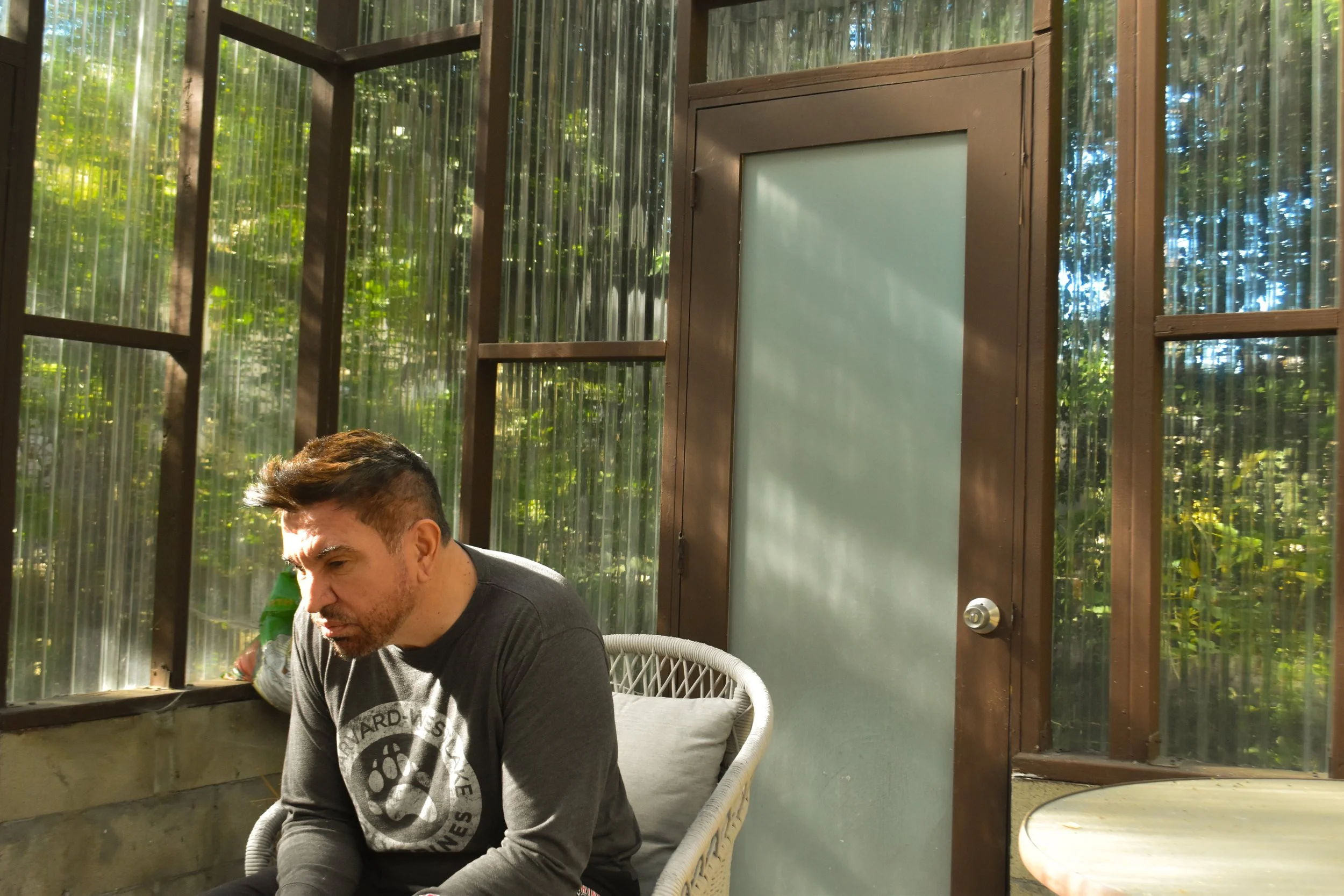
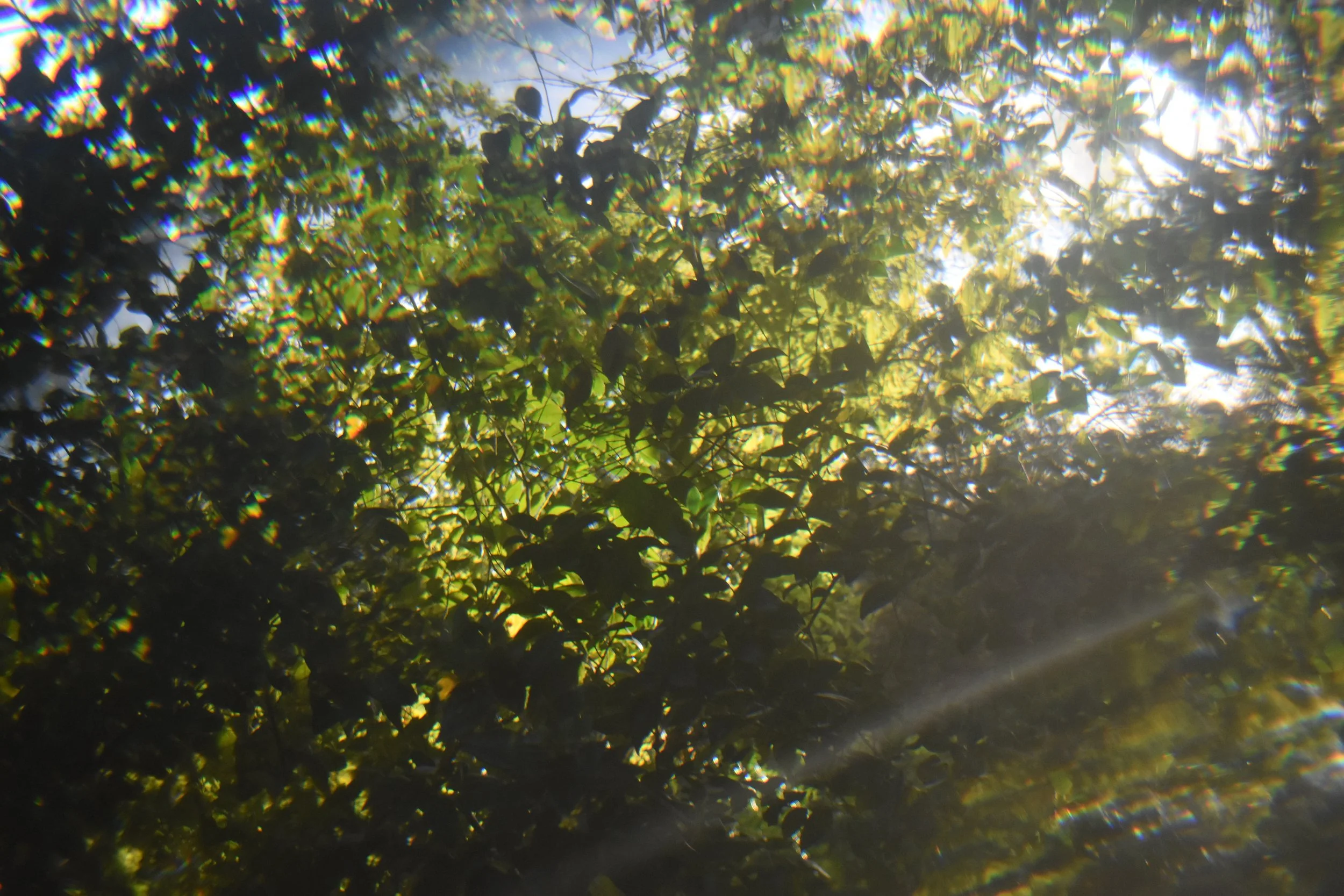
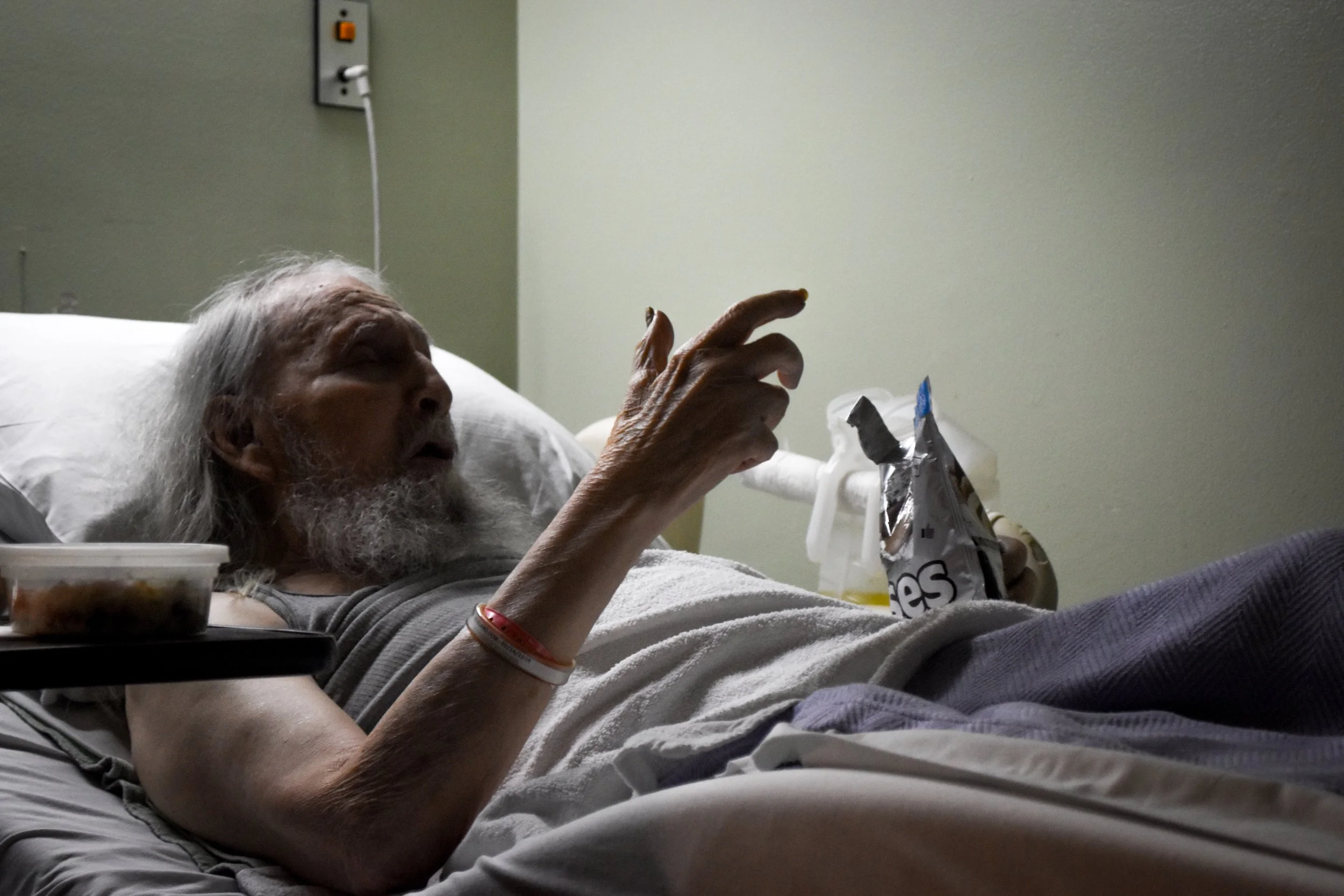
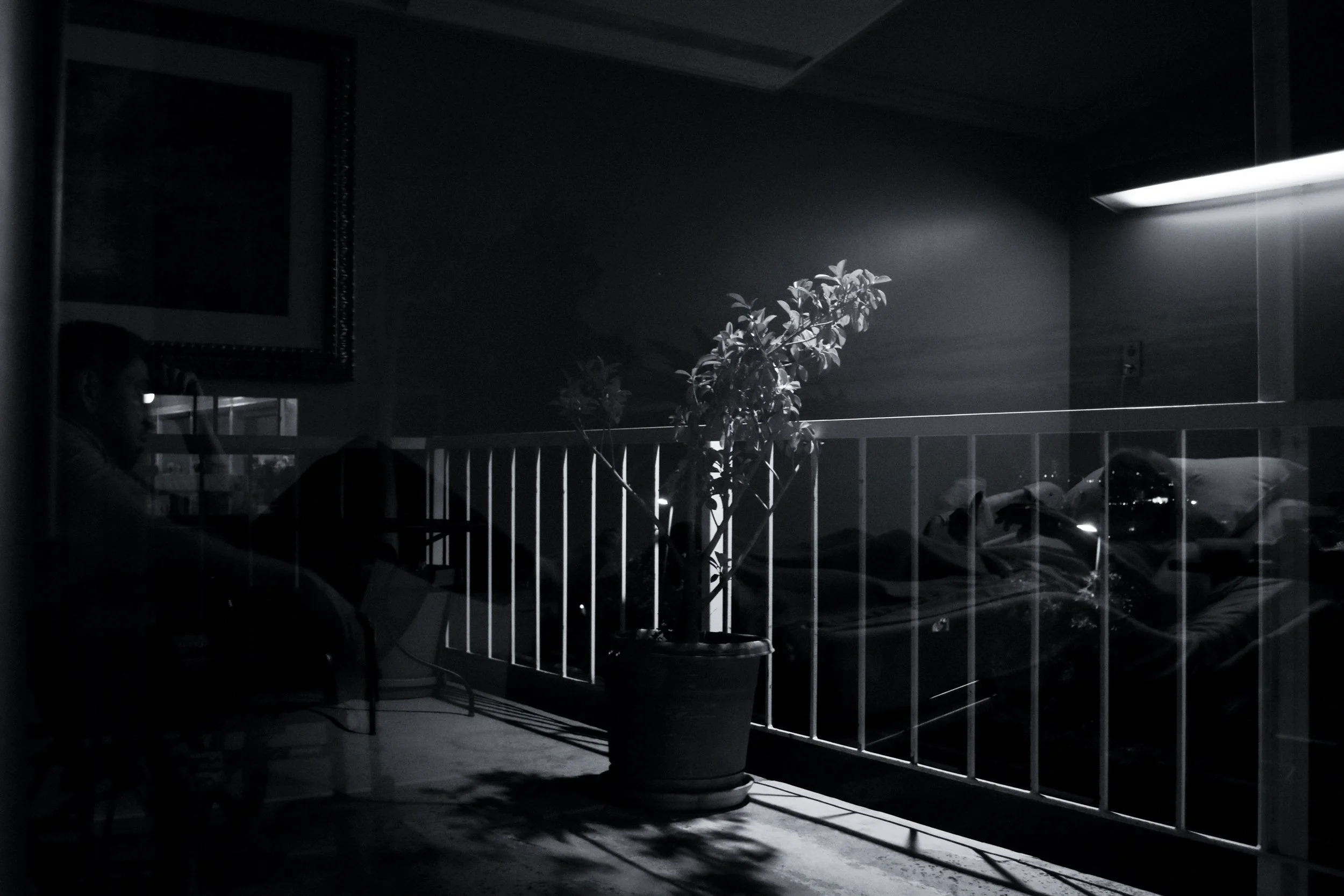
Counting the Clouds
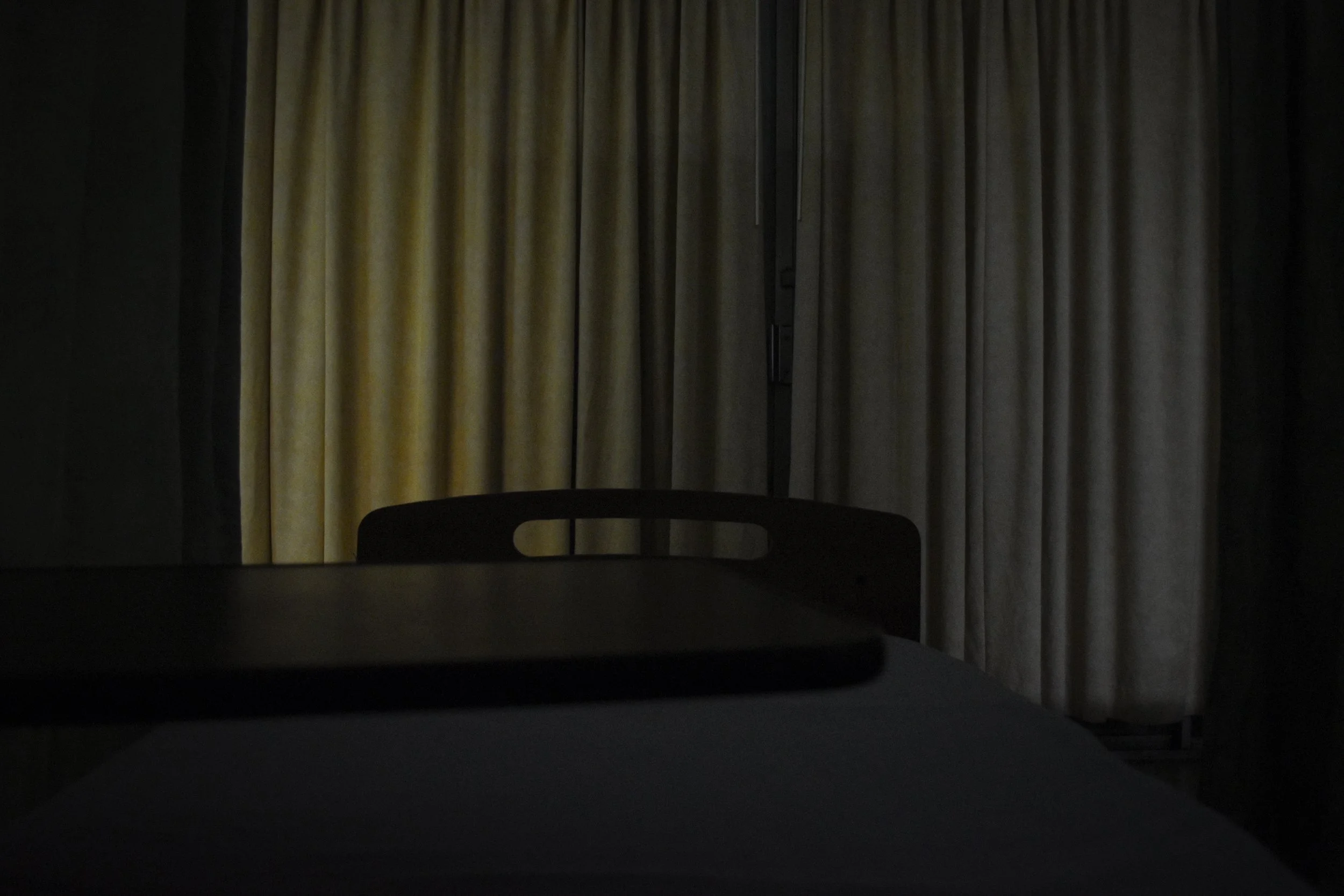
Gabriel
Two Worlds
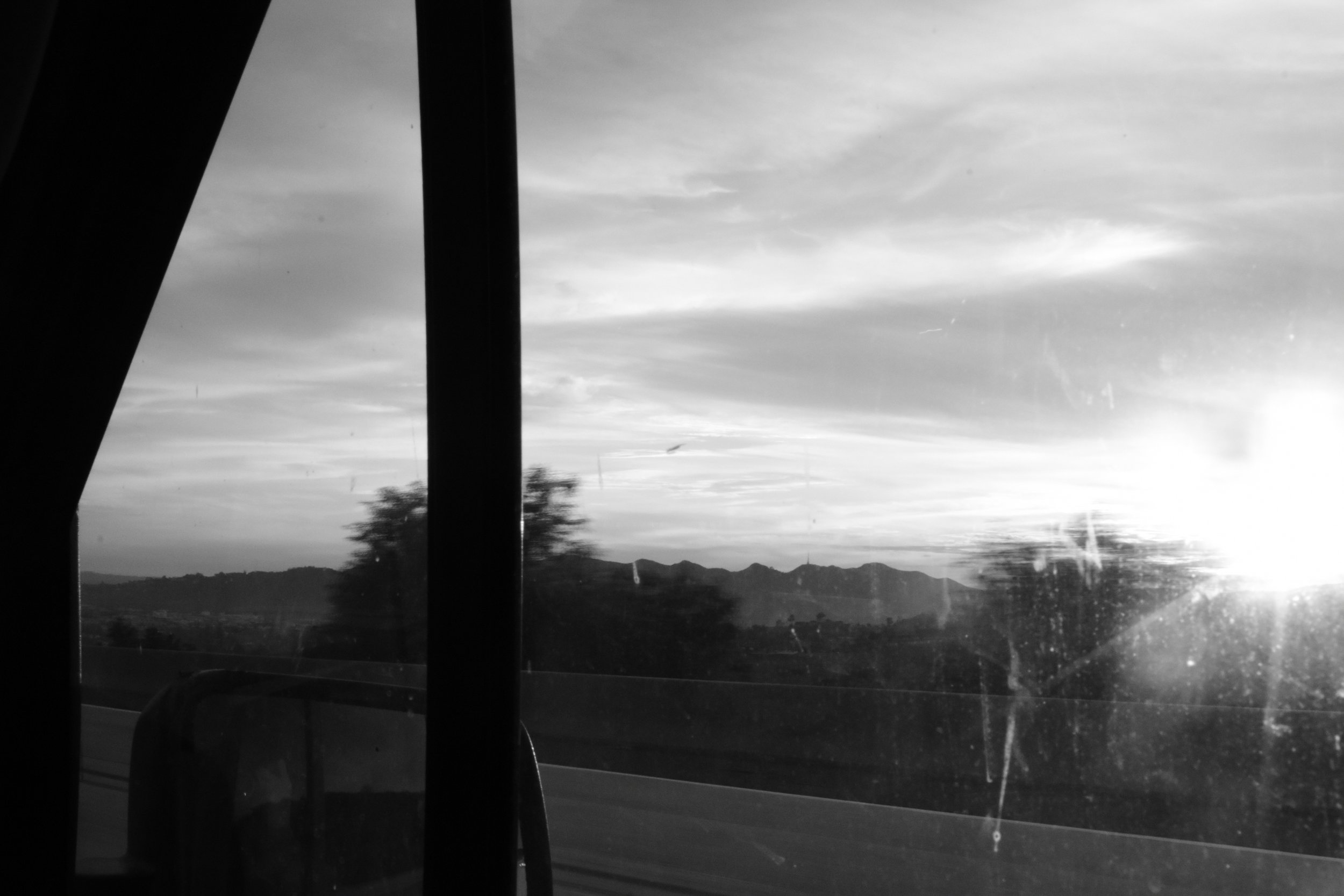
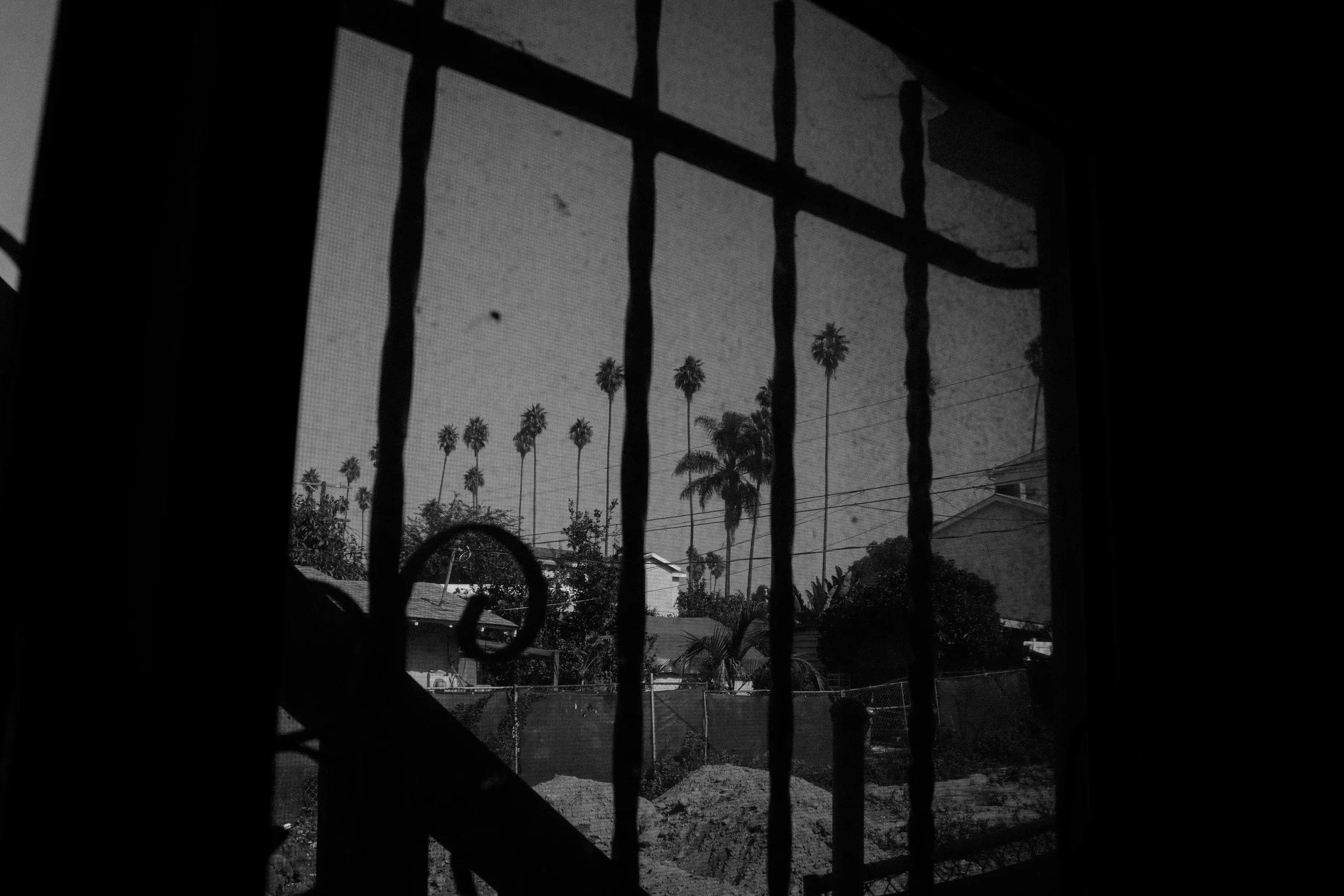
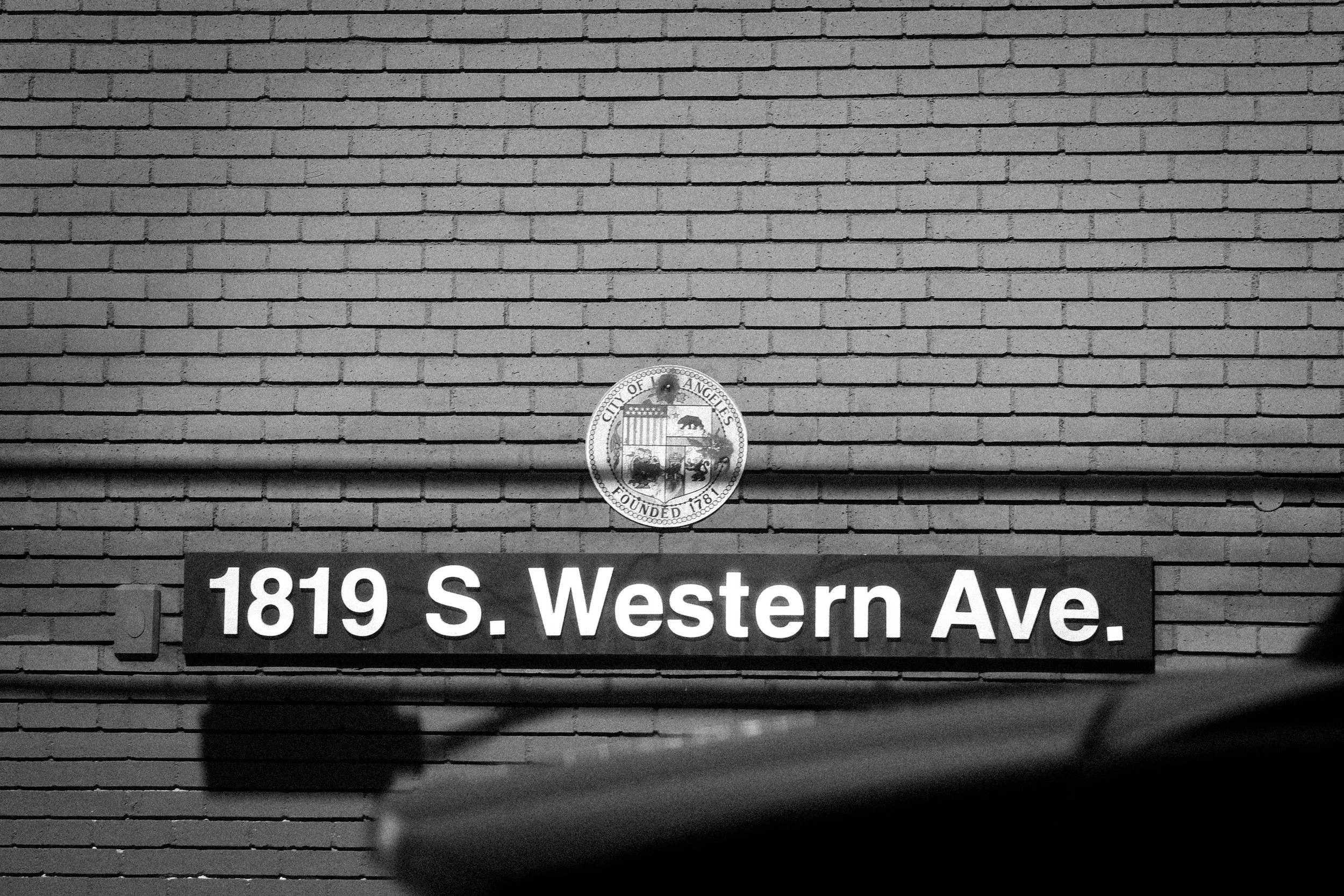
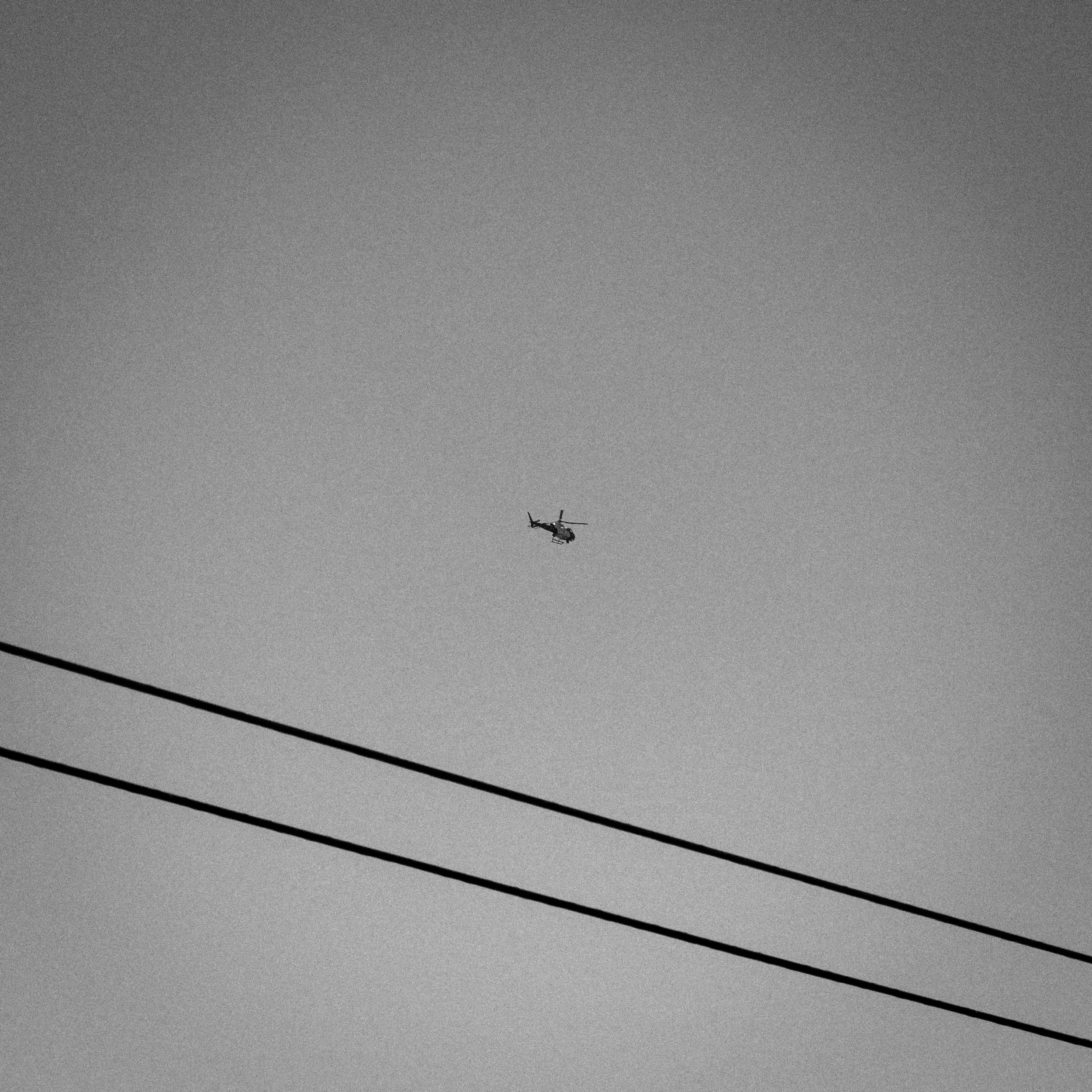
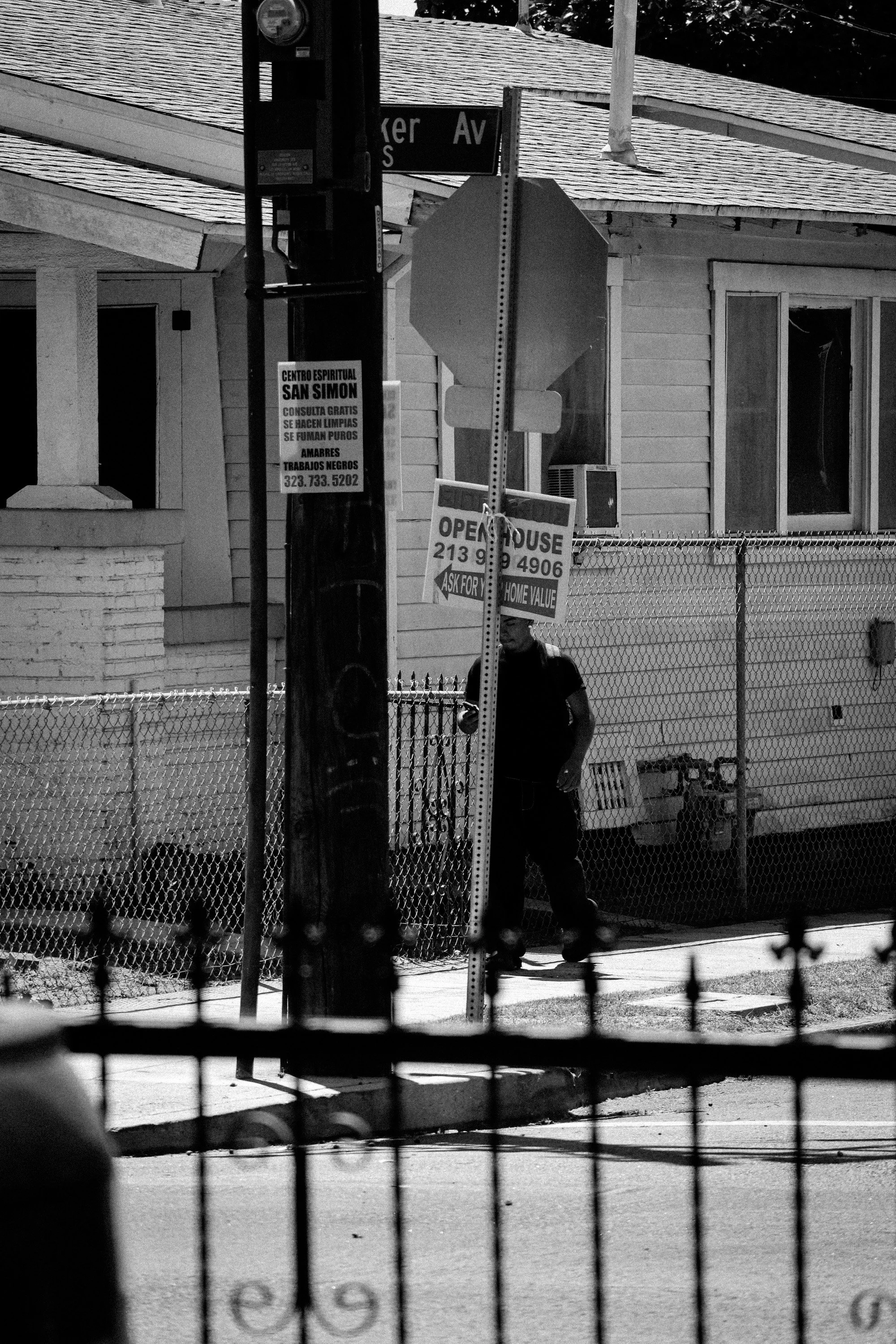
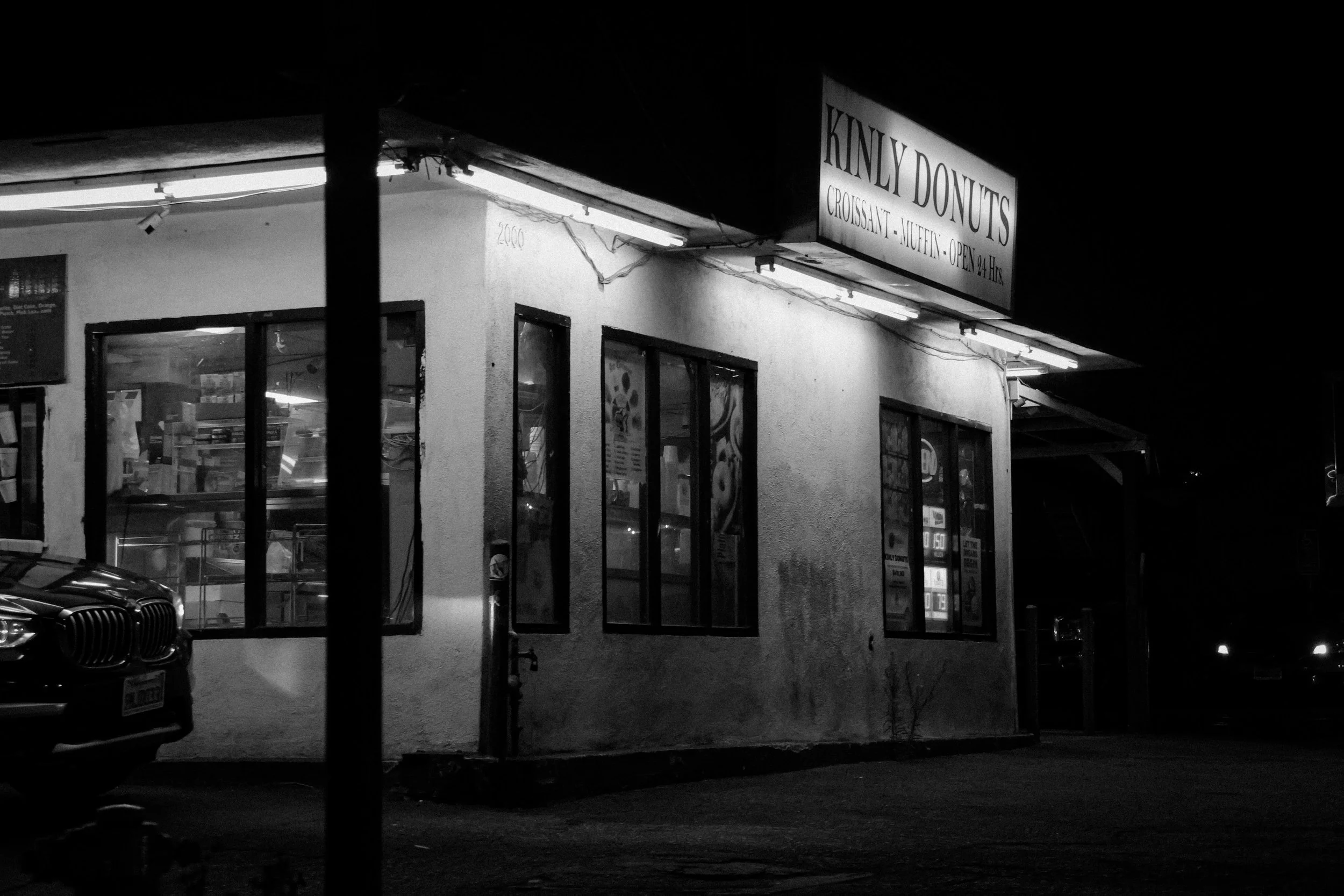
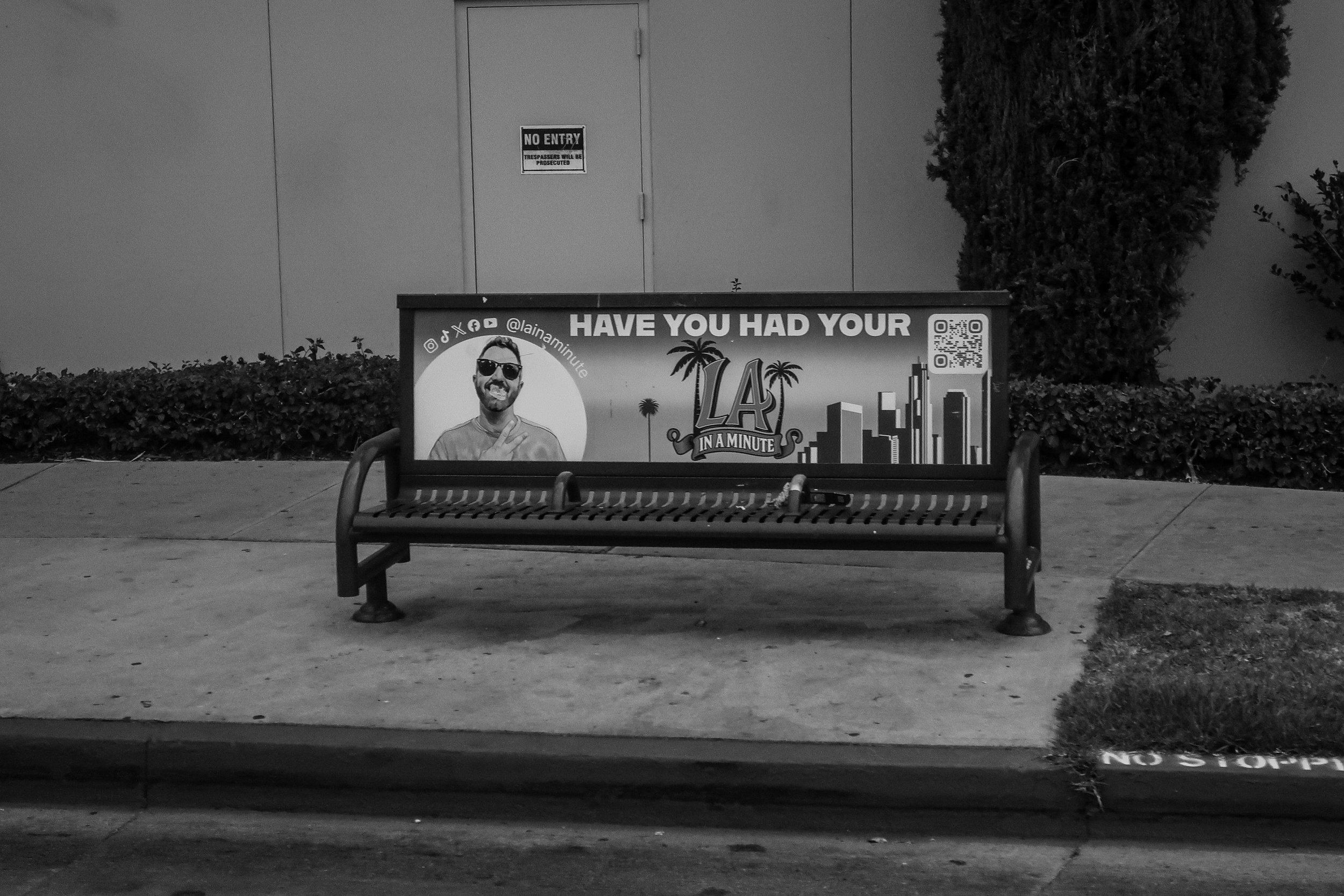
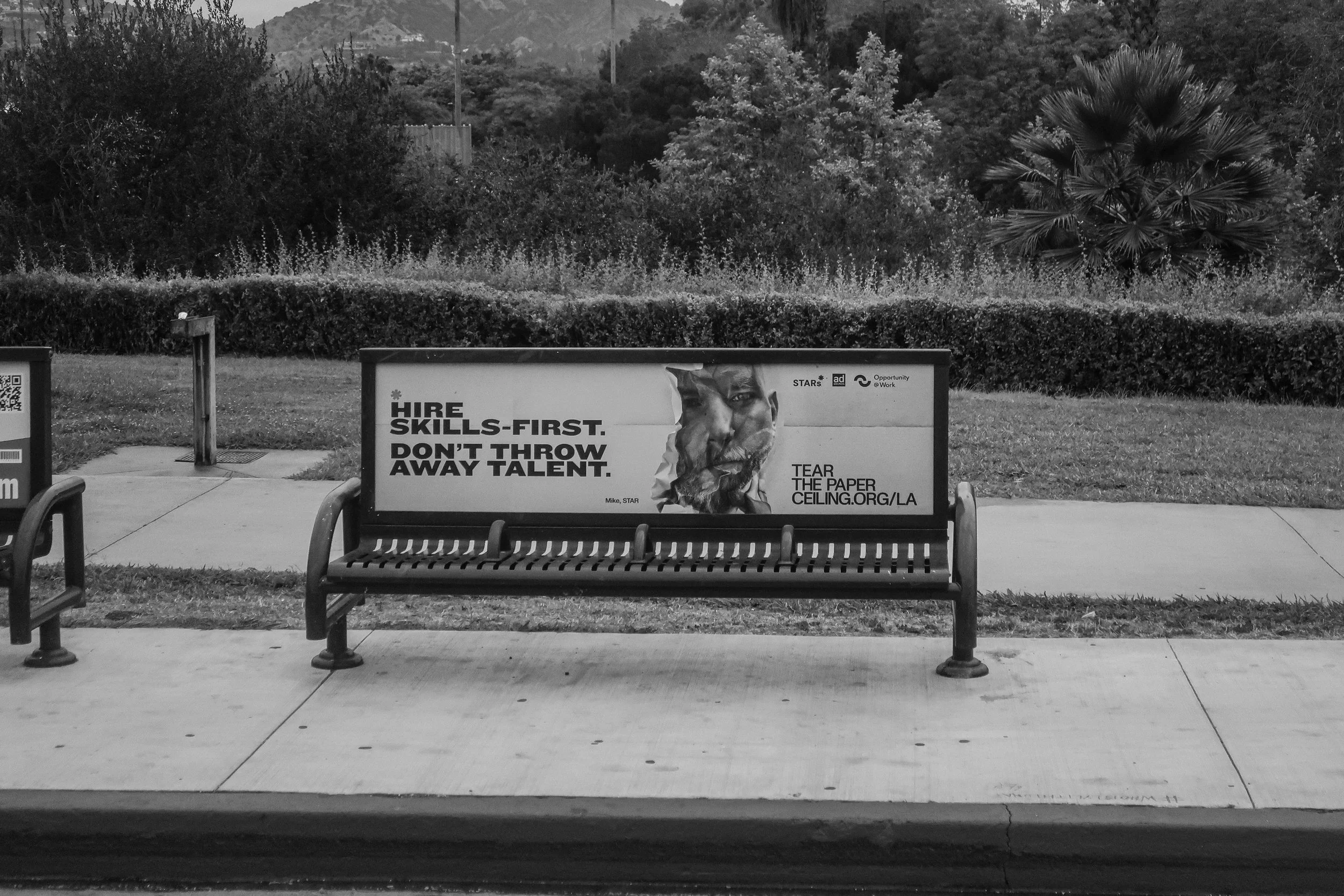
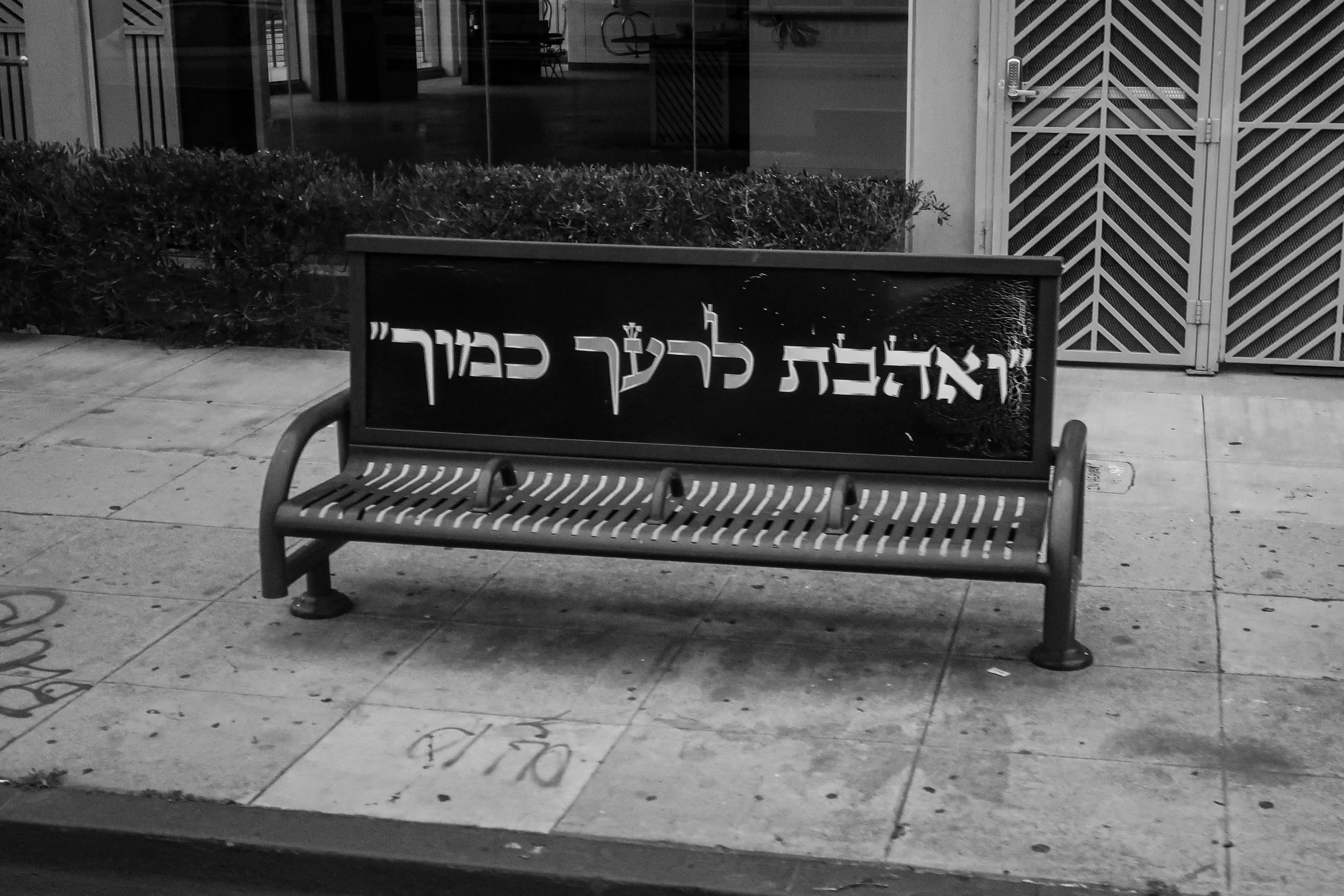
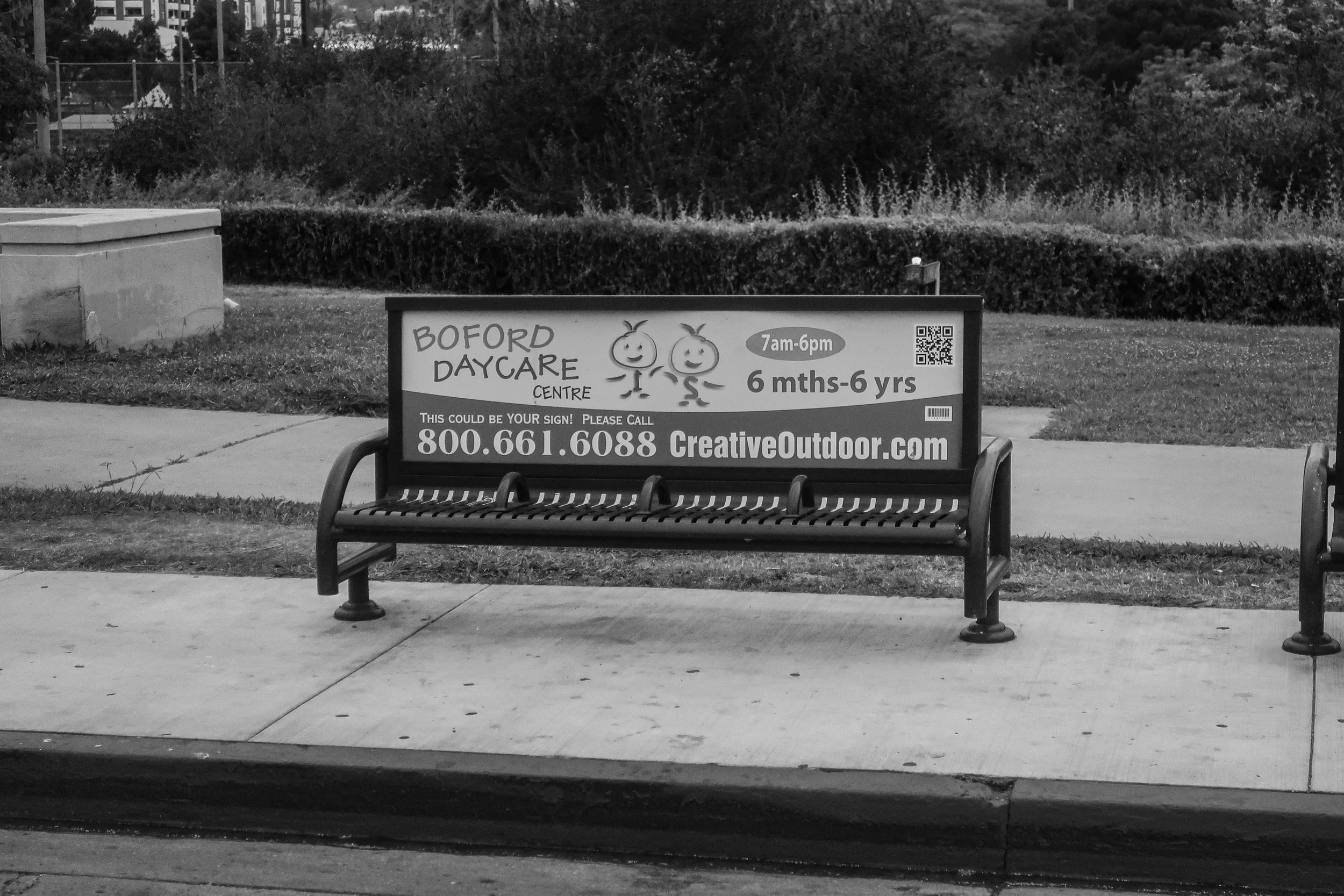
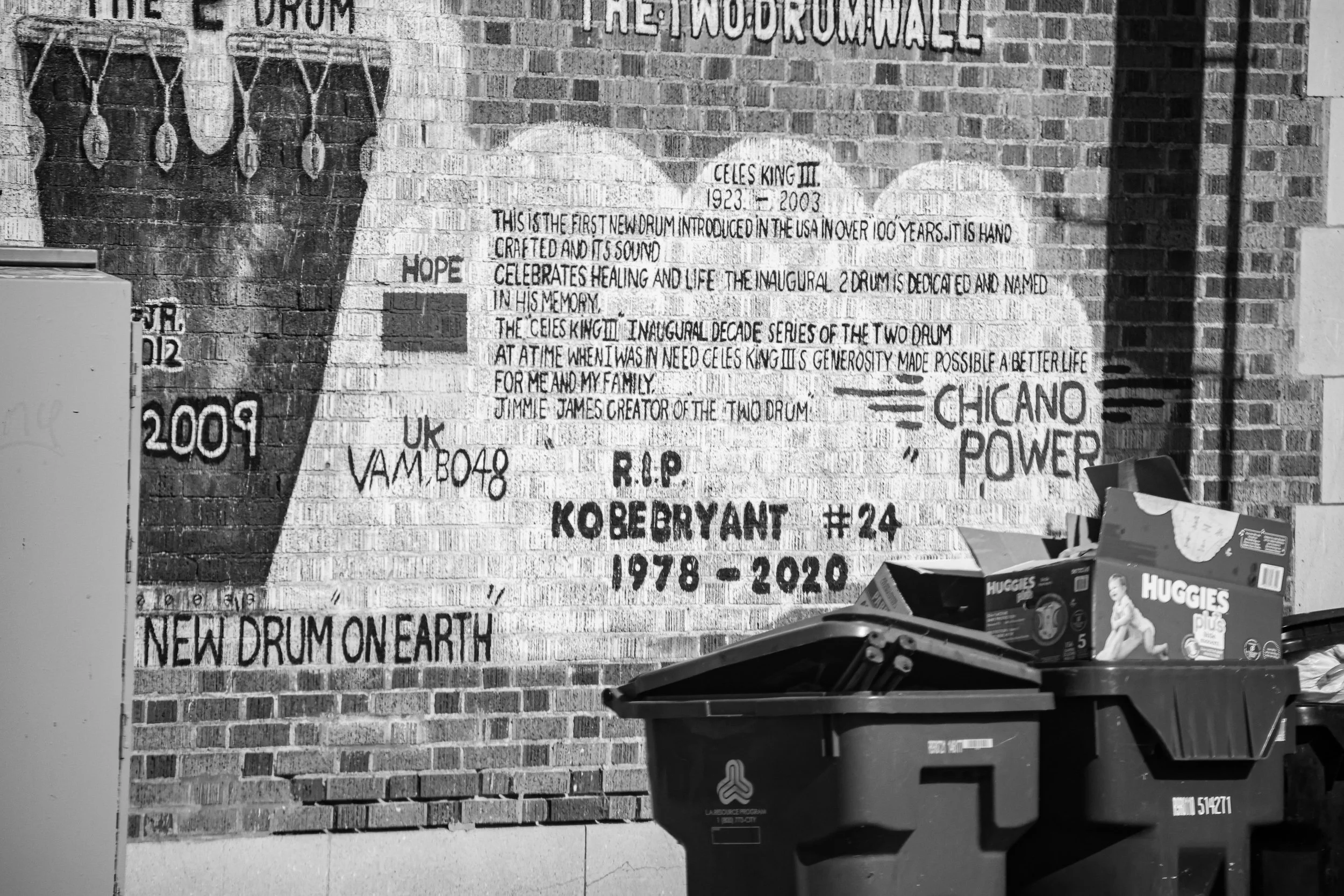
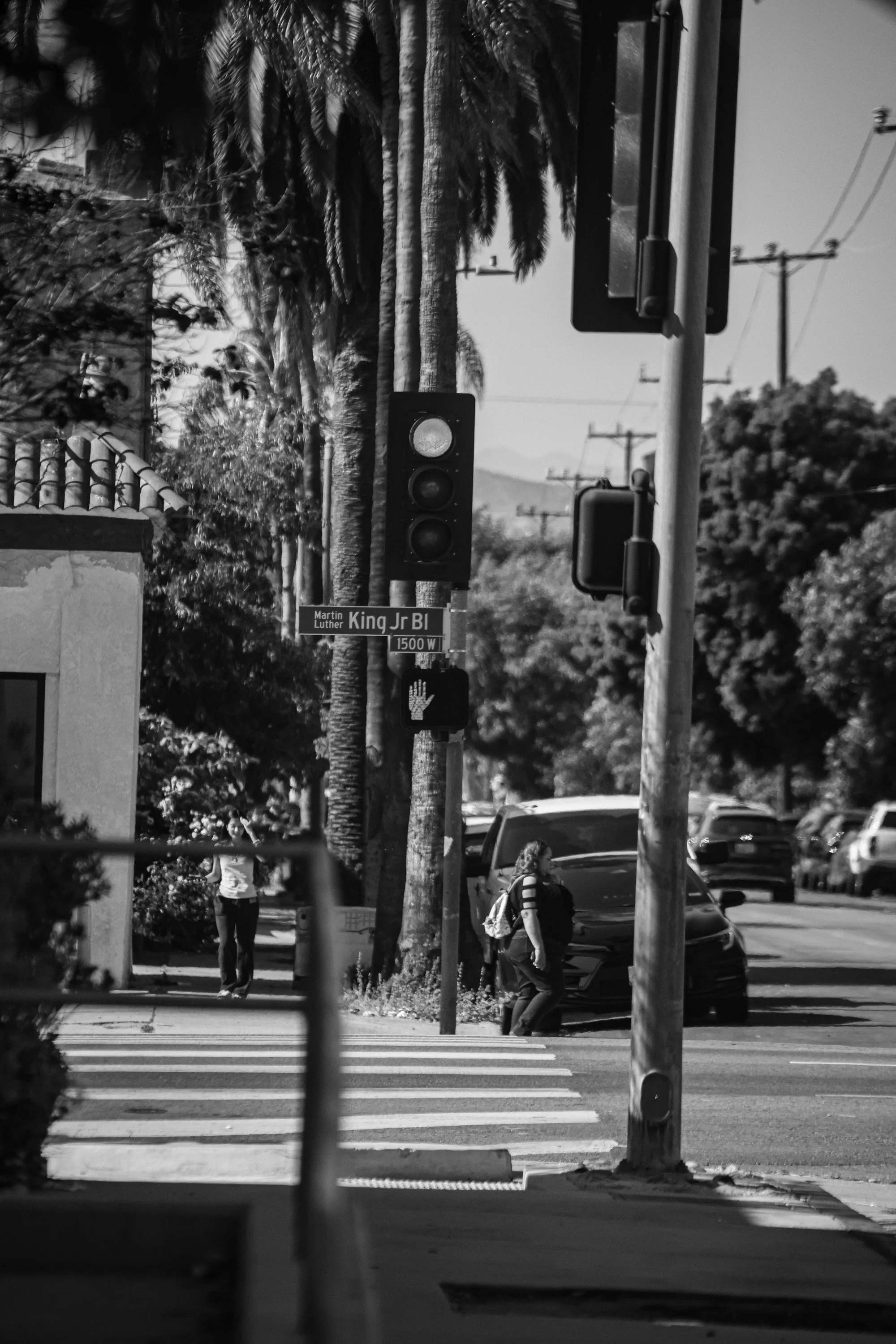
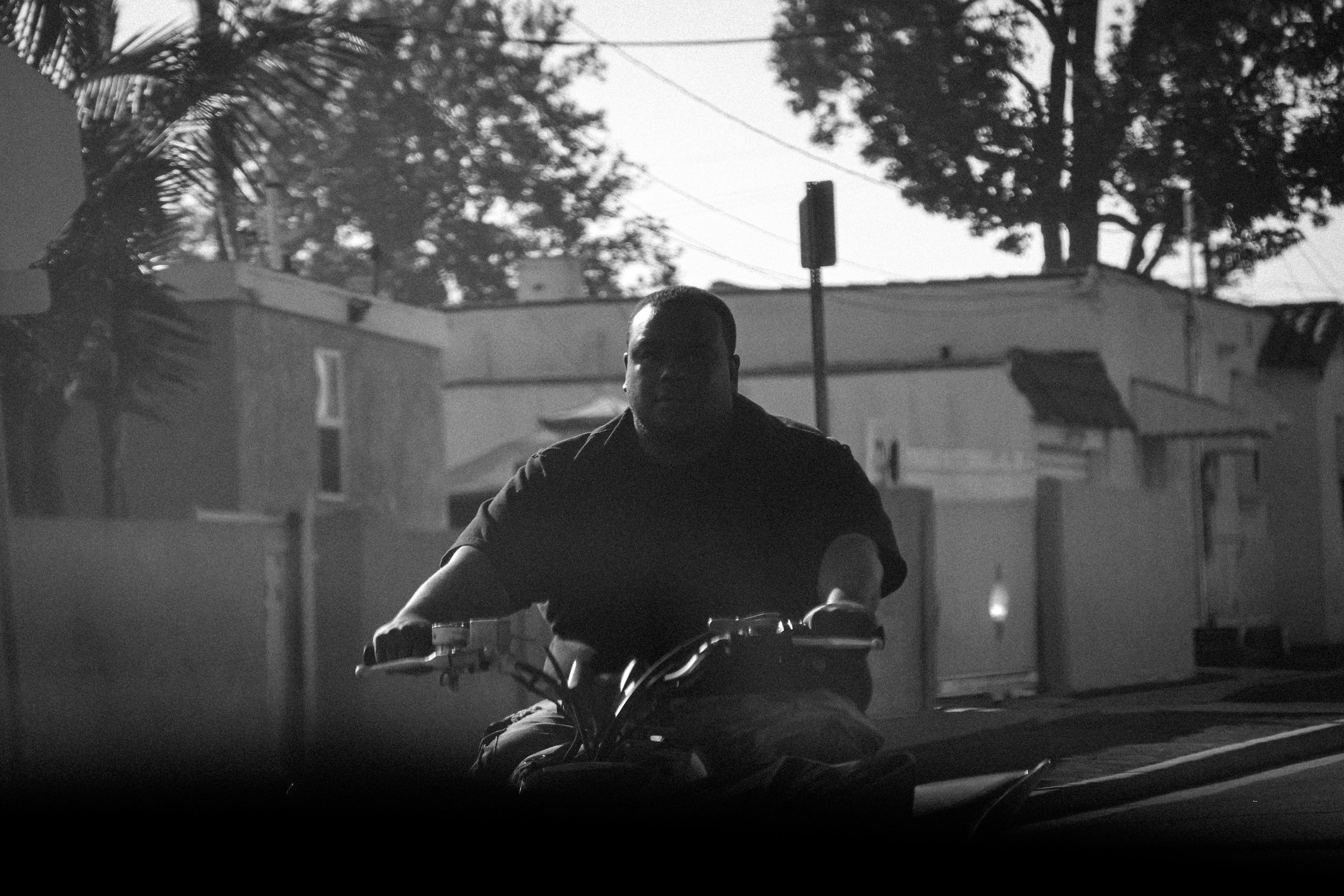
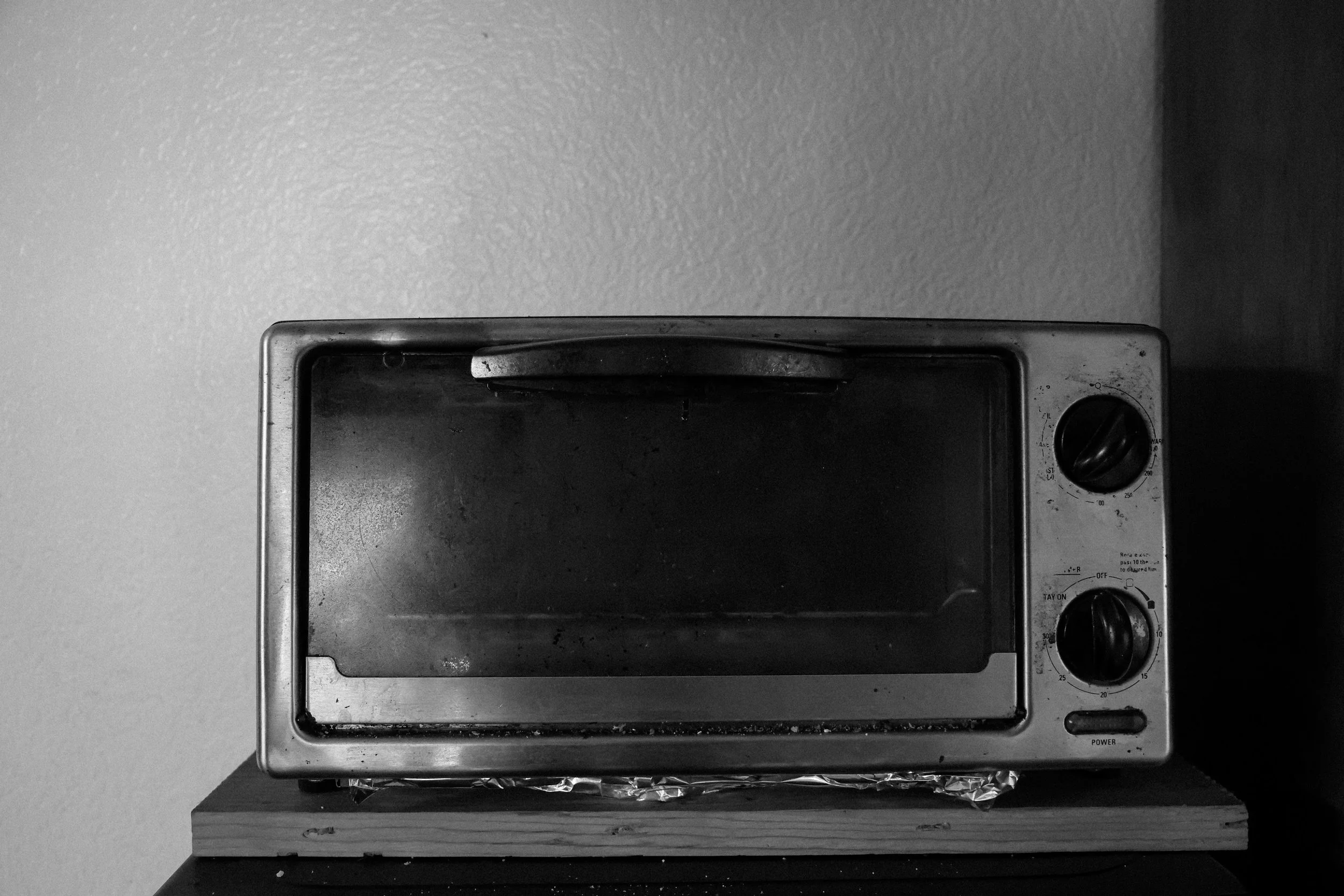
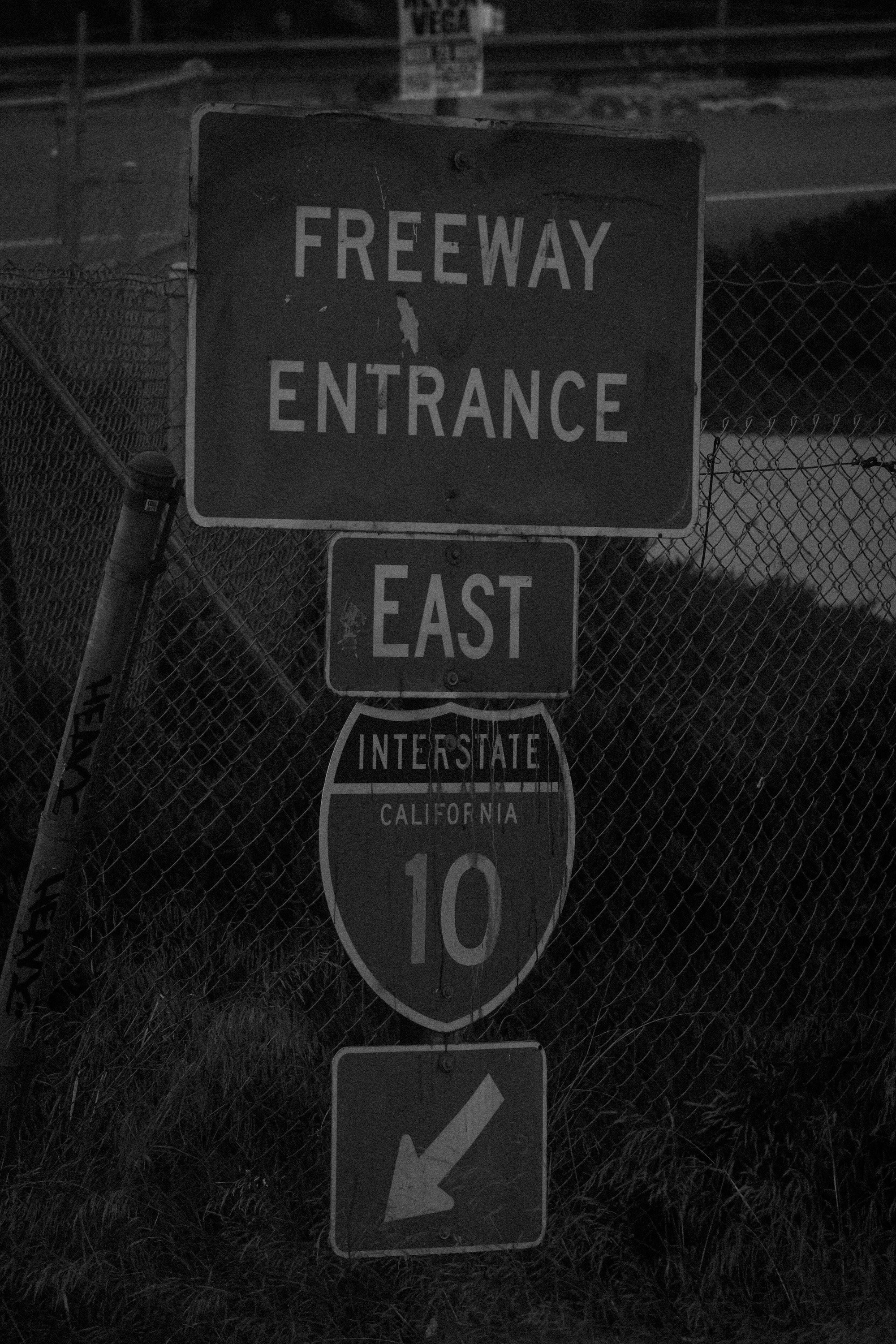
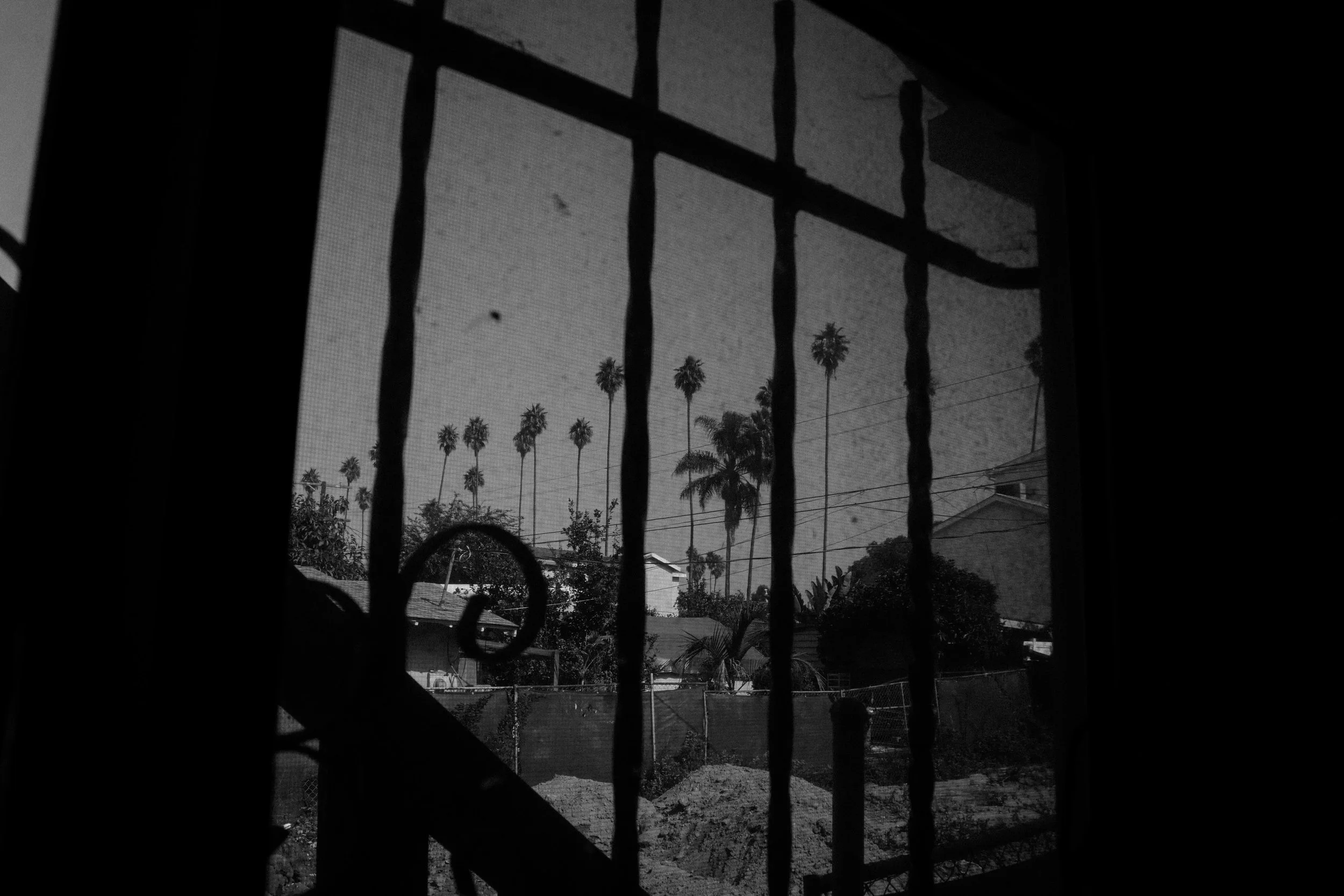
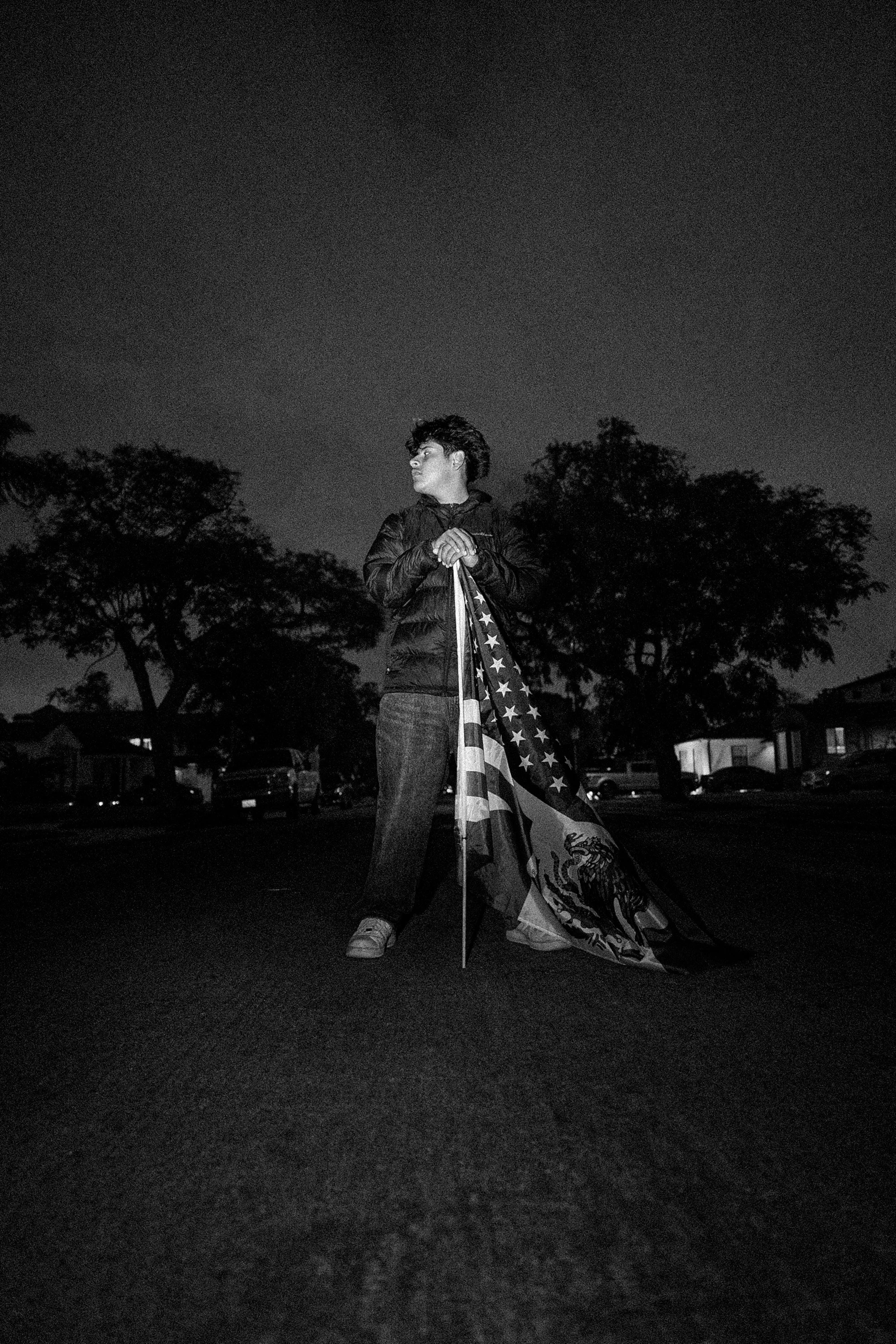
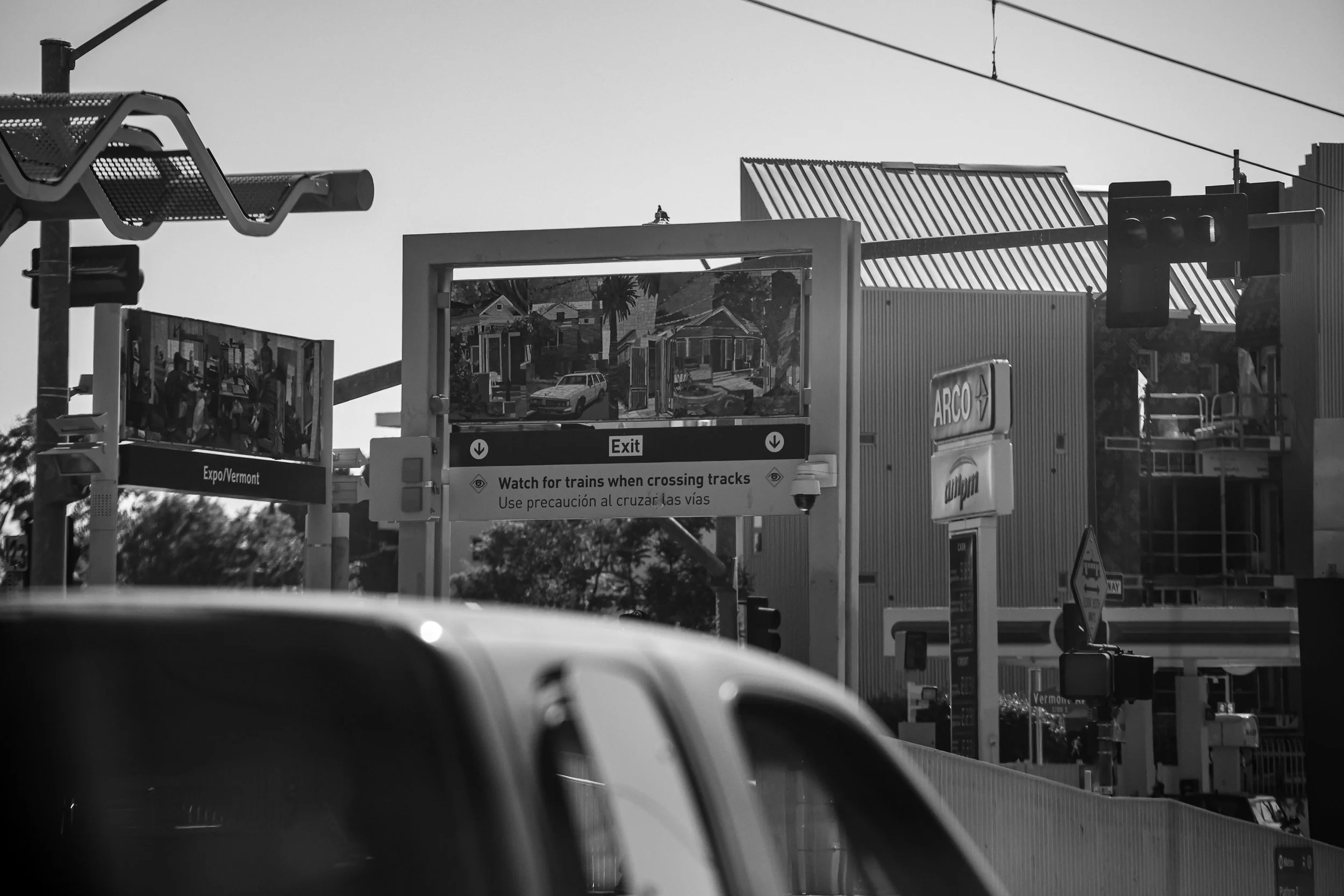
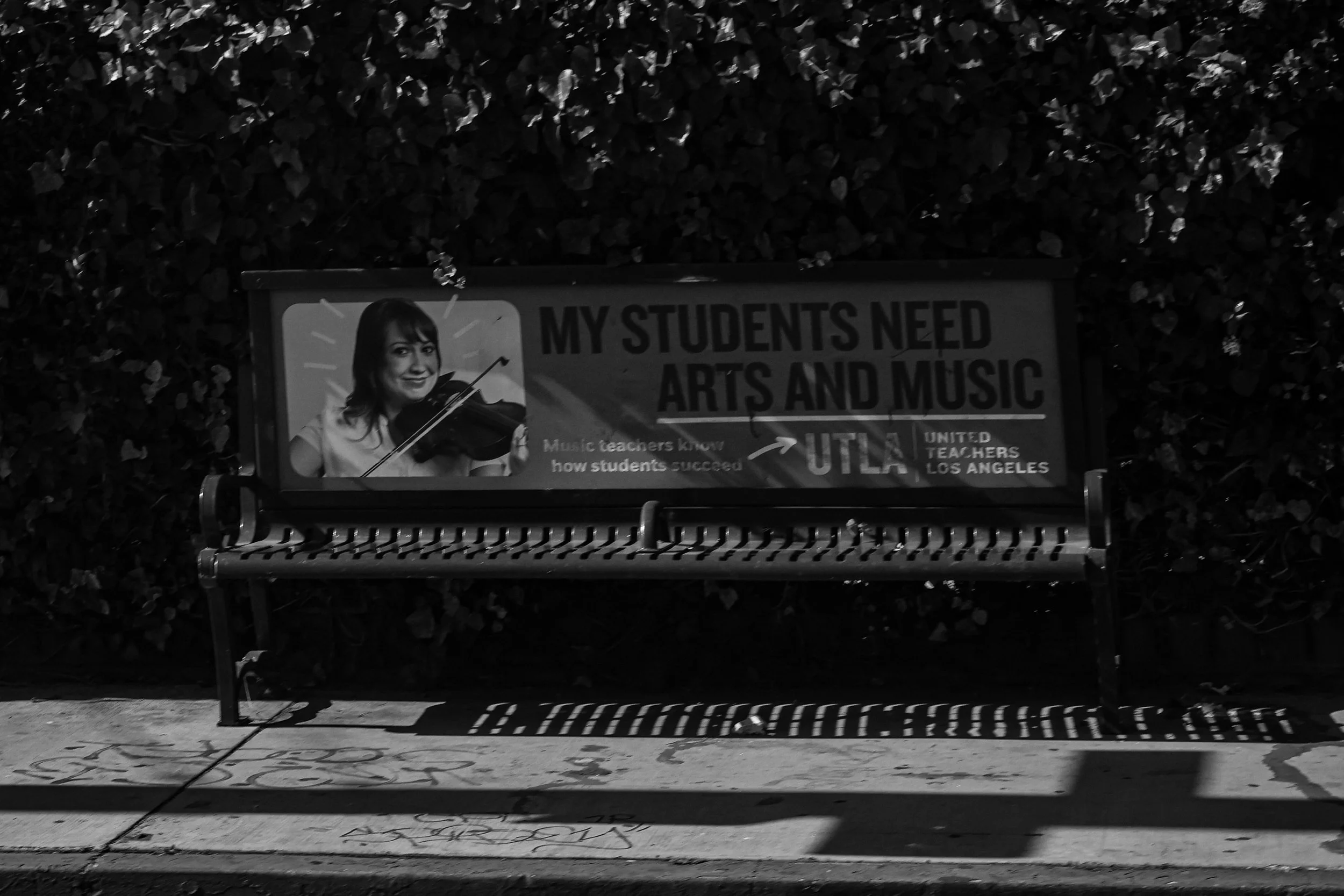
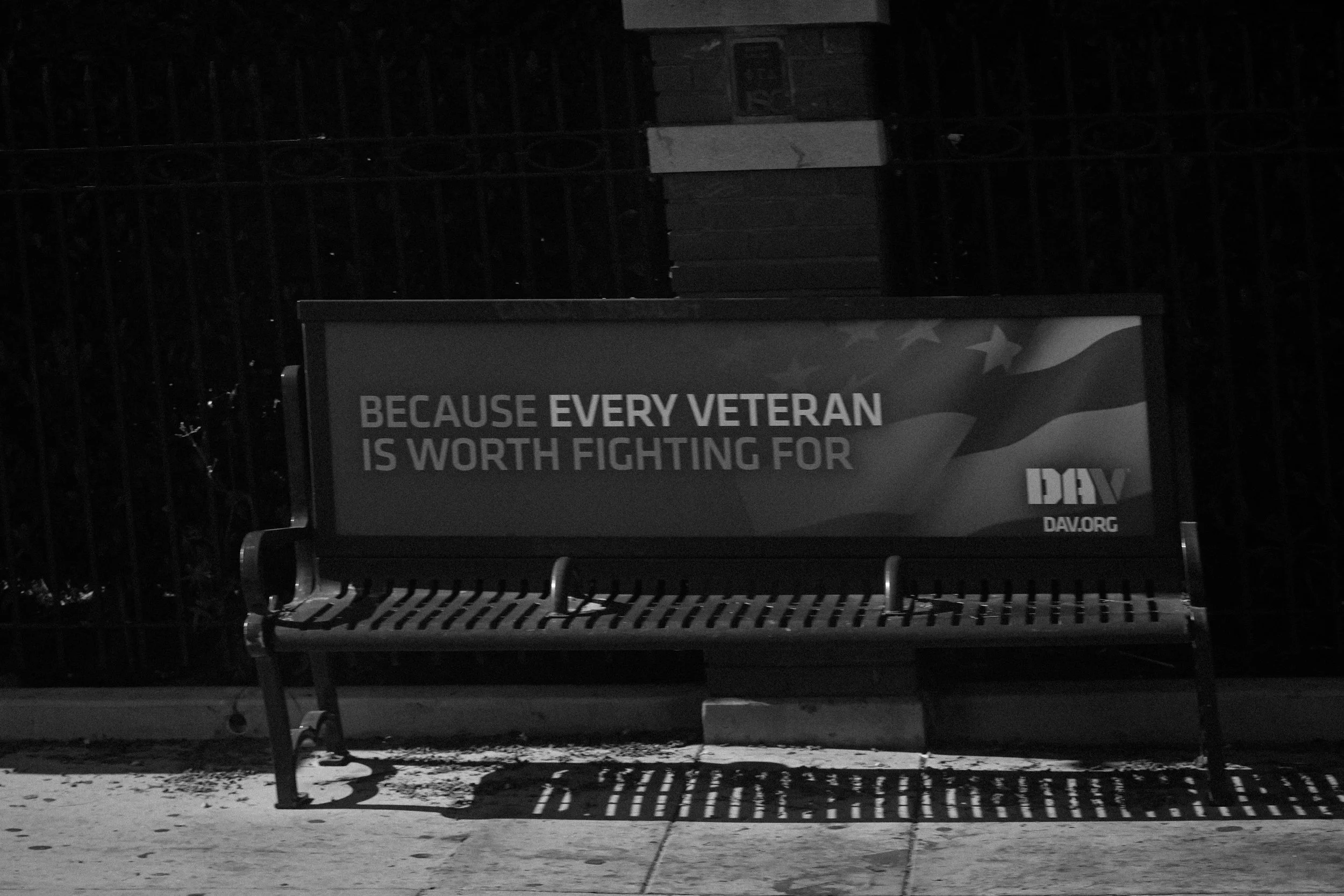
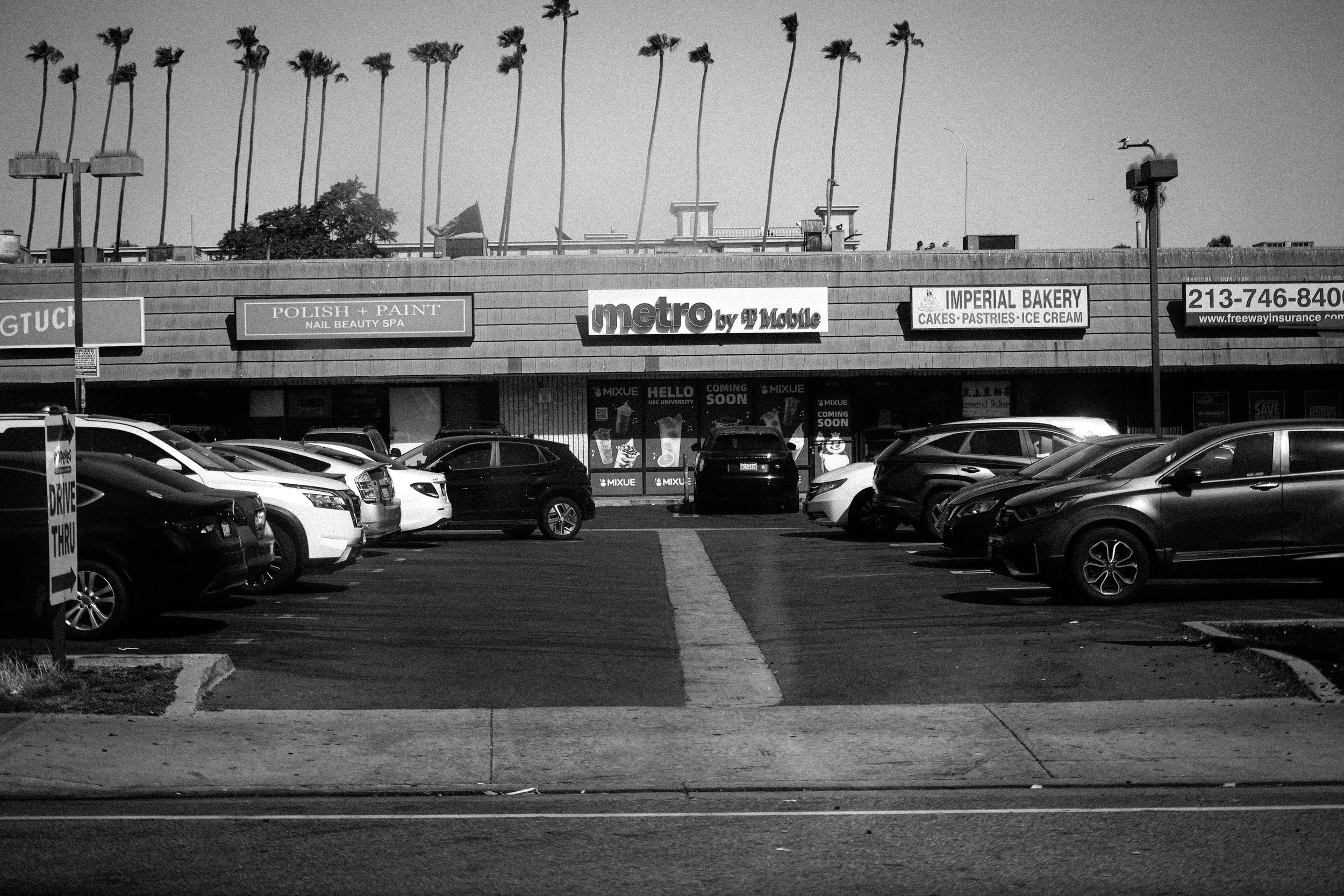
I Cross from my Home town S LA to School in studio city. It often feels like moving between two separate worlds. In this series, I wanted to document the contrast between these places while also focusing on details that people pass on or are too harsh and they choose not to acknowledge. I wanted to capture that separation between the two places. Photography became a way for me to pay attention to the things that many expect to see. To Highlight the invisible.
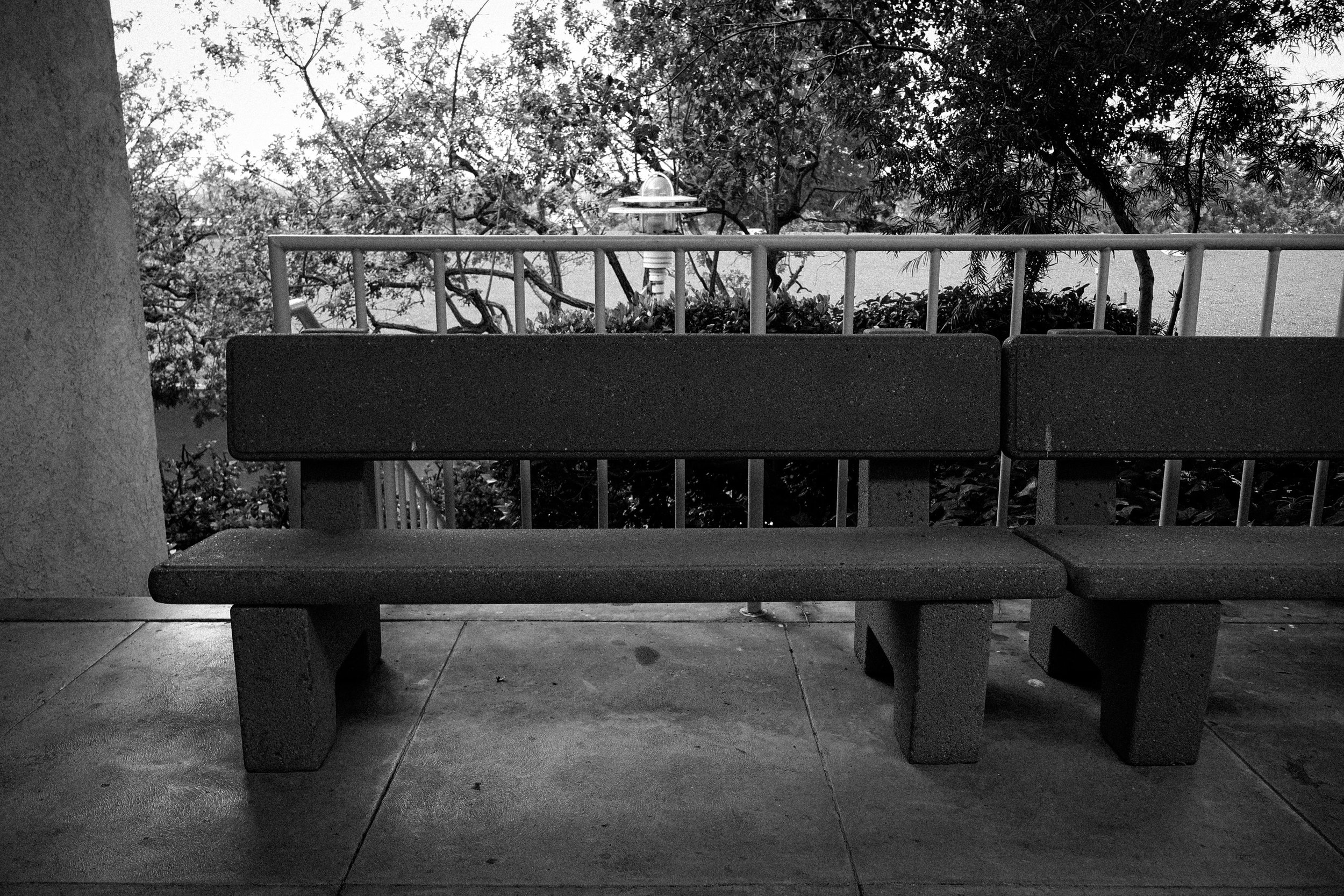
I chose to photograph this project in black and white because it emphasizes texture and makes it more documentary style. It lets me focus on emotion and environment: hostile landscaping designed to keep people away, signs of homelessness, empty streets, fences, and beat up surfaces. Things that are sadly the reality. At the same time, I wanted to capture the culture and identity that define South Central. Murals, graffiti, palm trees, music, and street life all became important parts of the community. Even Something as simple as a bench shows how people try to keep others away and try to hide things. Many of these photos focus on ordinary moments or unnoticed details that together create a portrait of a place that is often simplified or misunderstood.
Rather than presenting South Central through a single perspective, I wanted these images to contrast with one another. By pairing photographs from Studio City, where I go to school, with photographs from South Los Angeles, I wanted to highlight the differences between these distinct cities and show the different realities people experience in the same County, Los Angeles. The contrast between the two spaces reflects how differently people live, move, and are seen depending on where they are and how my life experiences change within a 1 hour bus ride.

Christian Choi
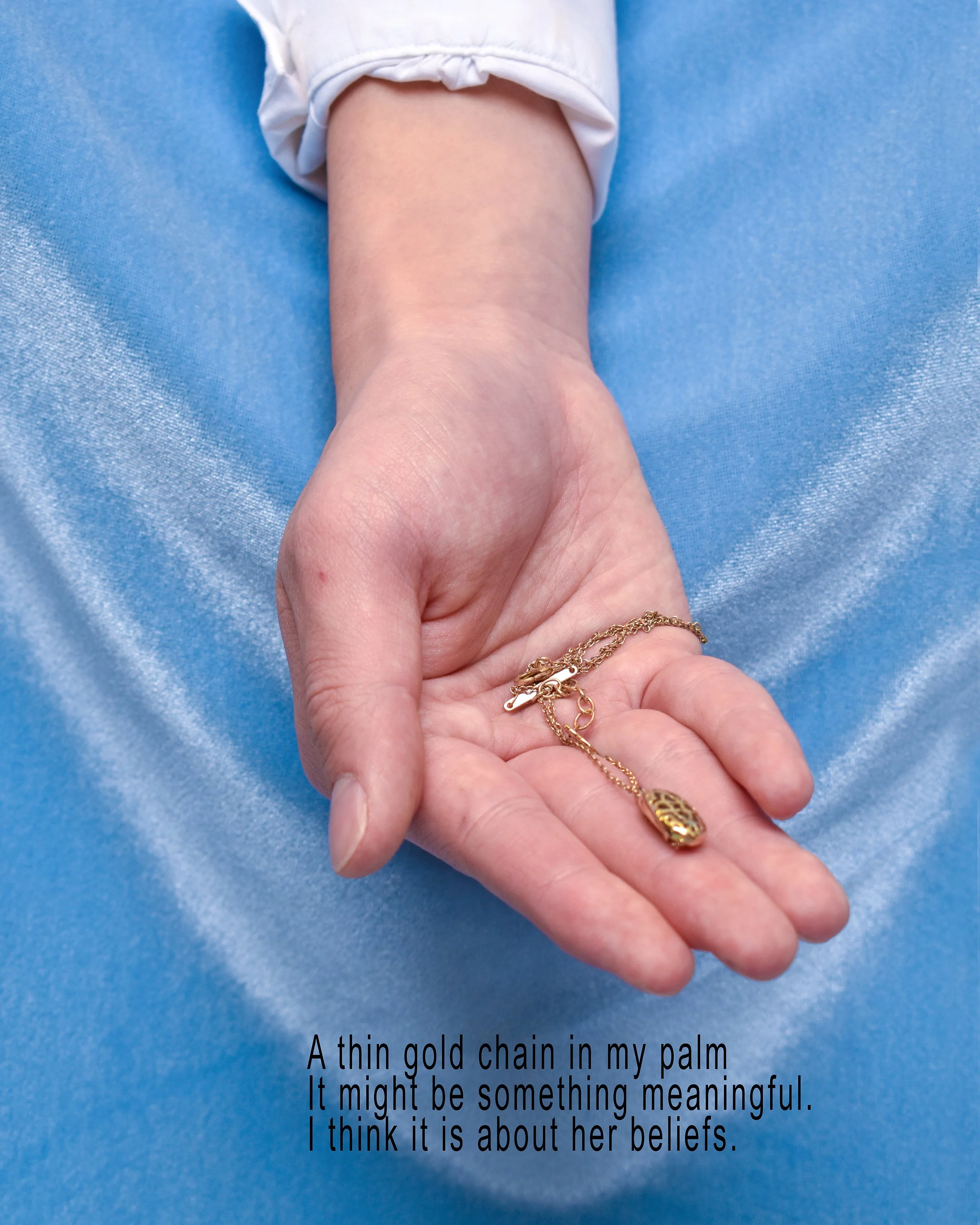
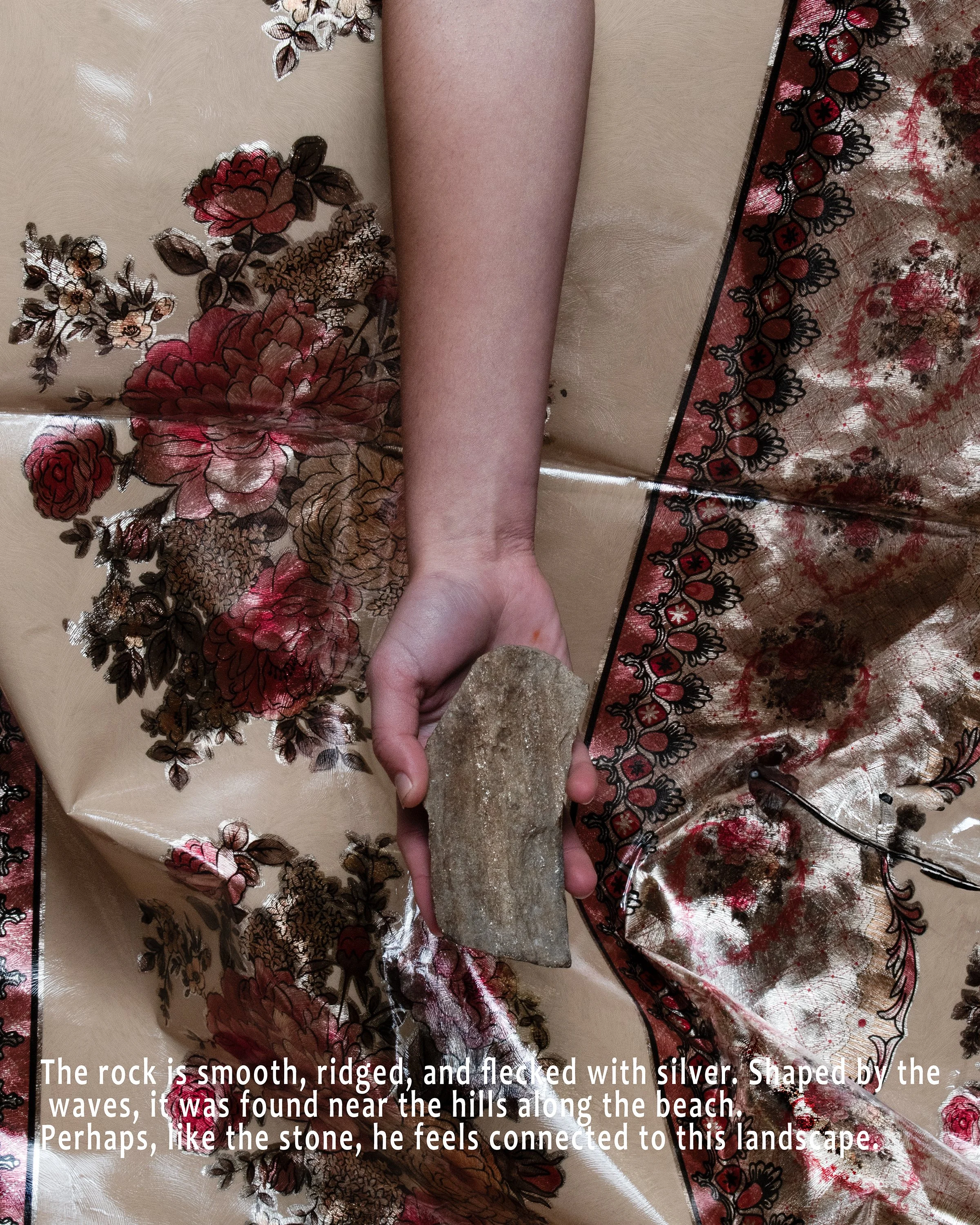
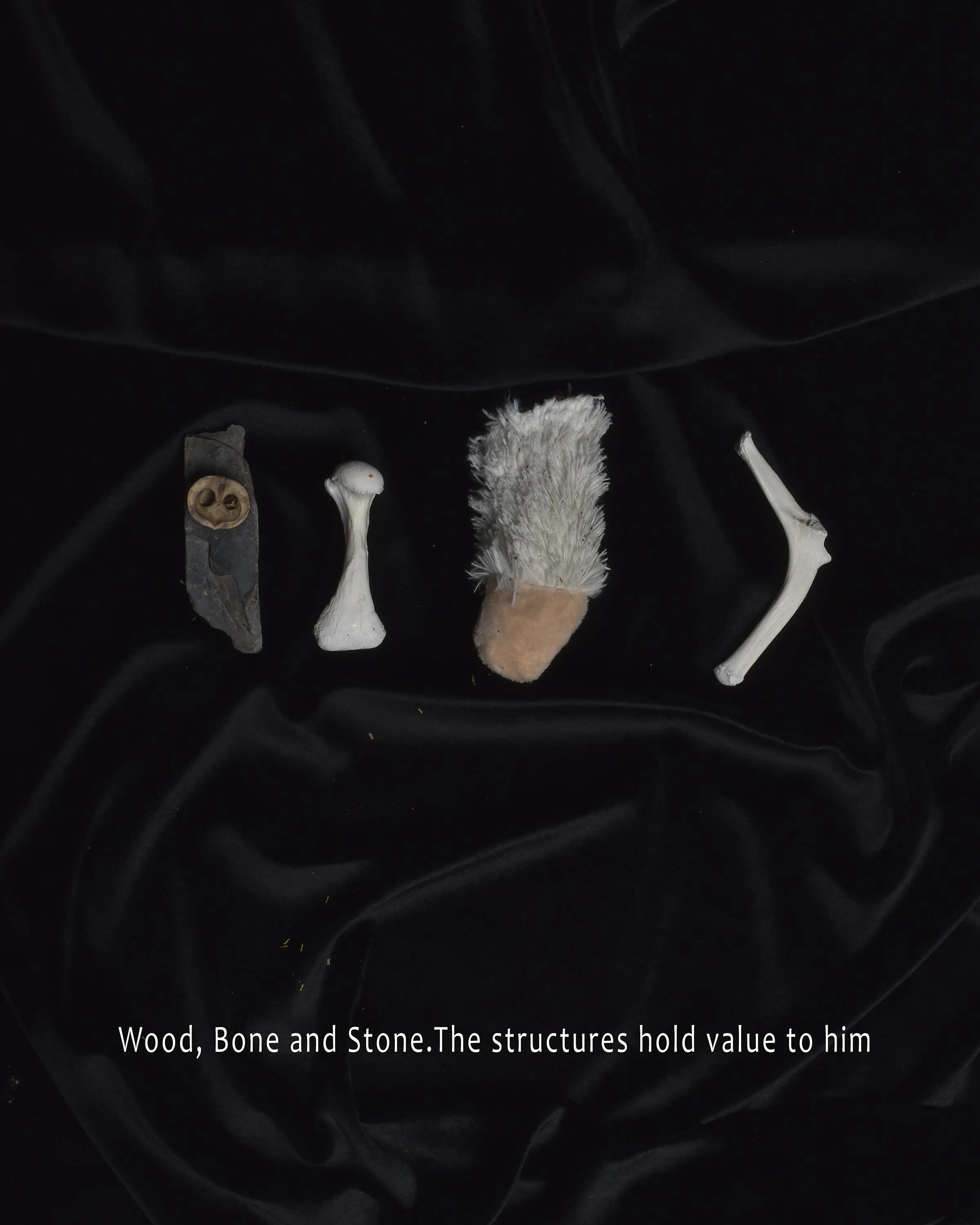
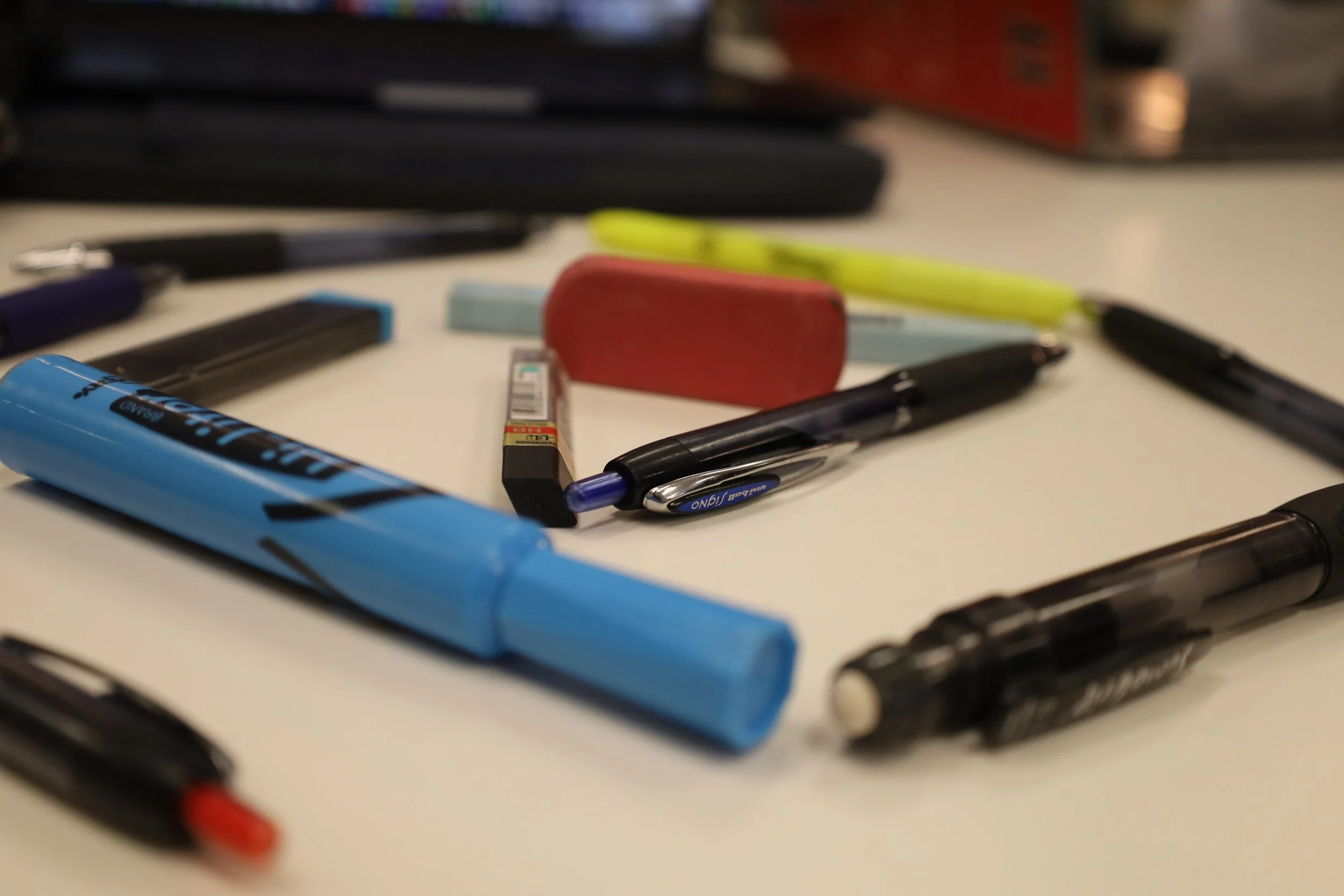
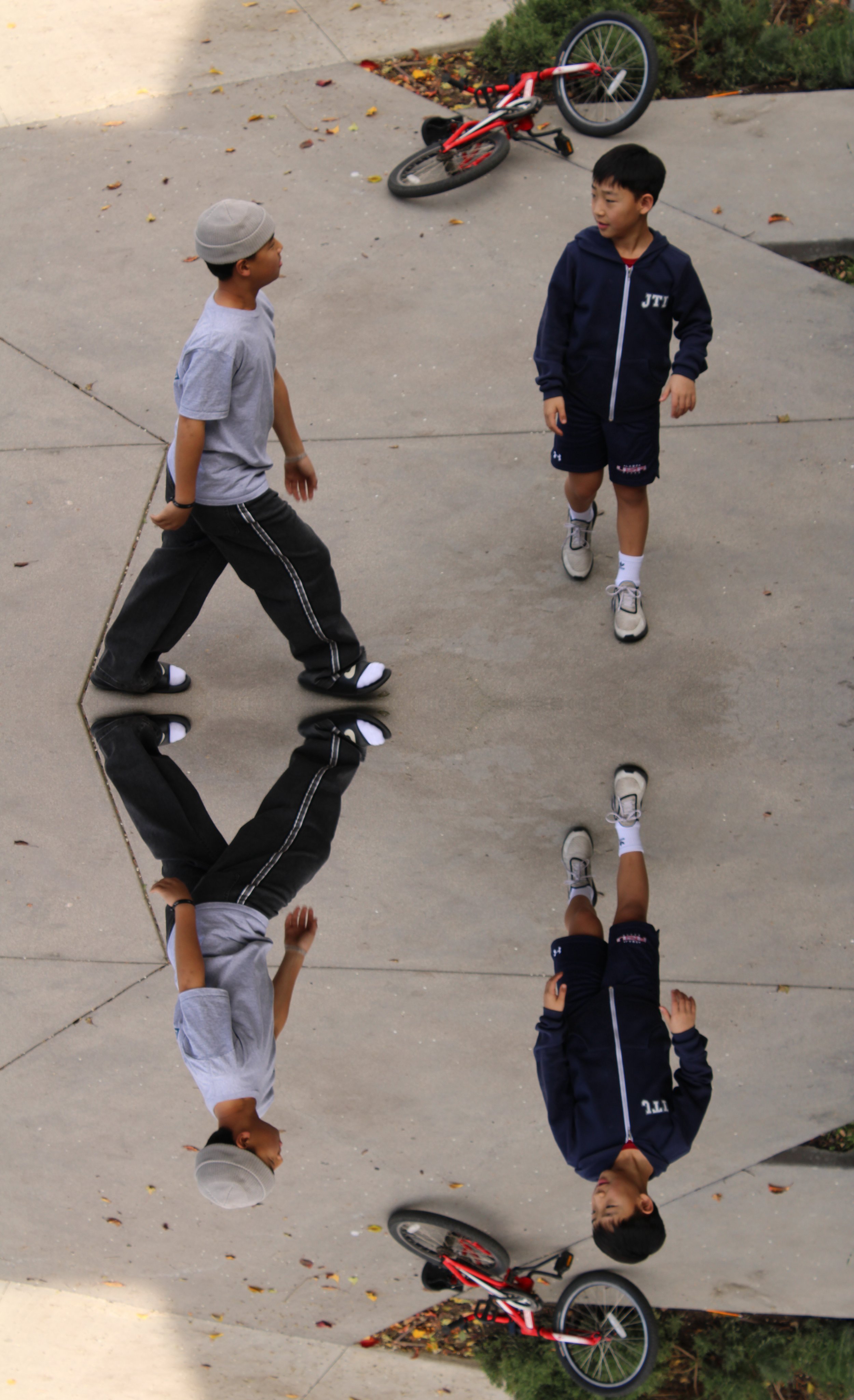
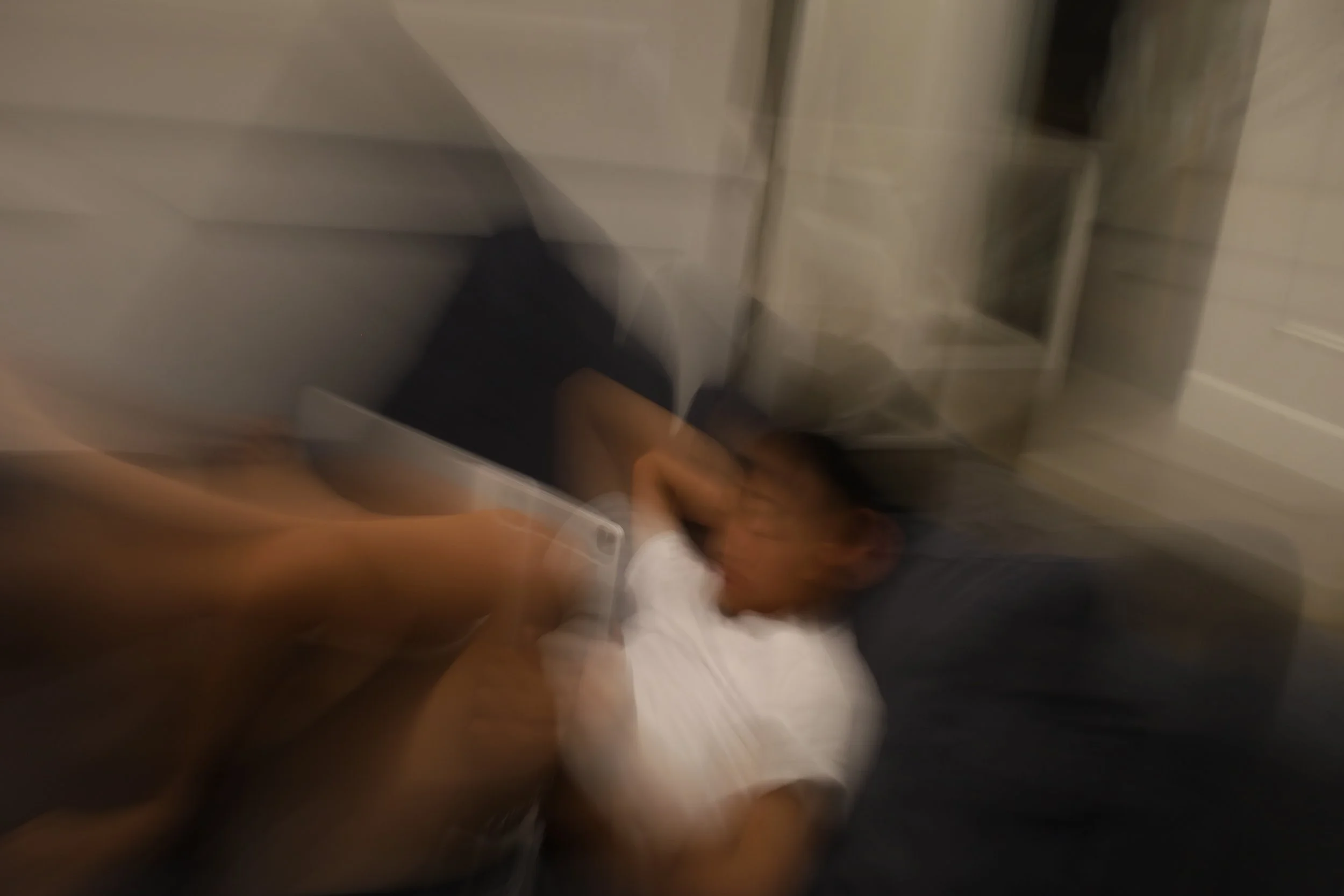
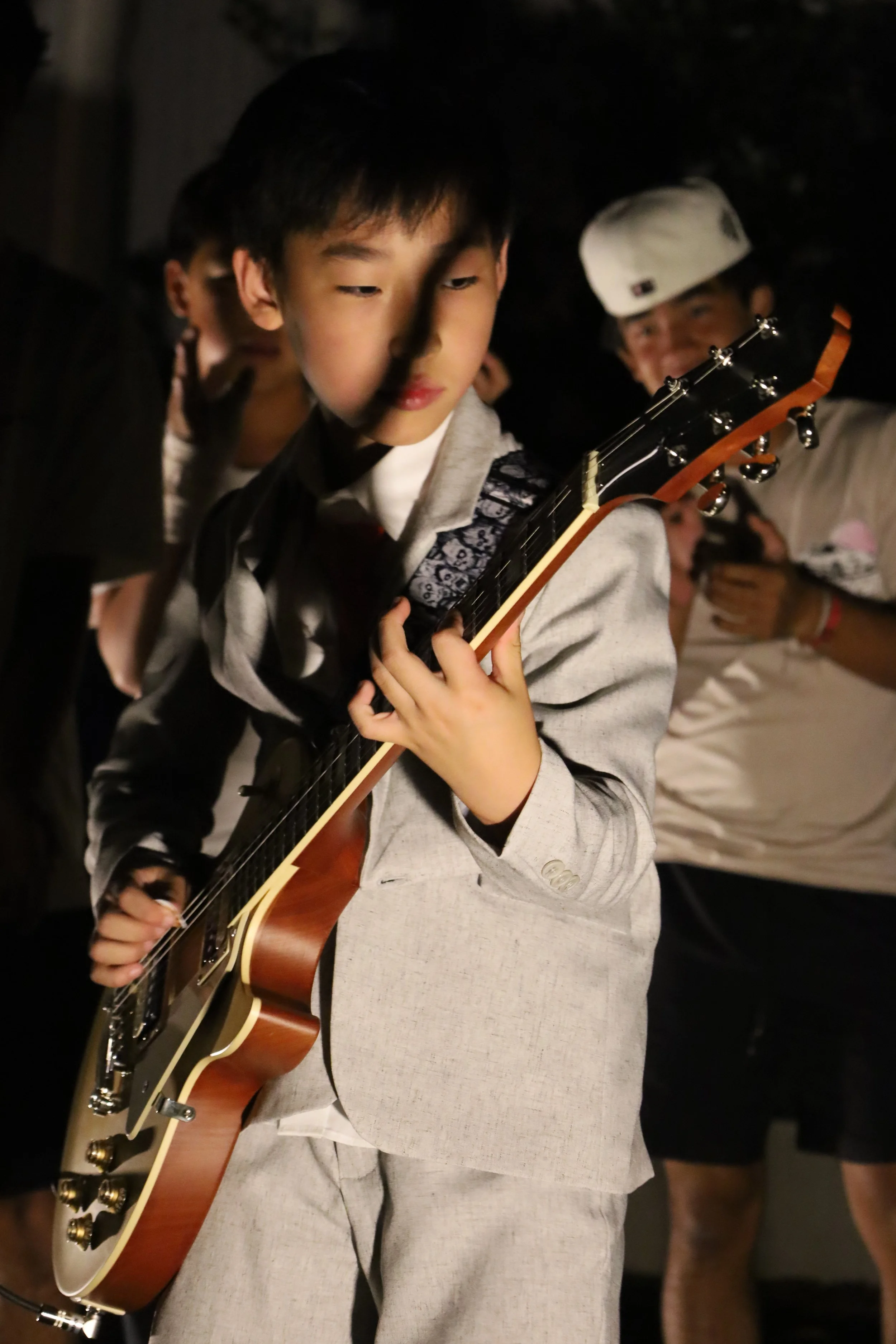
My ADHD is a compilation of spiraling and branching out thoughts and constantly losing track of time. Throughout the regular day, I think of 20 things at once. I often find tranquility in times but my distractions and daydreaming is prominent.
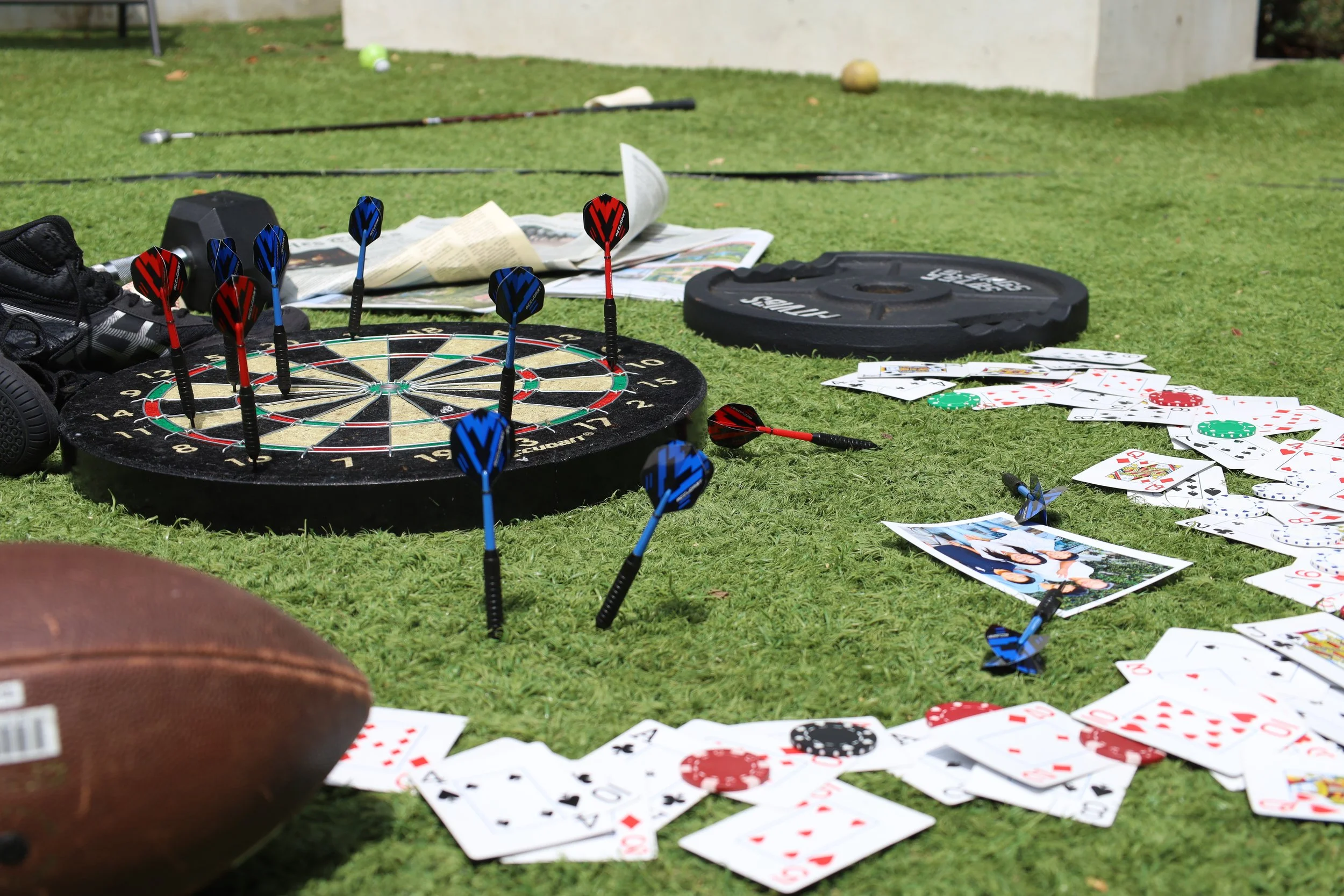
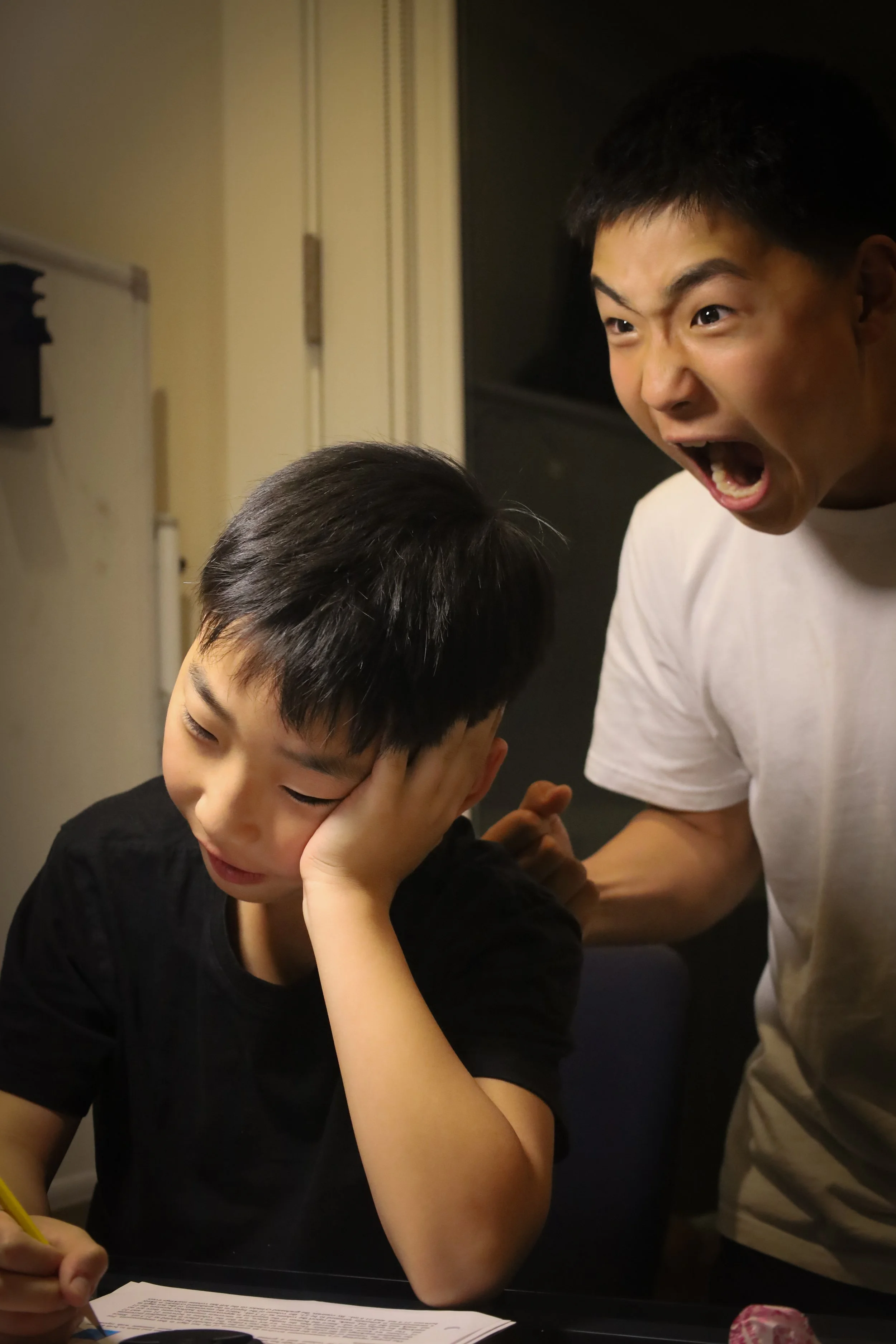
In making portraits of my brothers, I emphasized their aspect in my life as well as their occupations in my mind. By photographing my brothers and the spaces around us, I focused on the small details that usually go unnoticed: unfinished conversations, restless gestures, messy rooms, late-night thoughts, and moments of closeness hidden inside chaos. The images are meant to feel personal and unfiltered, balancing disorder with comfort and tension with familiarity.
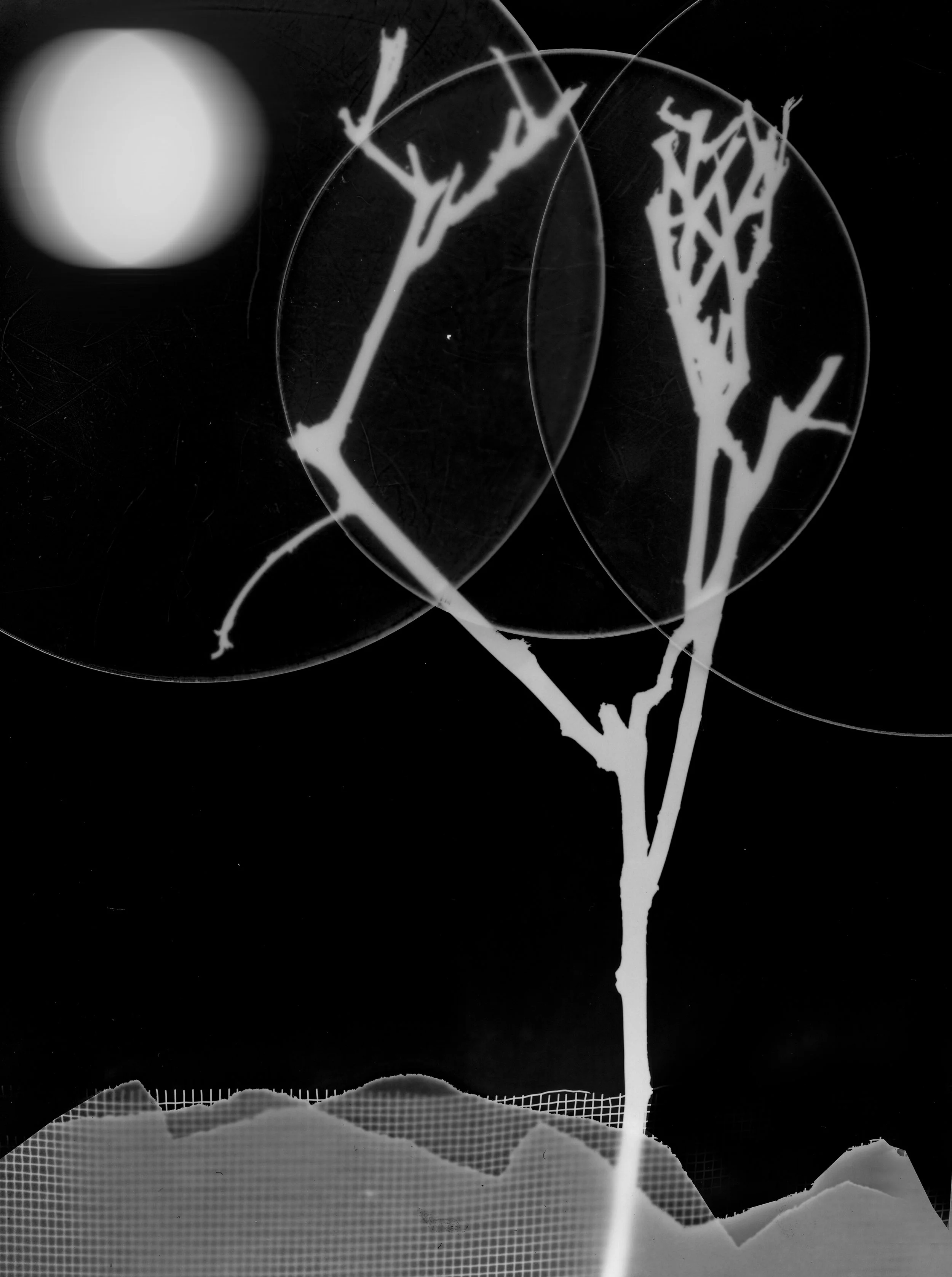
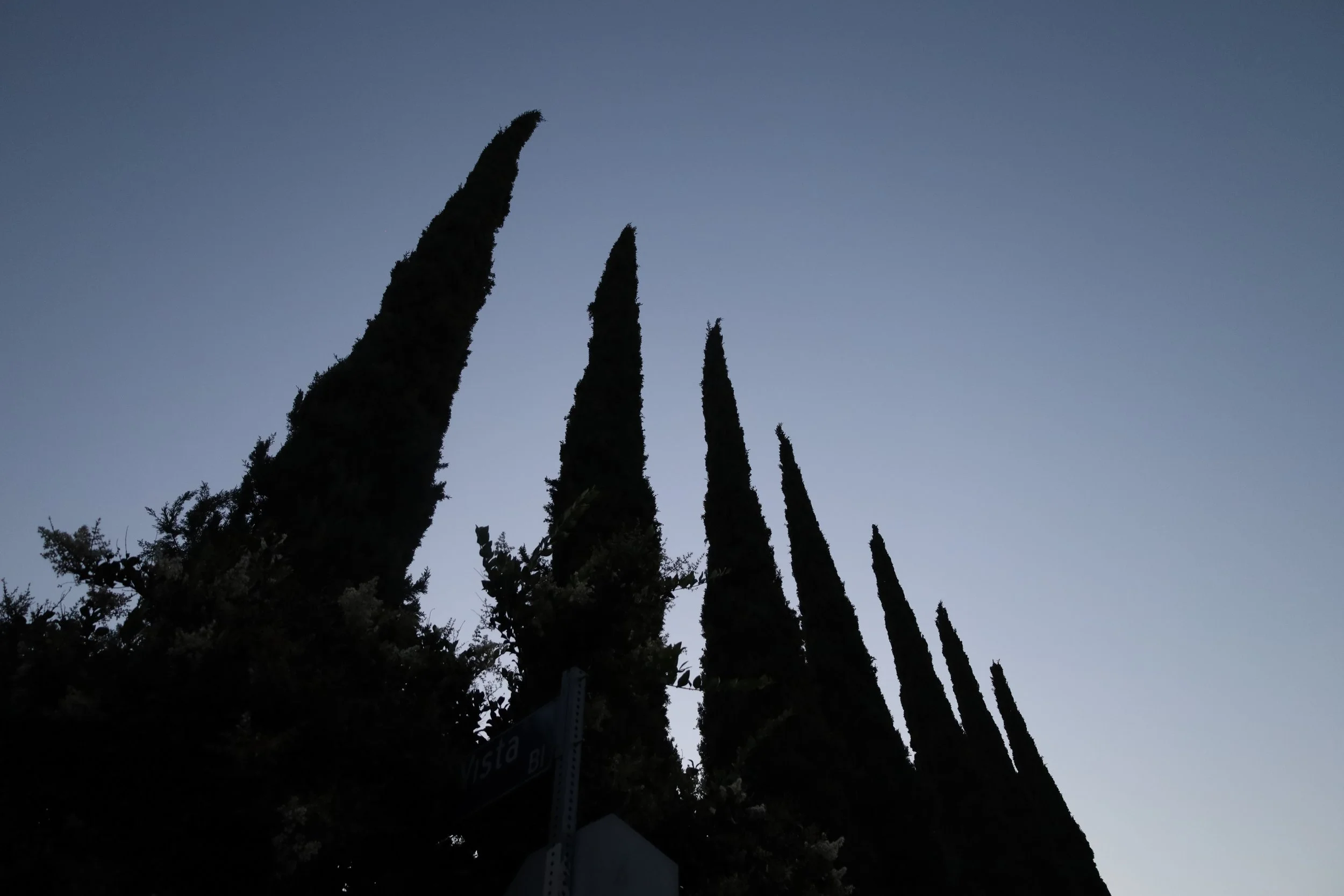
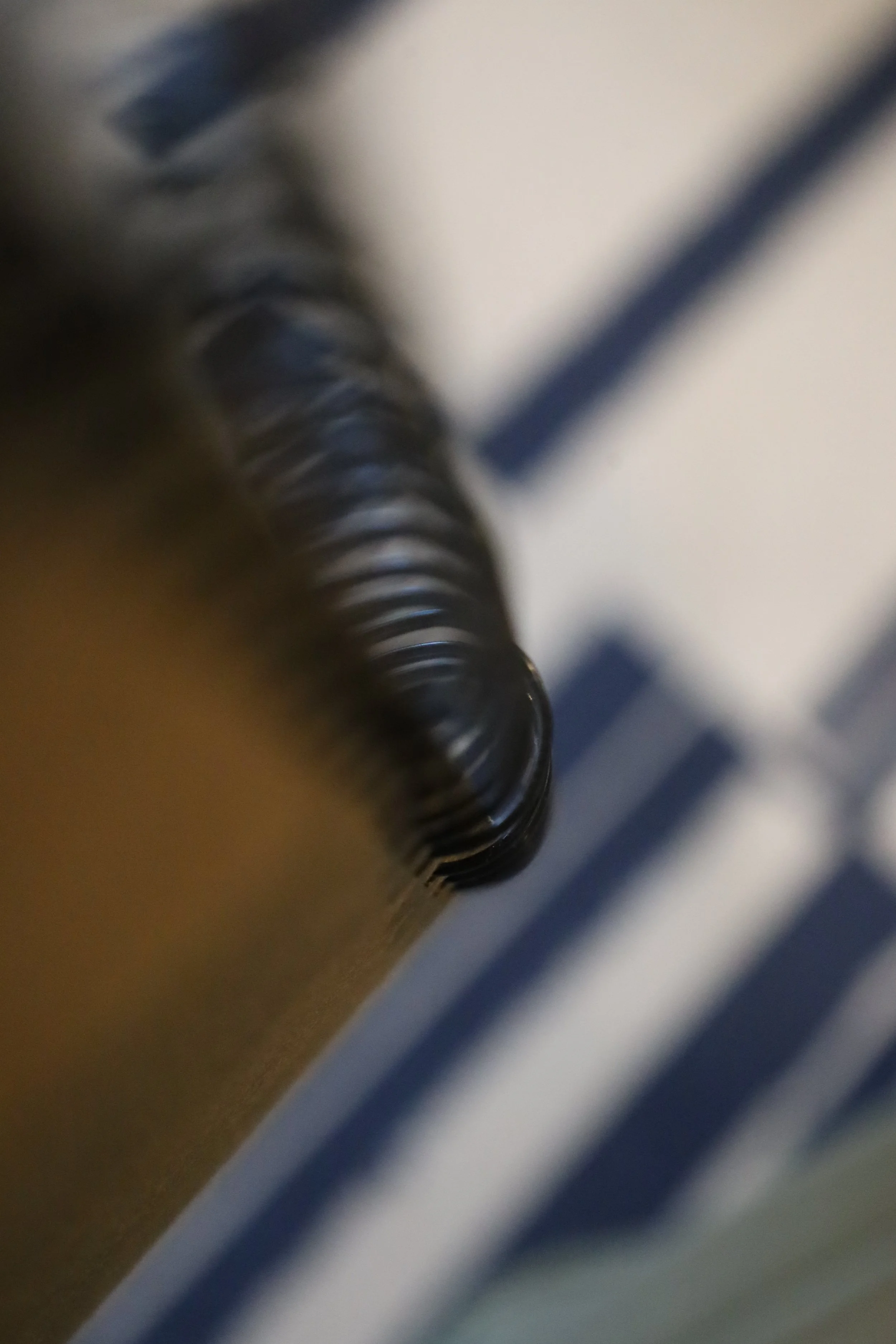
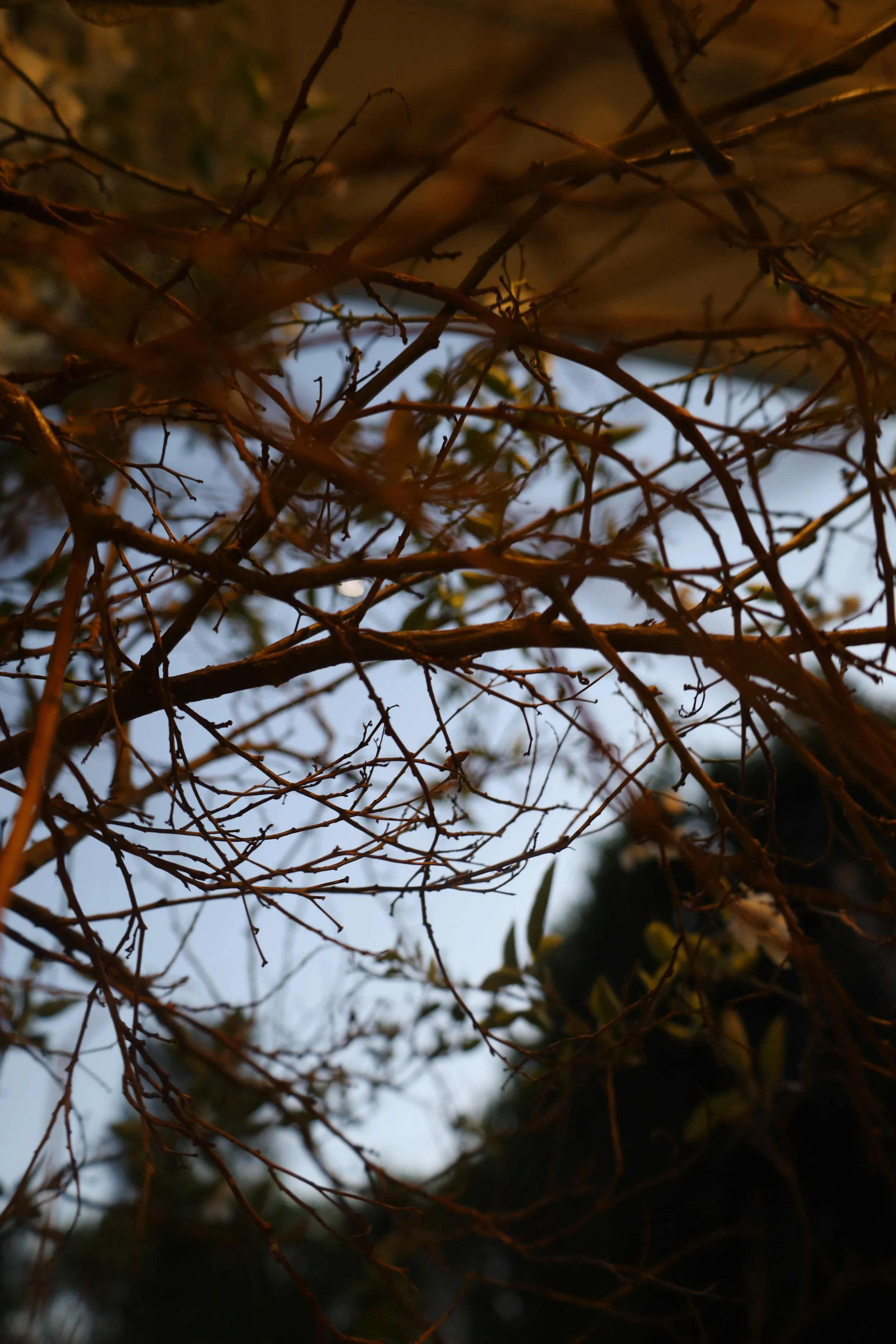
The spiral and tree branch are symbols of bursts of thoughts. I like to describe my ADHD by saying how random thoughts cause a chain reaction of completely unrelated things. As one thought leads to another, I imagine a spiral of memories going out of control or a branch of thoughts spreading out endlessly.
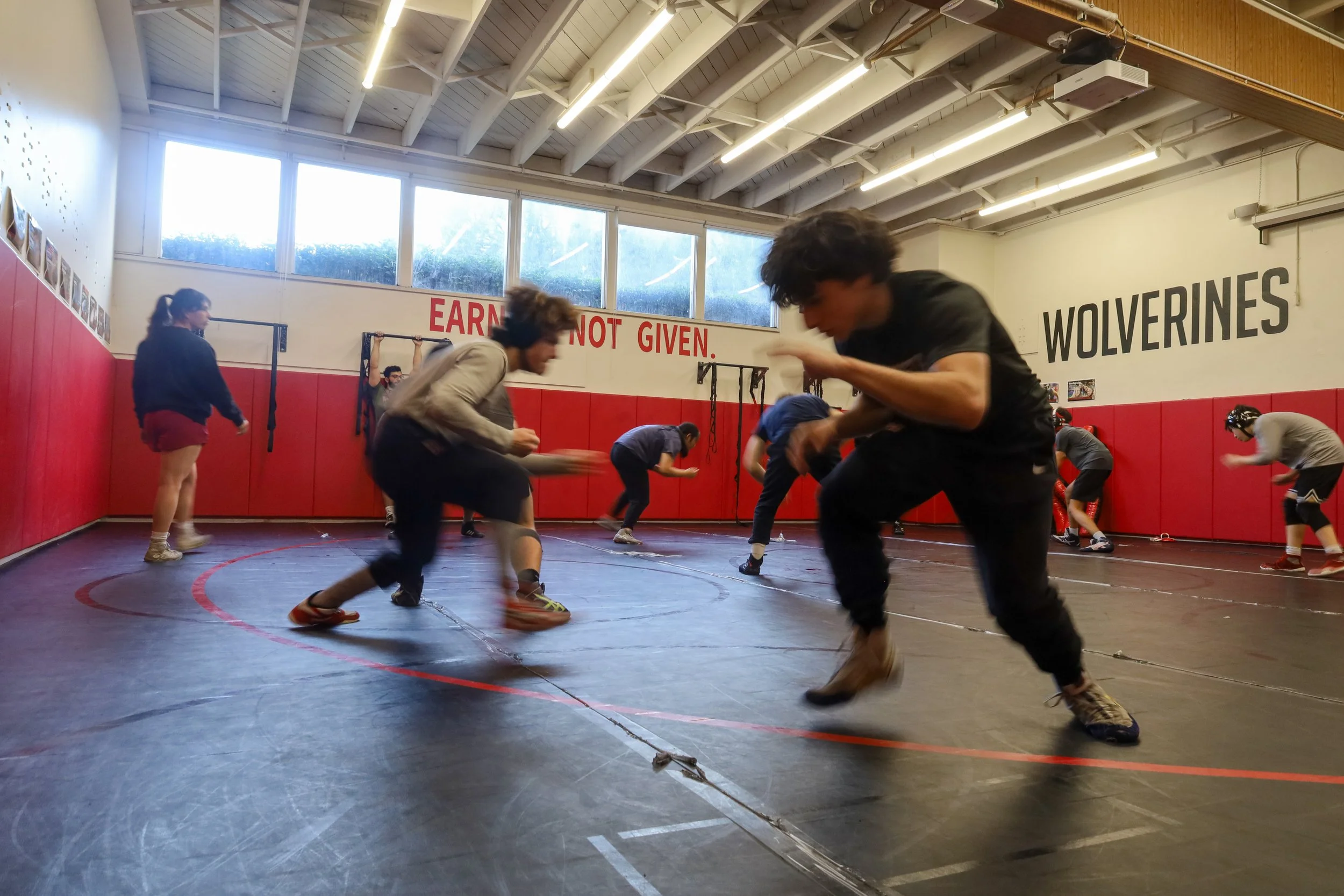
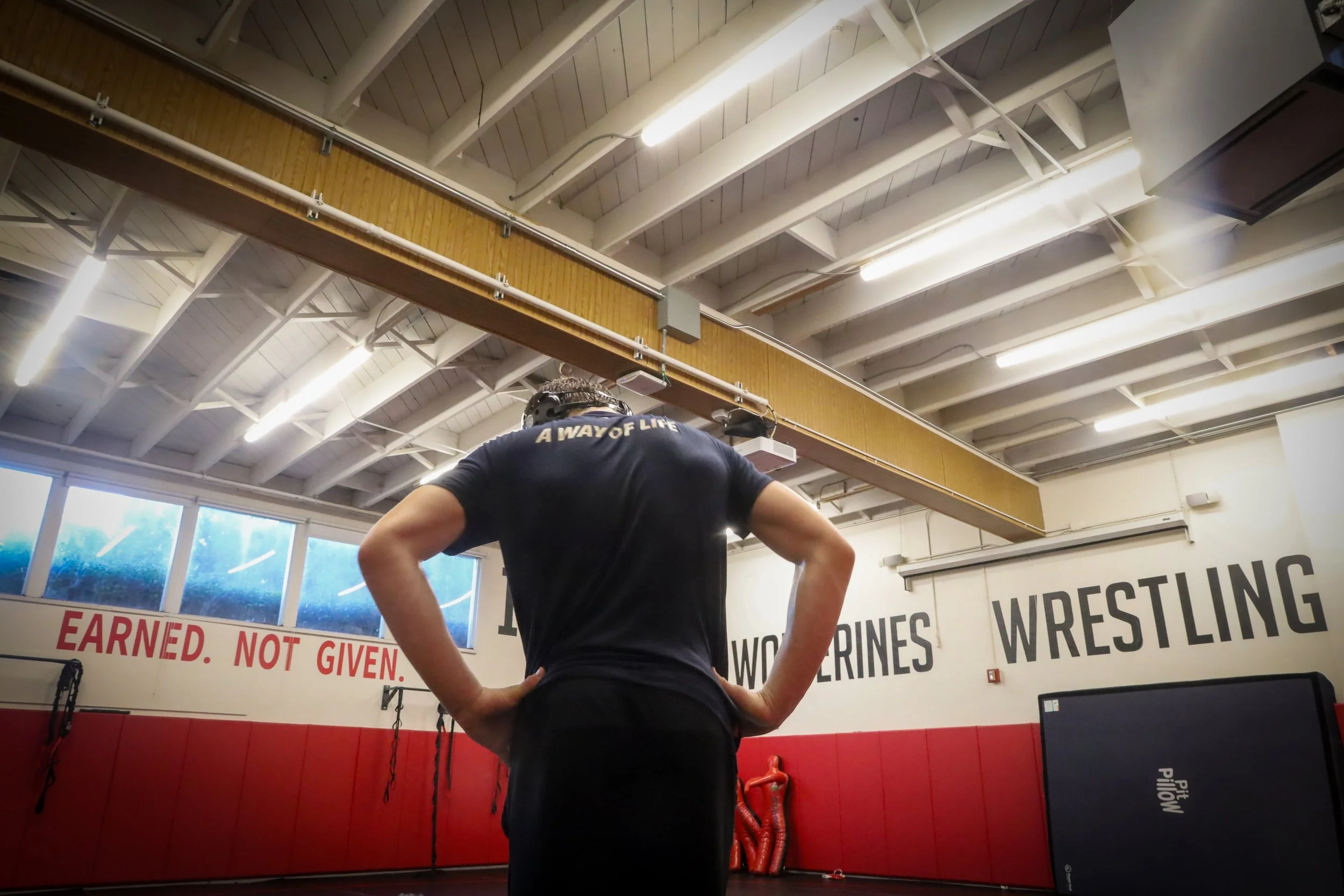
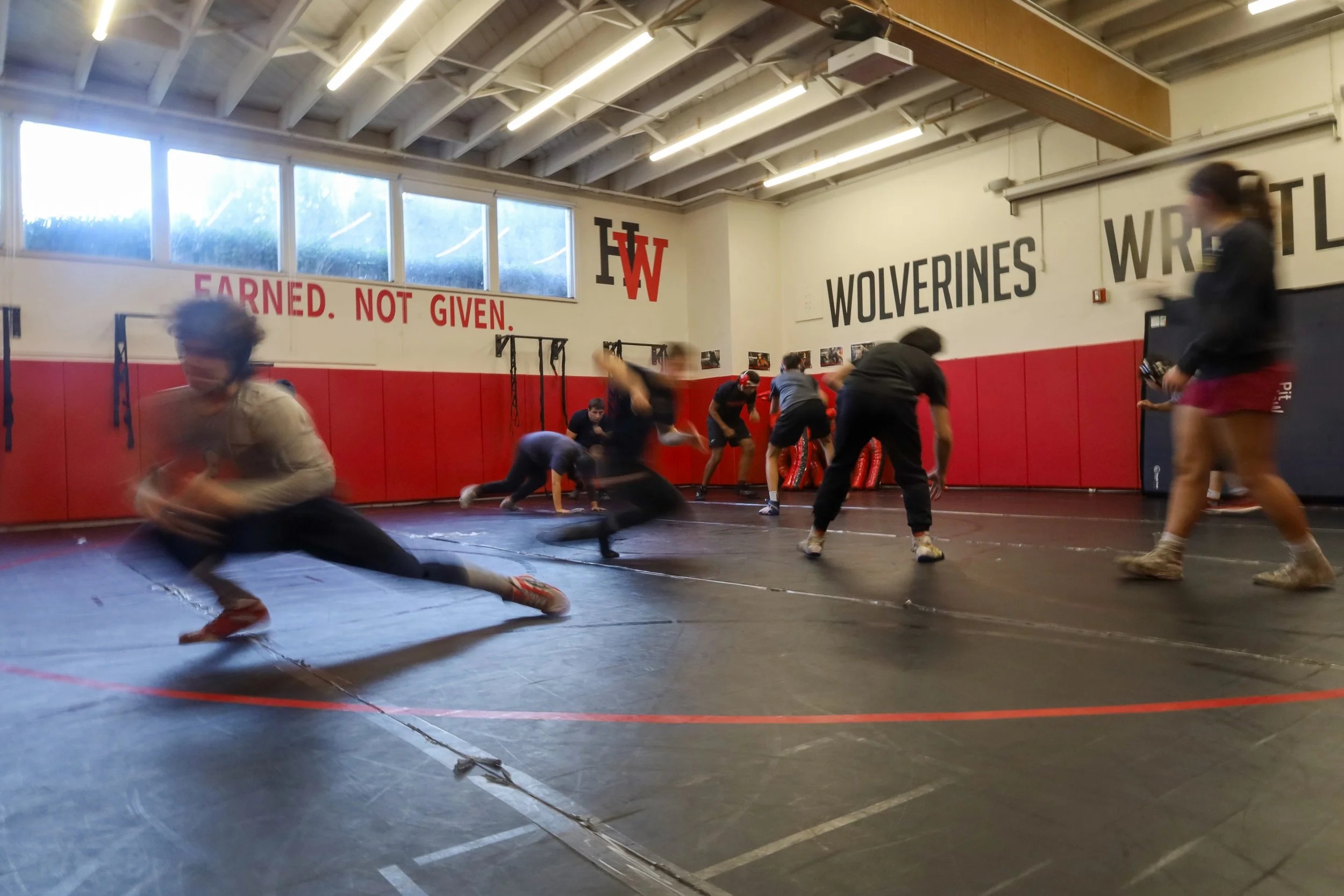
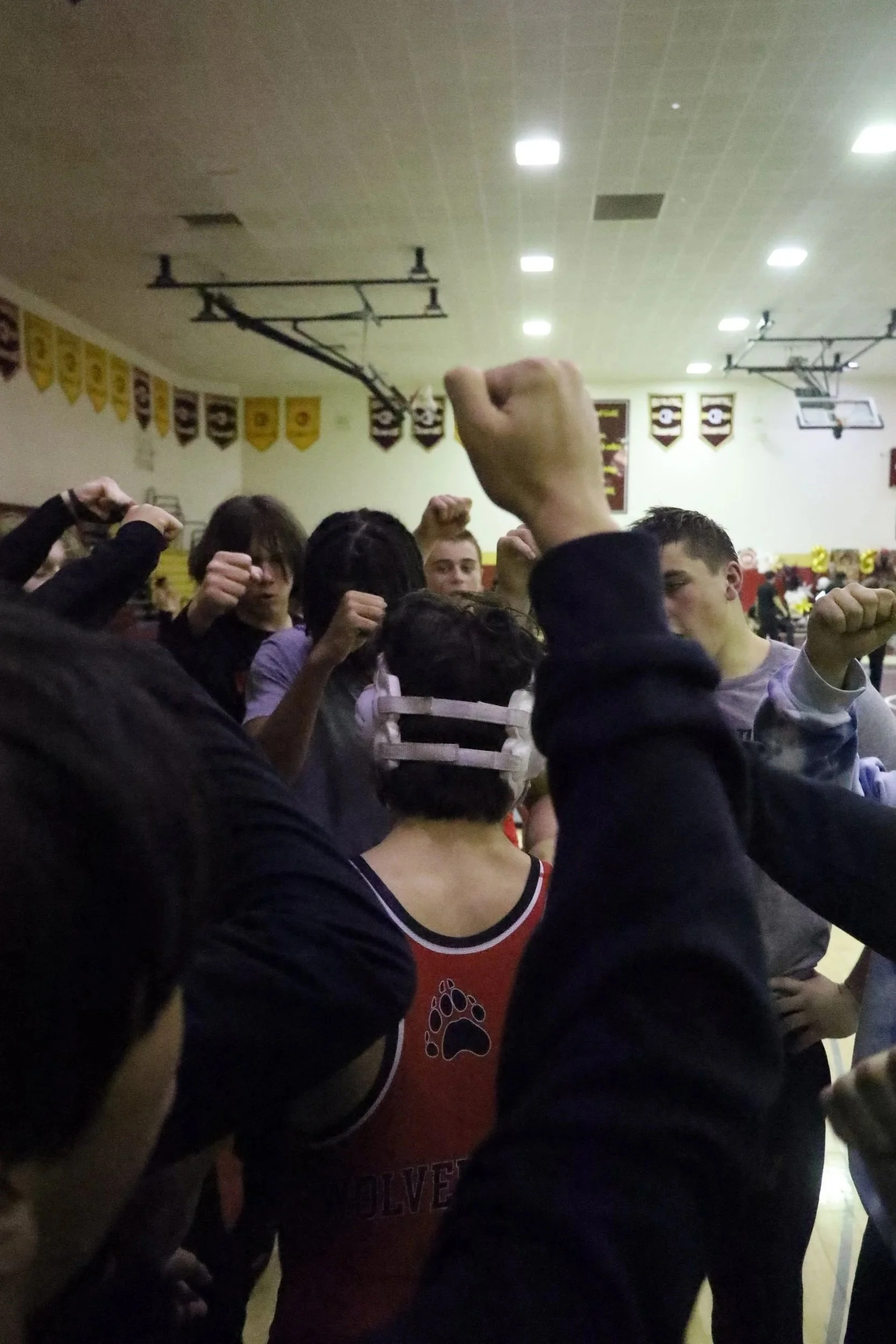
Wrestling plays a big role in my life. It serves as both an outlet for focus and a source of distraction. The grind of the tournaments and practices has the ability to take my mind off of things and to focus, contrasting the common theme of ADHD.
This project is not meant to “explain” ADHD clinically. Instead, it presents an experience of living with it while growing up alongside someone who understands that world from the inside. At its core, the series is about connection how brothers communicate without words, how identity is shaped inside a family, and how beauty can exist in imperfect, fast-moving, everyday life.
Nico
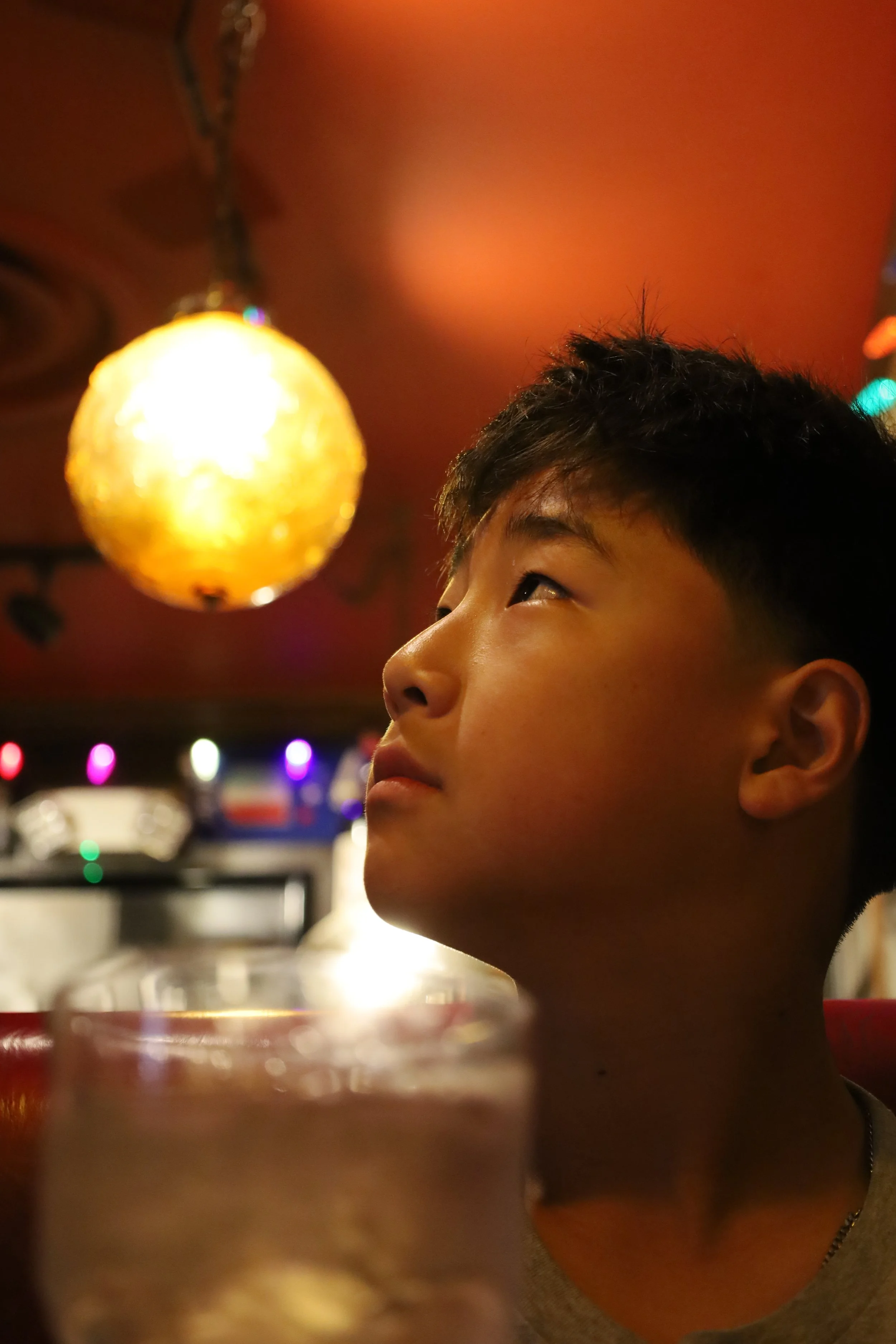
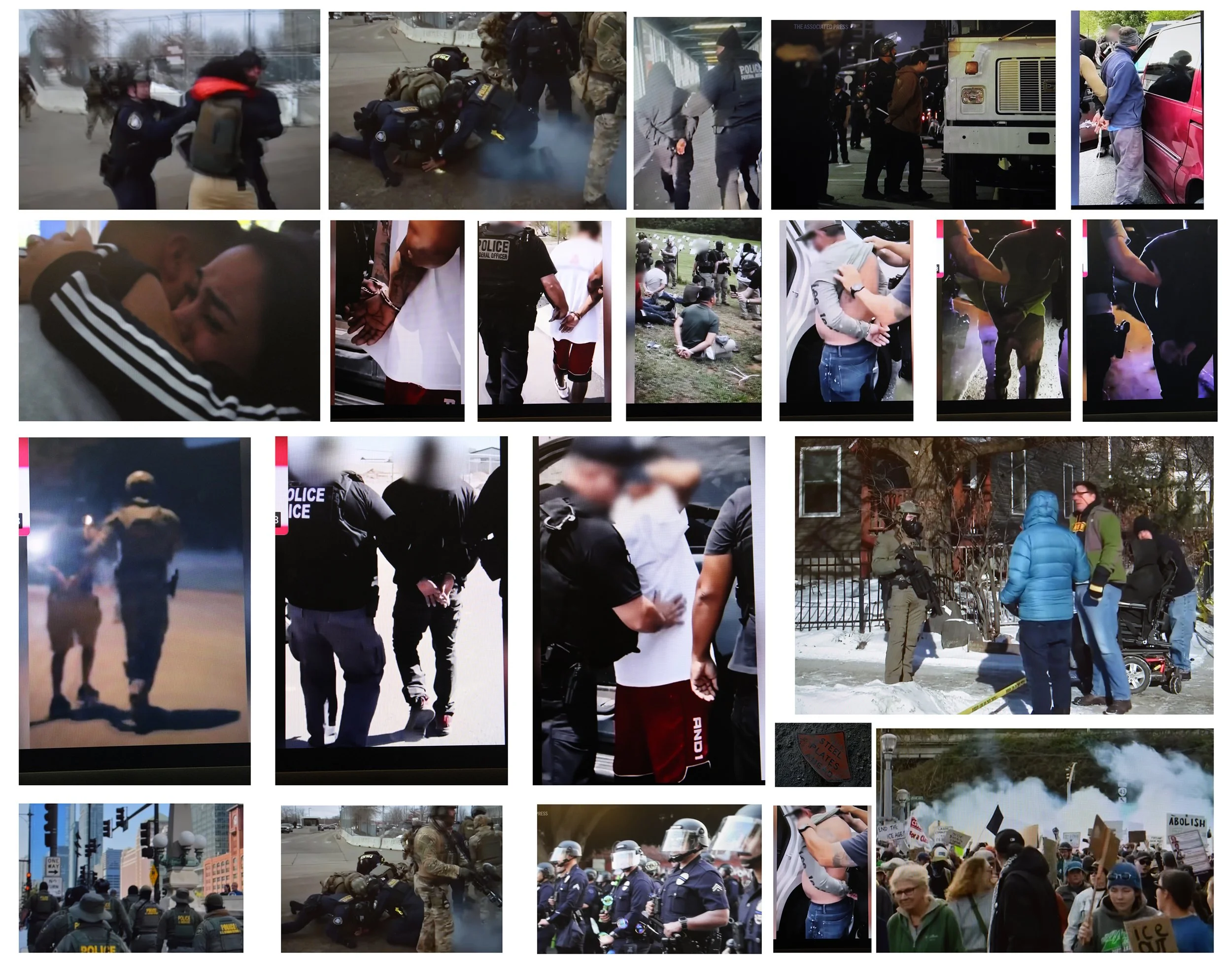
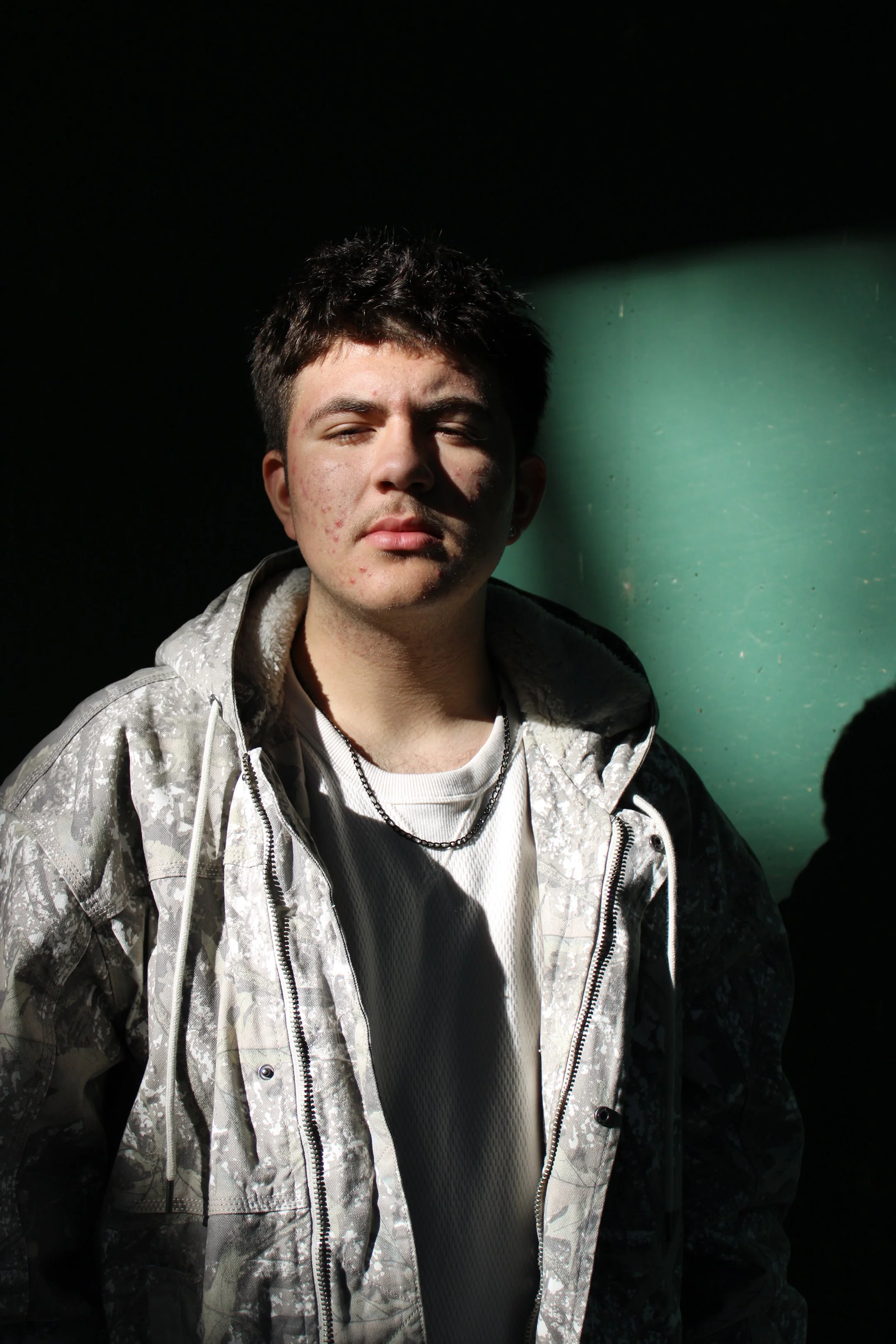
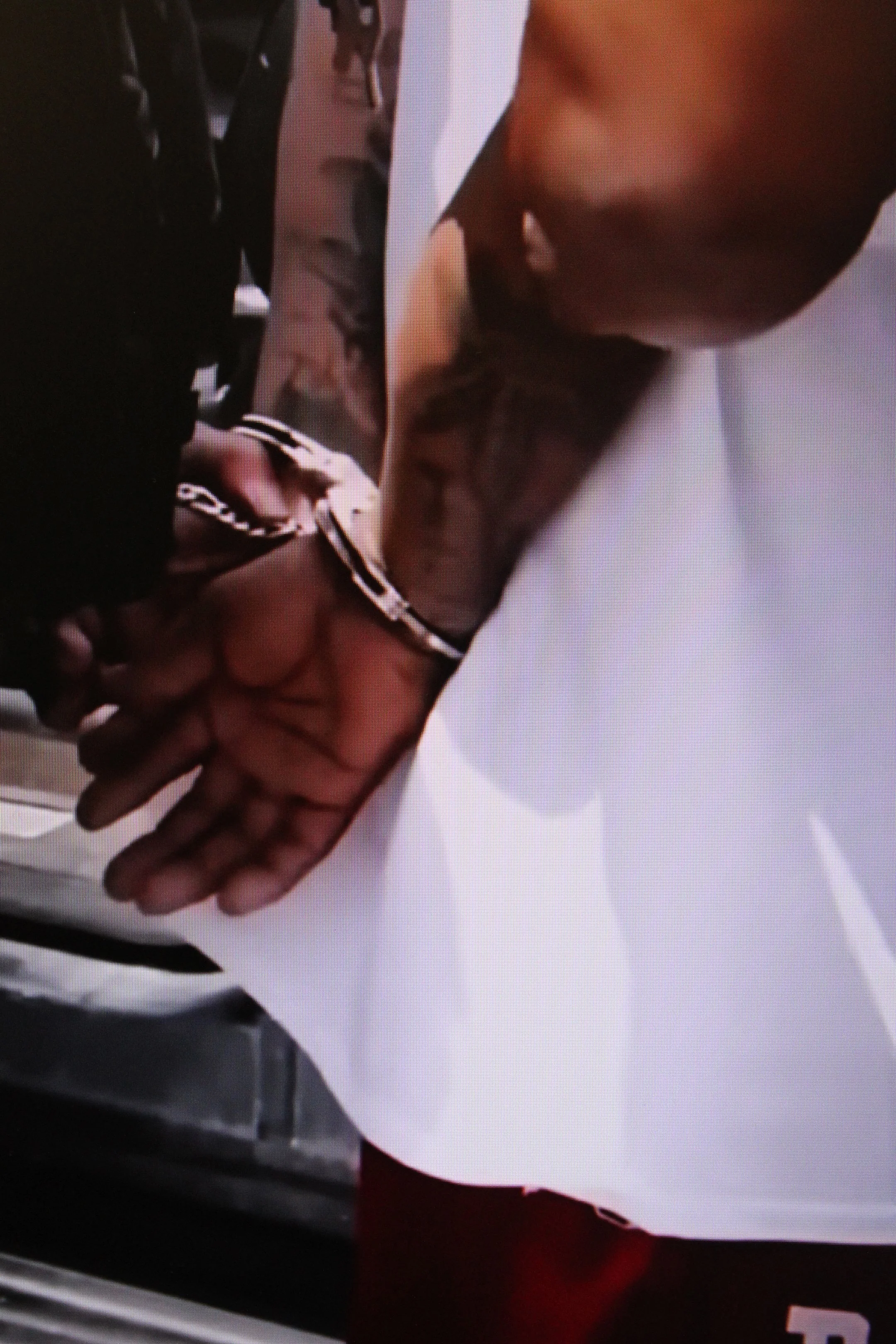
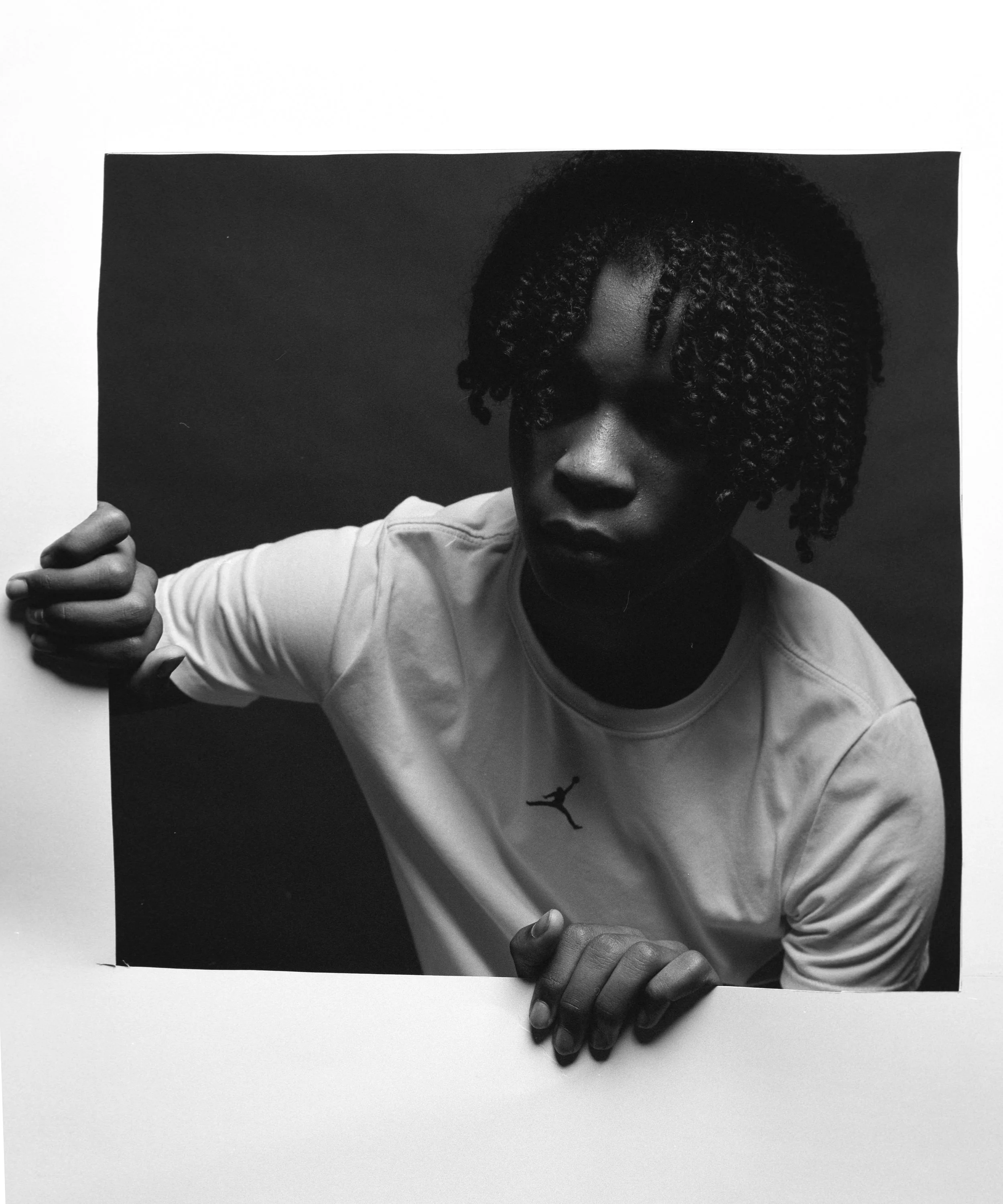
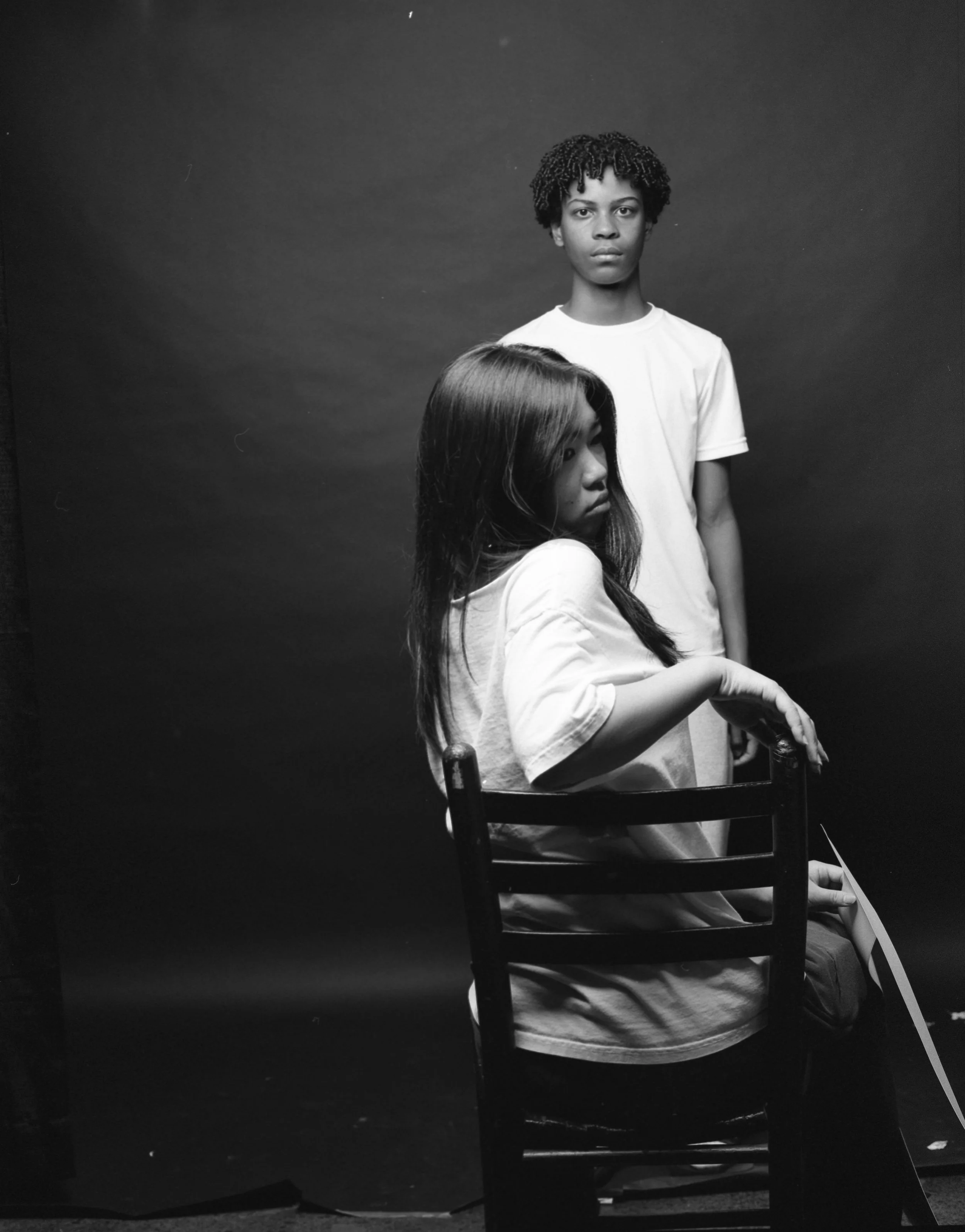
I wanted to use different photo techniques to talk about ICE and how it effected people of color. I tried self portraits, black and white film photography in a studio, double exposures and making portraits of people who resemble those who have been racial profiled by ICE.
Kasra
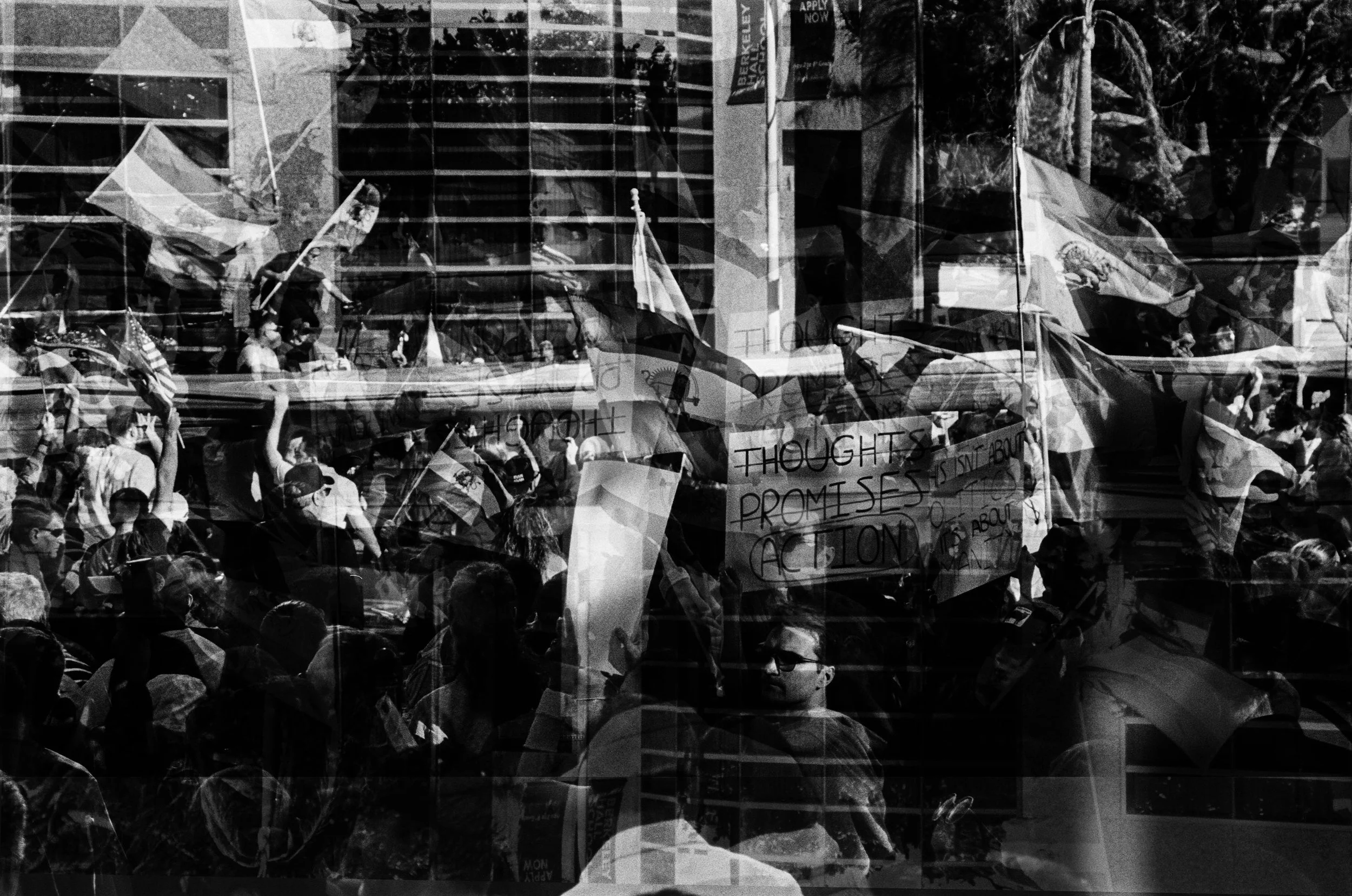
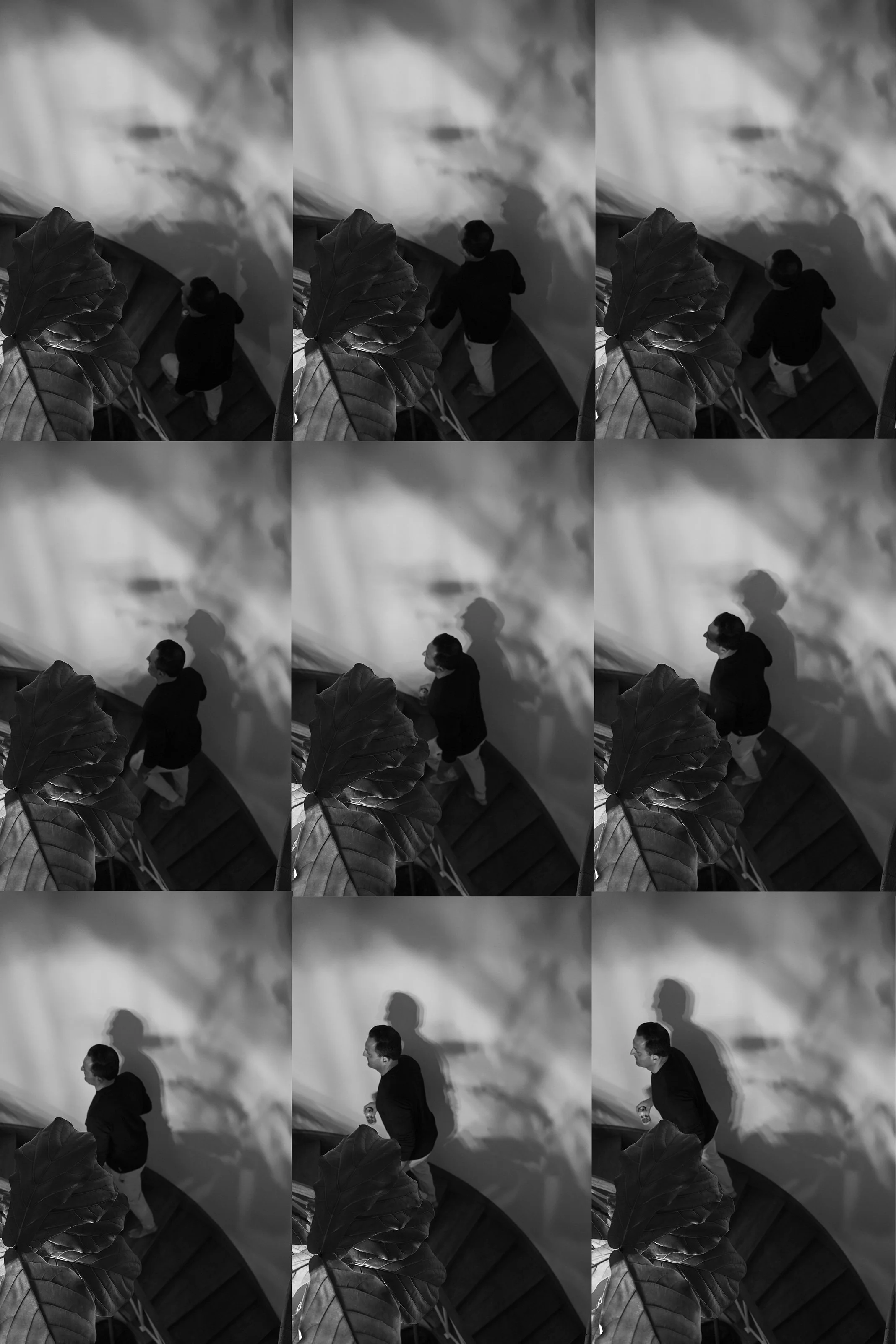
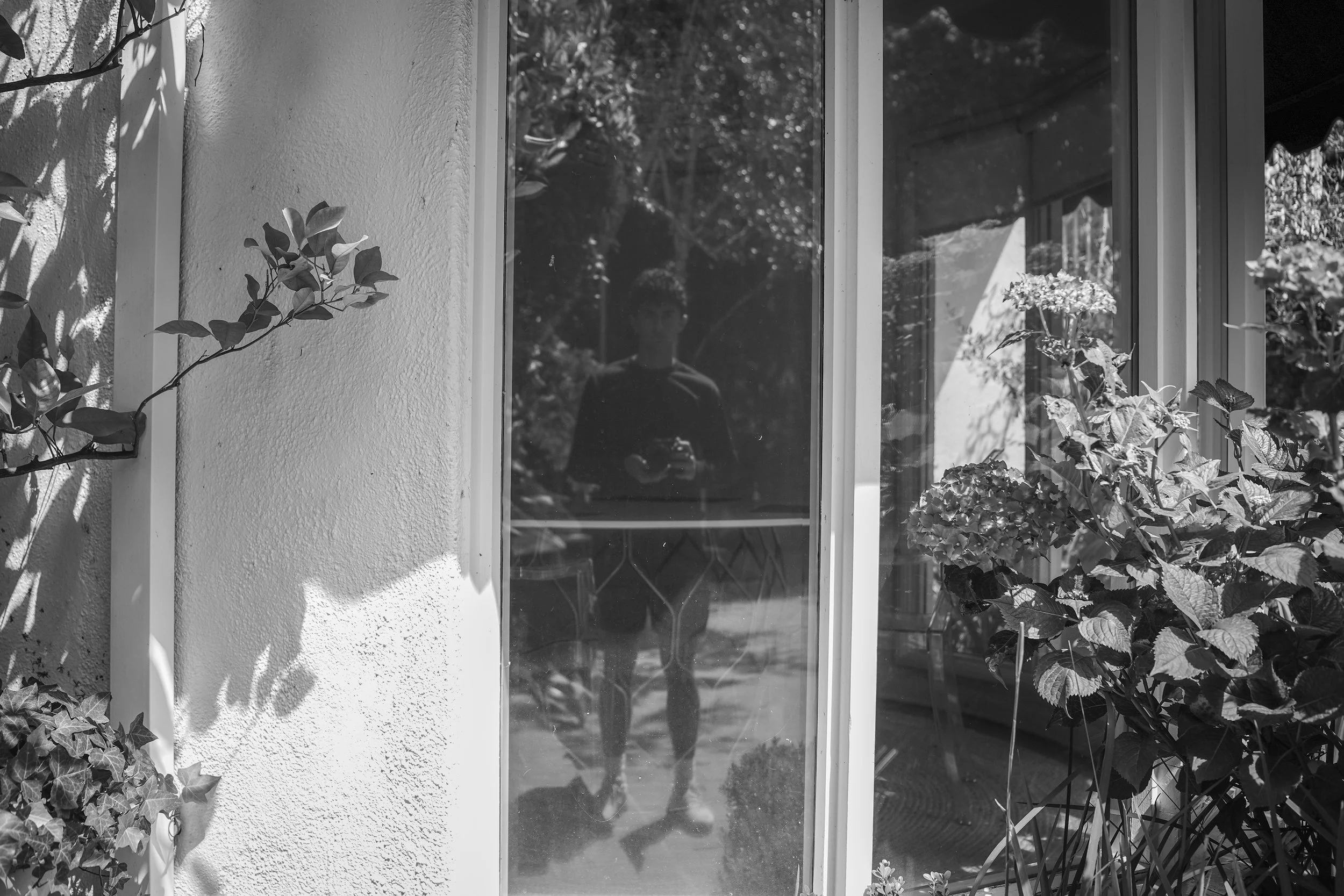
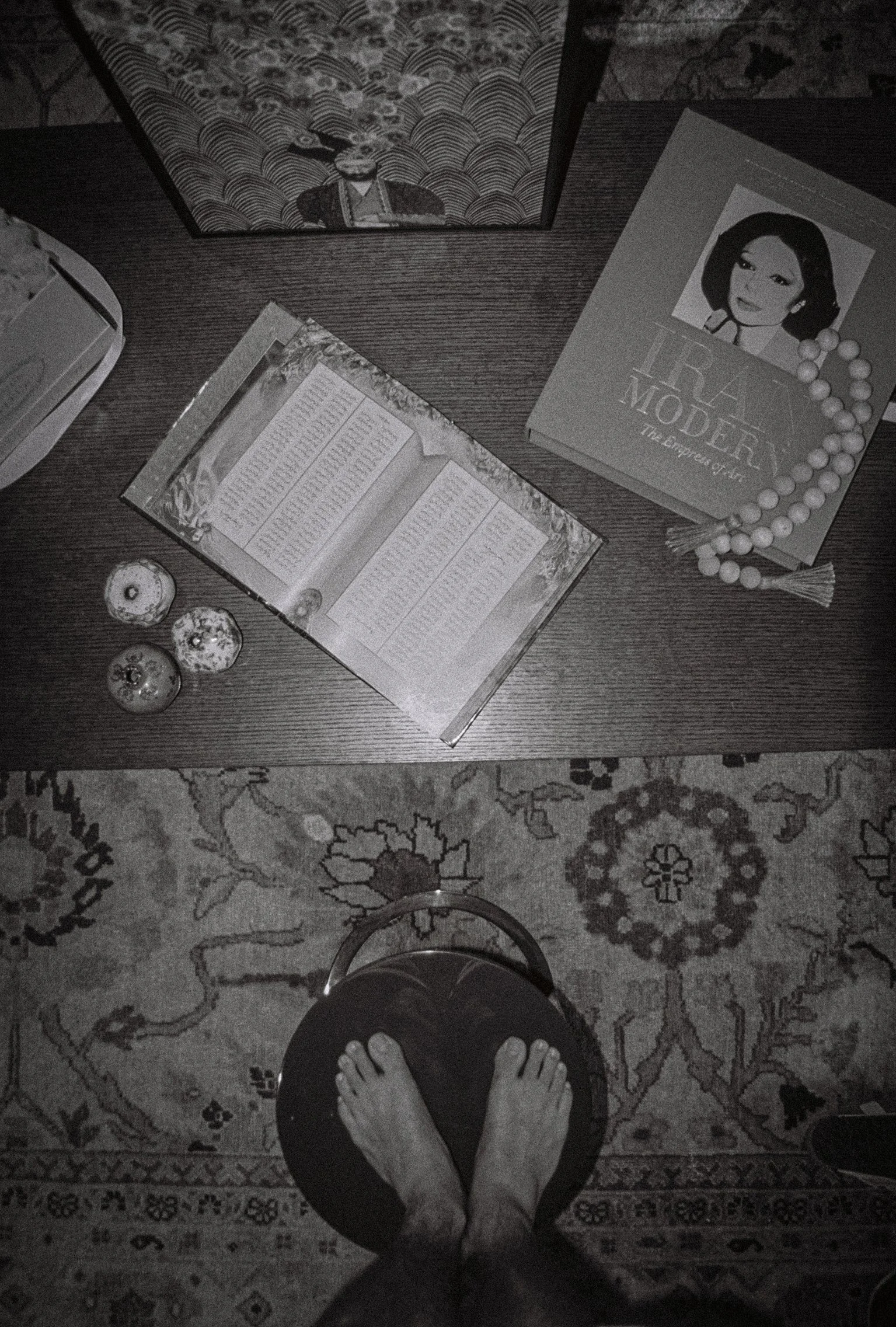
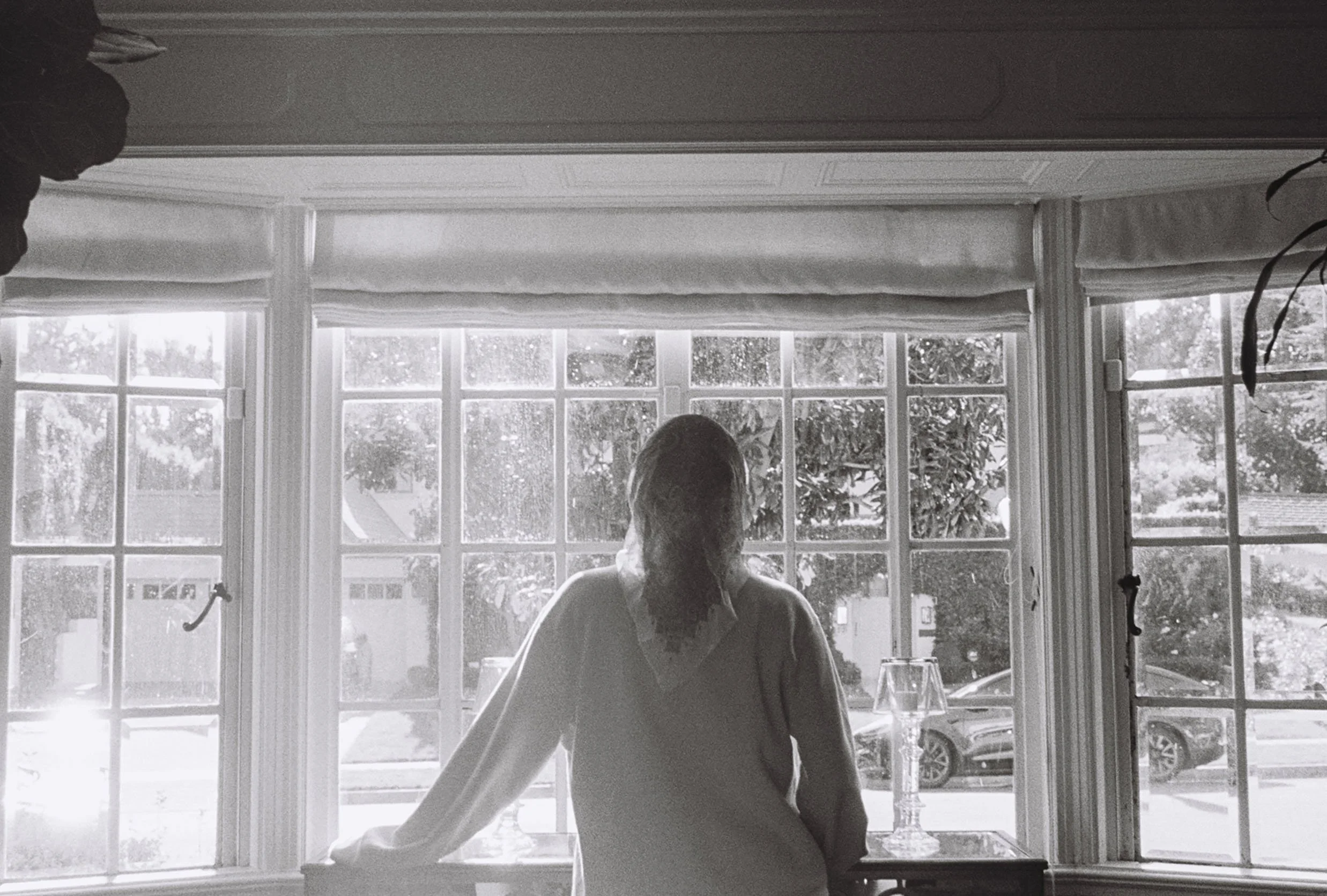
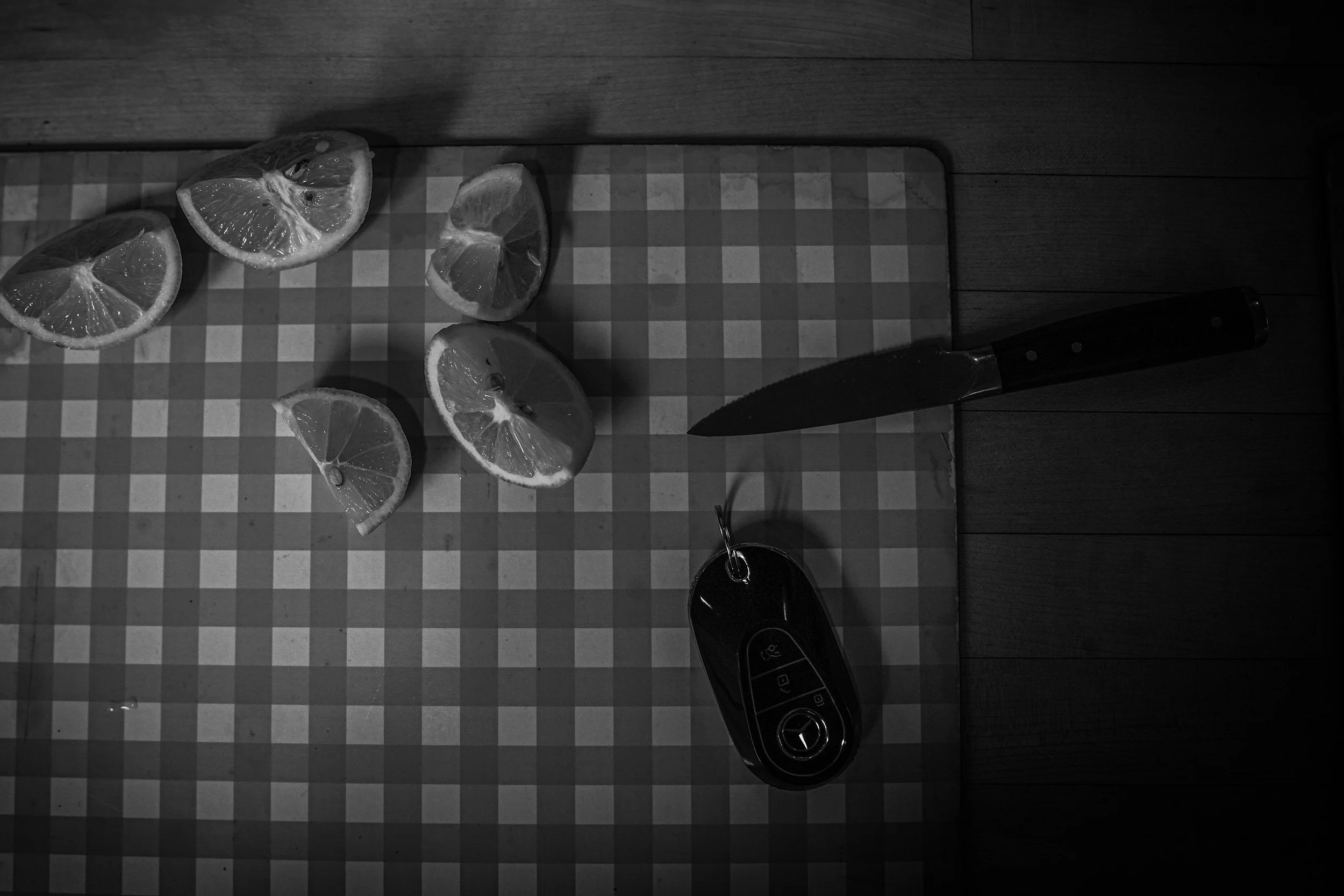
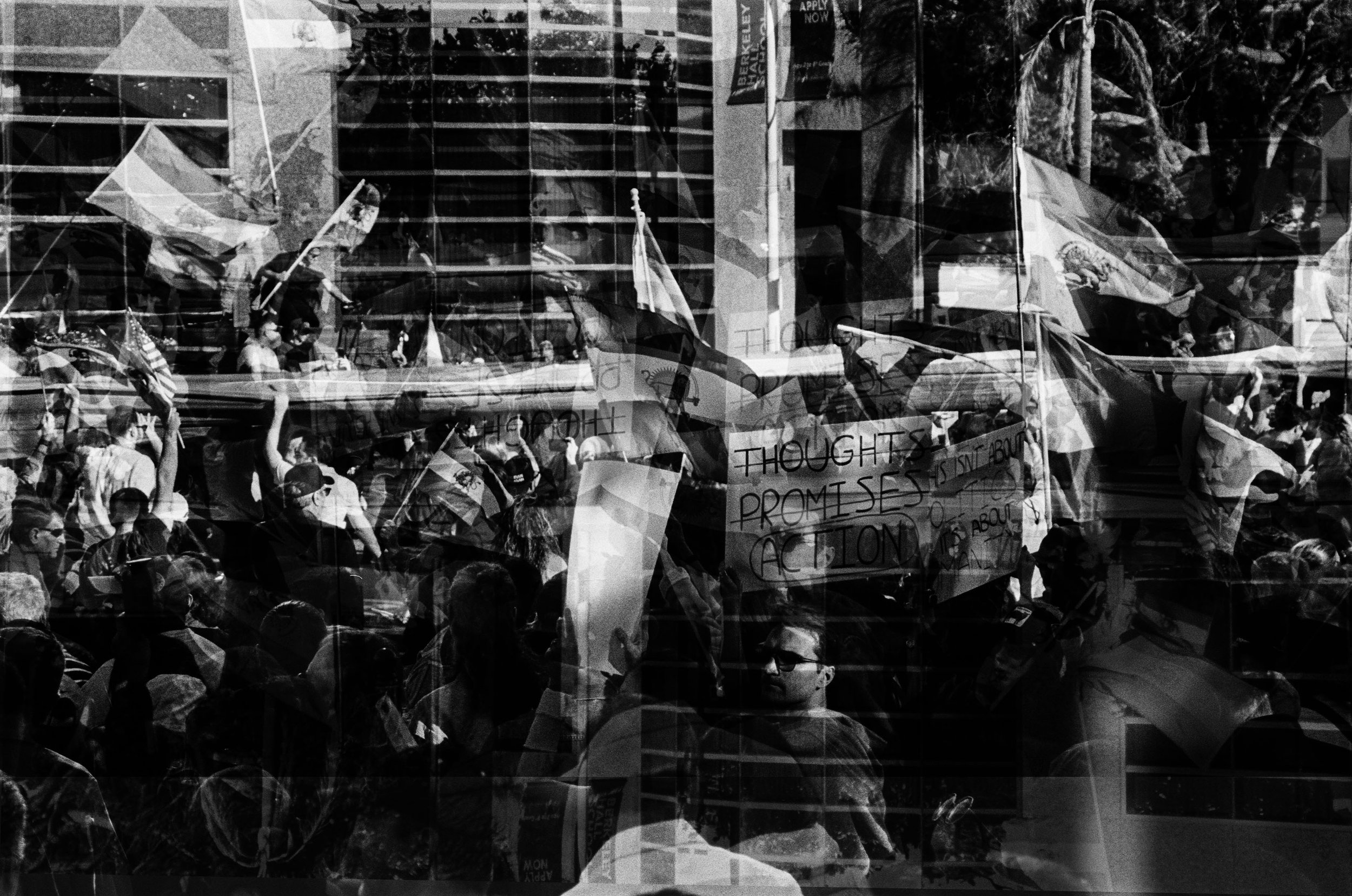
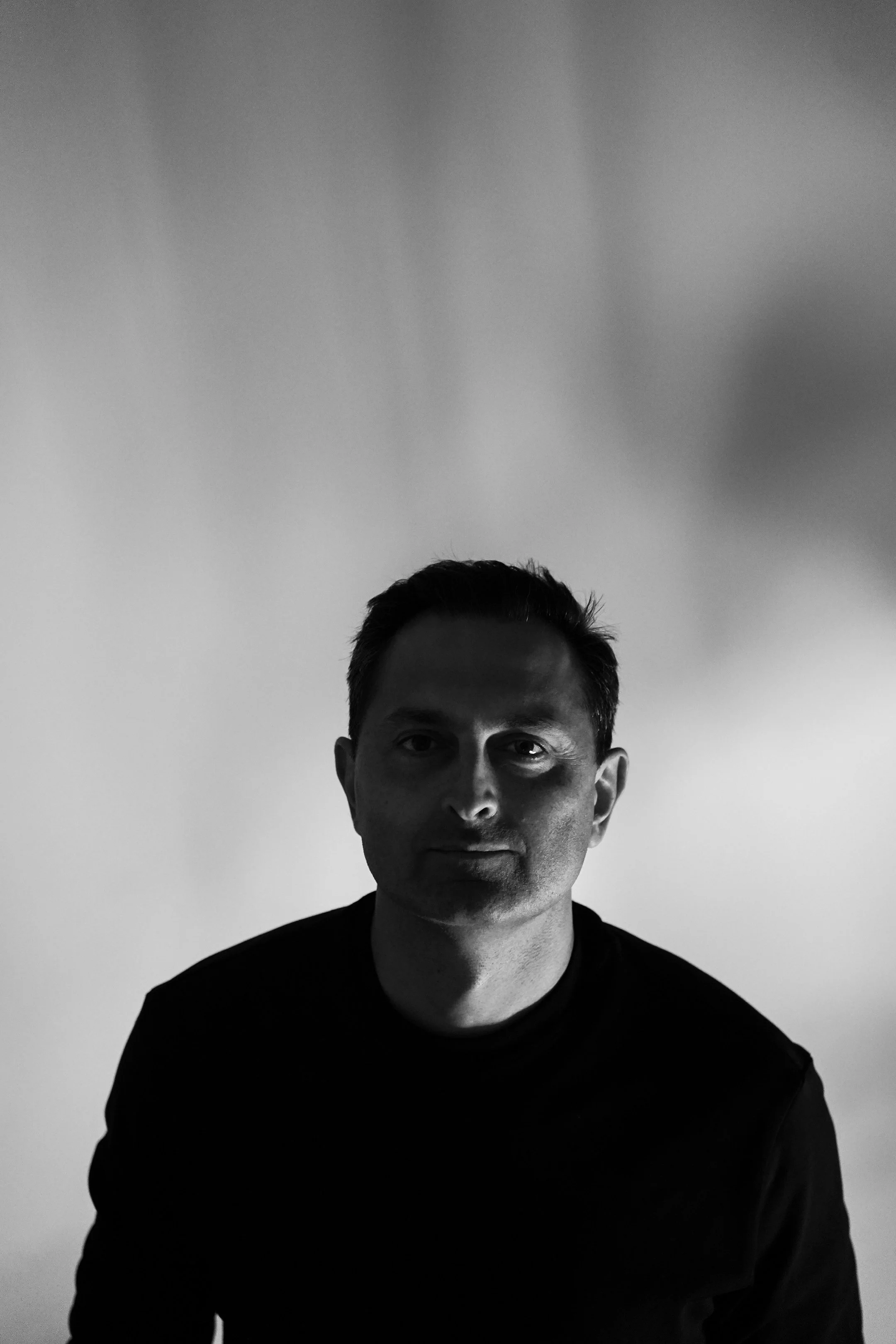
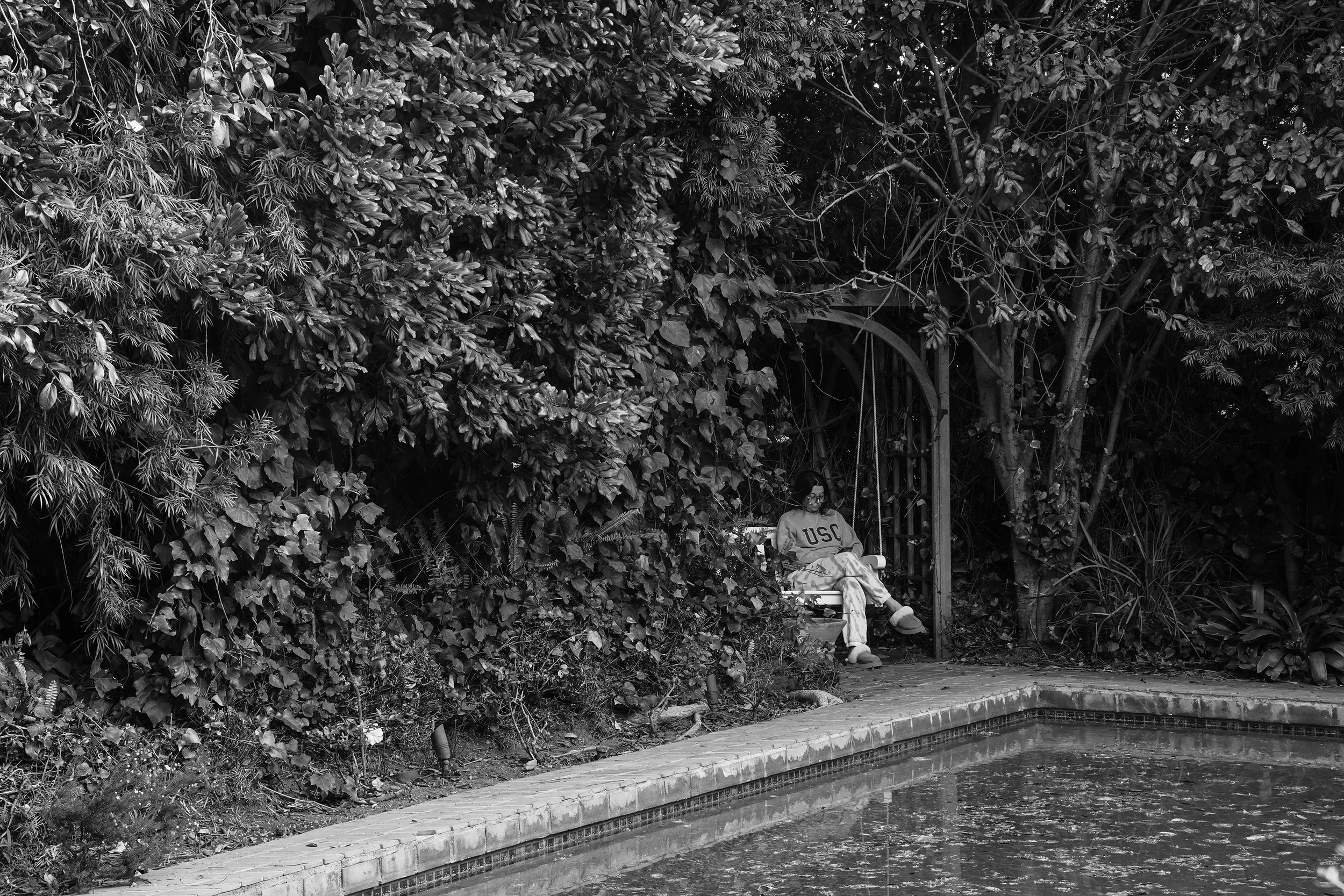
This series is about my family and Persian culture. The goal is to explain my relationships with different members of my family, as well as my adoption of both Iranian and American culture, in a world ridden by conflict and war between the two countries' governments. I shot in black and white in-camera for both my digital work and analog photography. I approached the project so a diverse group of viewers might see something of themselves or find “space” in the series regardless of their ethnicity or social status
I love all the images here equally, as they each serve a different purpose in communicating the message of this series.
Henry
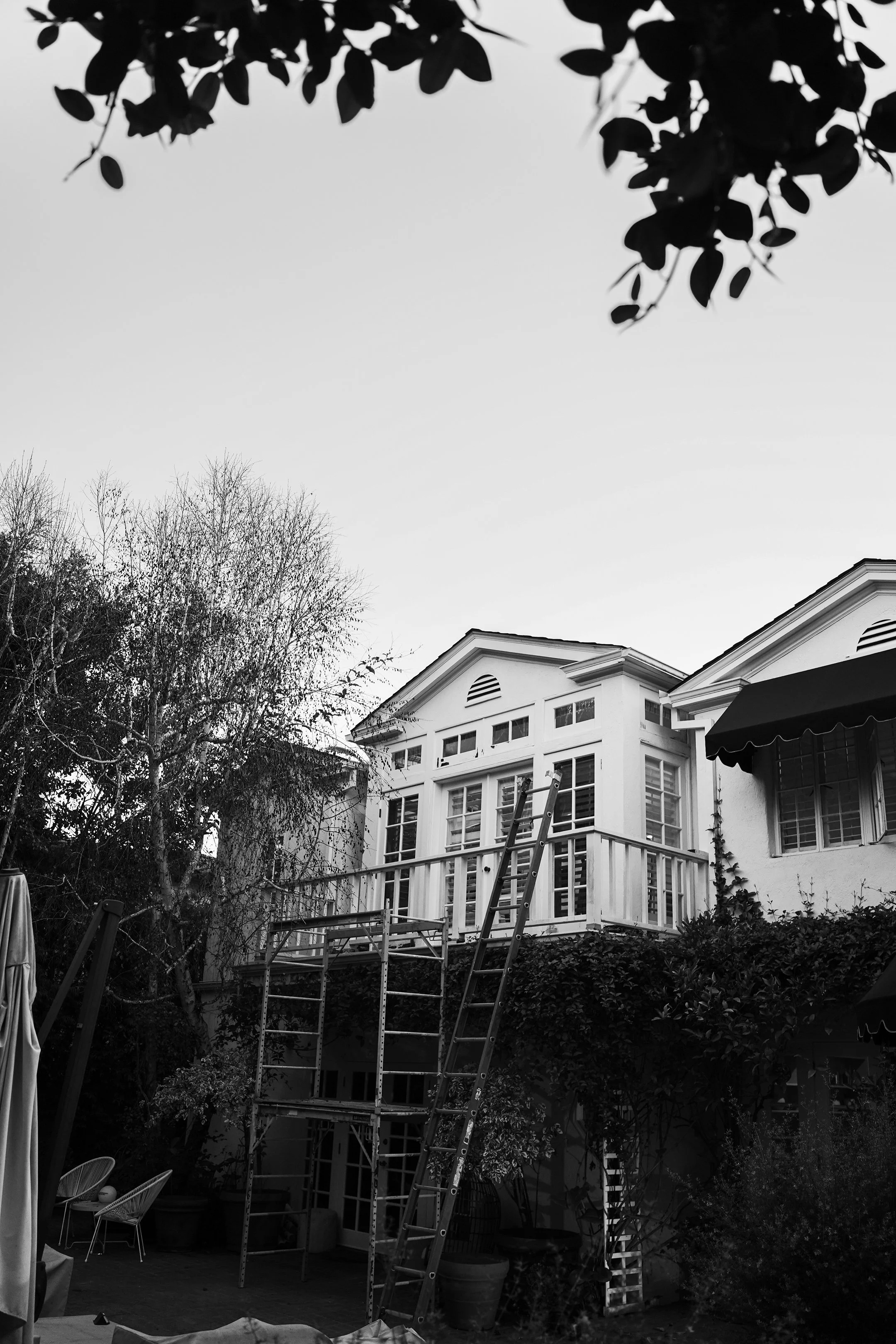
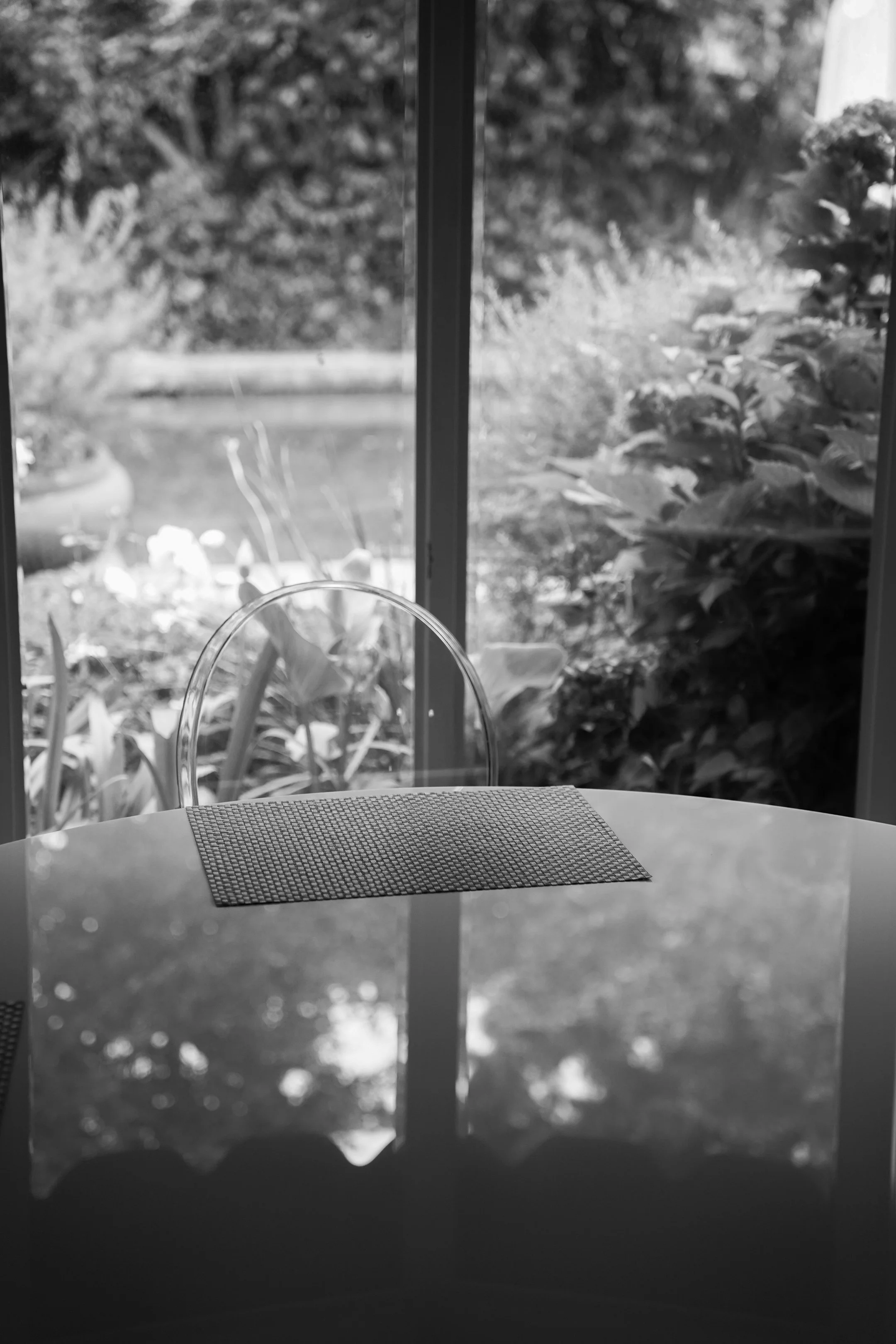
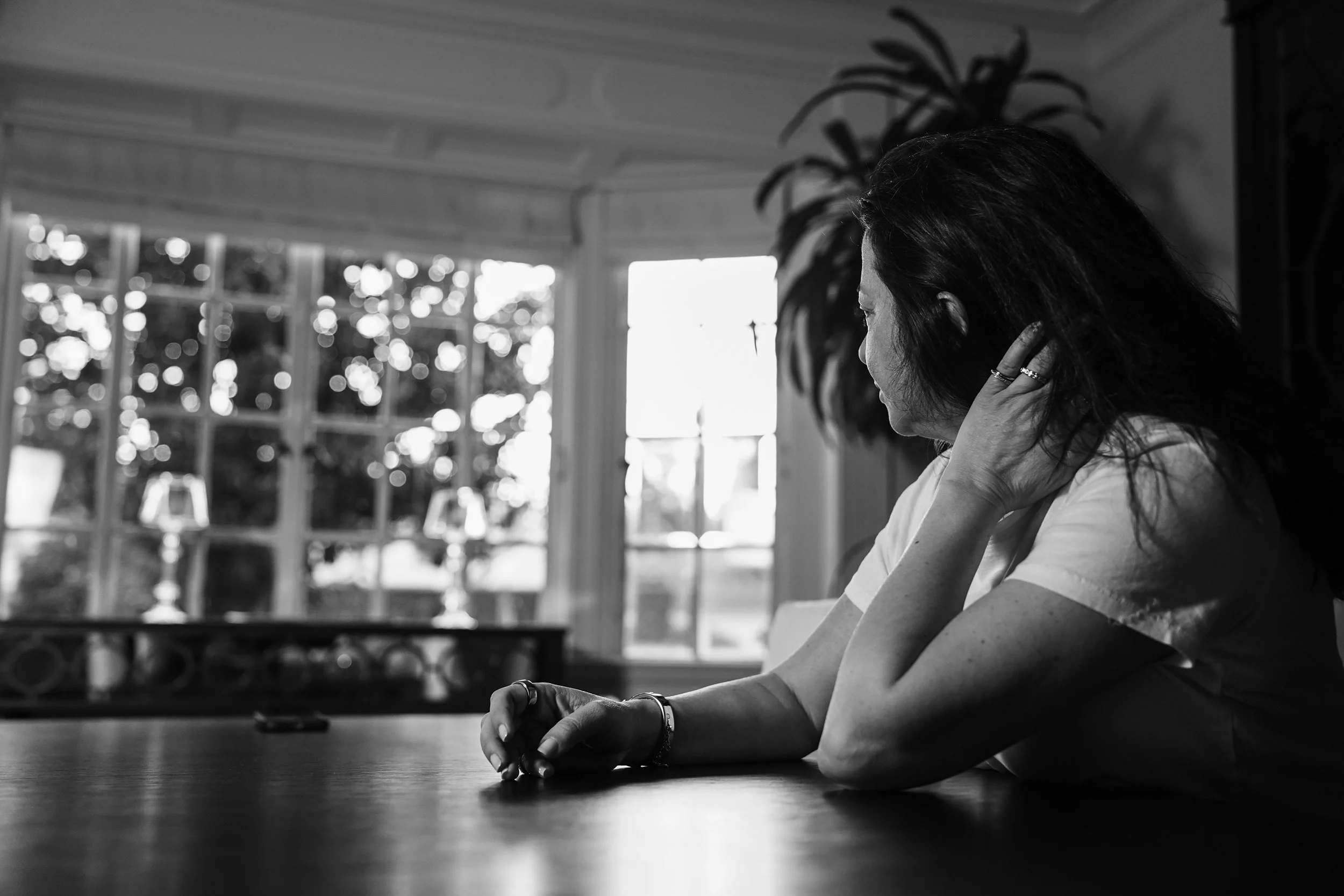
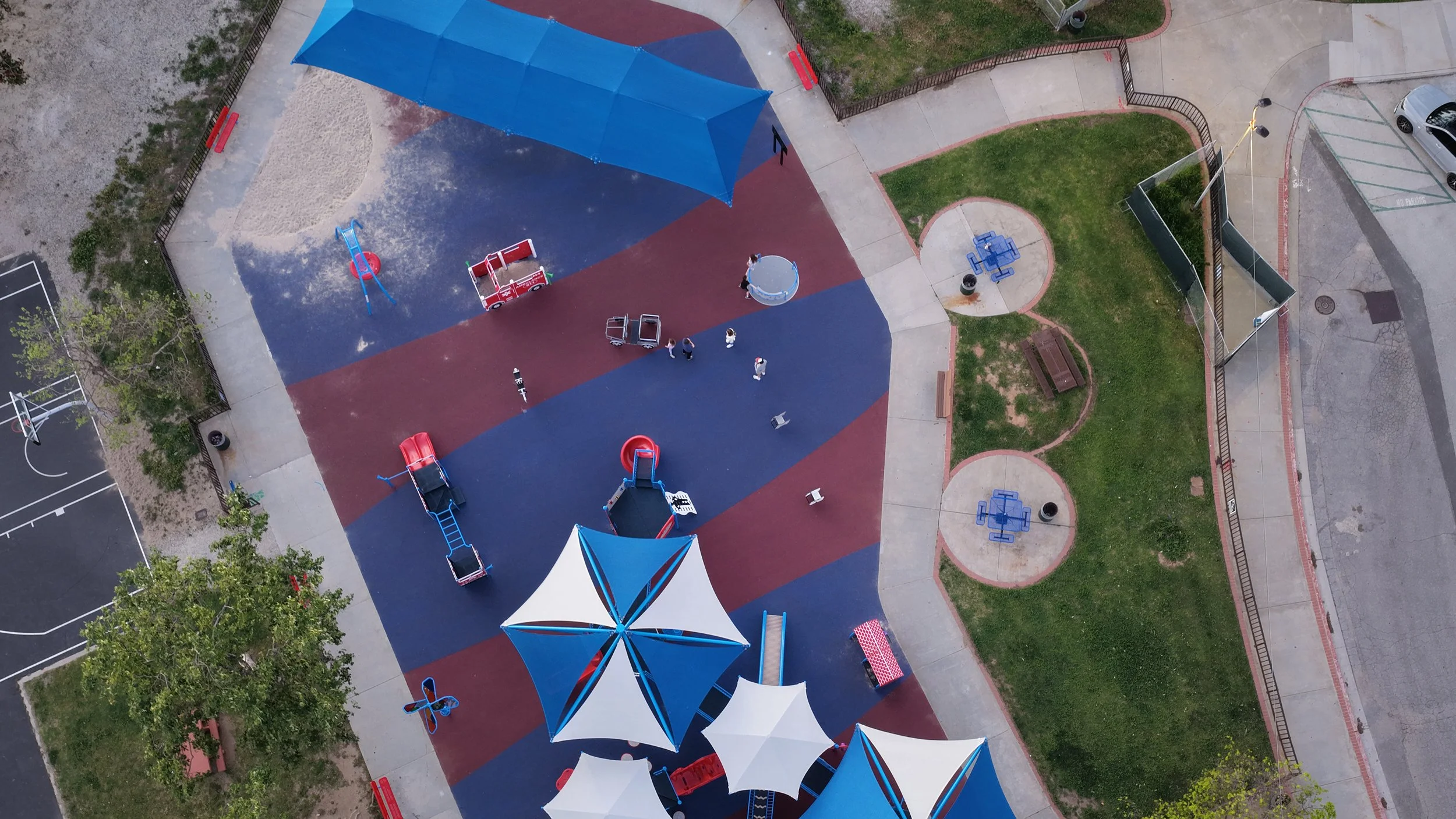
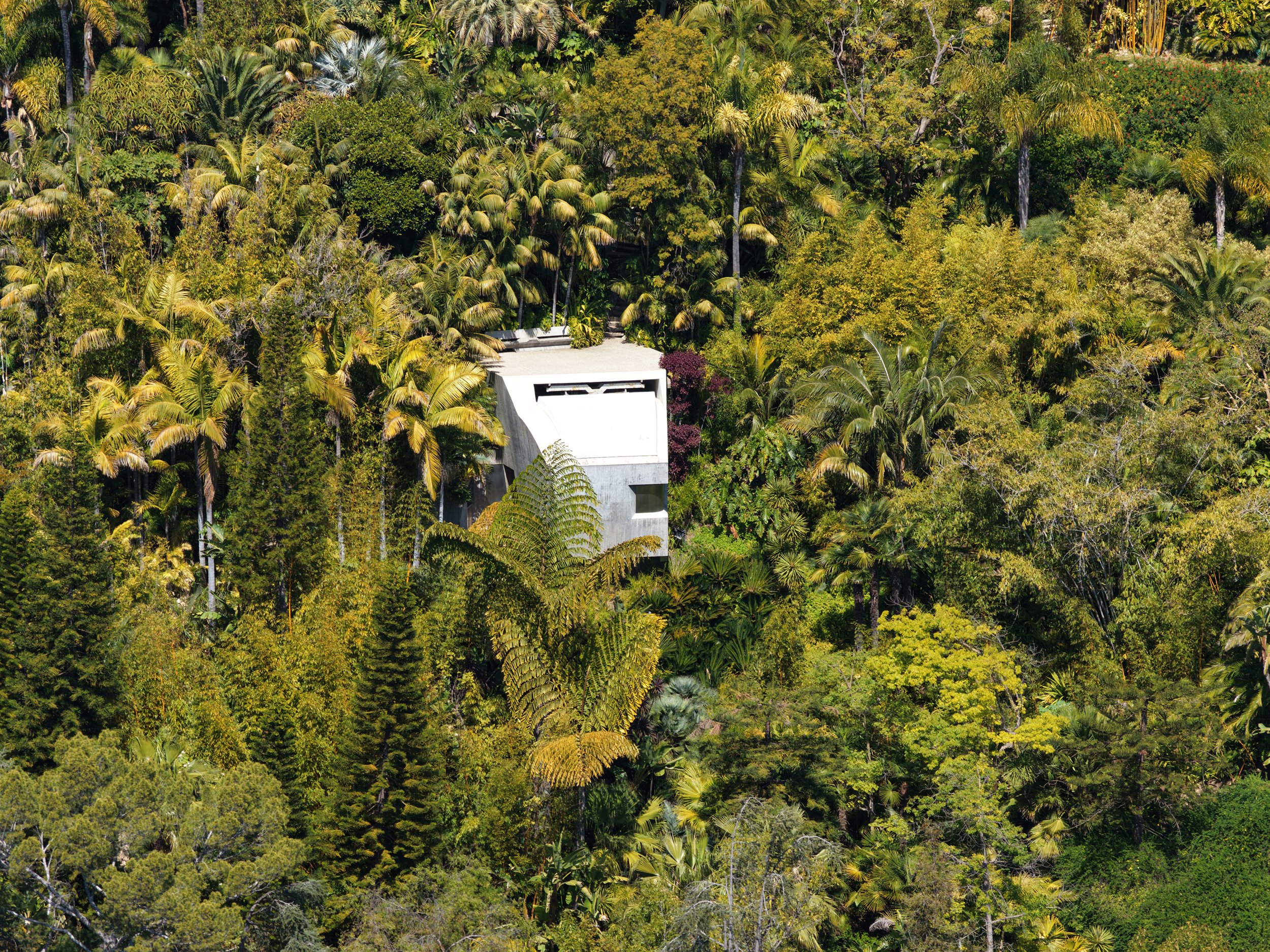
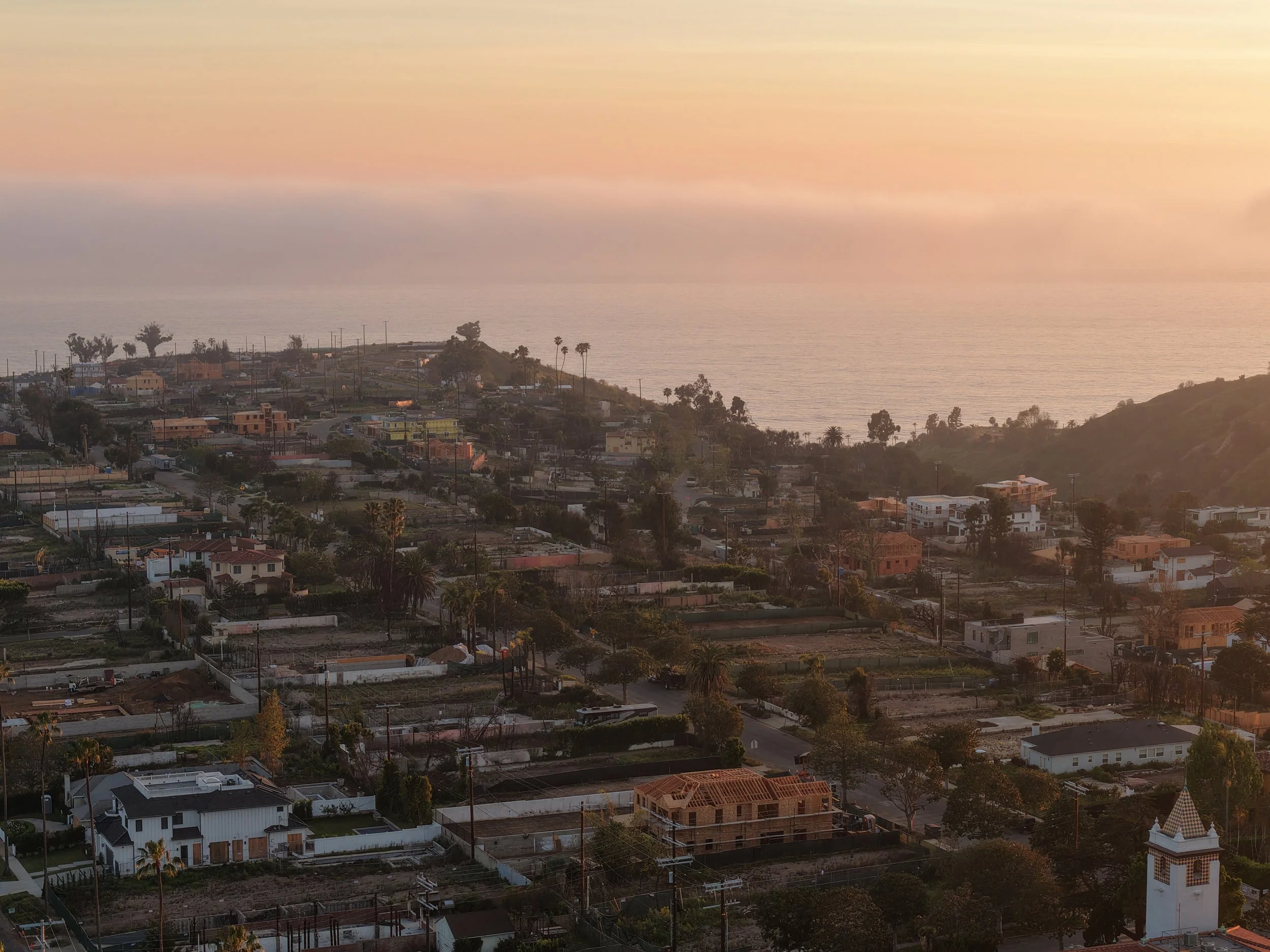
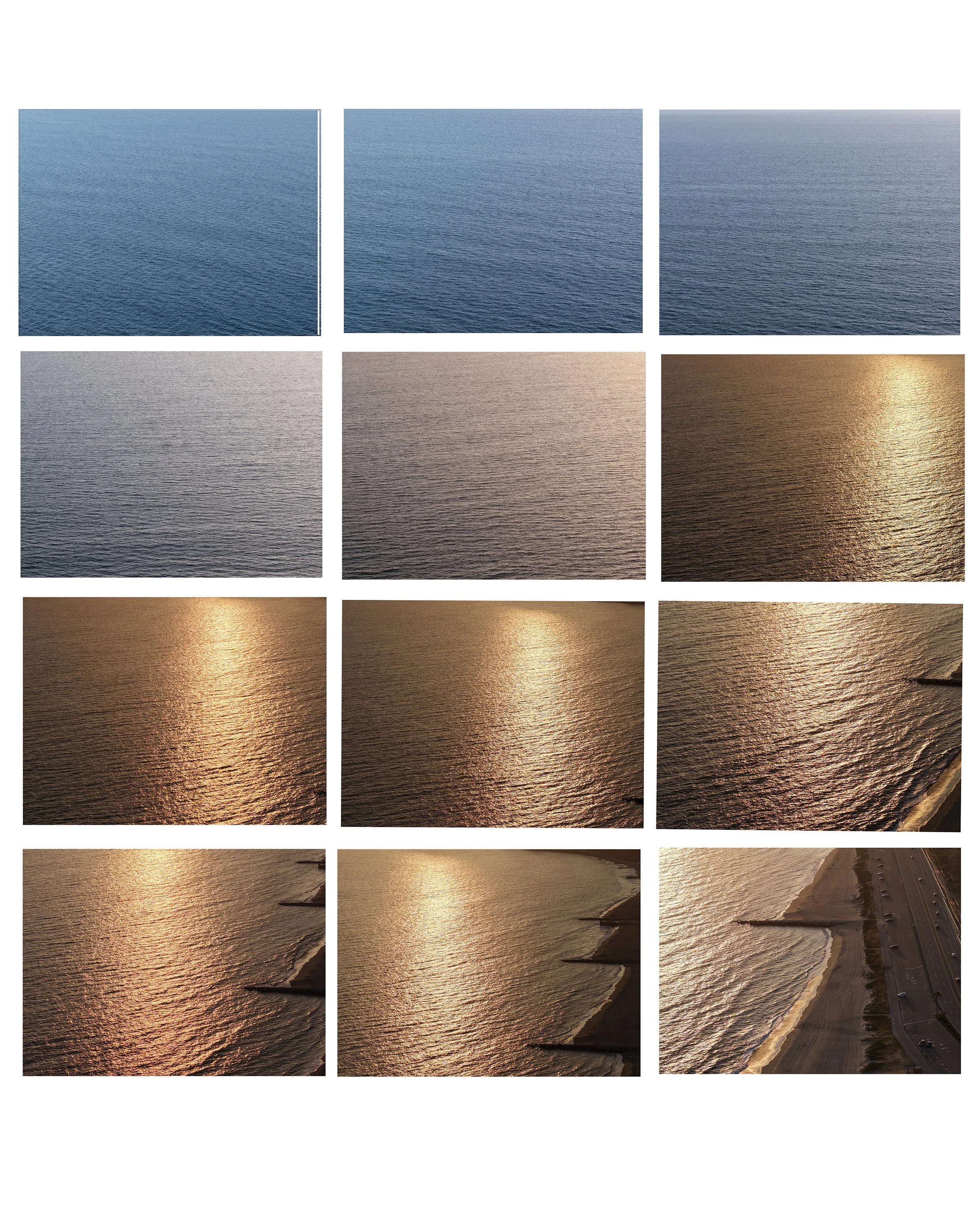
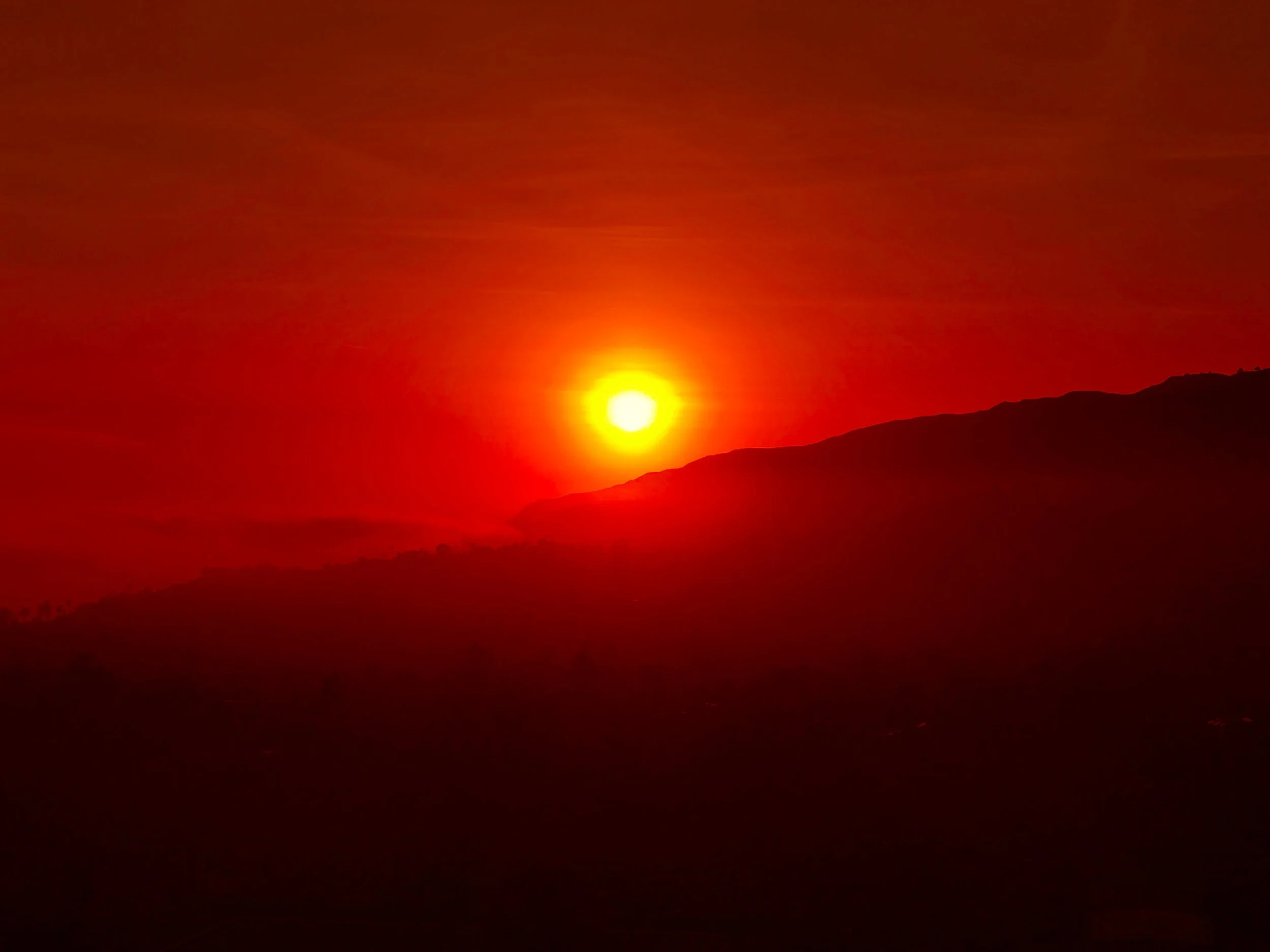
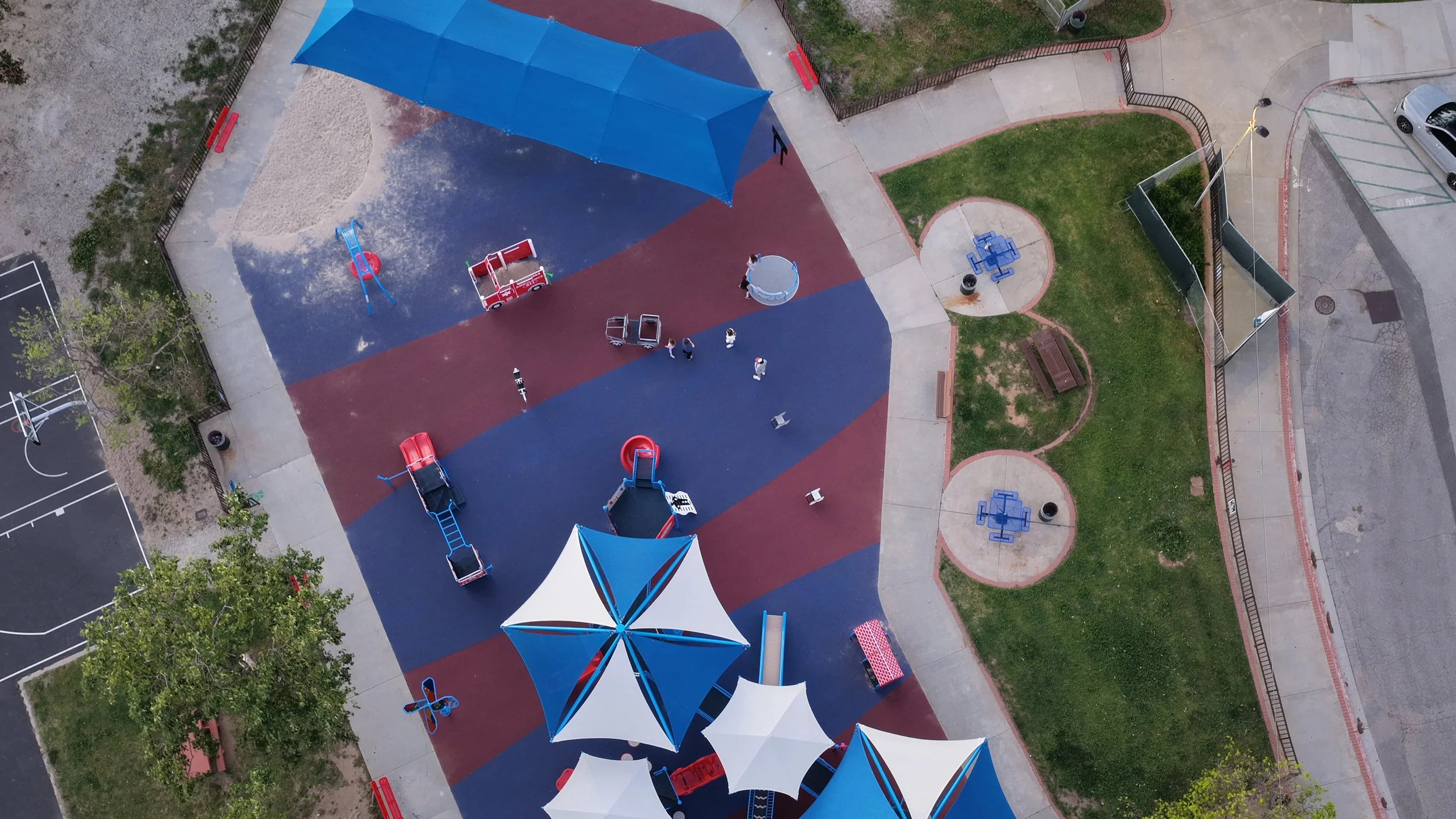
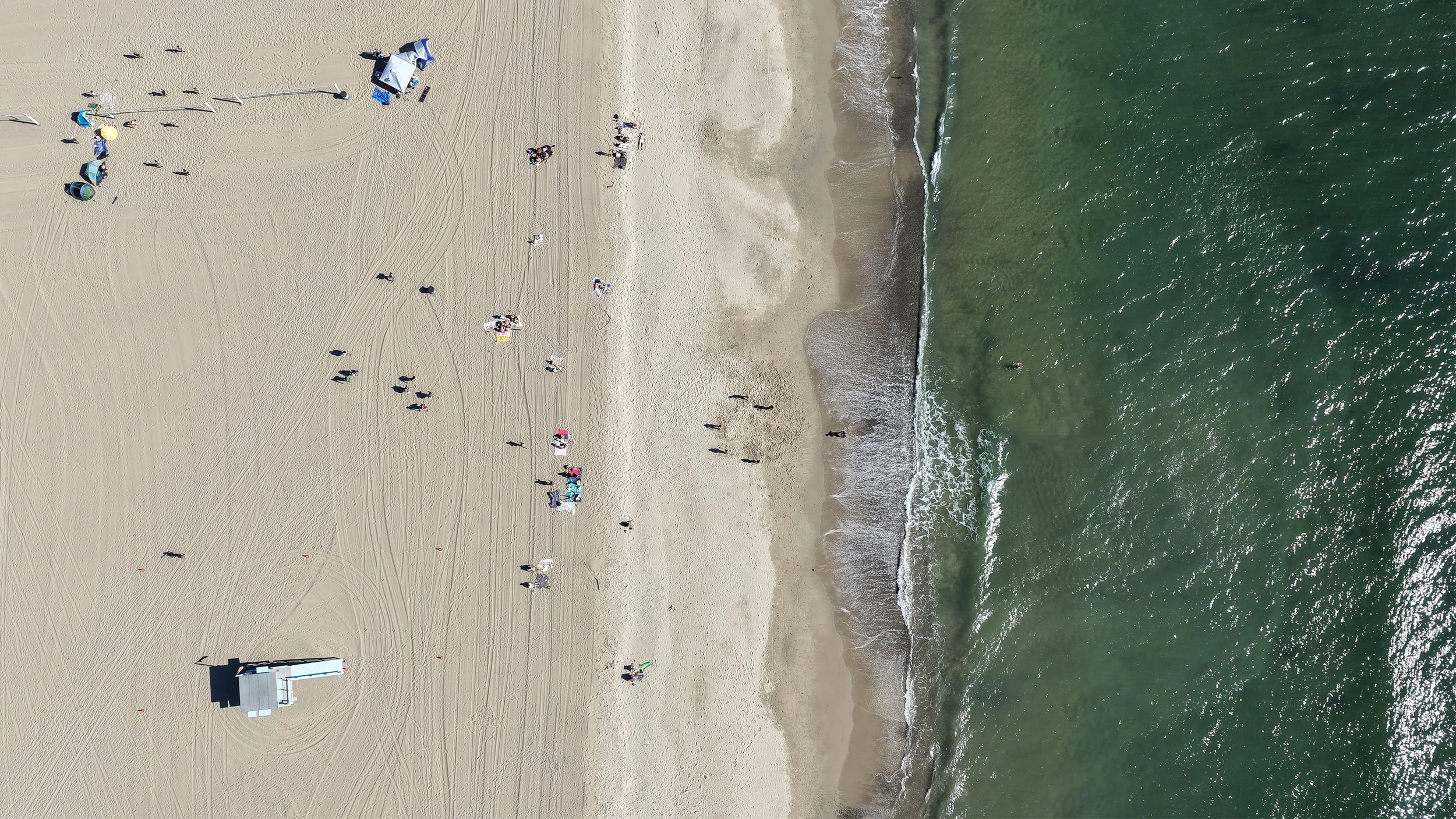
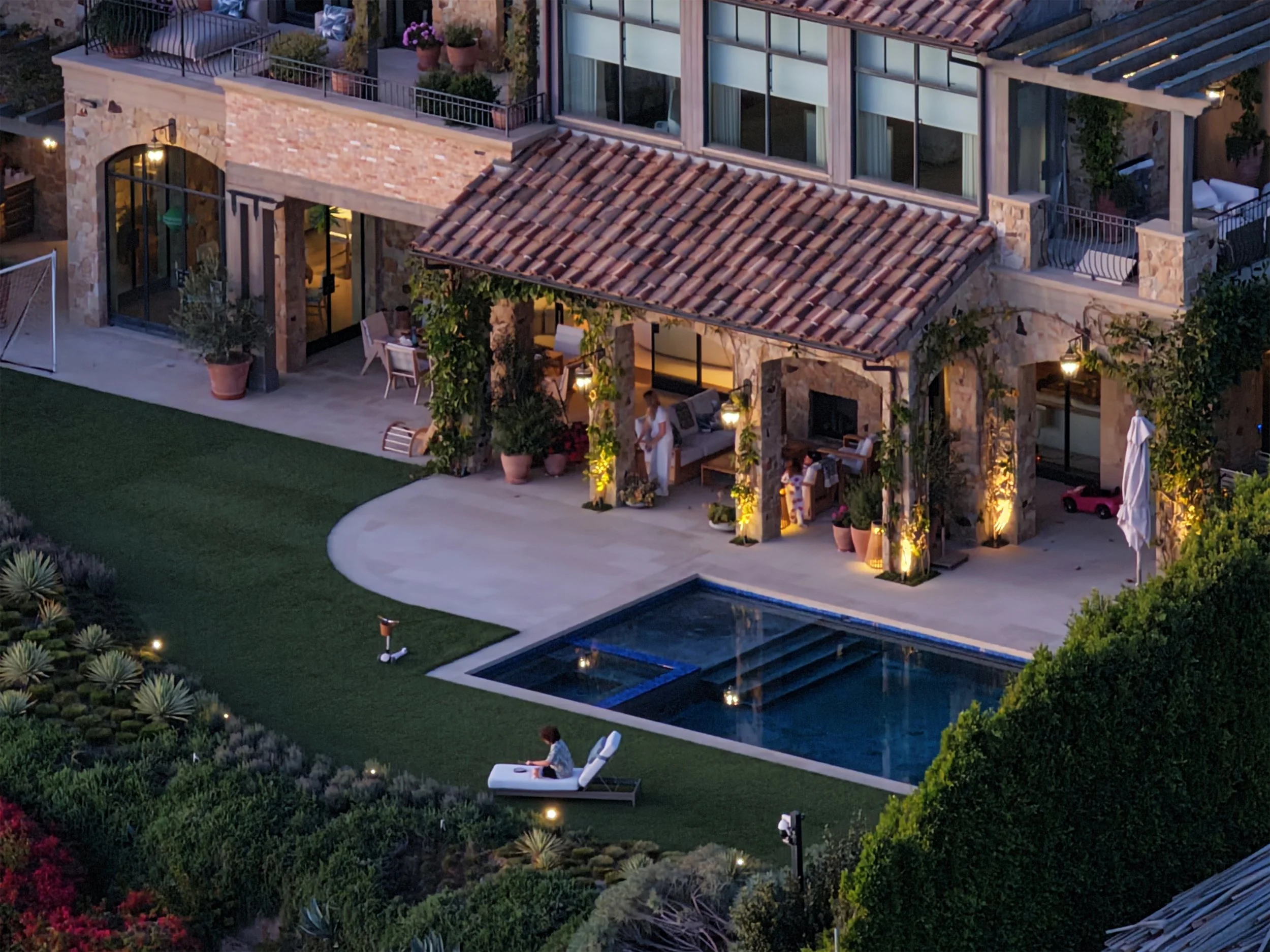
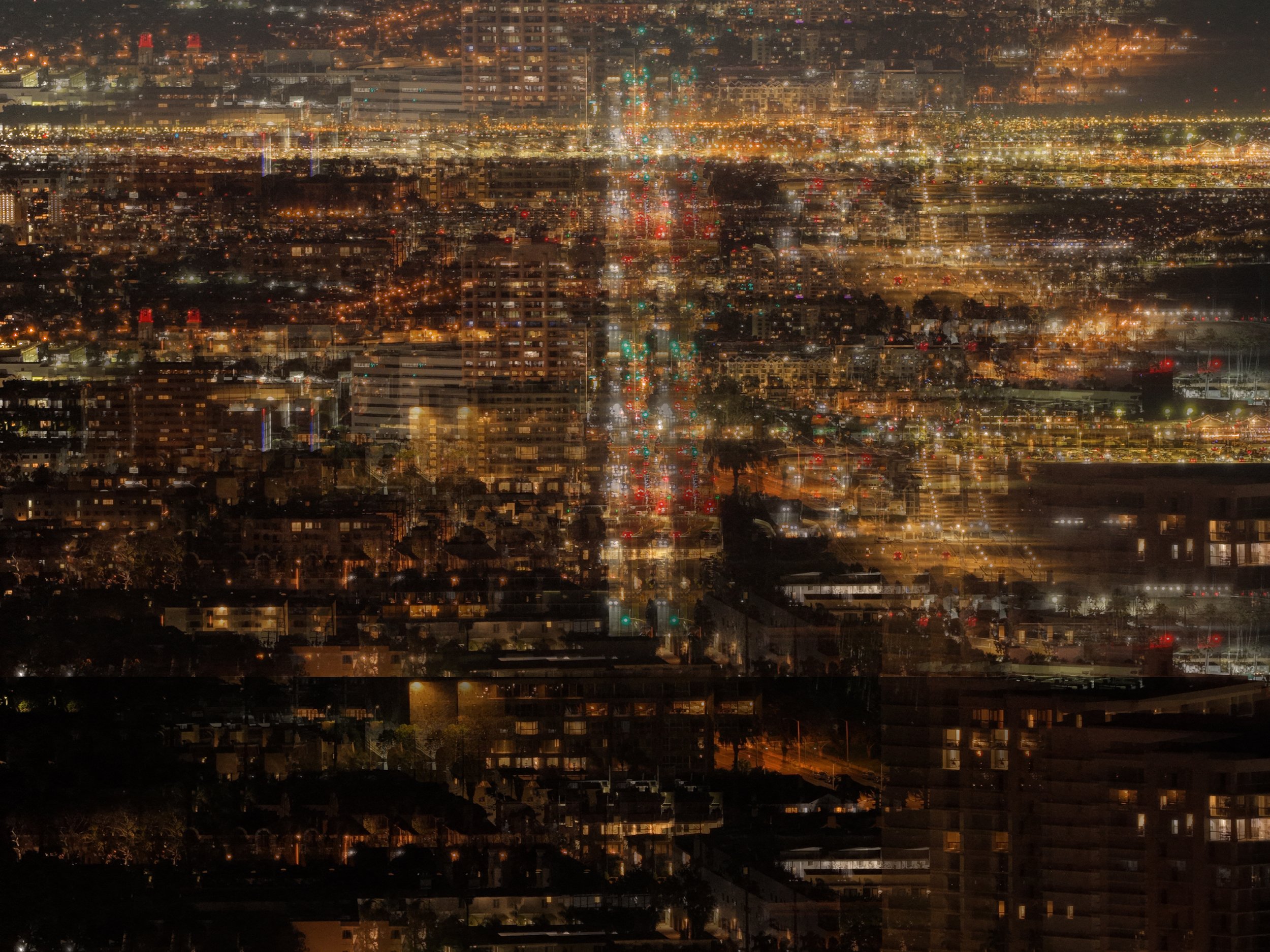
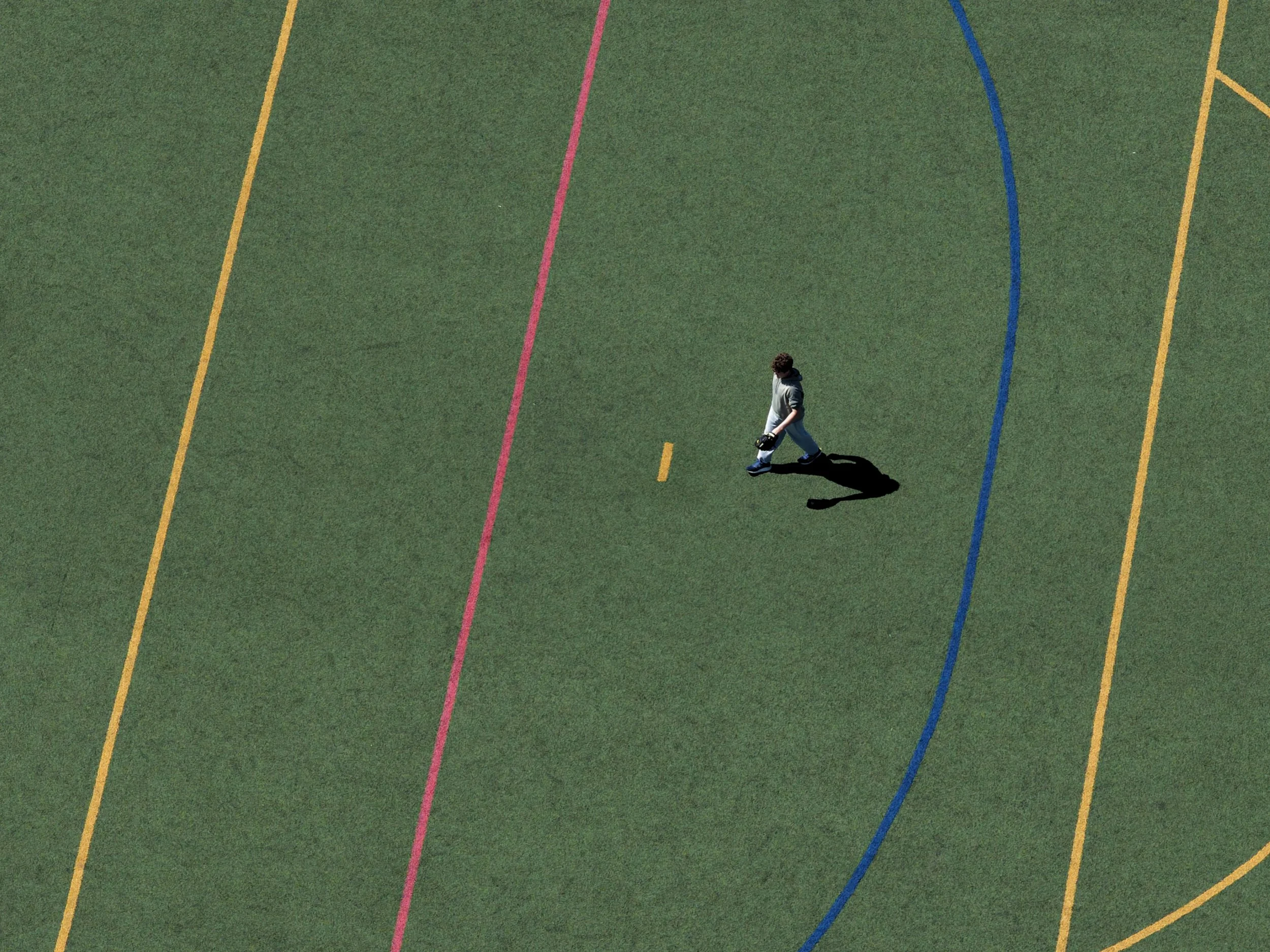
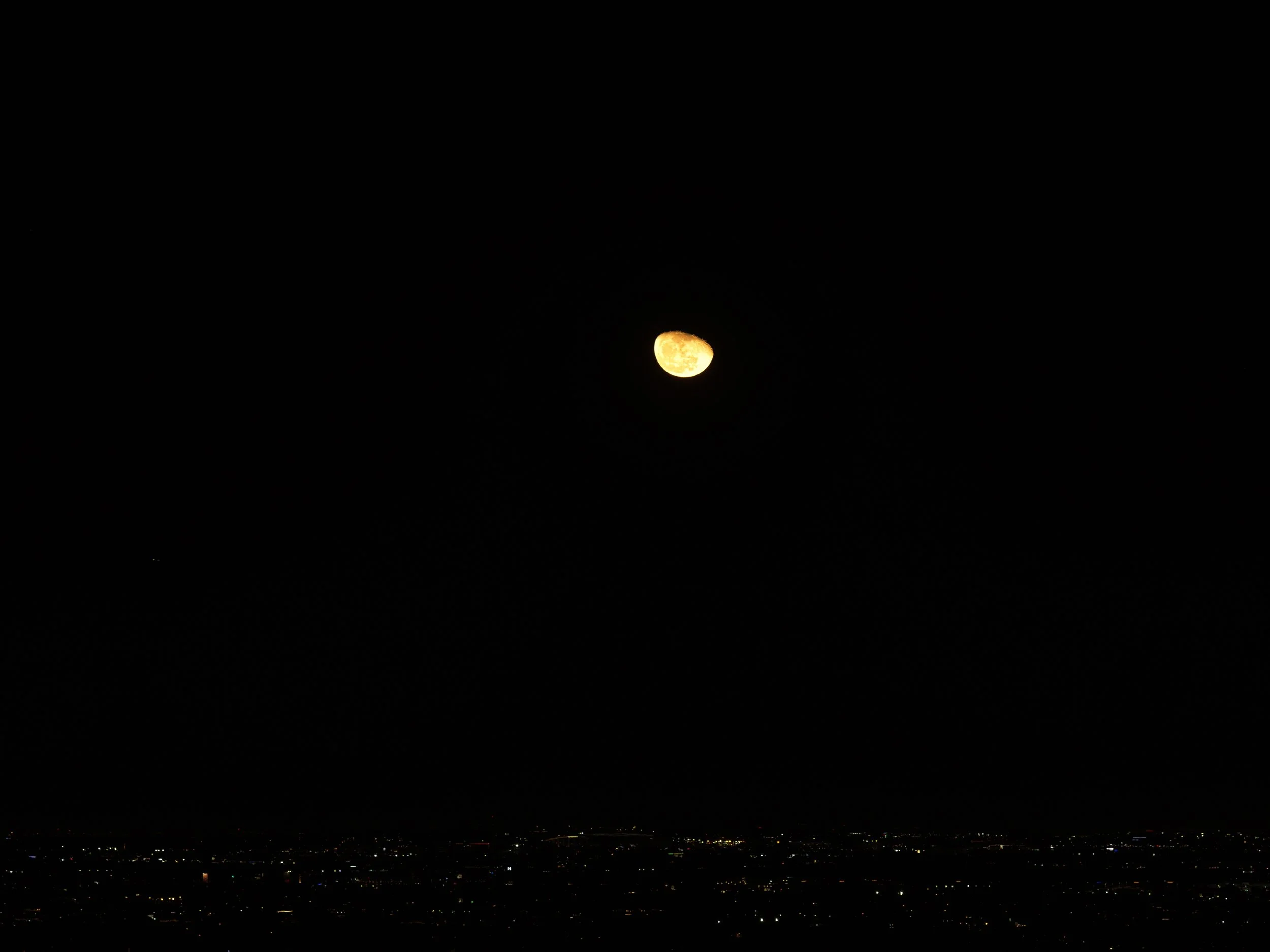
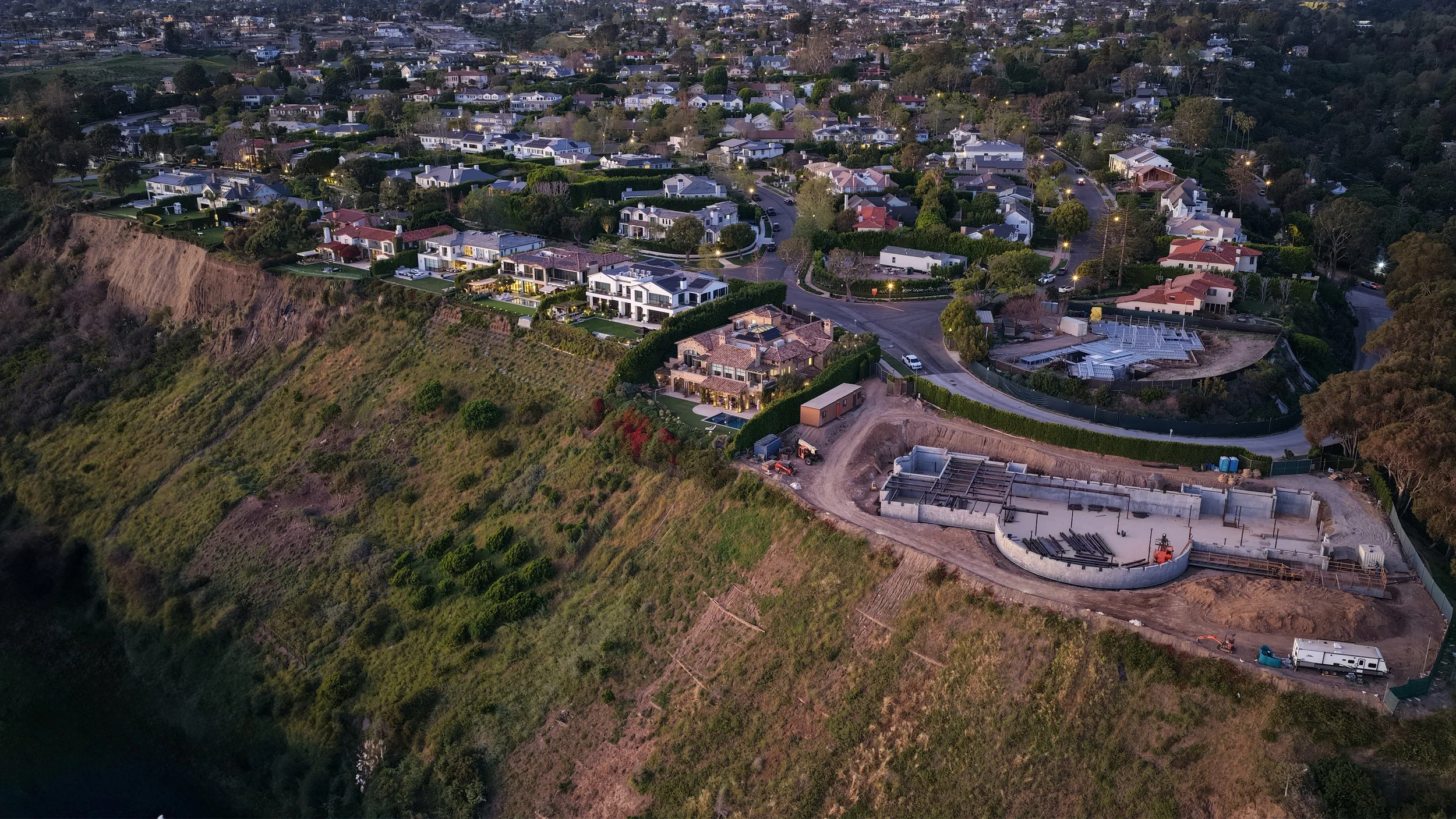
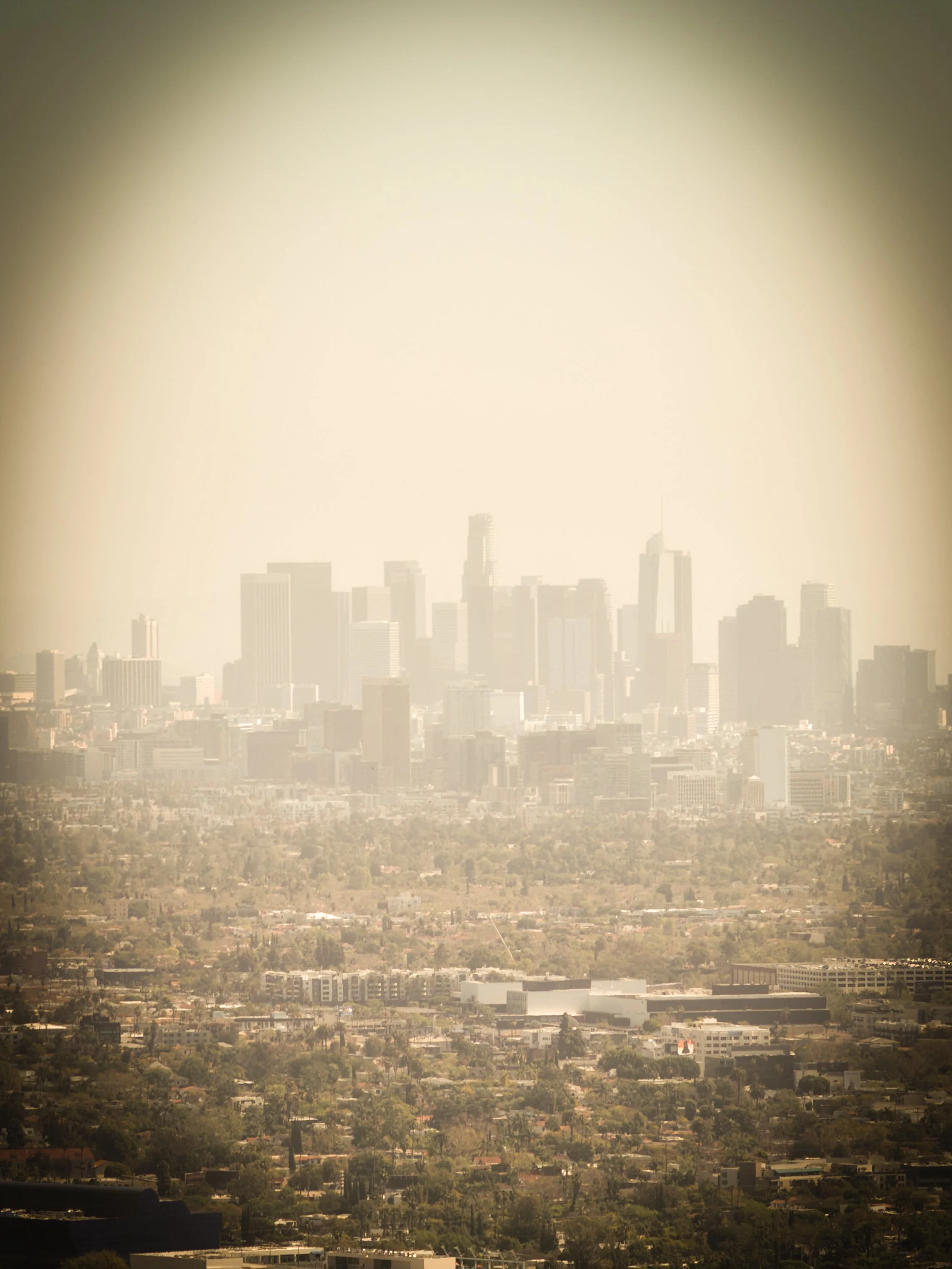
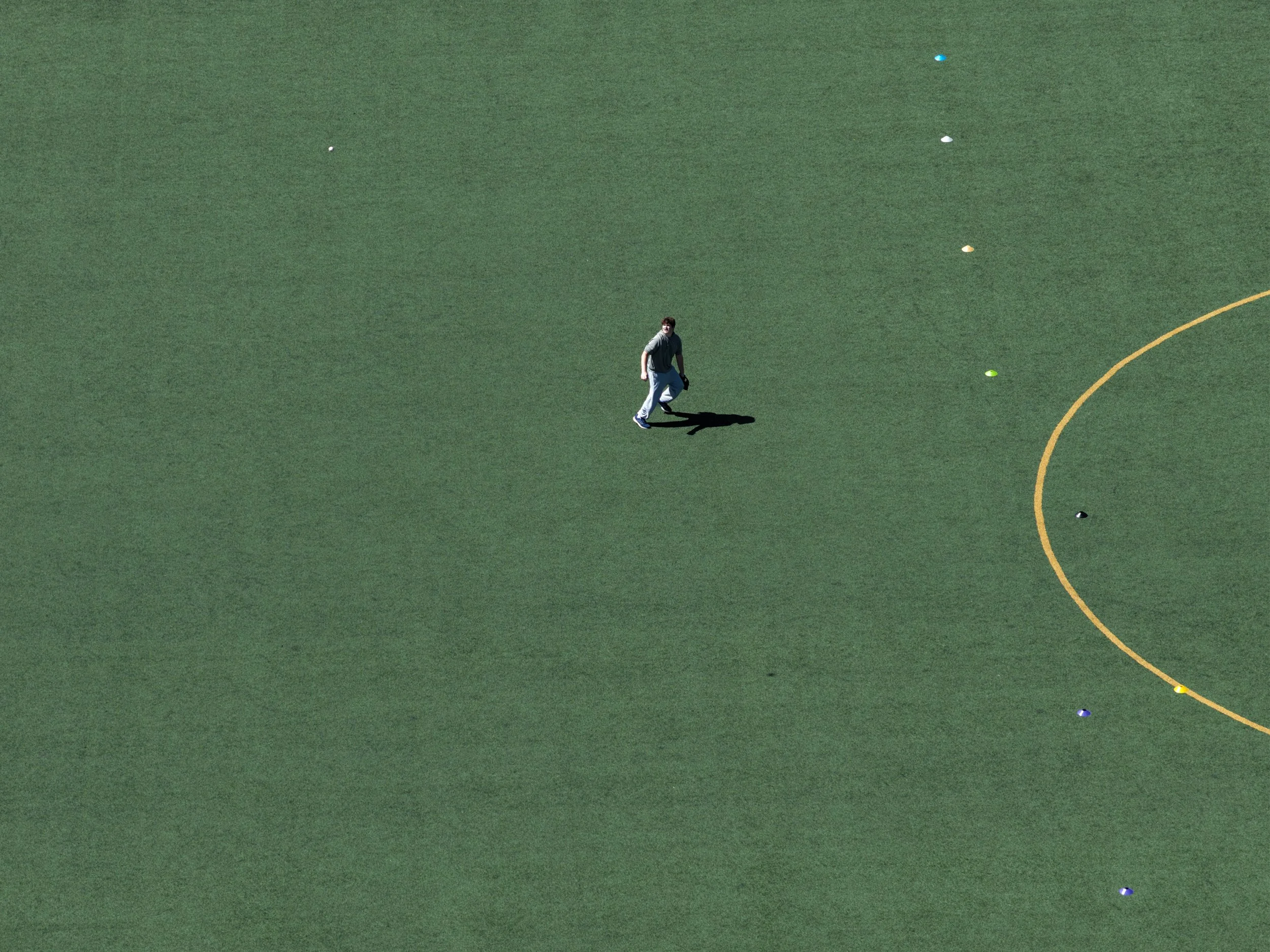
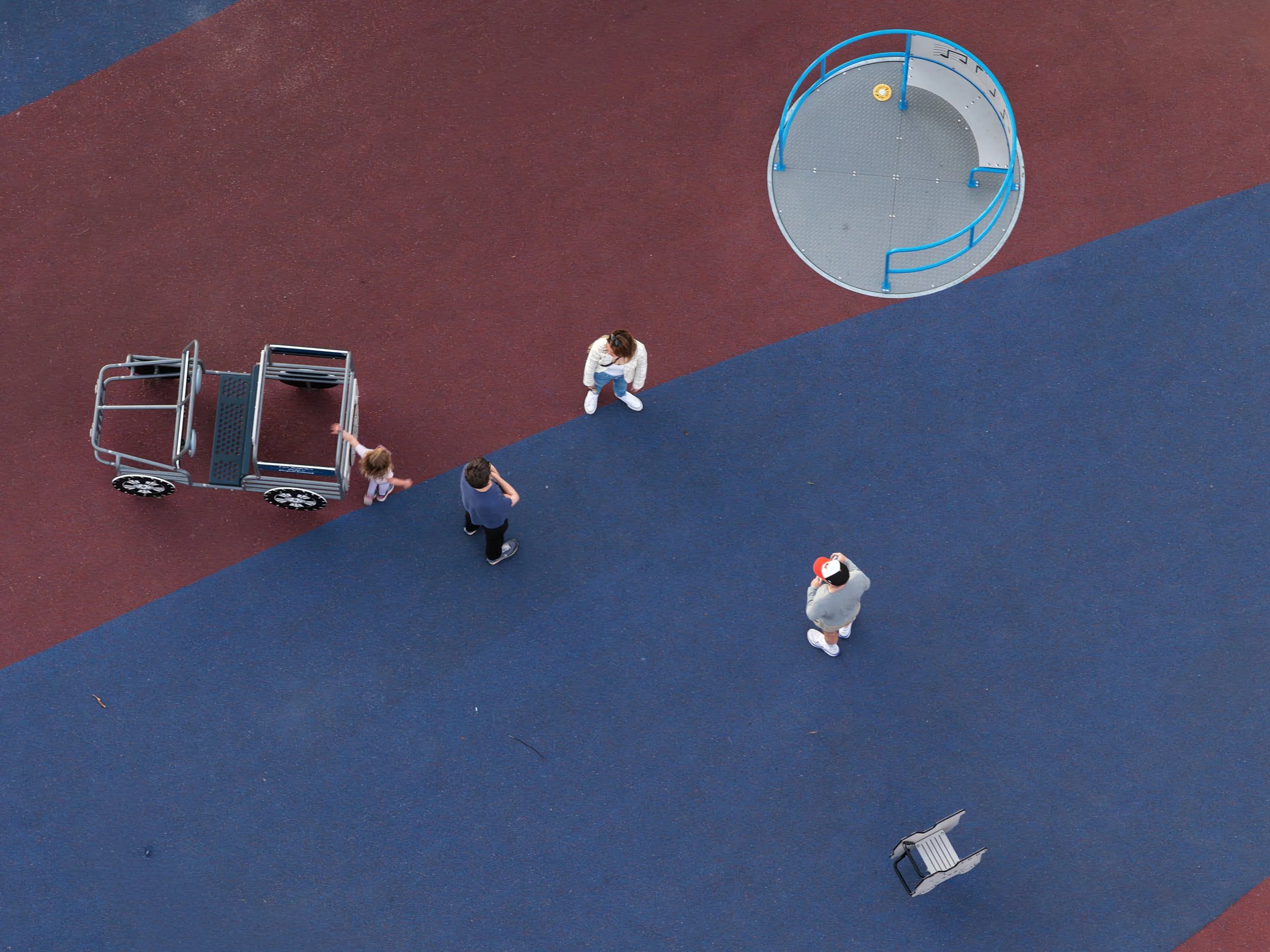
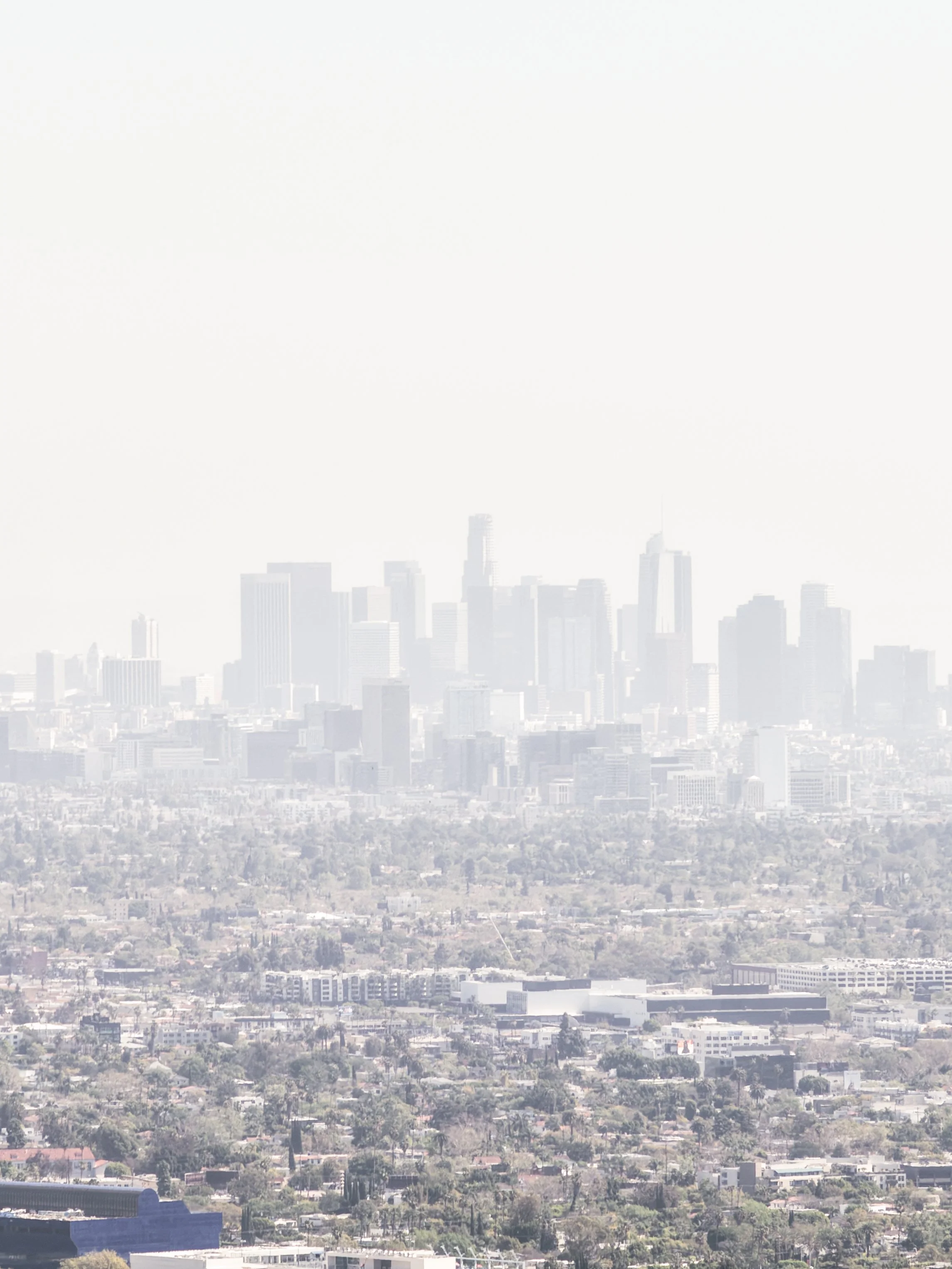
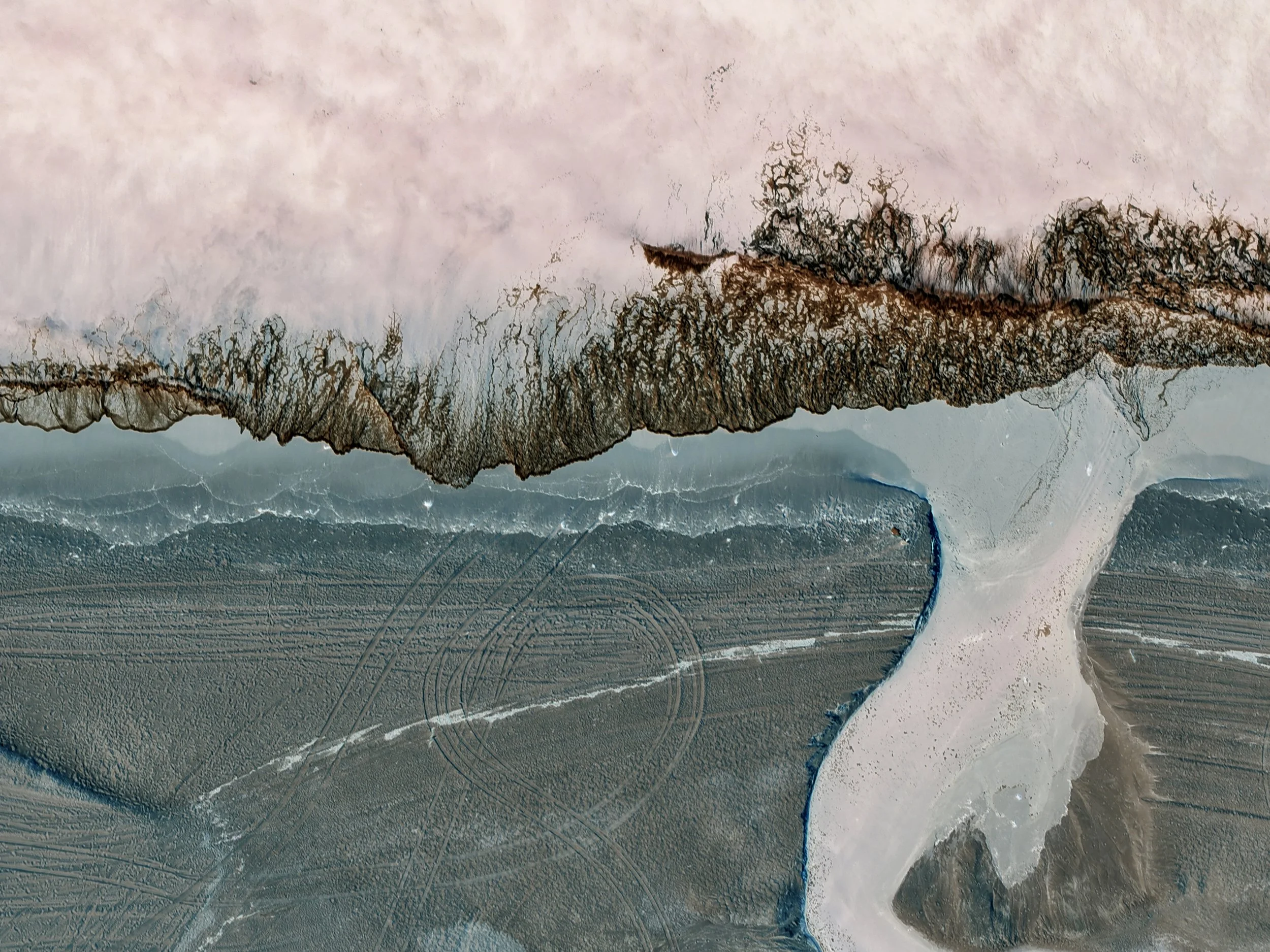
I took cameras on a journey to show the landscapes I am part of : Los Angeles , School and my past neighborhood destroyed by fire.I also included landscapes of Hong Kong to connect the project to the community where I grew up. These images represent memory and familiarity. I included them to show the contrast between my past and present life. I wanted to capture my own feeling of living between two worlds while searching for belonging and identity within both through this project.

Woorin
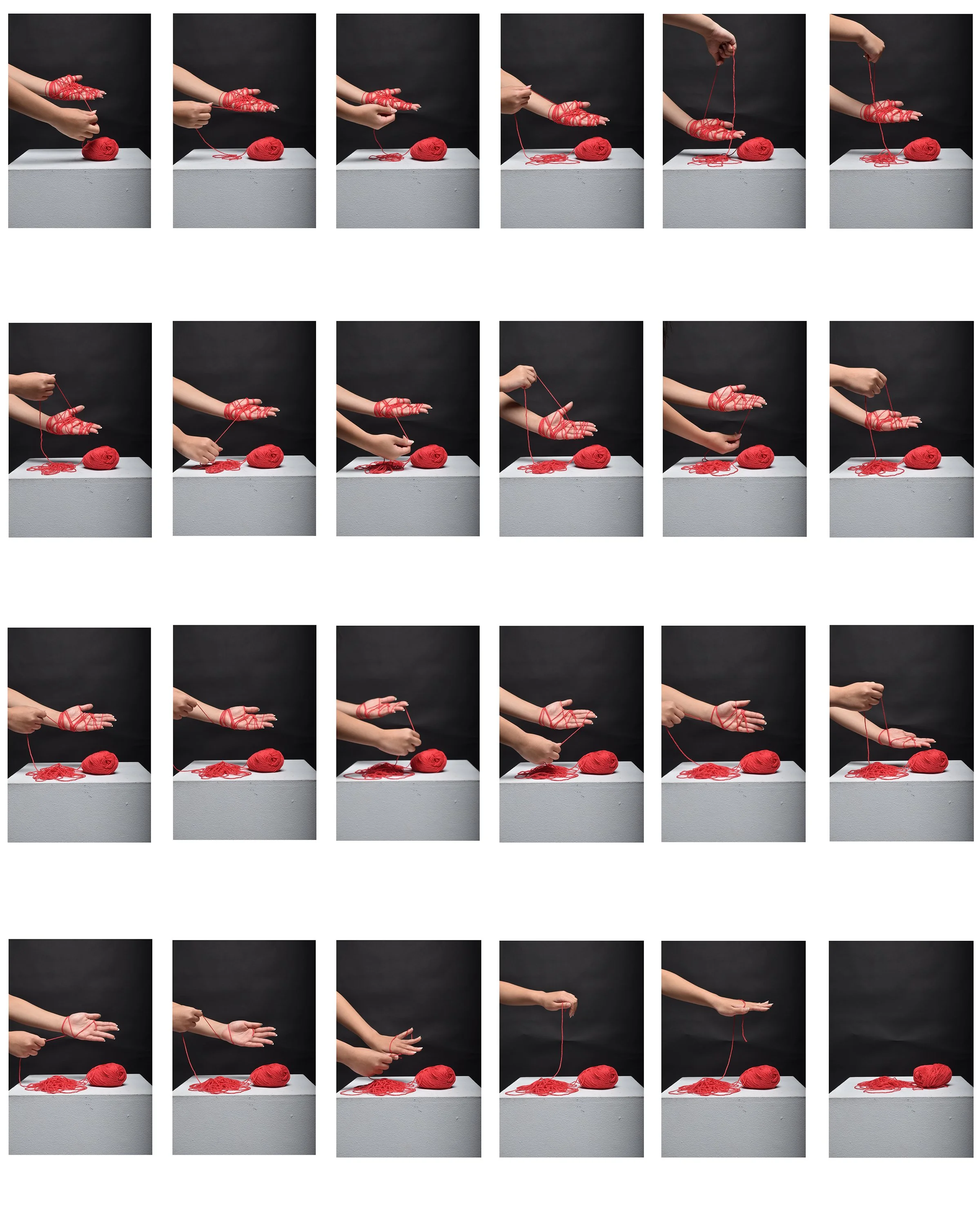
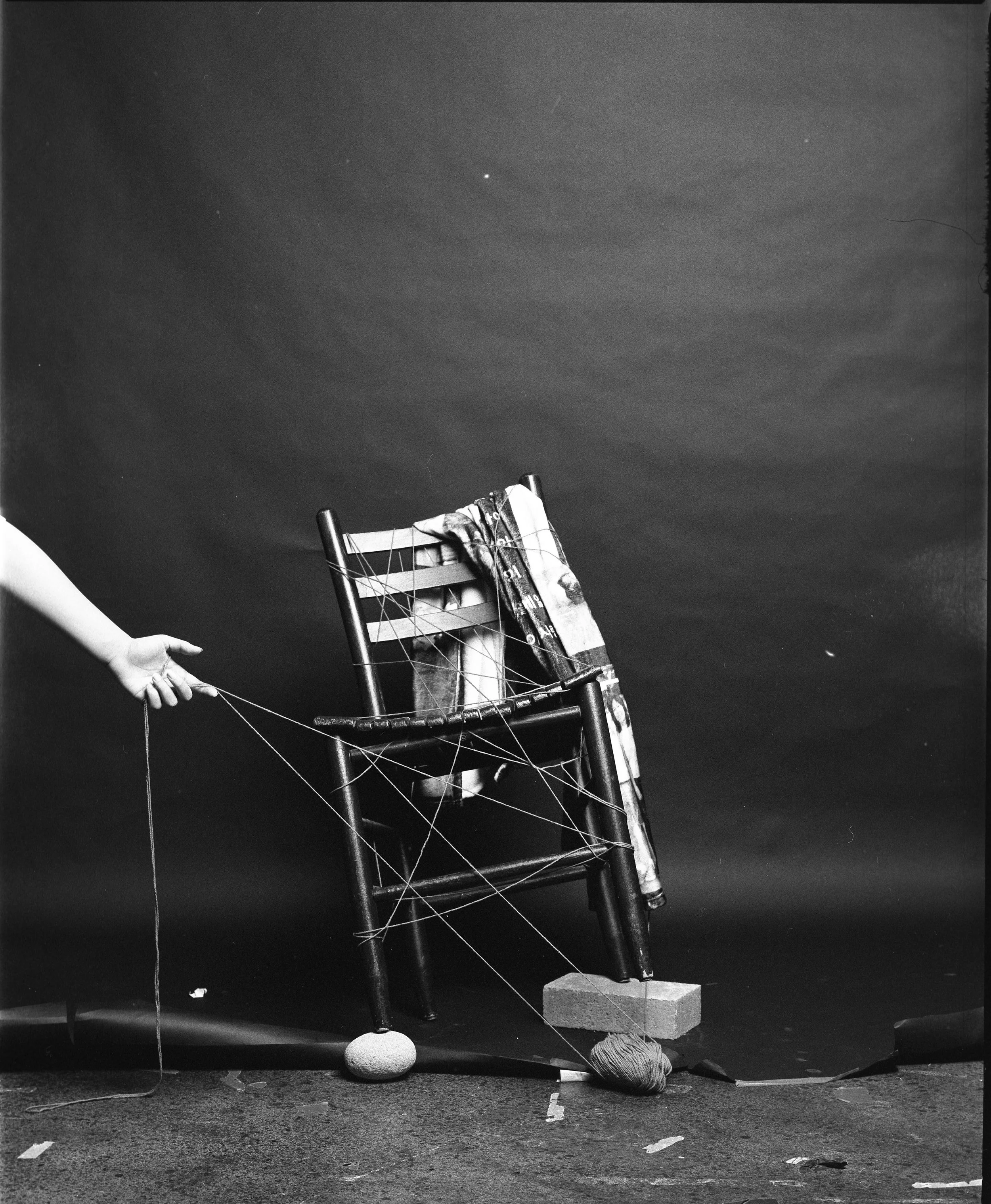
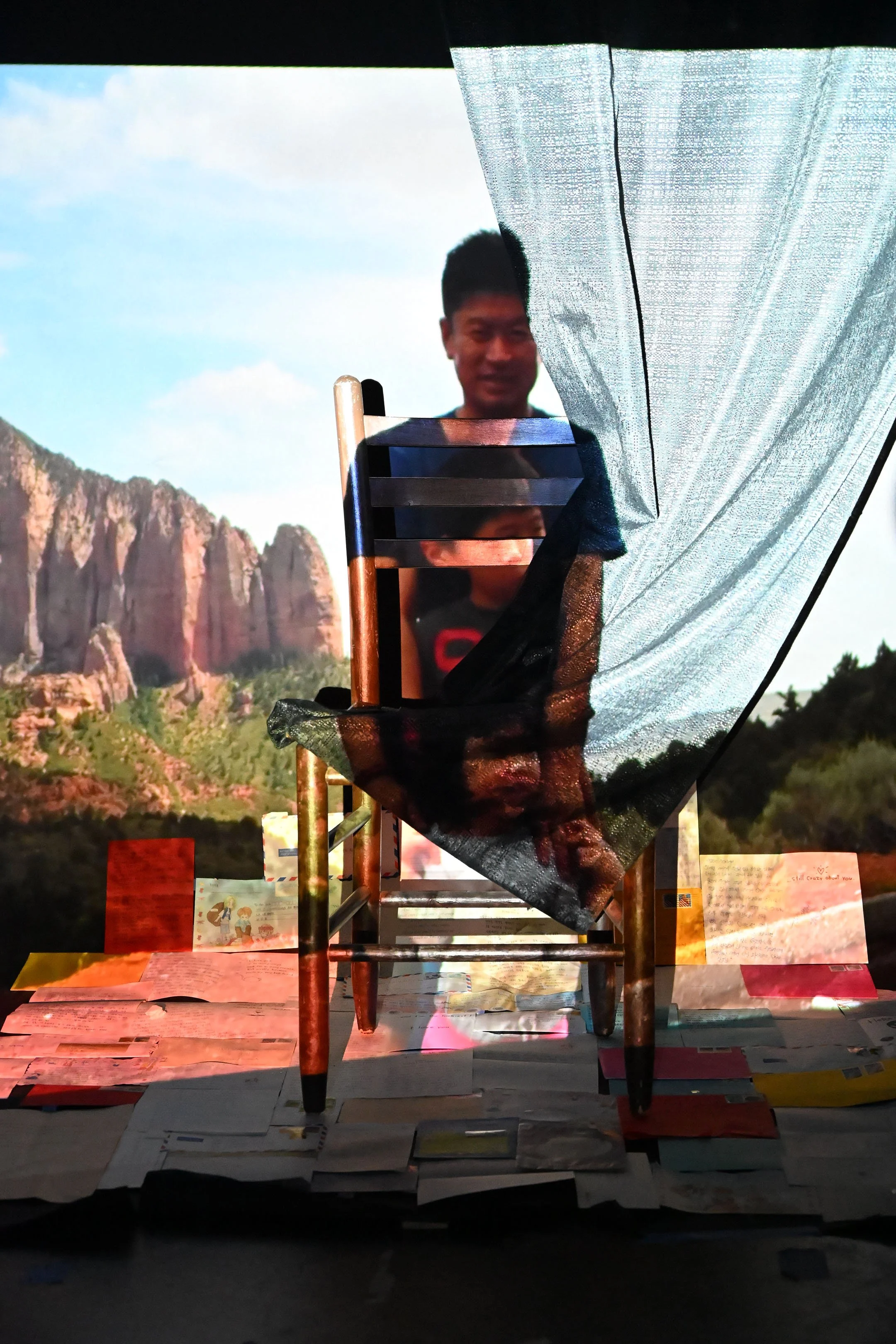
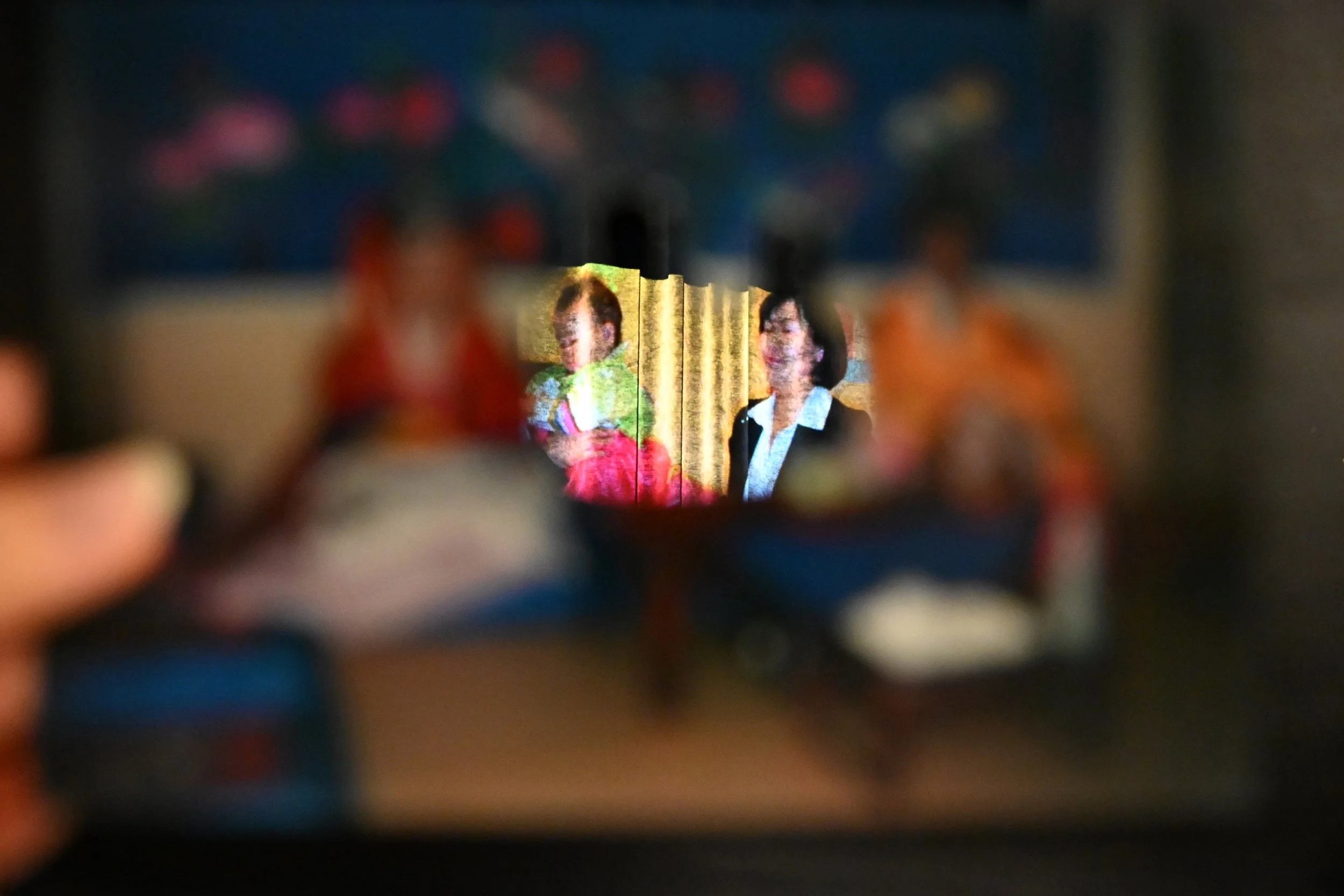
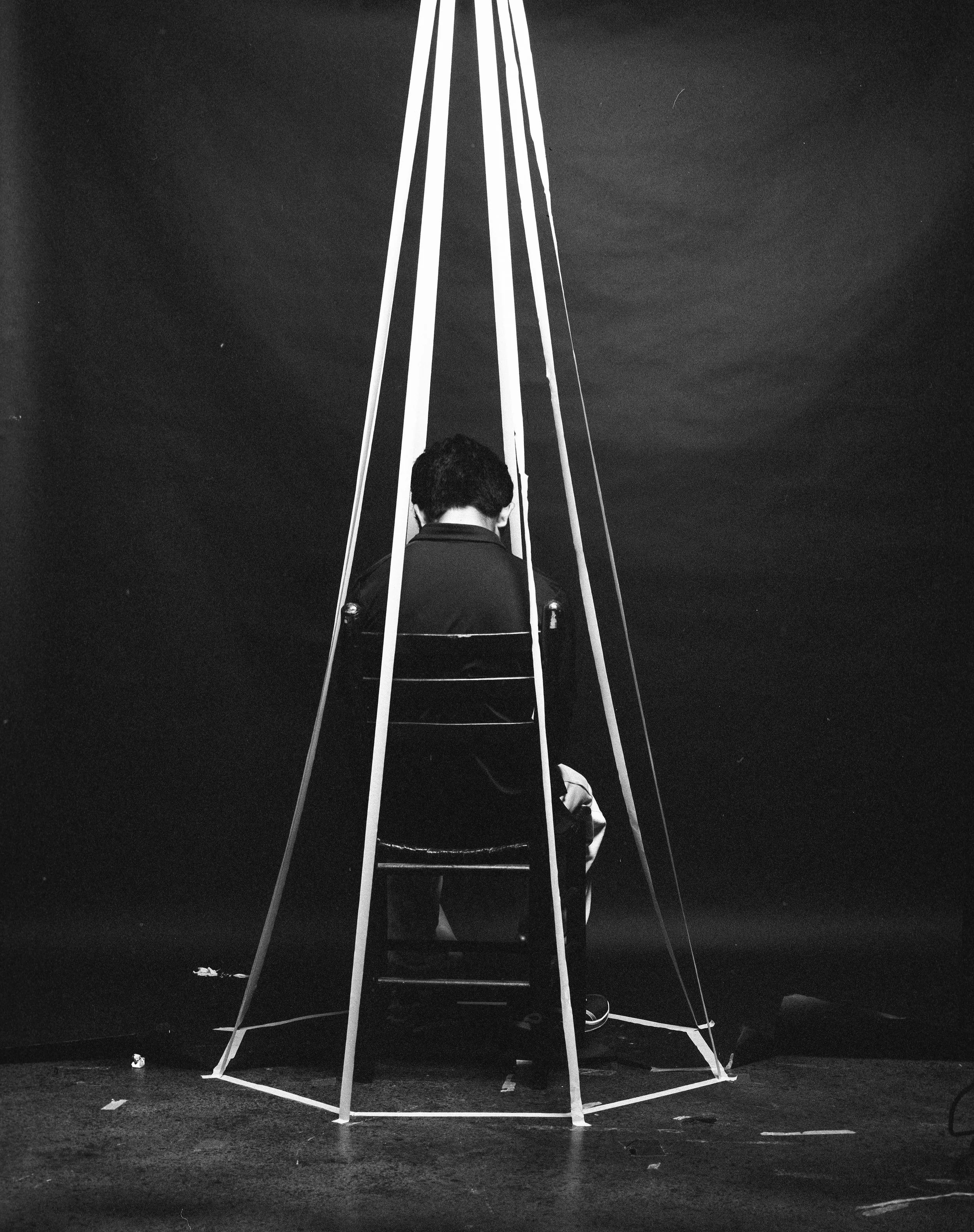
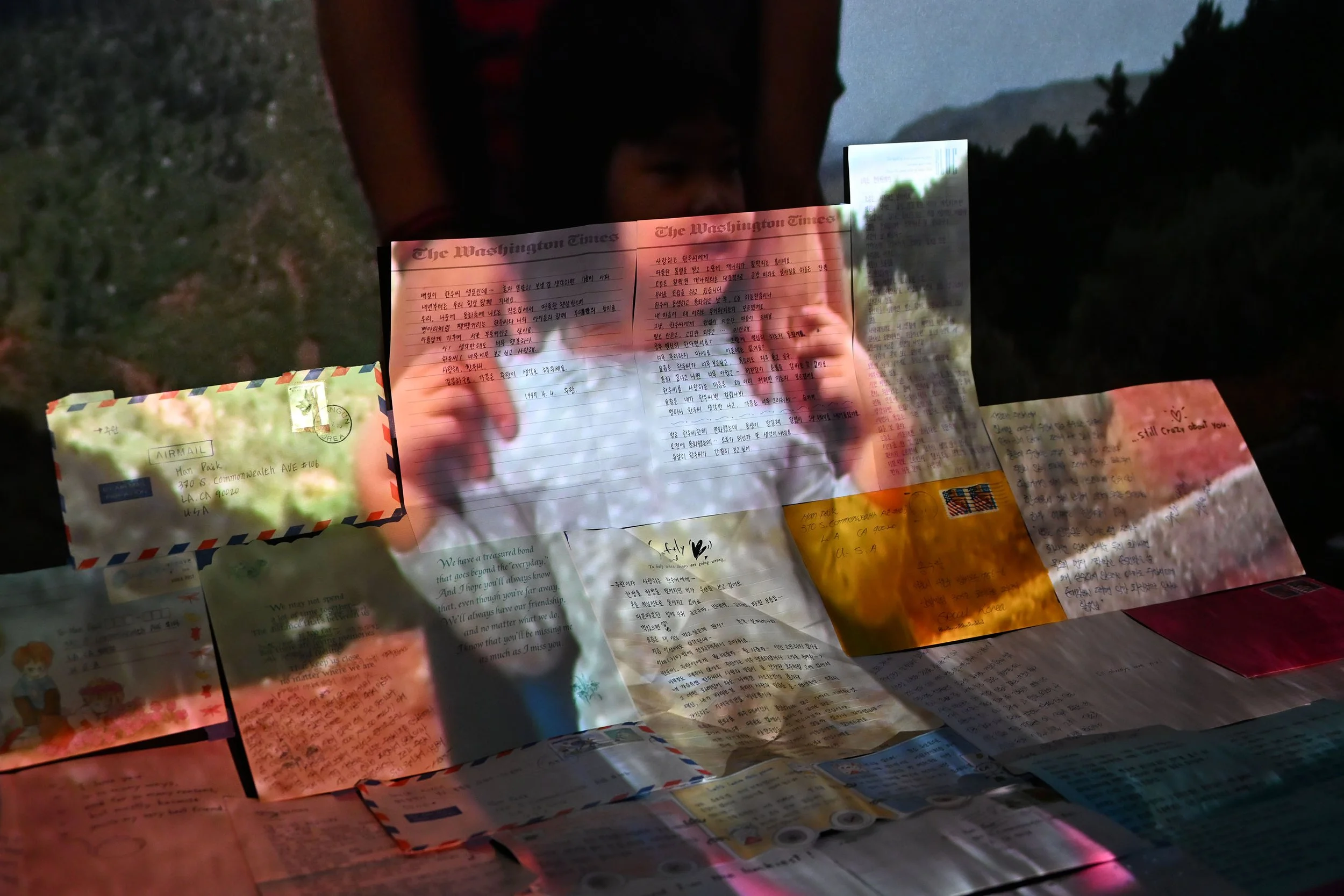
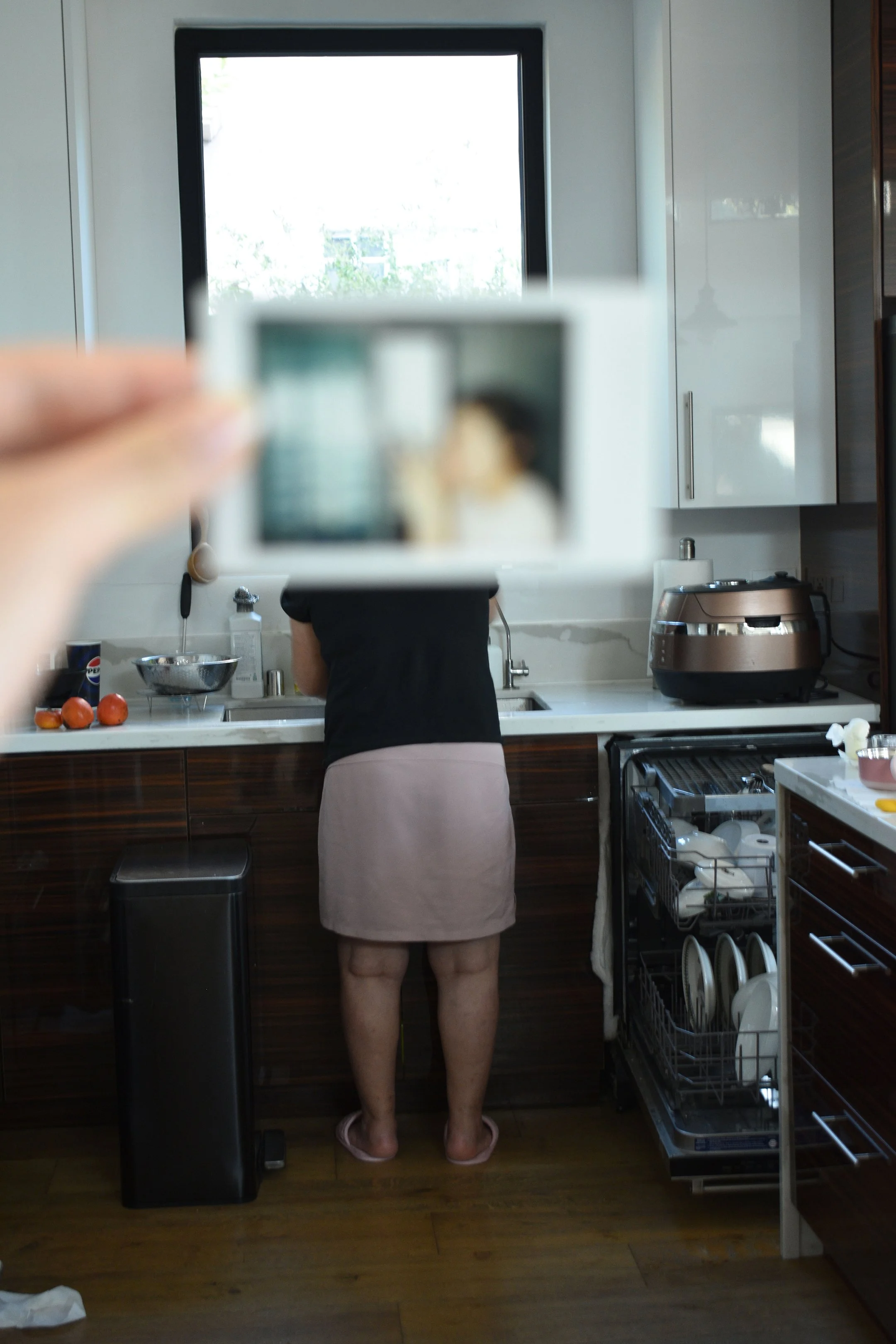
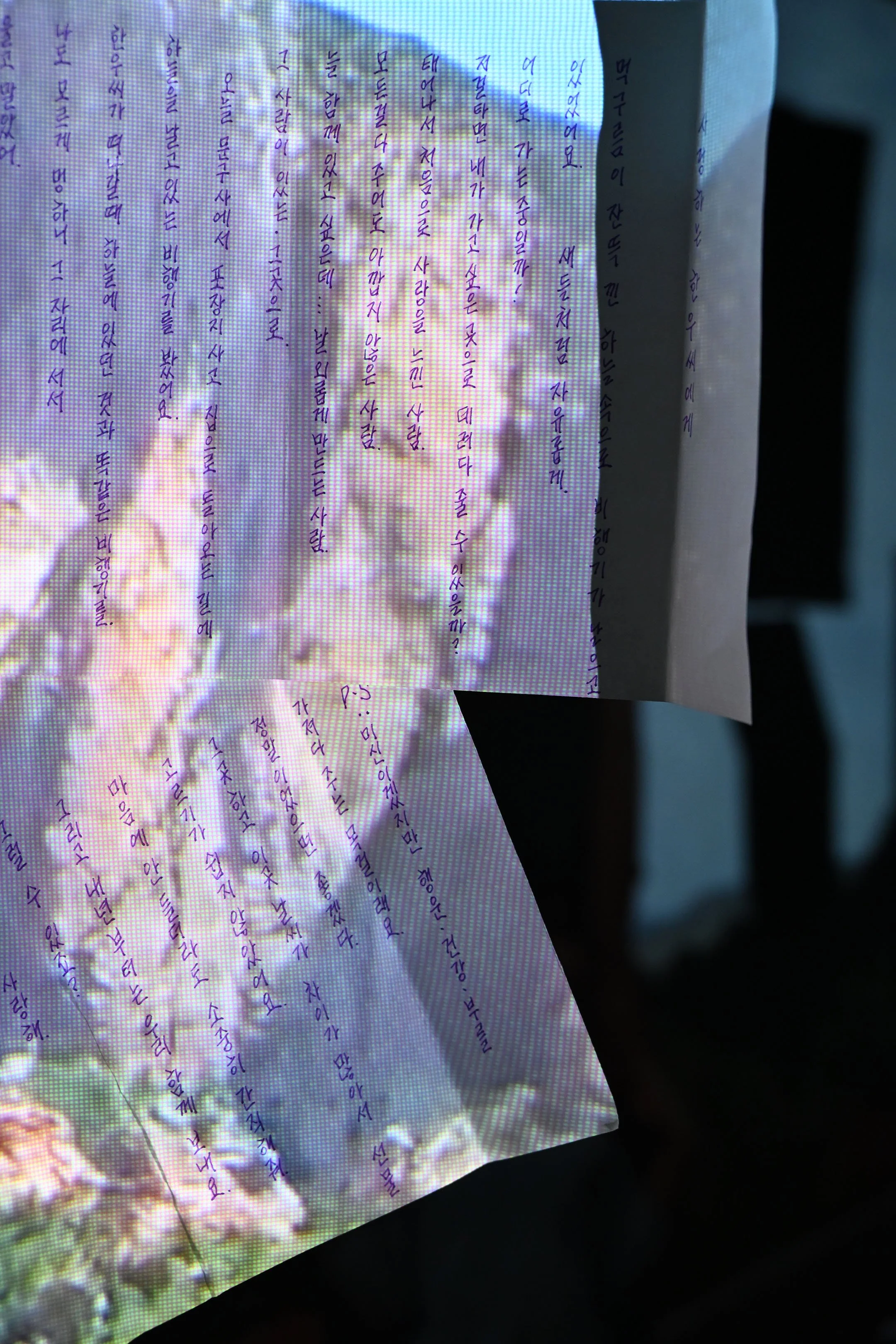
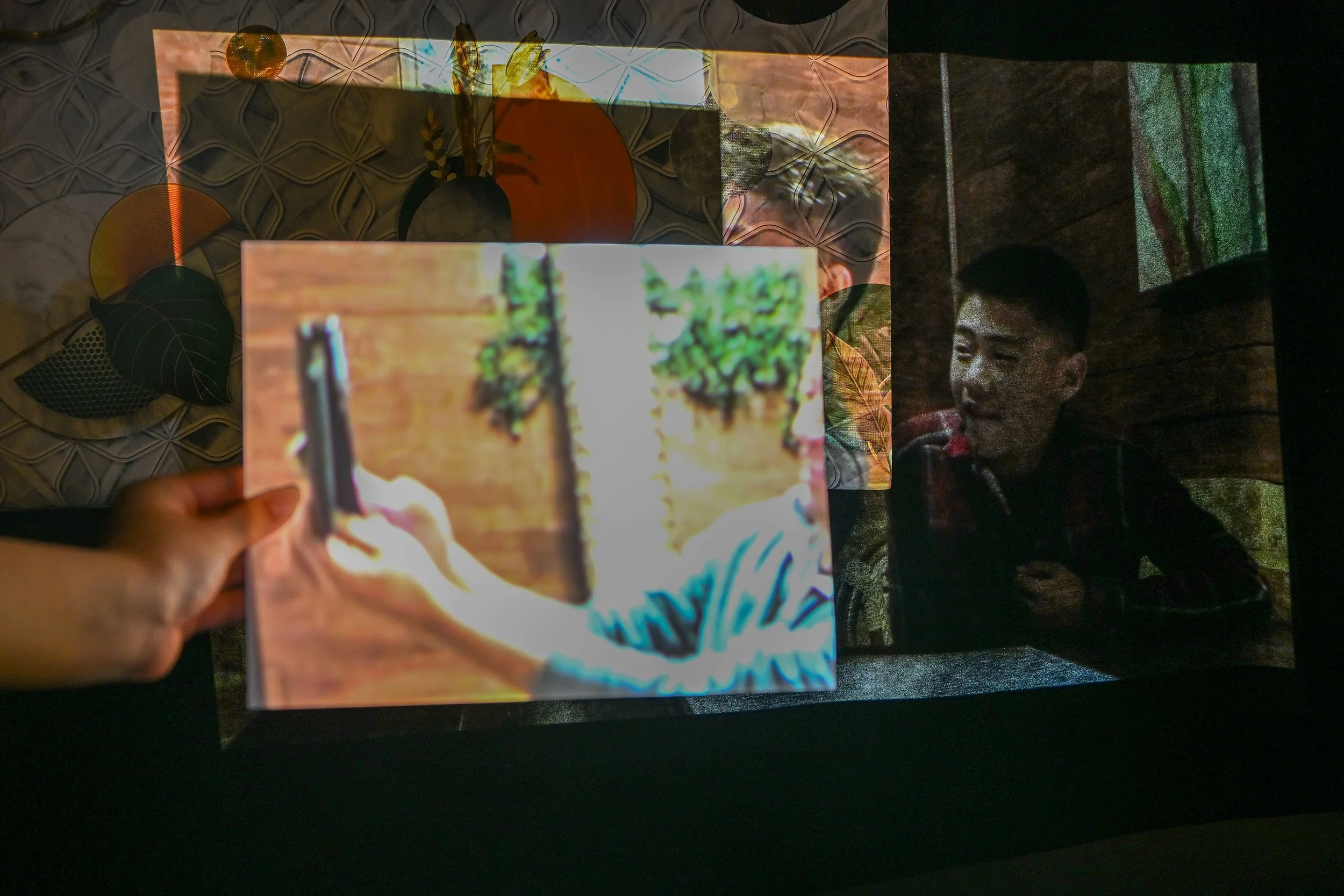
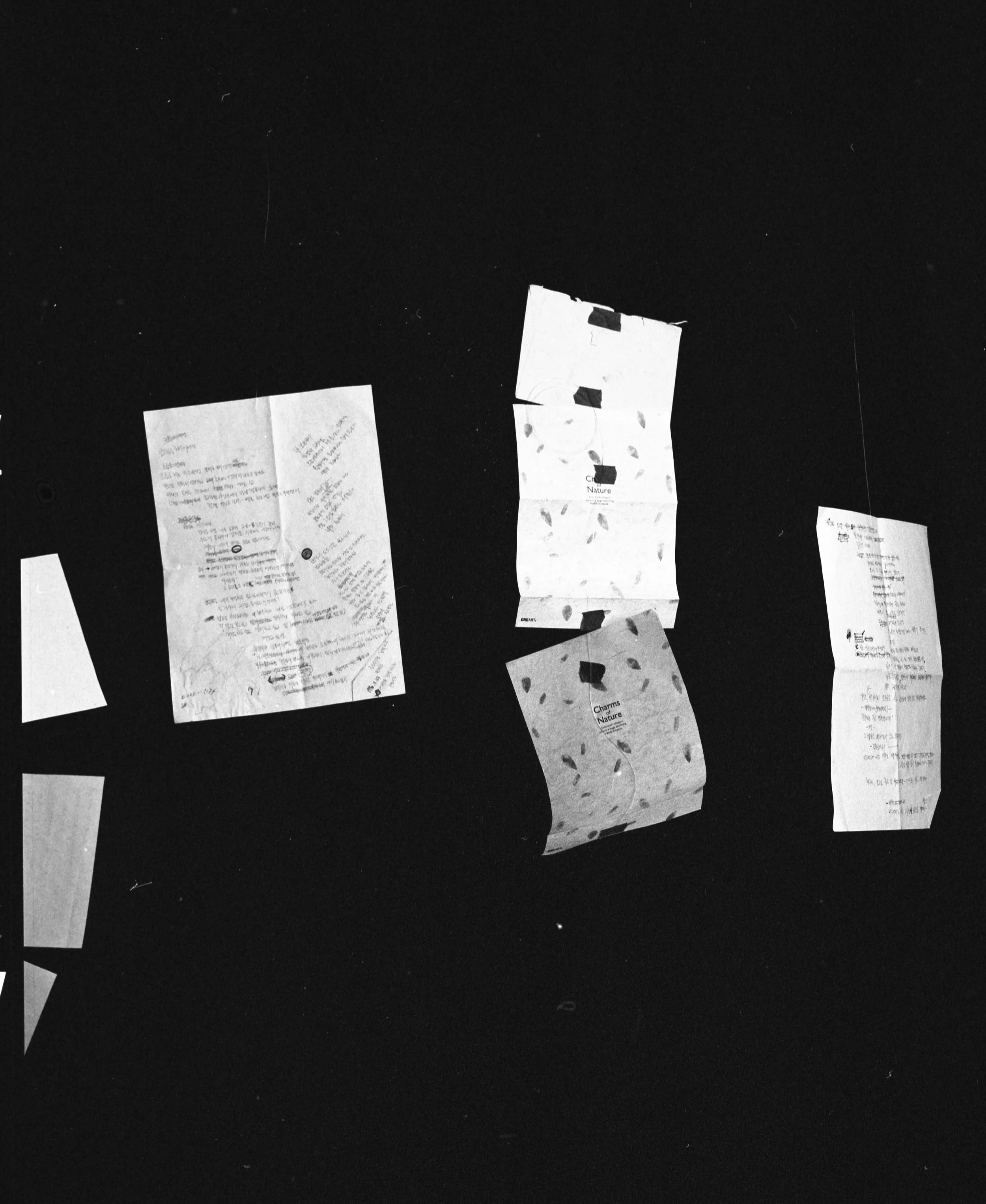
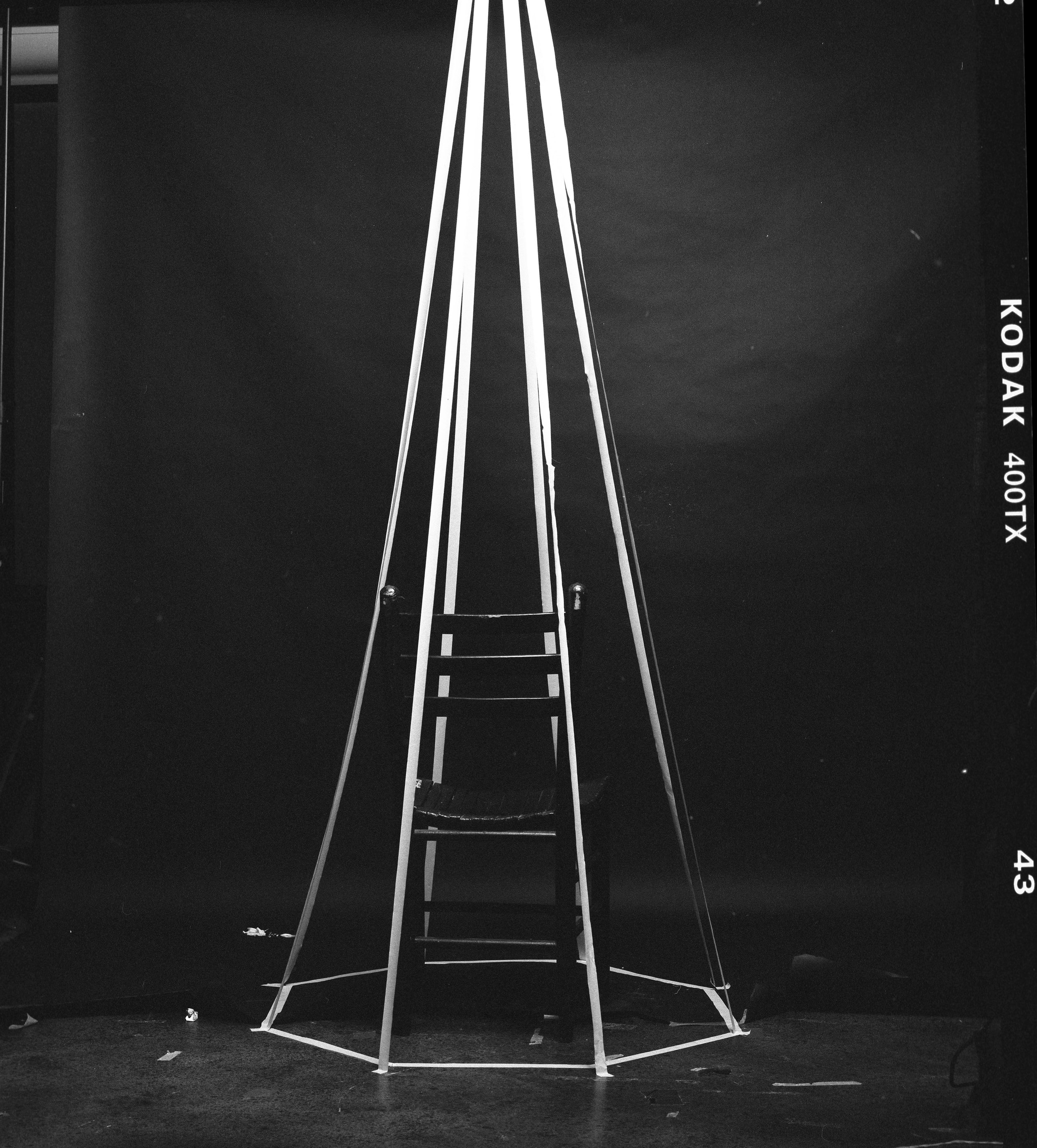
Inspired by the idea of the red string theory—often used to symbolize unseen emotional ties—I developed this project as a way to understand my father. His childhood lacked the stability and affection needed to learn how to express love, creating an emotional imbalance that shaped our relationship.
This absence is explored through family archives, as well as through symbols I created both in the studio and within my home. Growing up, I struggled to make sense of my connection with him; his love felt unfamiliar, especially in contrast to my mother’s.
Over time, however, I began to recognize the sacrifices he made and the quieter, less visible ways he showed care. These experimental photographs reflect that complexity, tracing both the distance I once felt and the deeper understanding I continue to build
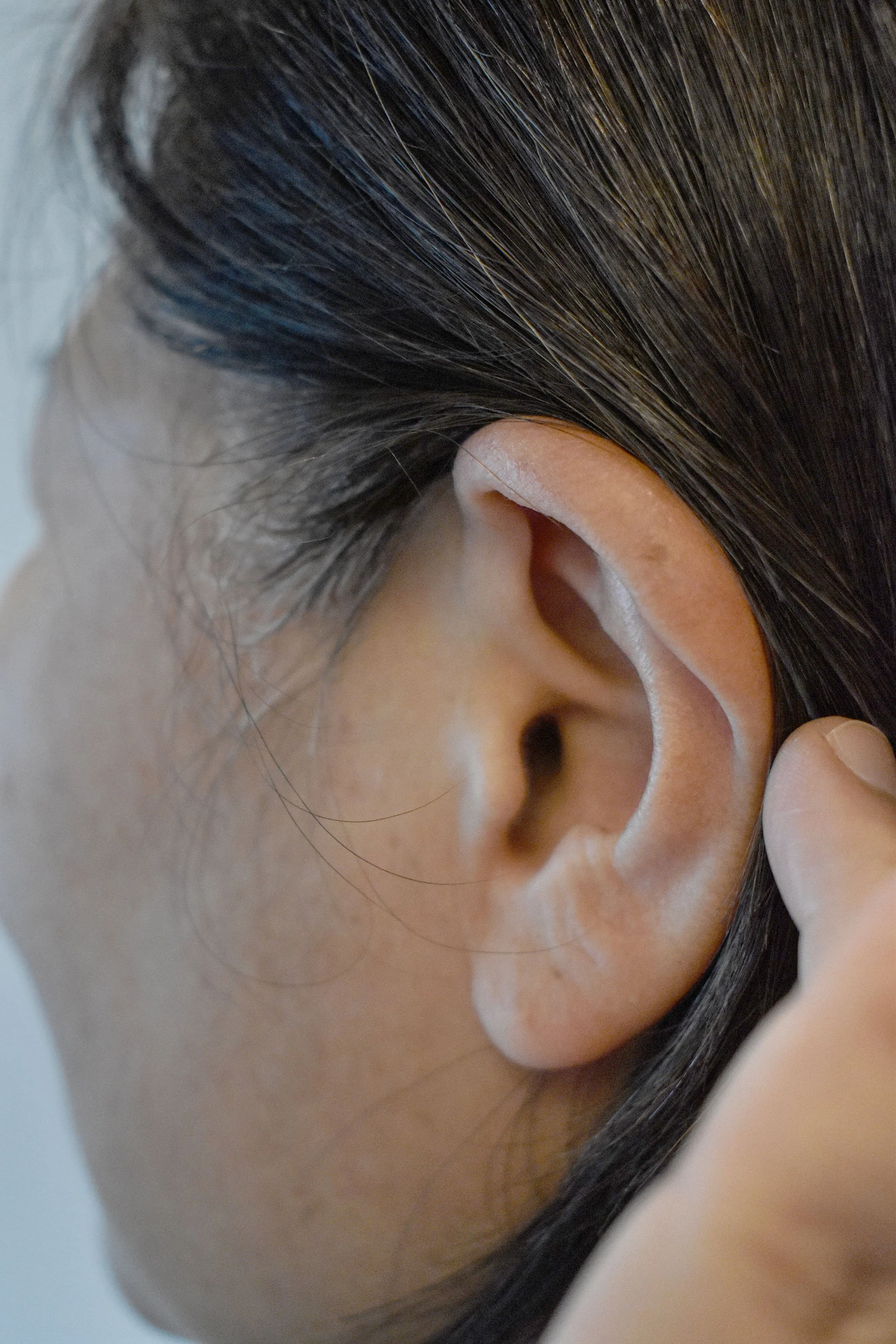
Dayna
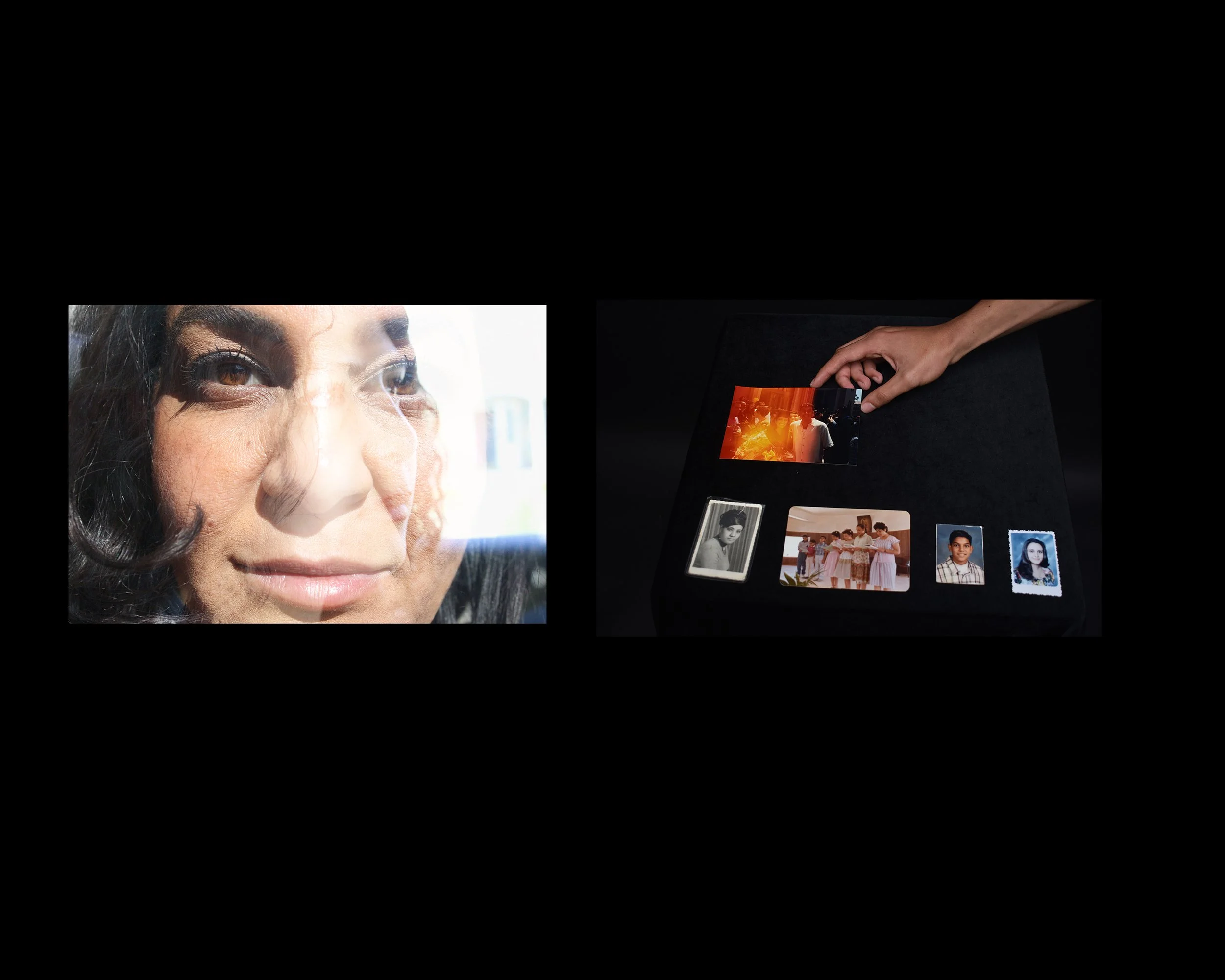
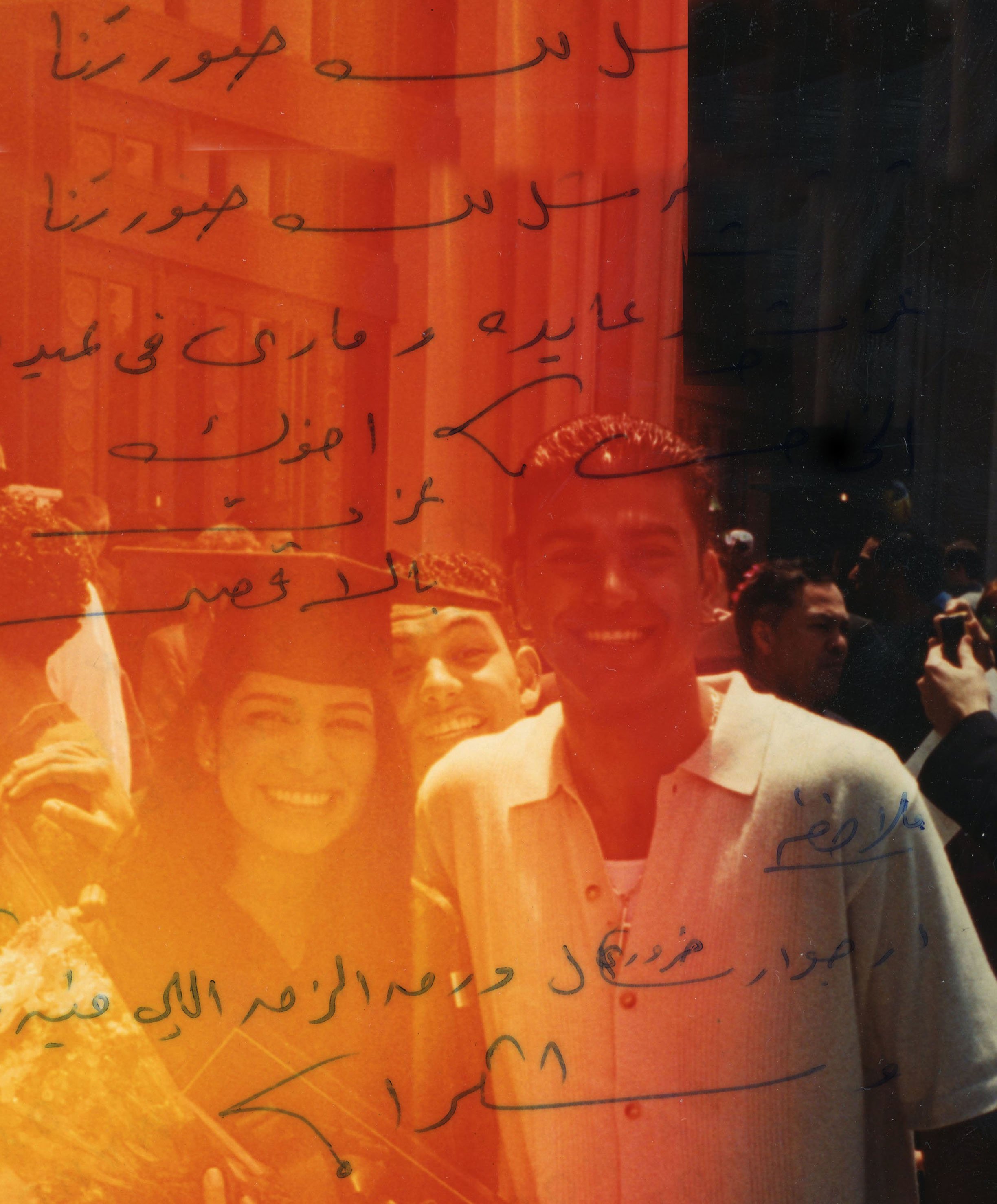
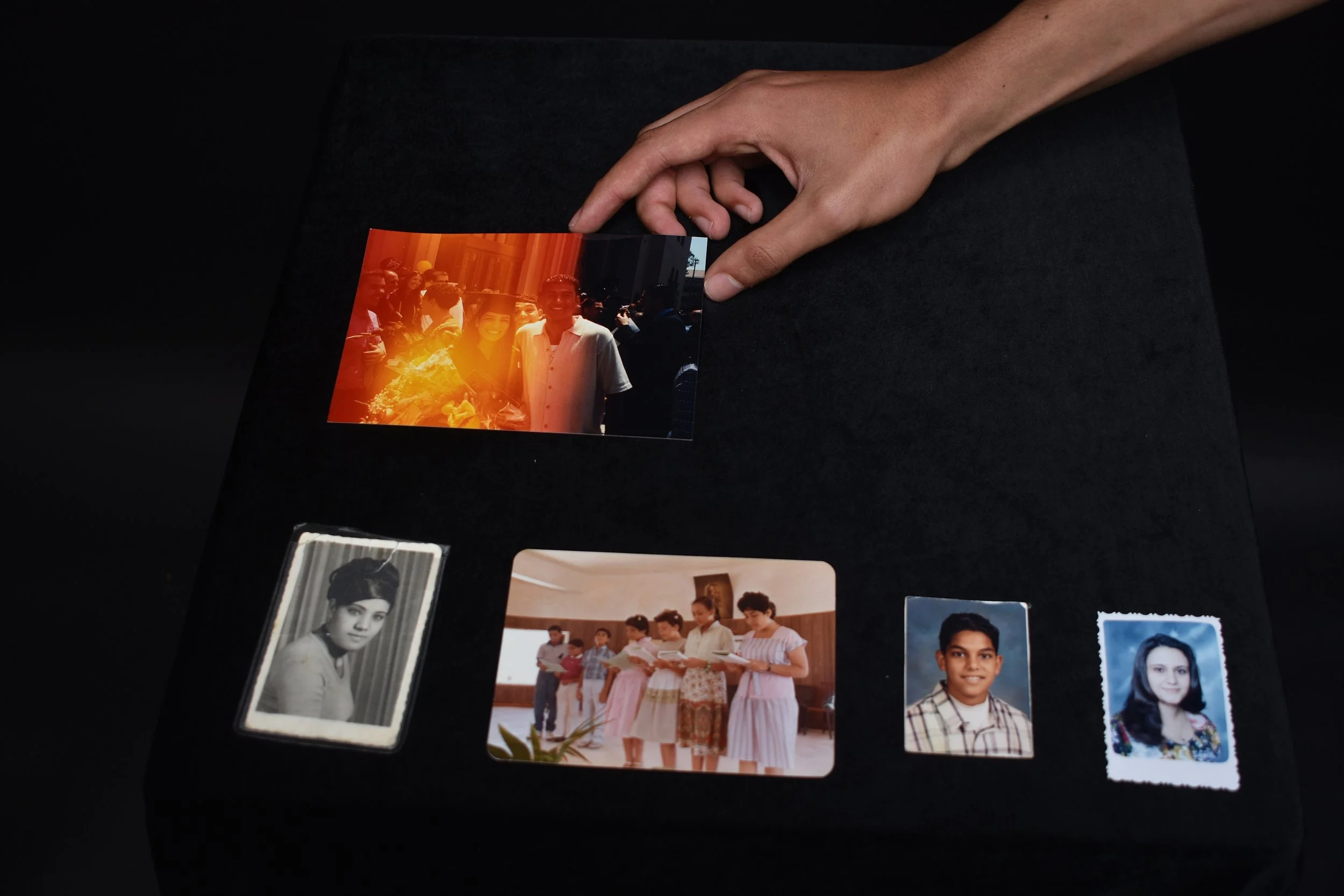
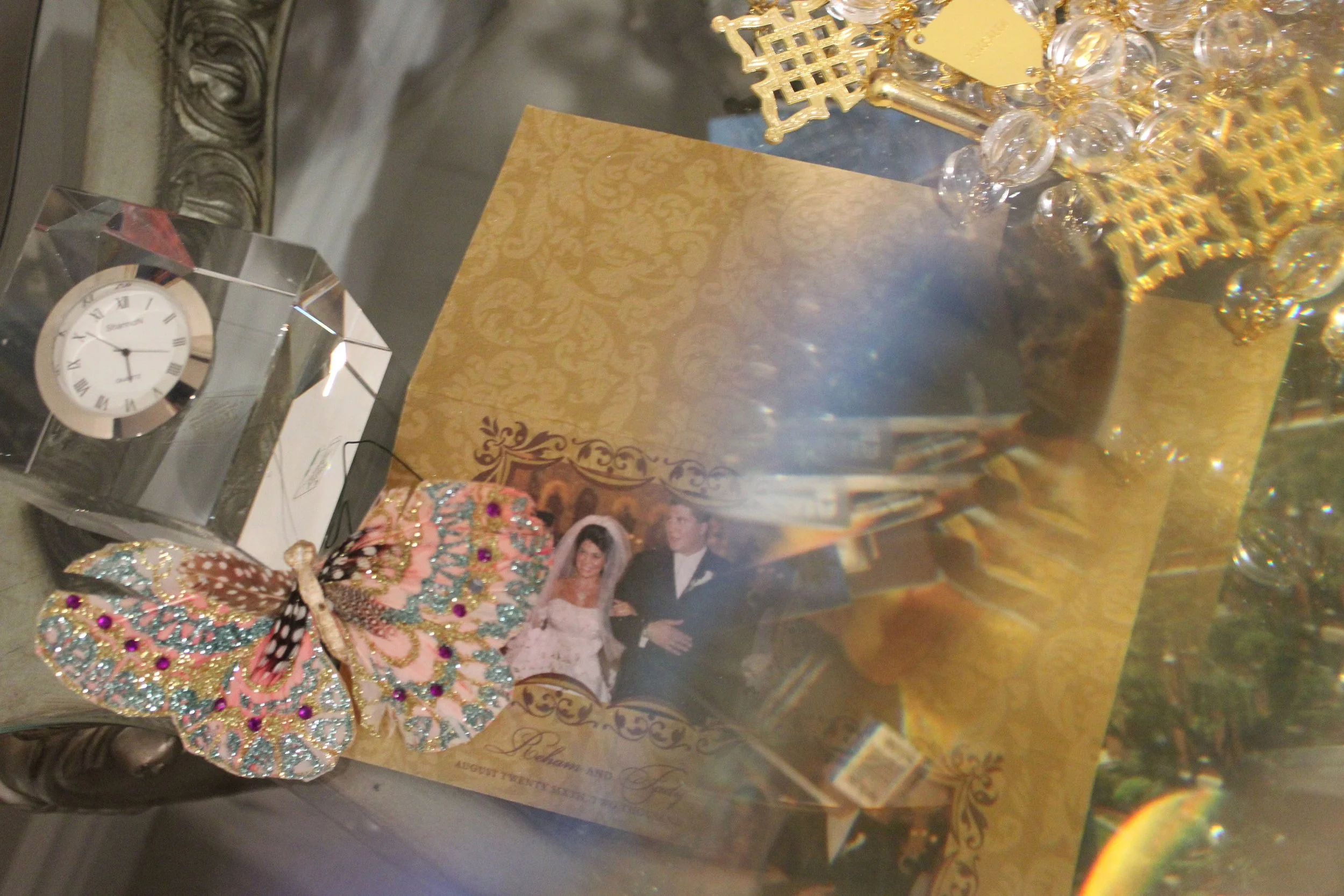
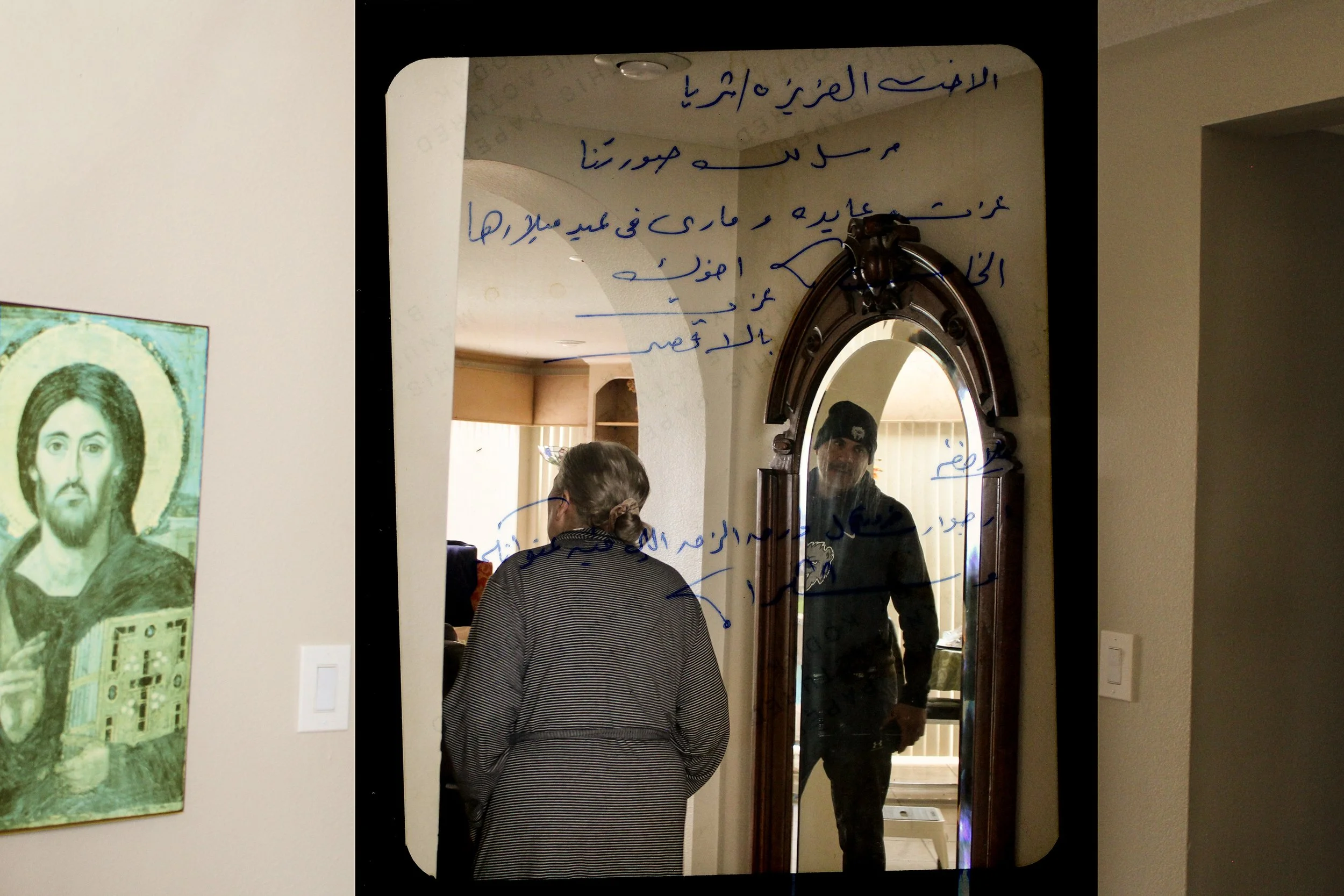
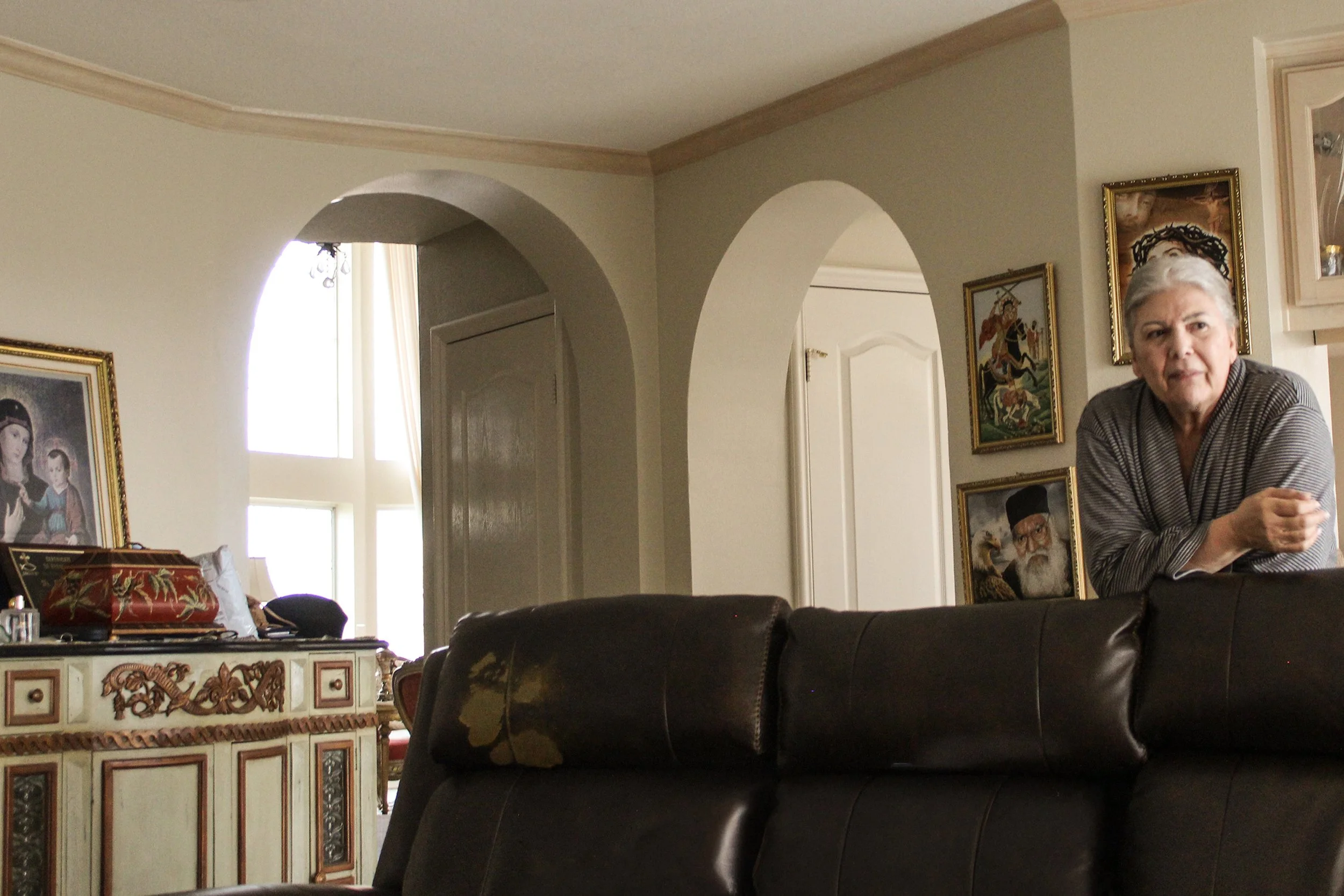
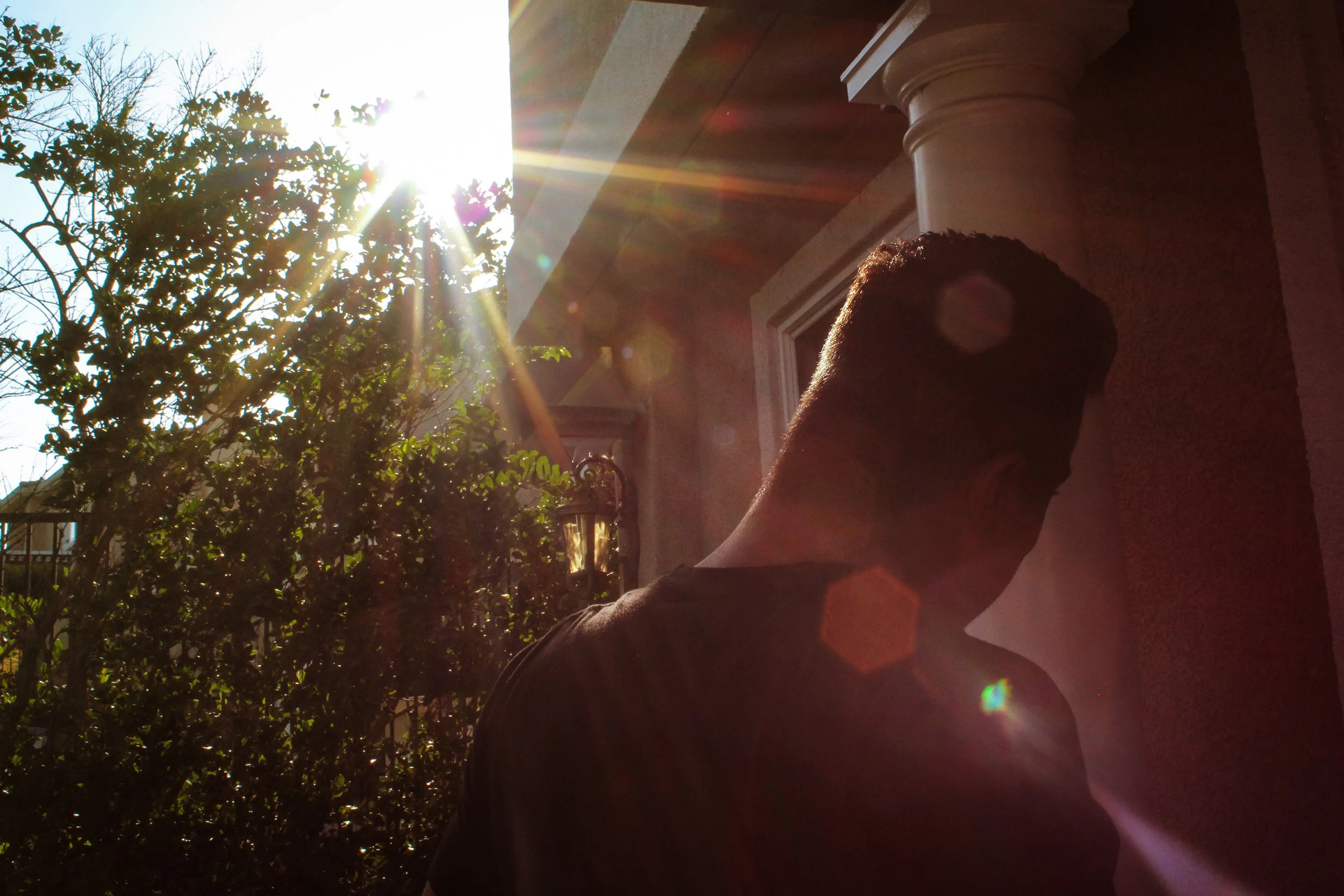
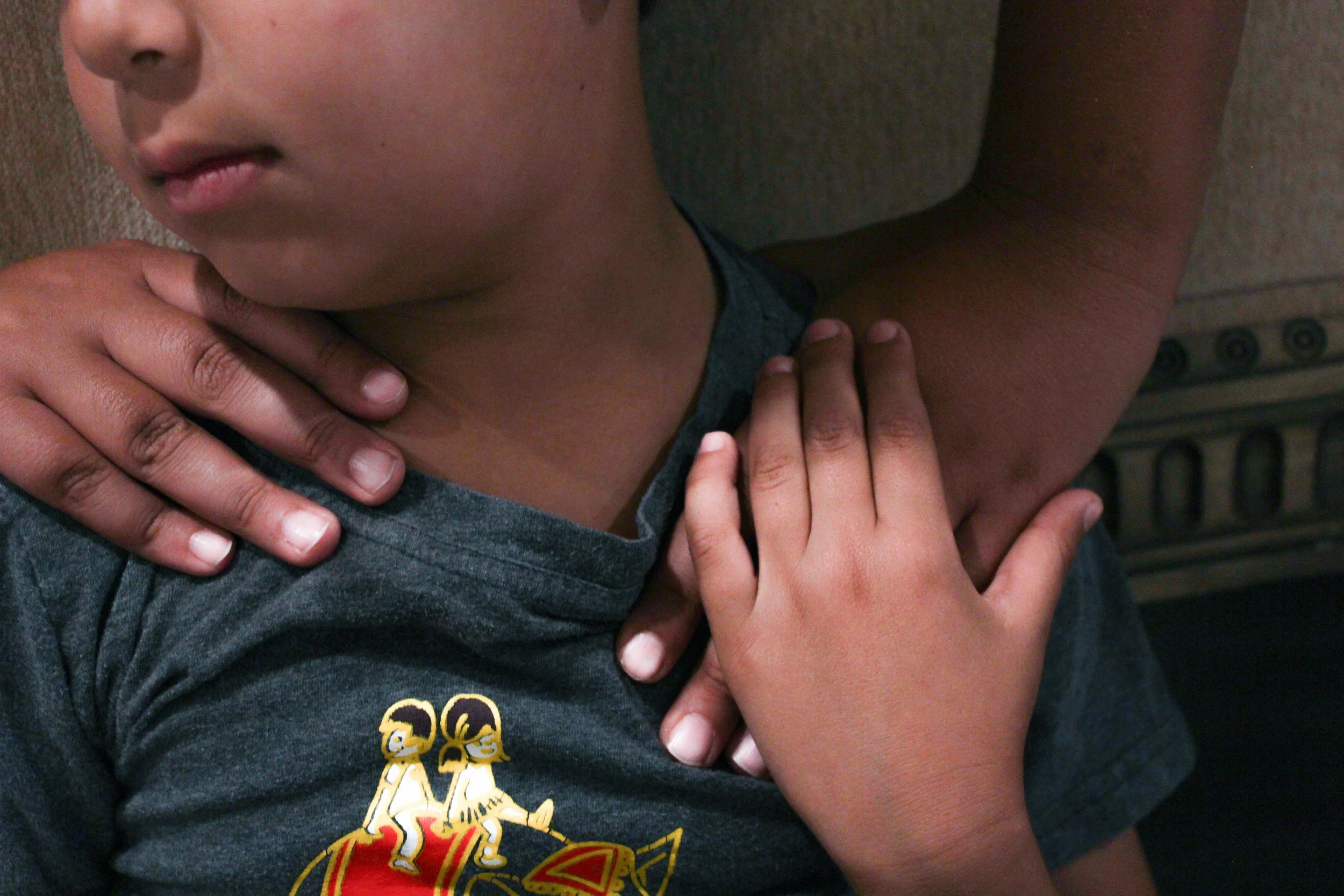
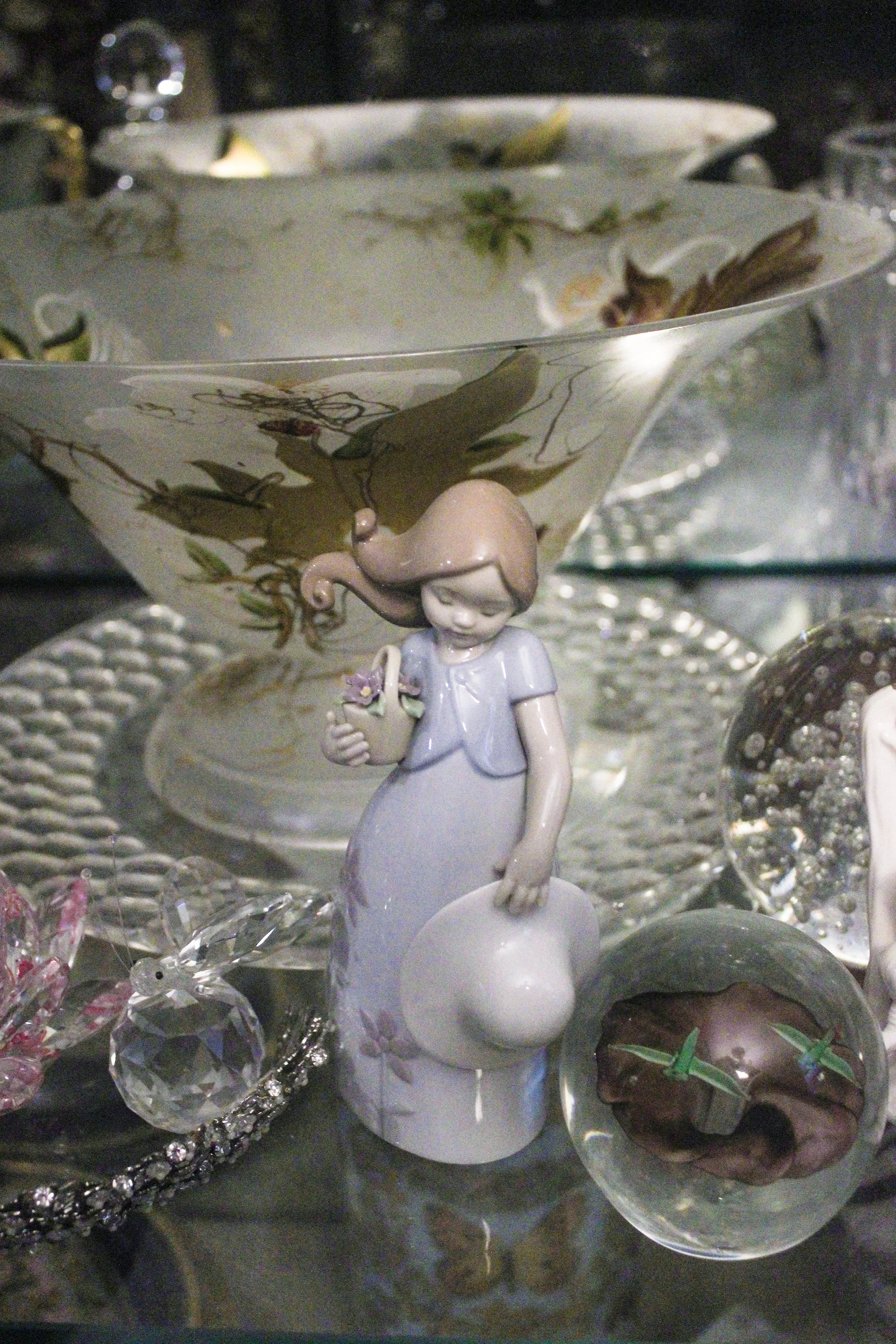
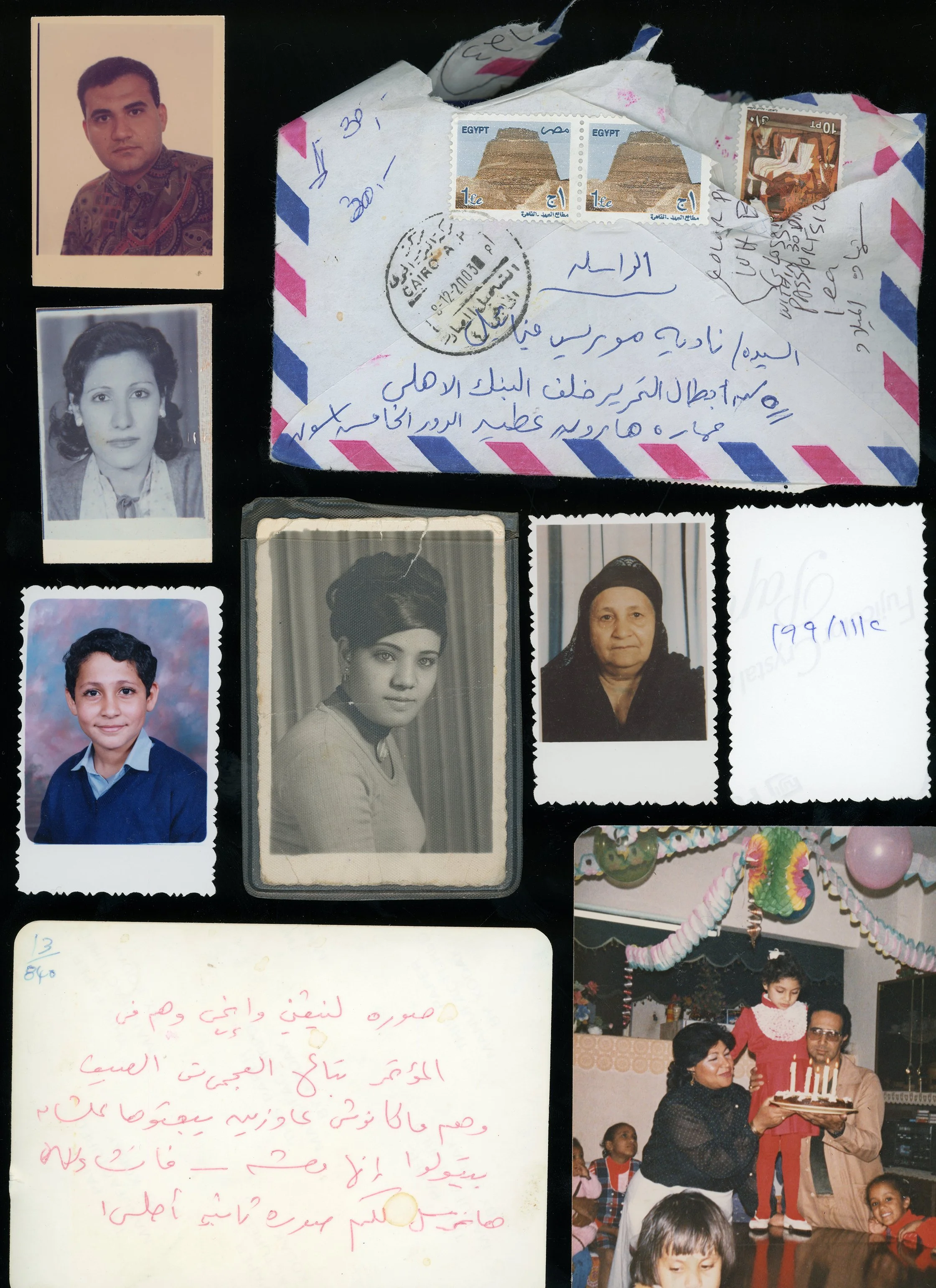
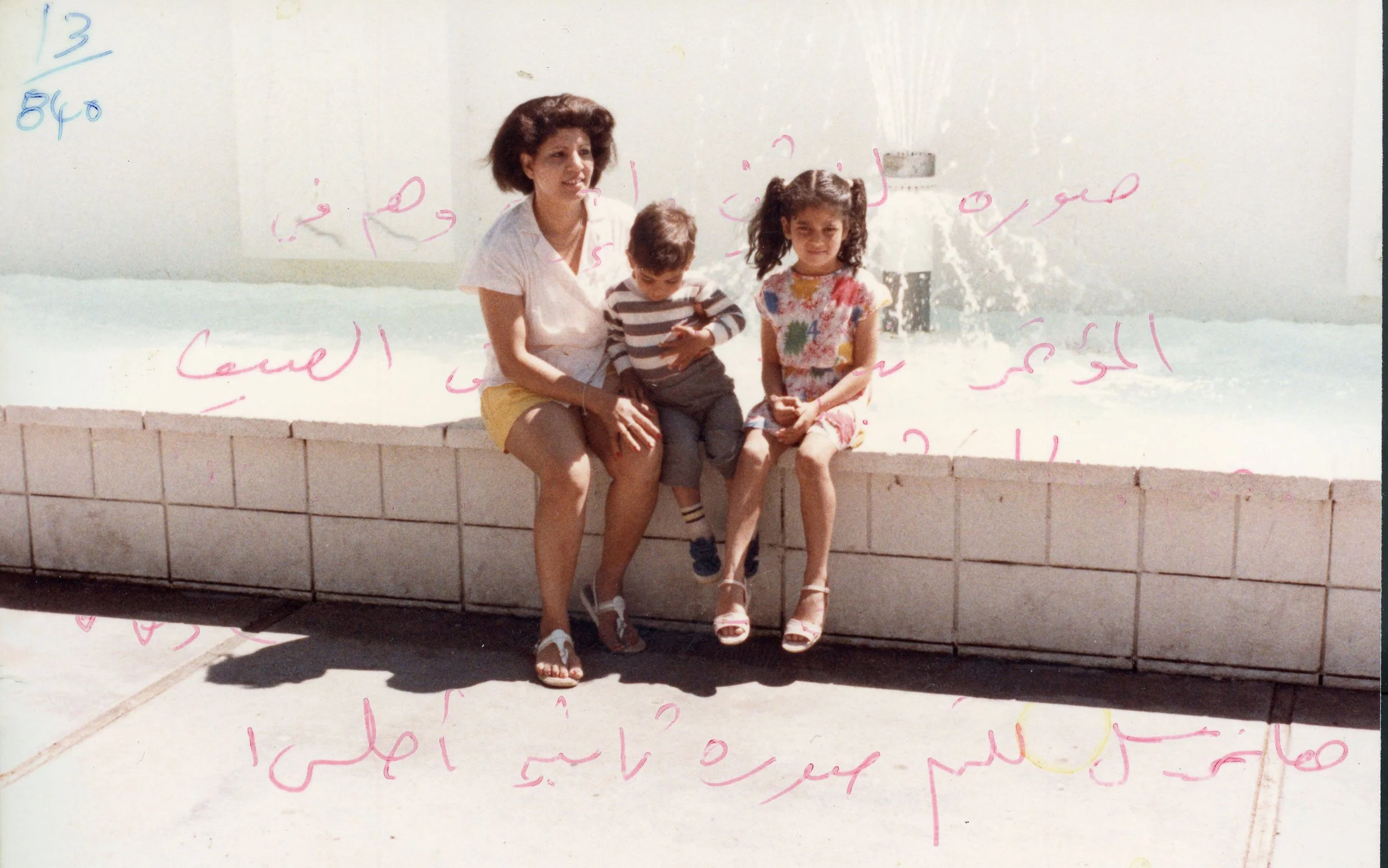
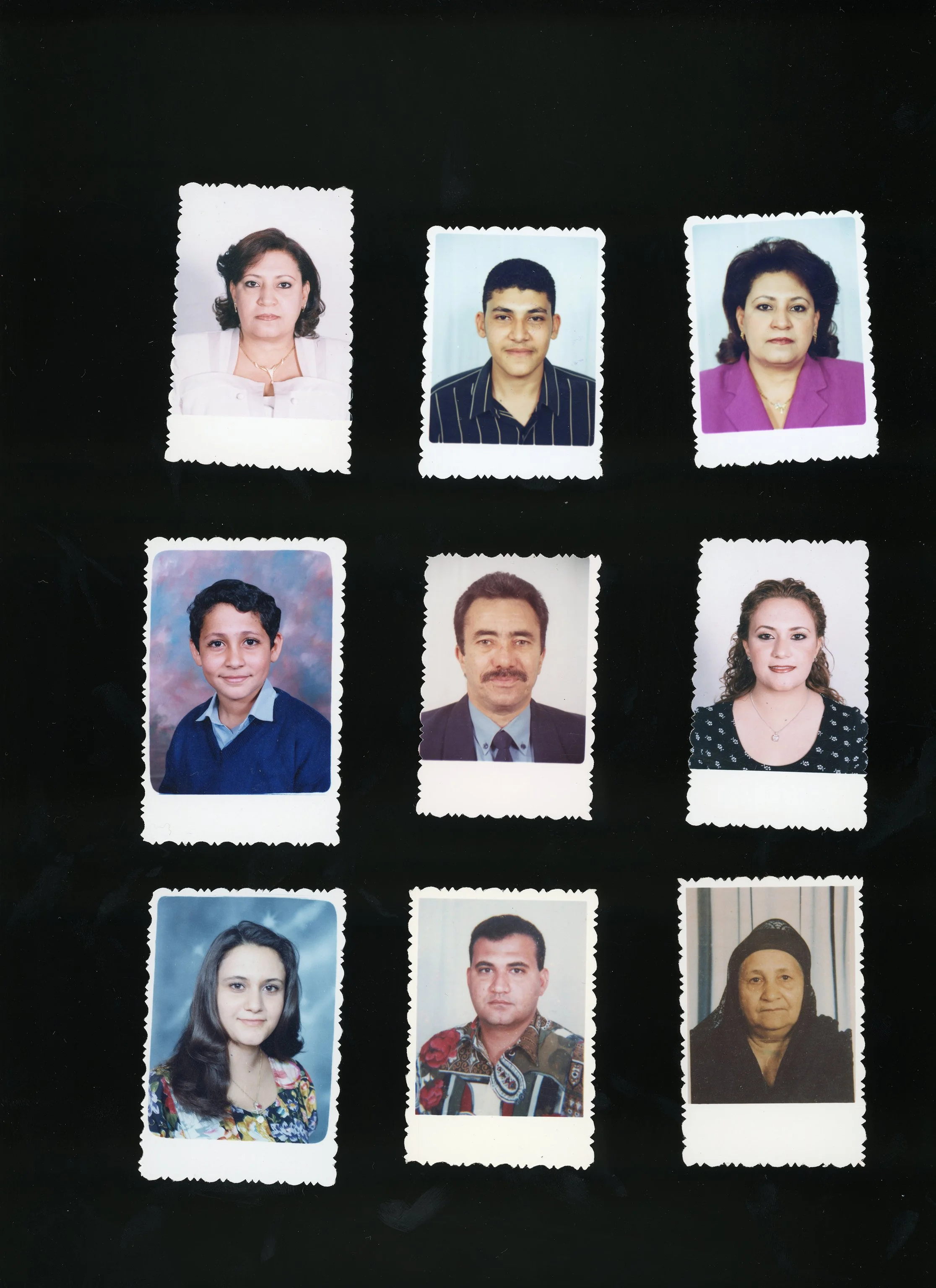
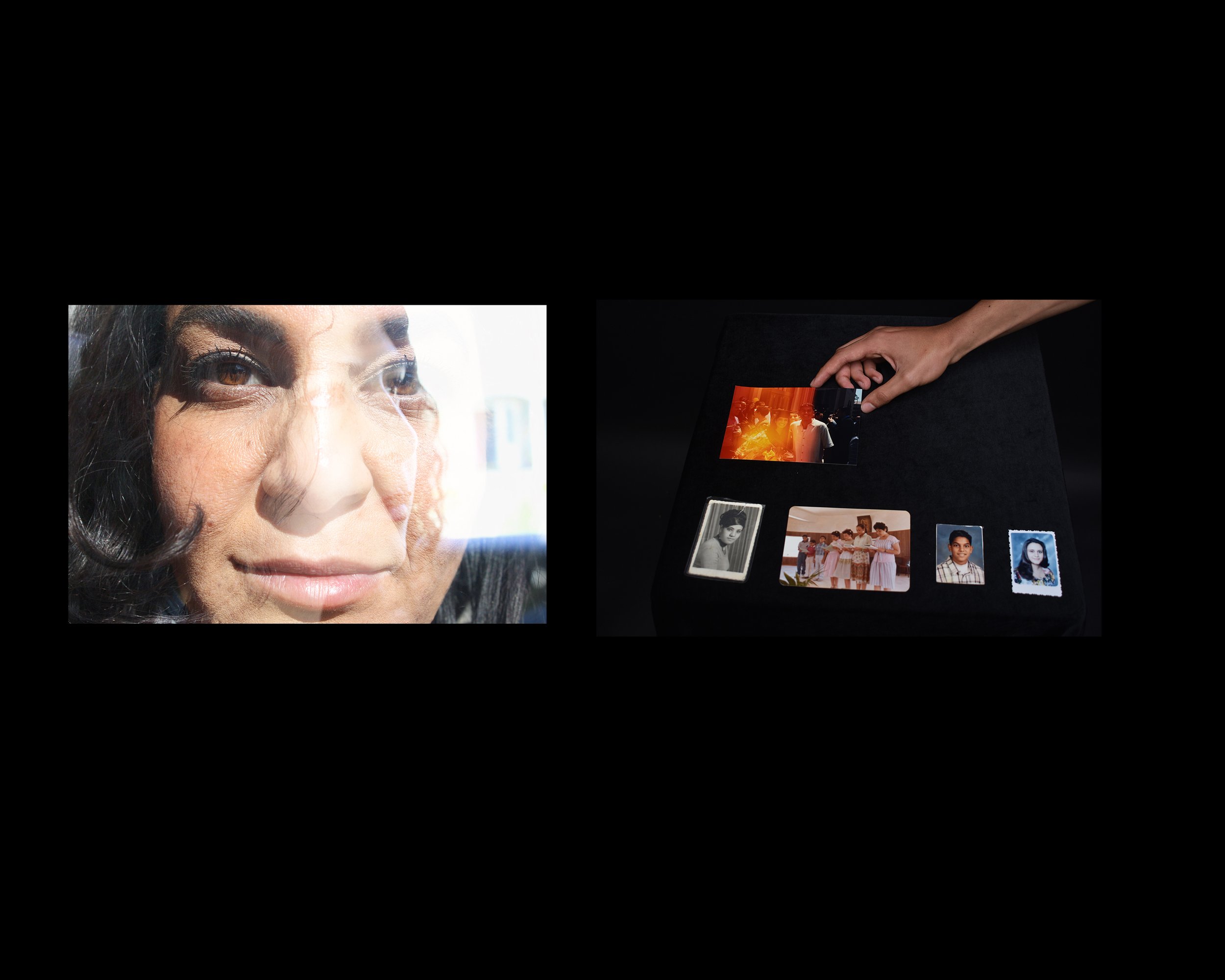
My photography project explores my family’s individuality and ancestry through a series of images that capture personal moments, expressions, and traditions. By combining current photographs with archival family photos, I connect the past with the present. The archival images provide a glimpse into my family’s history and ancestry, while the contemporary photographs show how that legacy continues through the individuals in my family today. Together, they create a visual story that highlights both change and continuity across generations. Through this collection, I wanted to show how our ancestors’ stories, values, and traditions continue to shape who we are.
Cayden
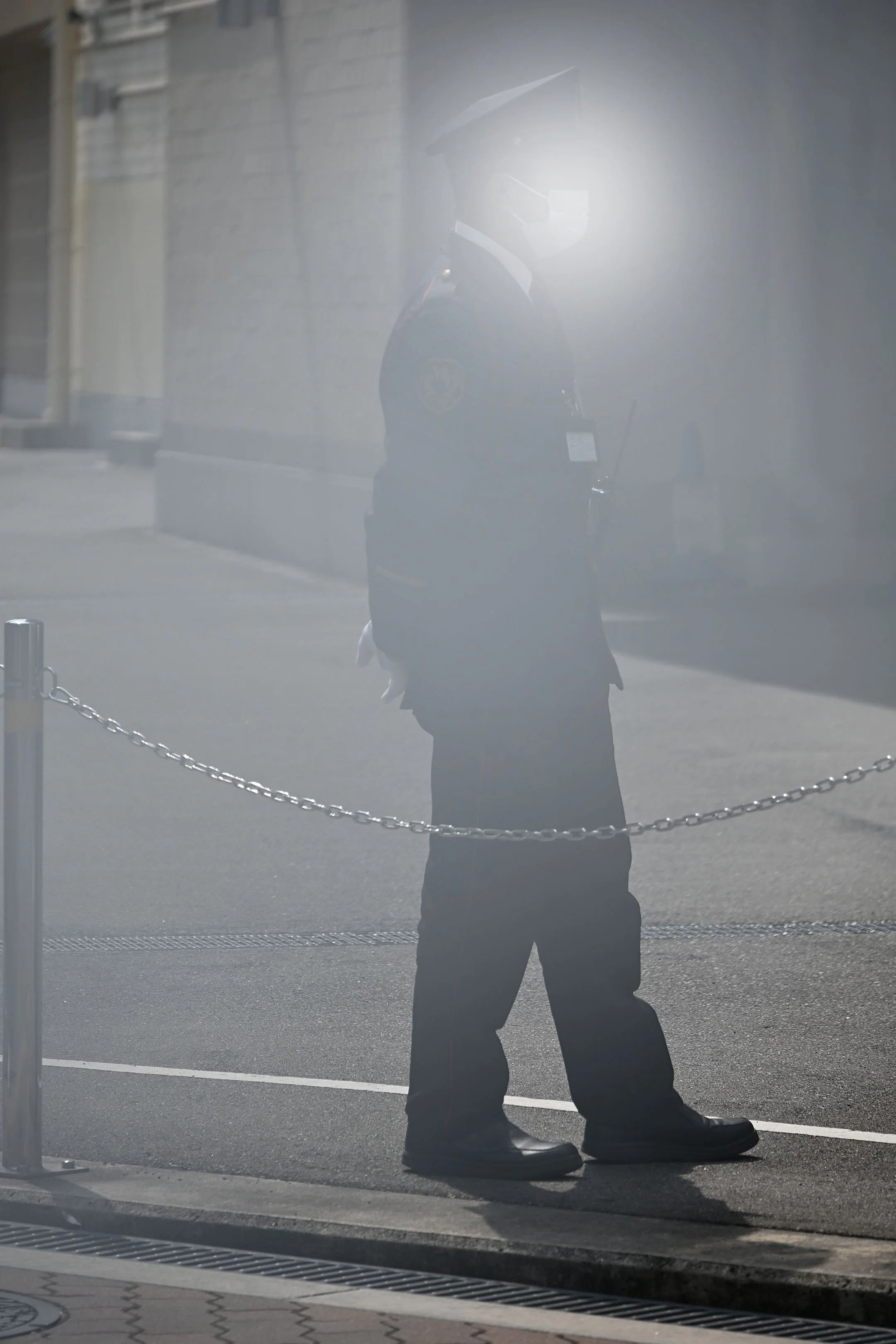
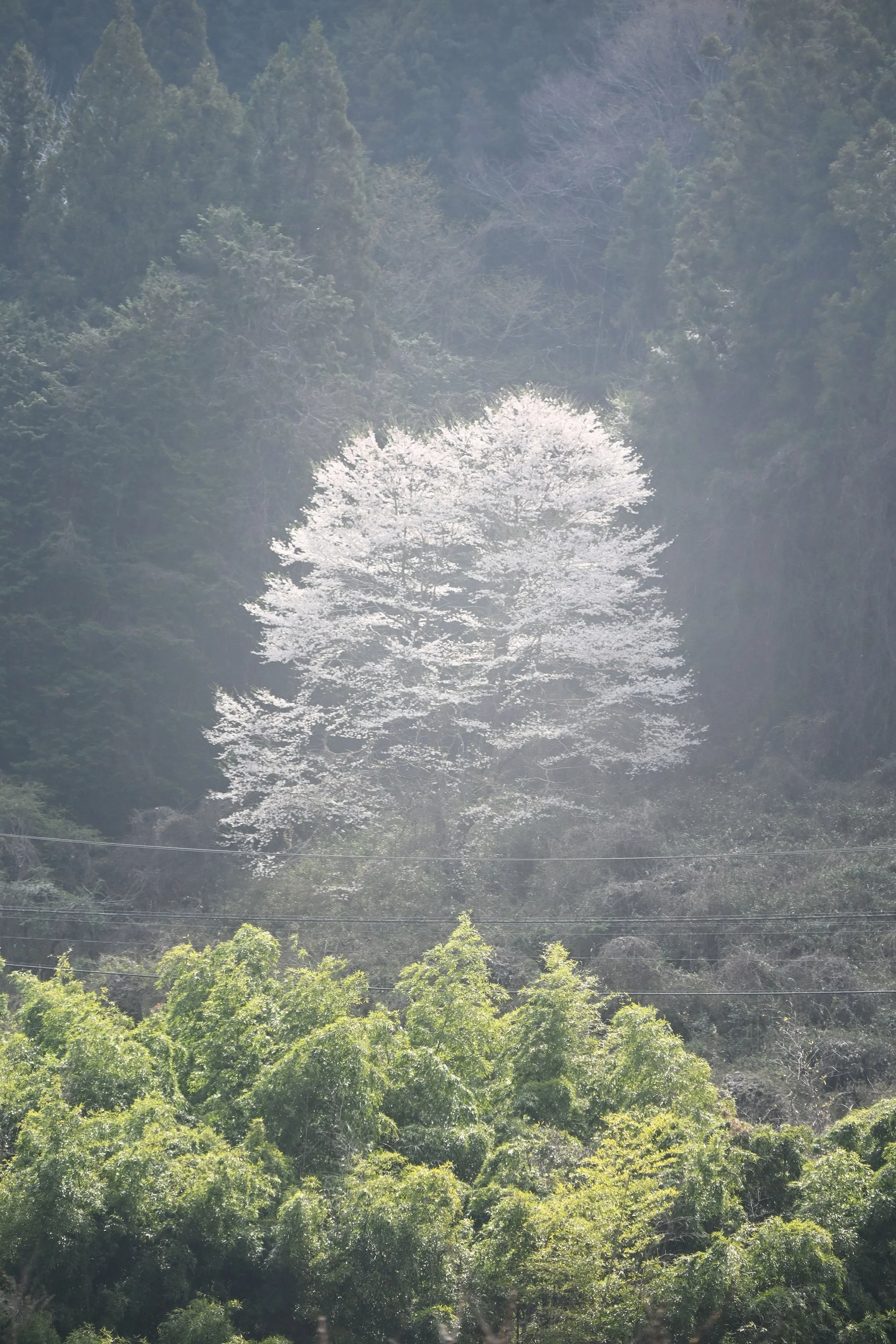
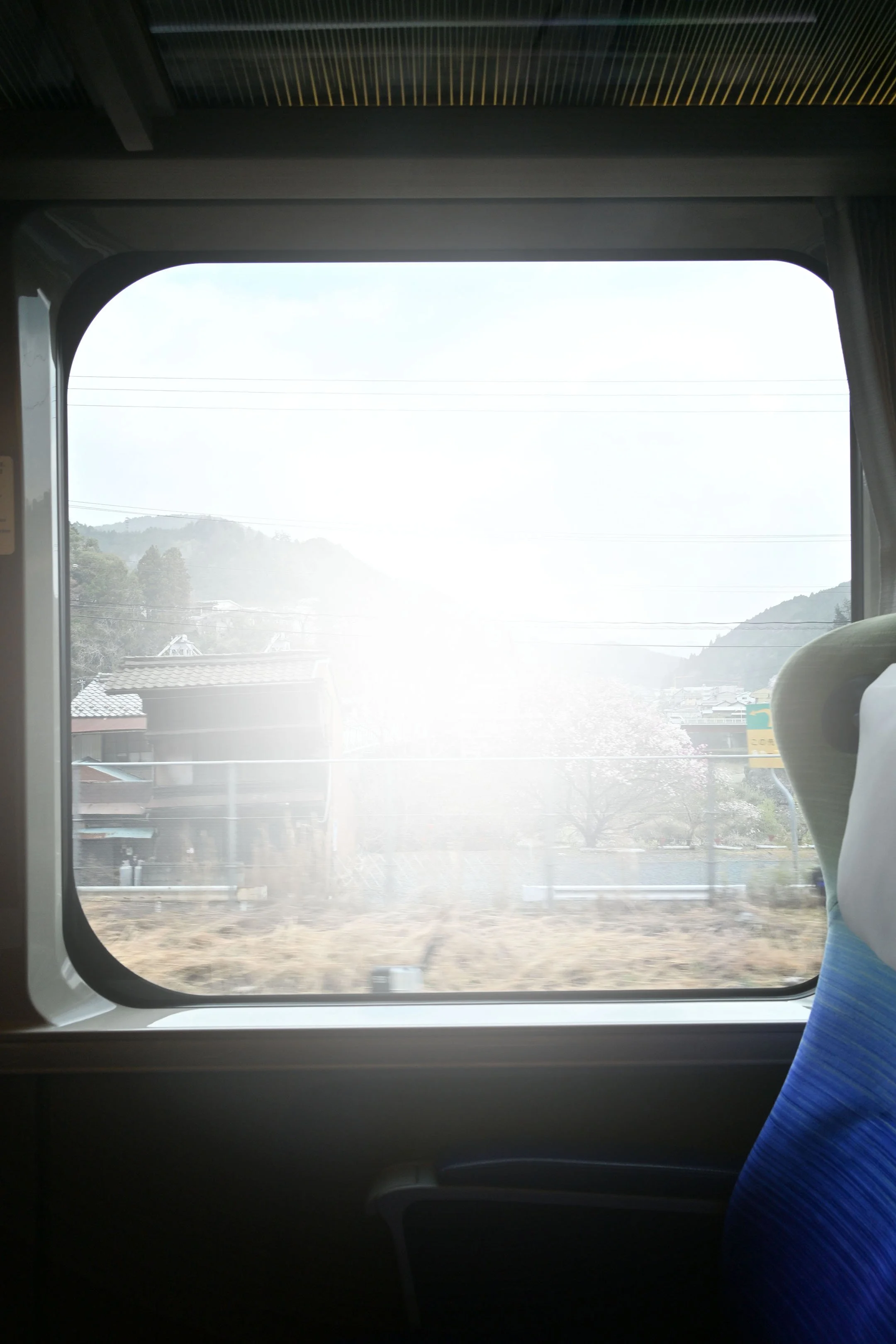
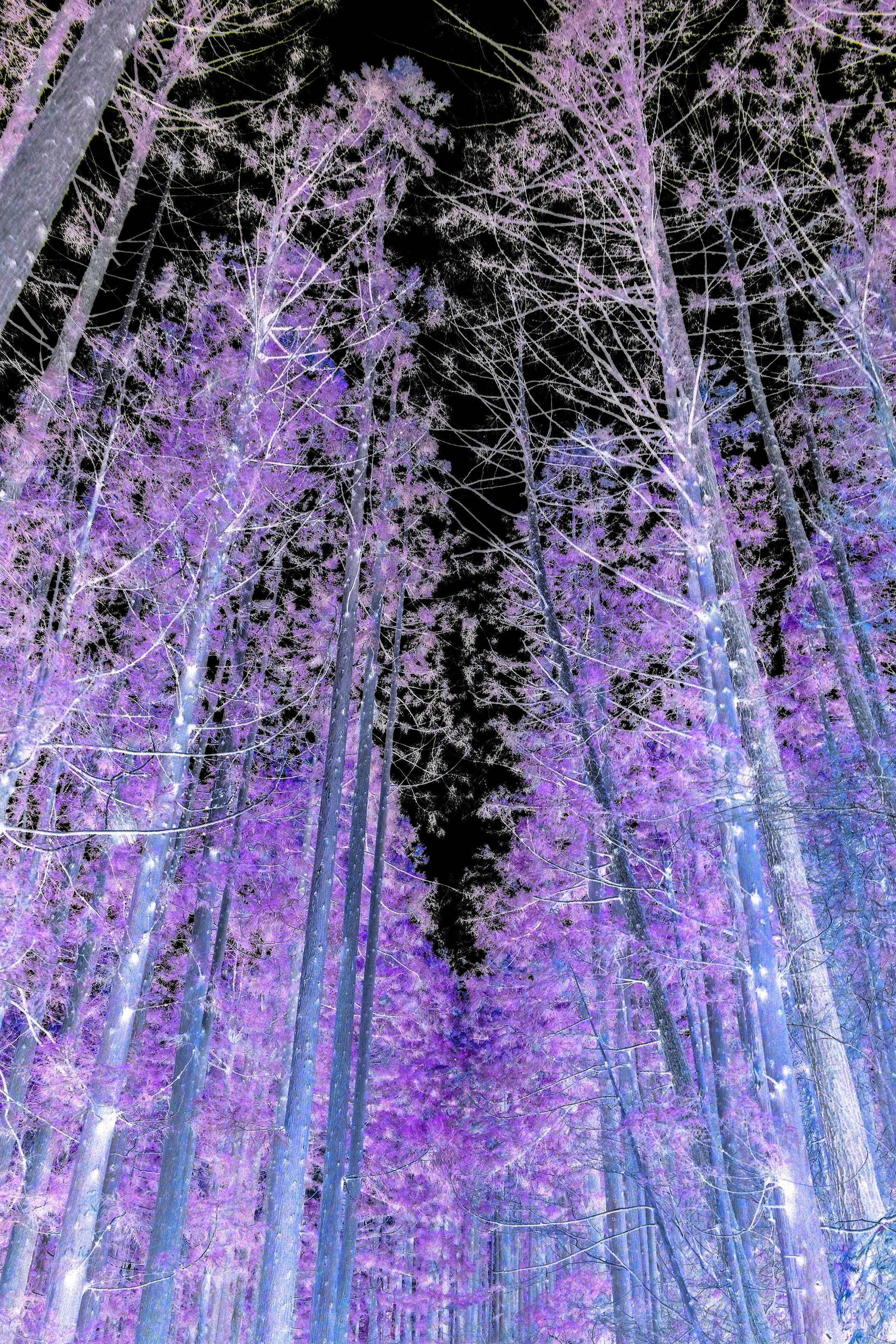
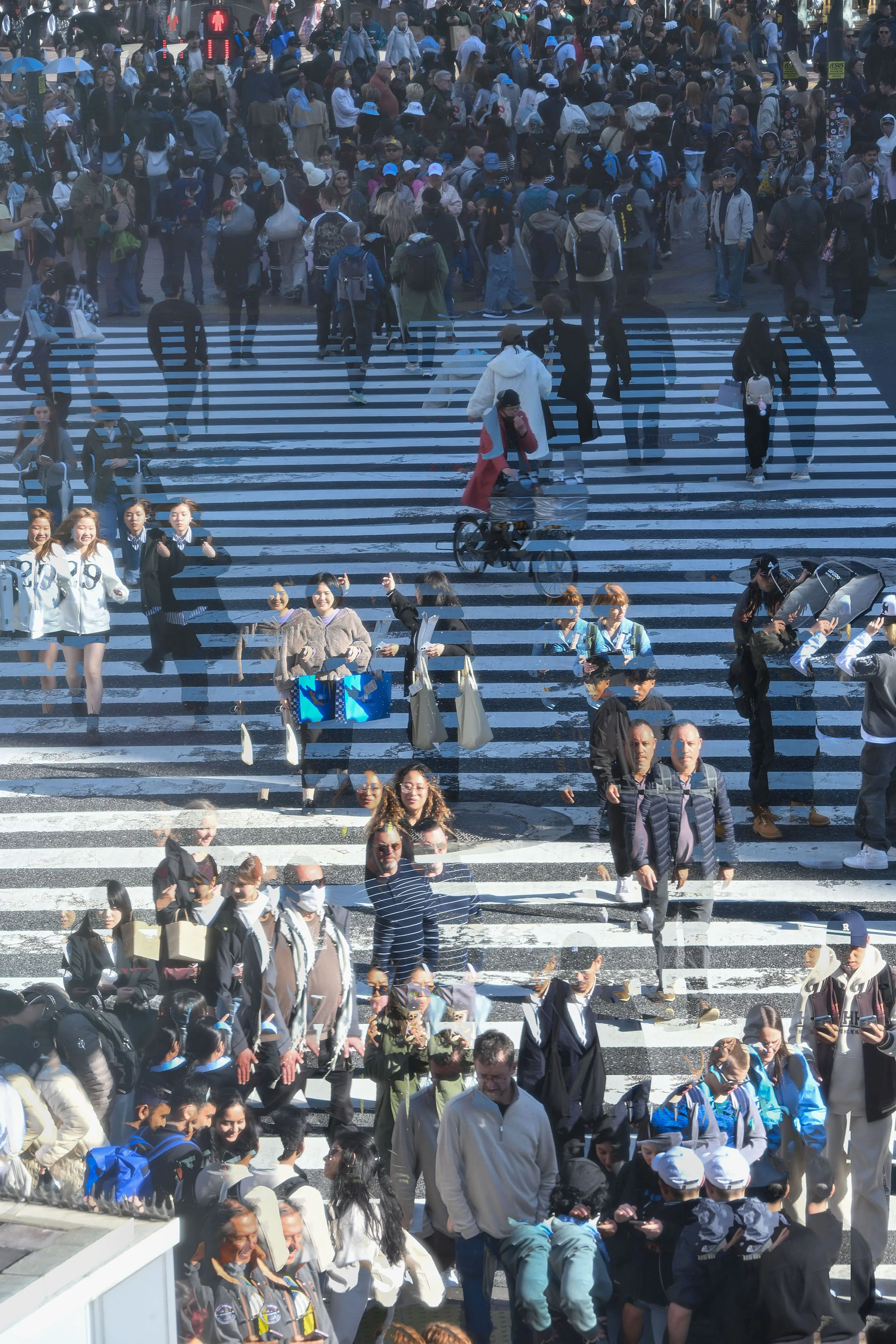
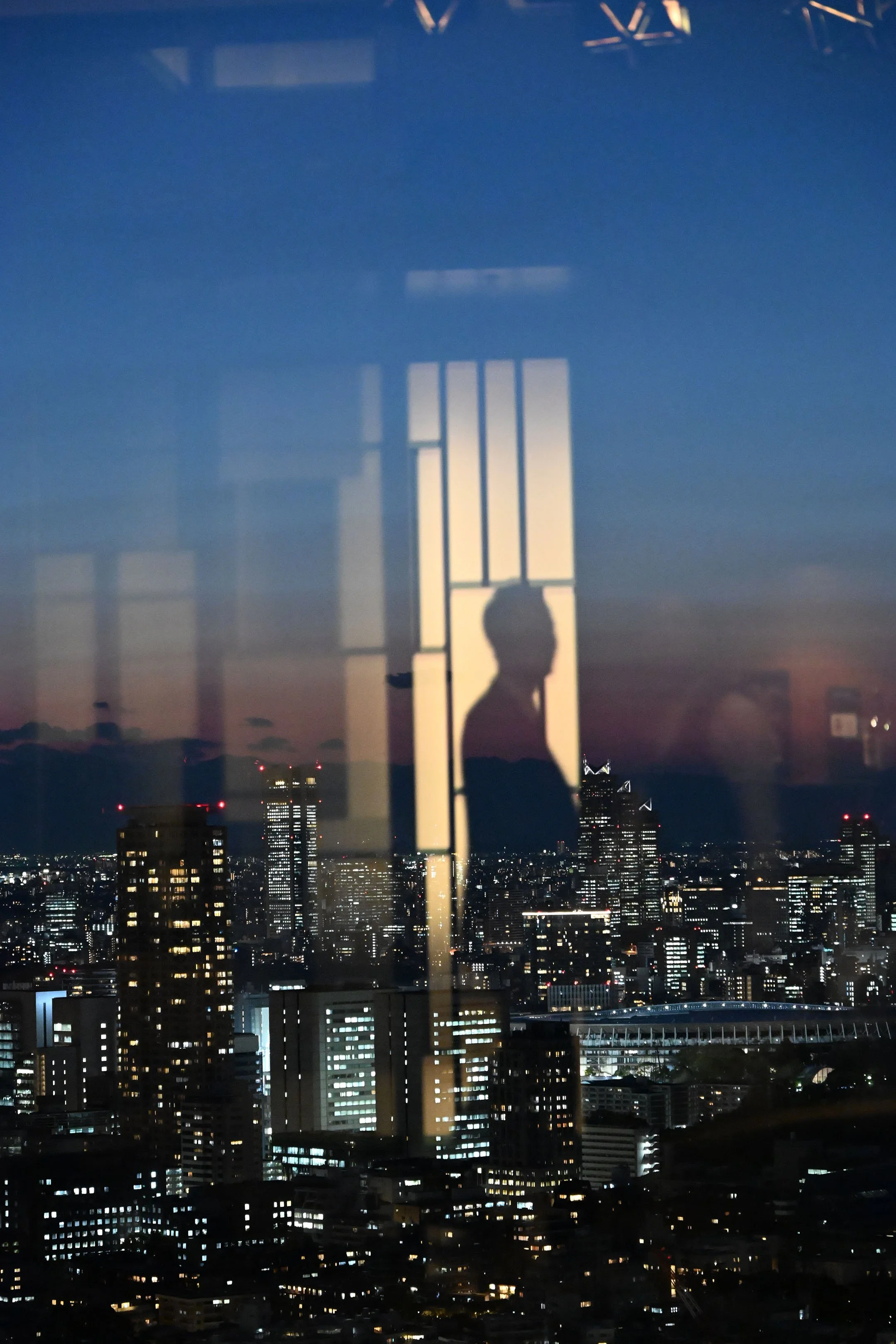
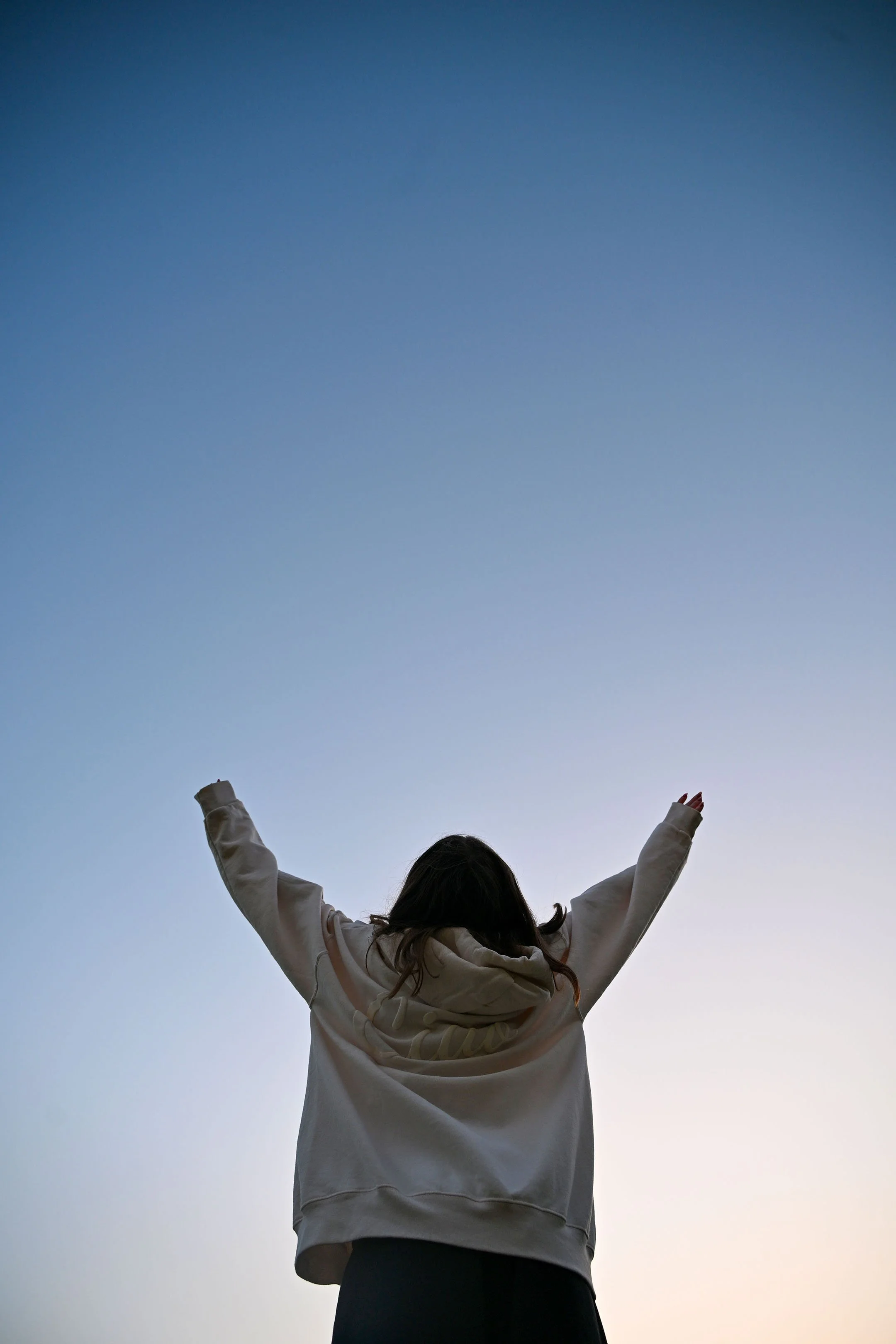
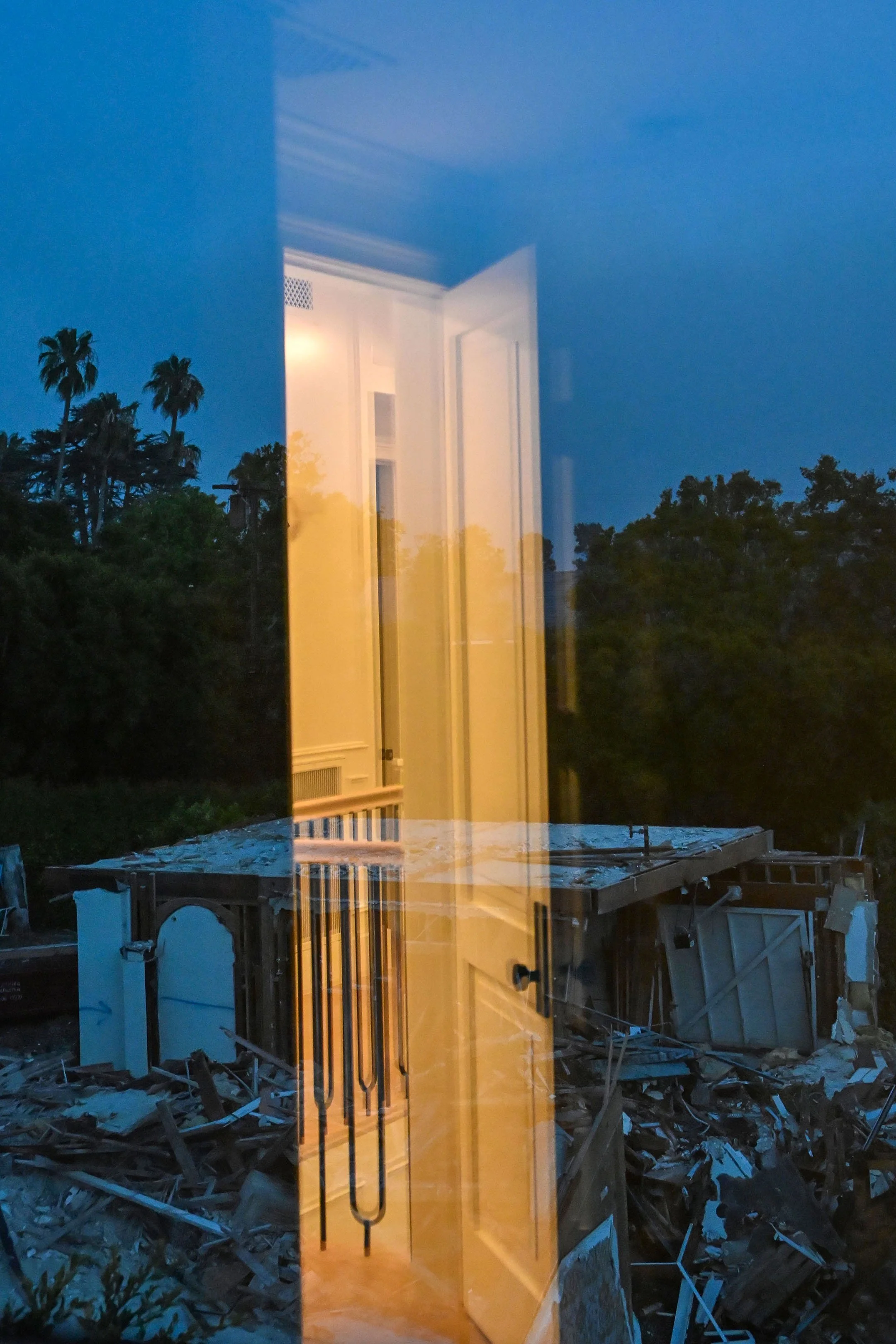
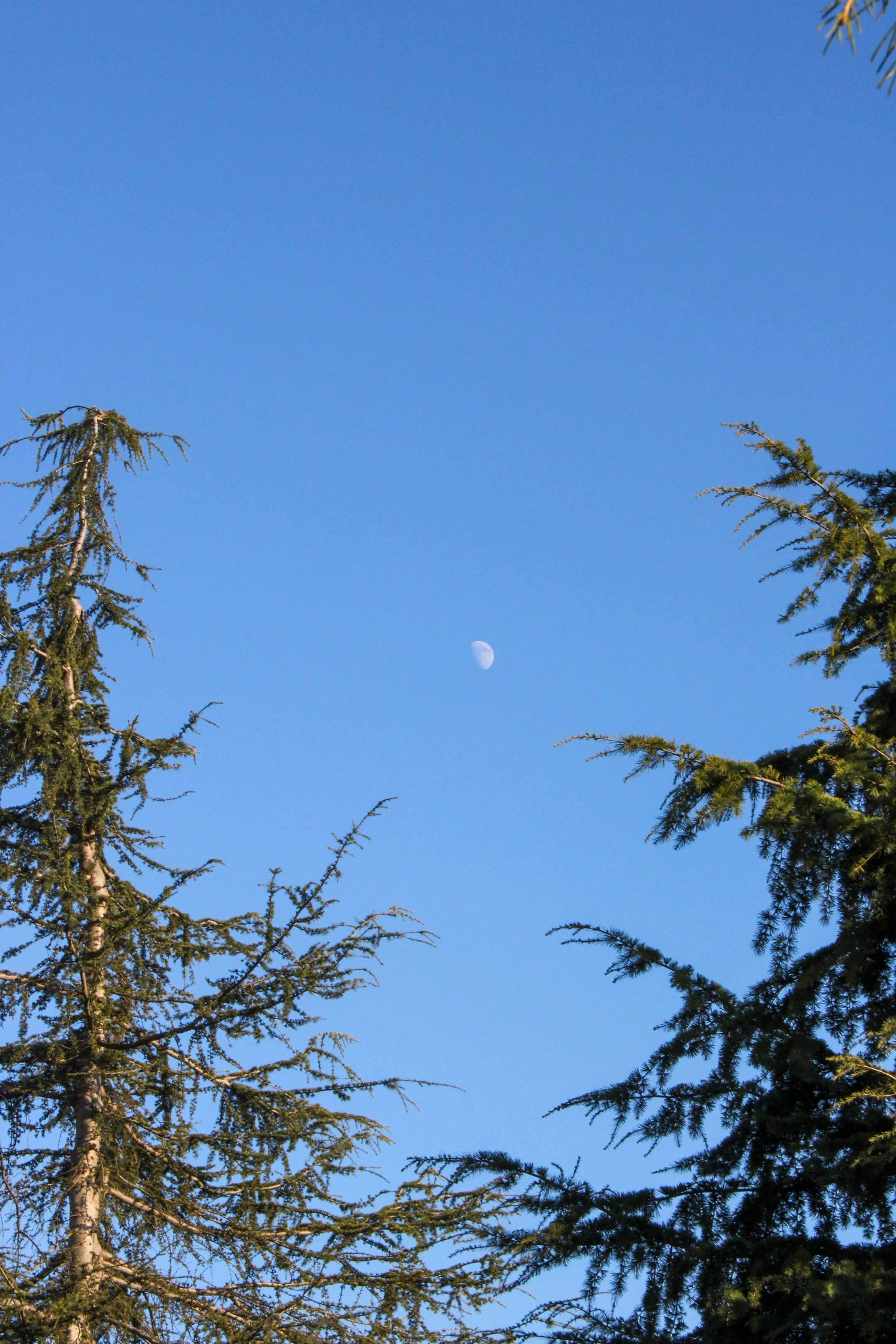
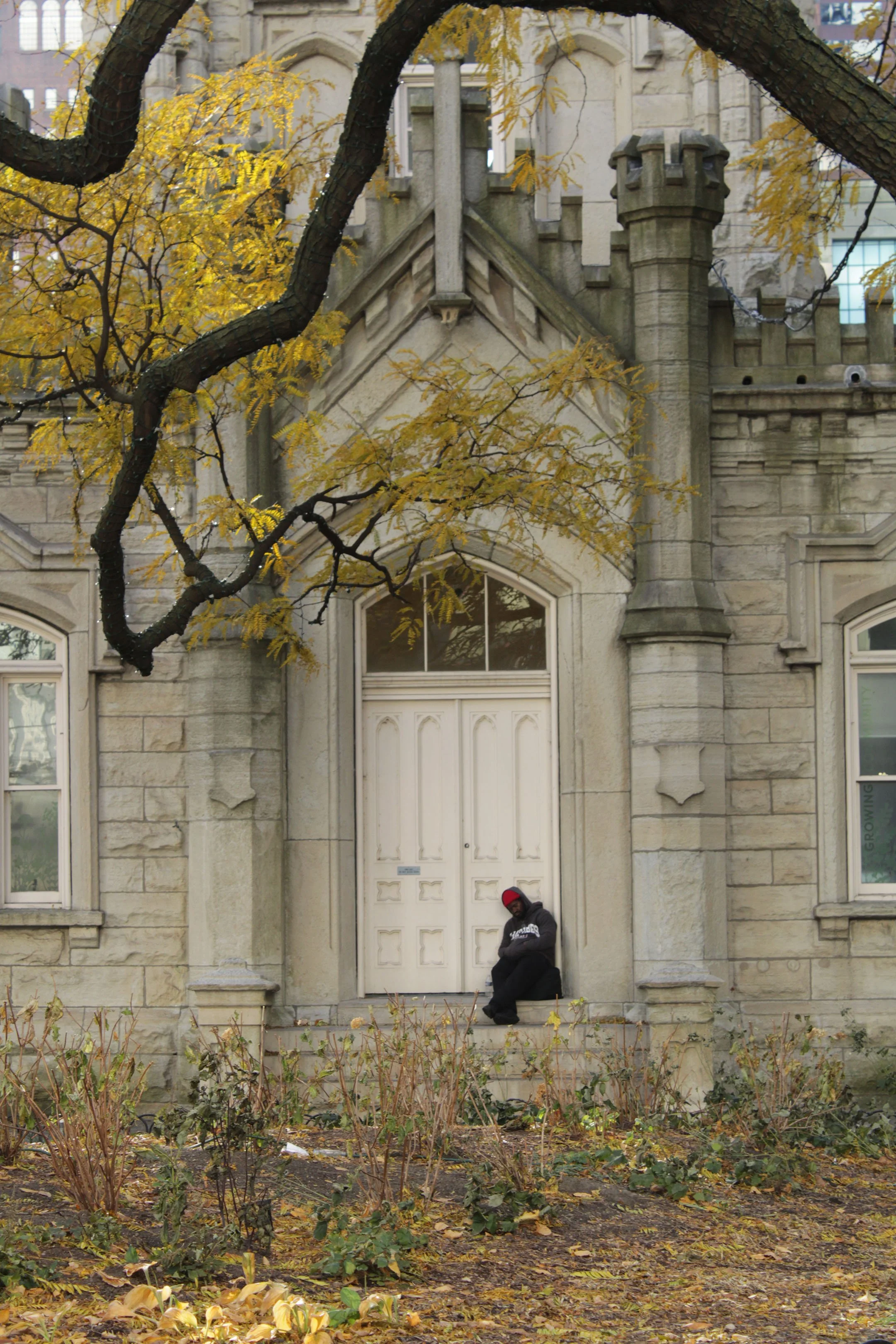
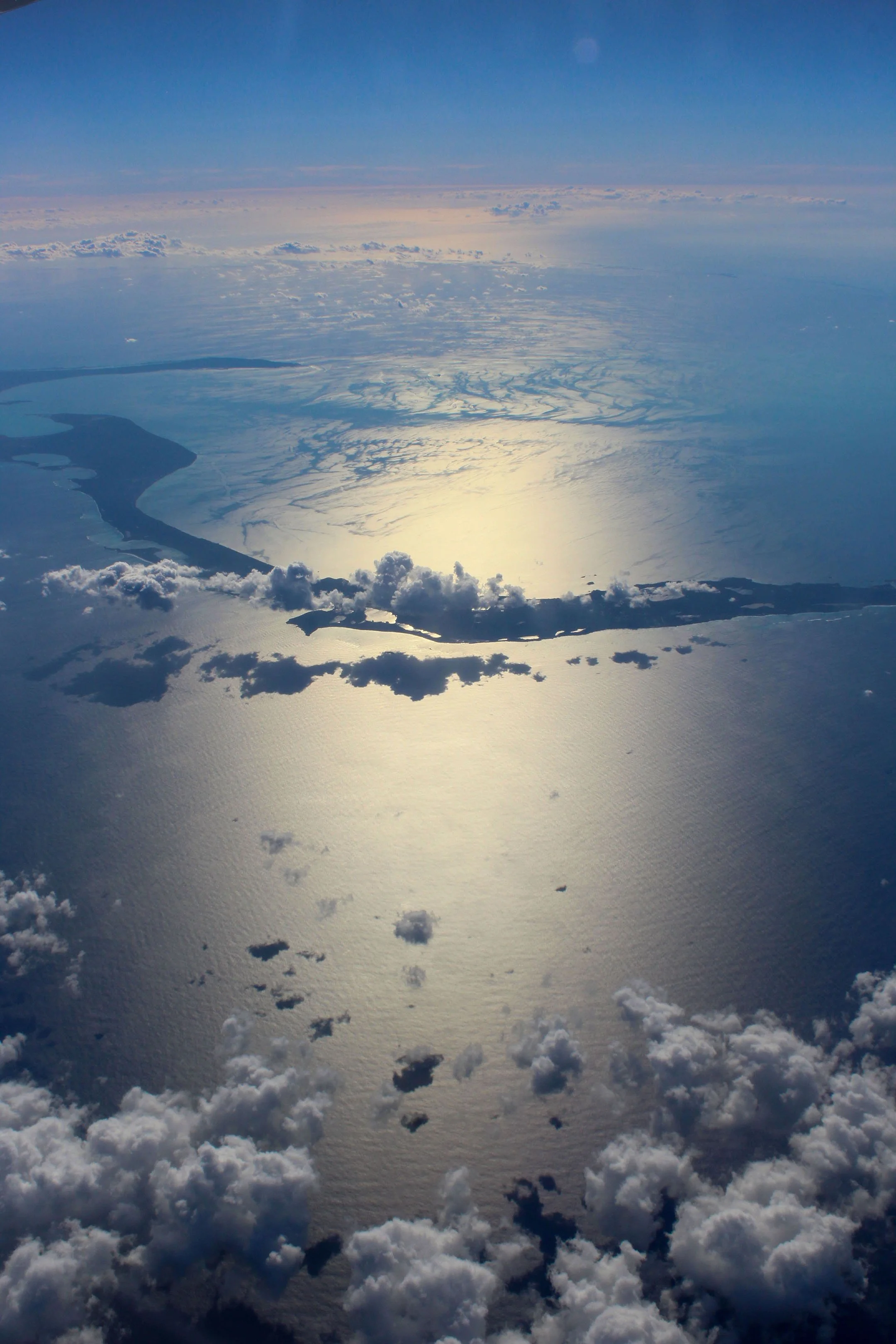
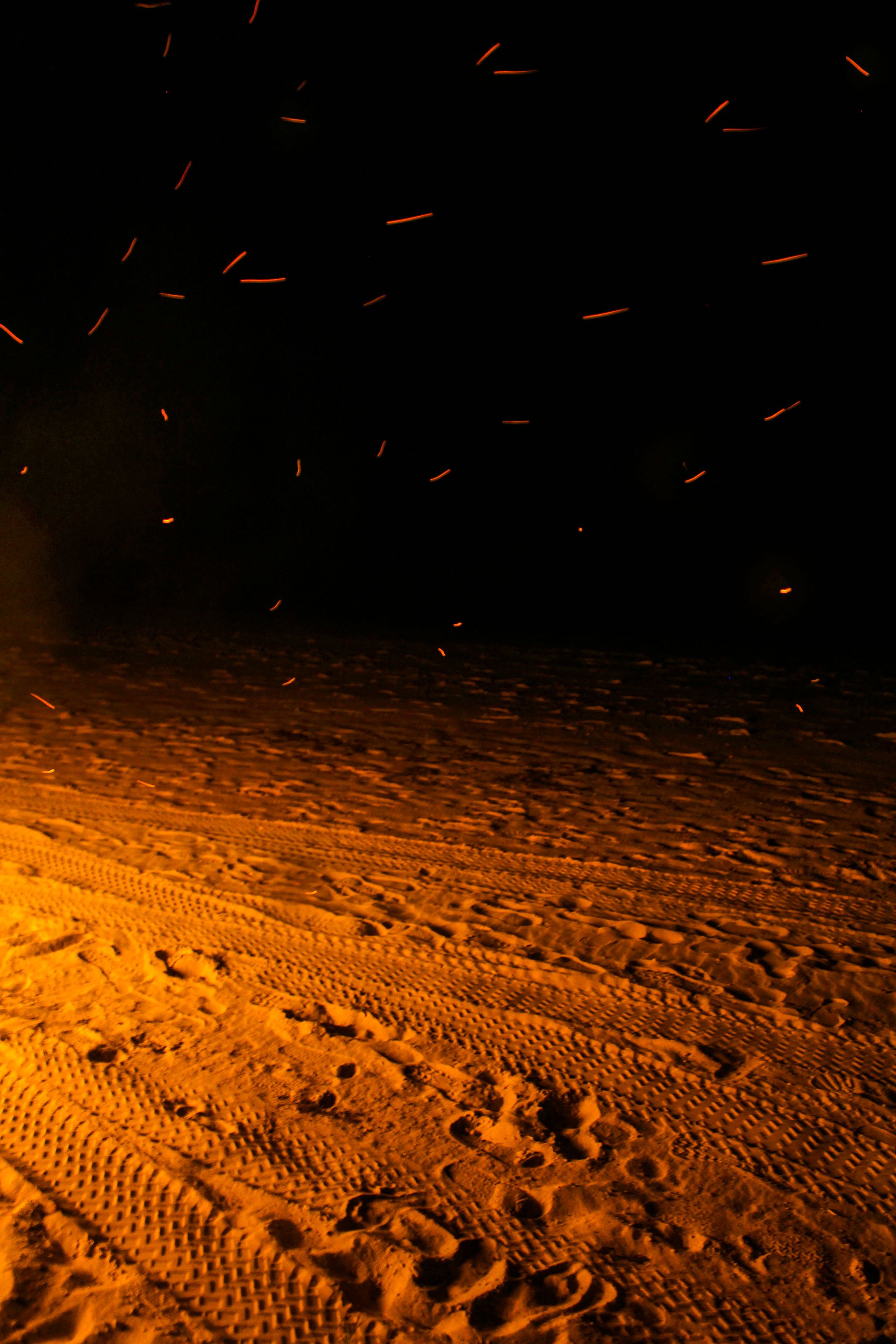
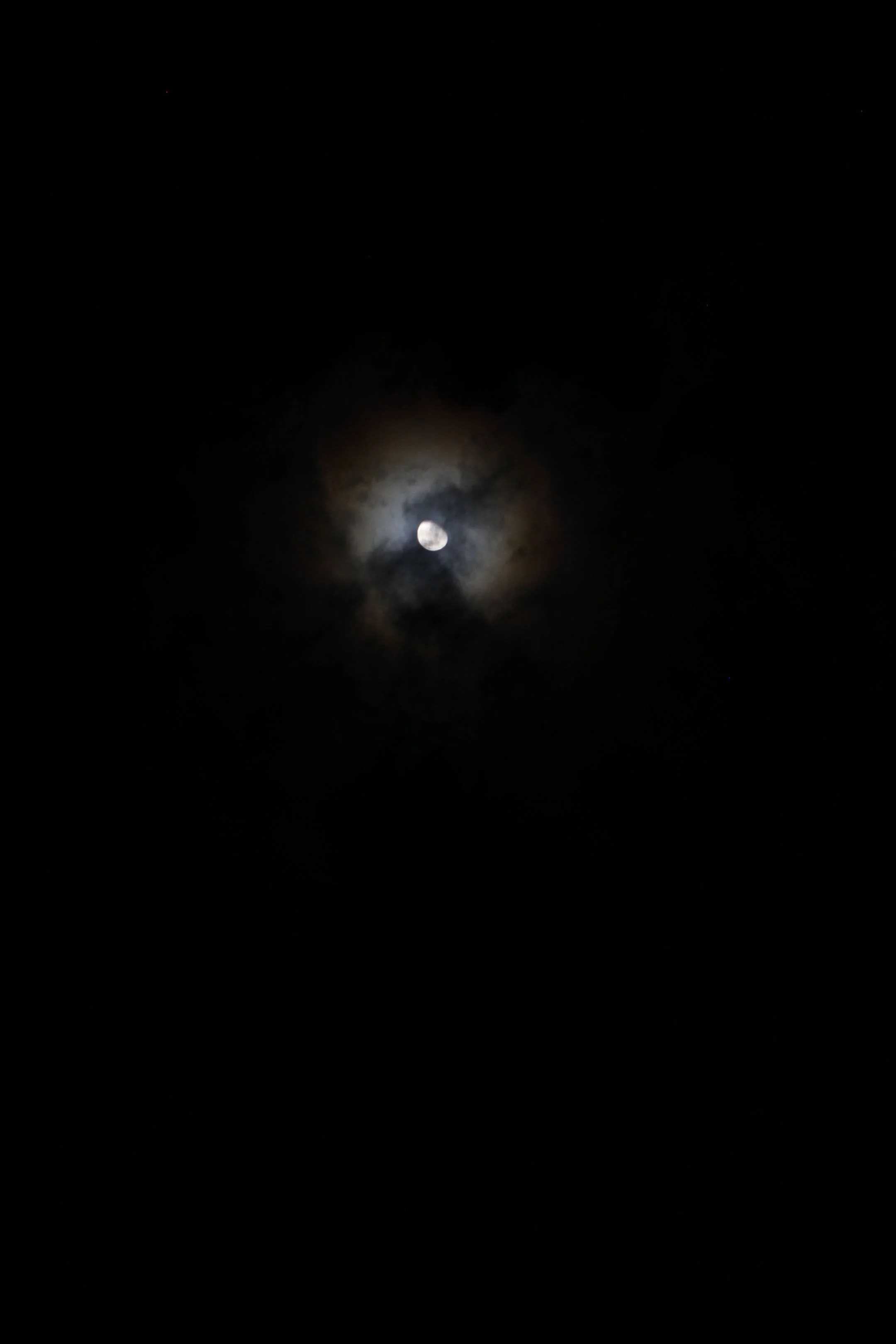
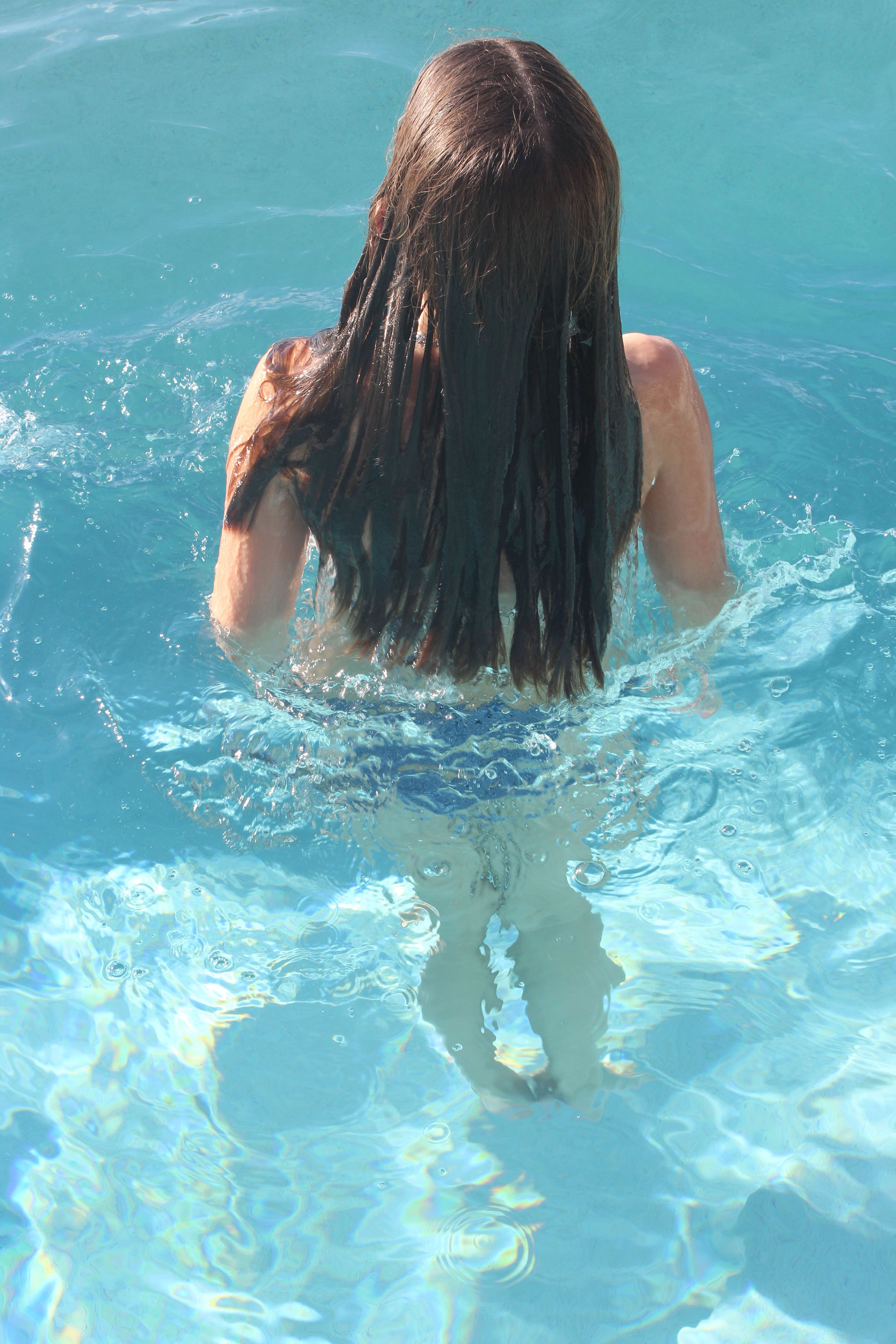
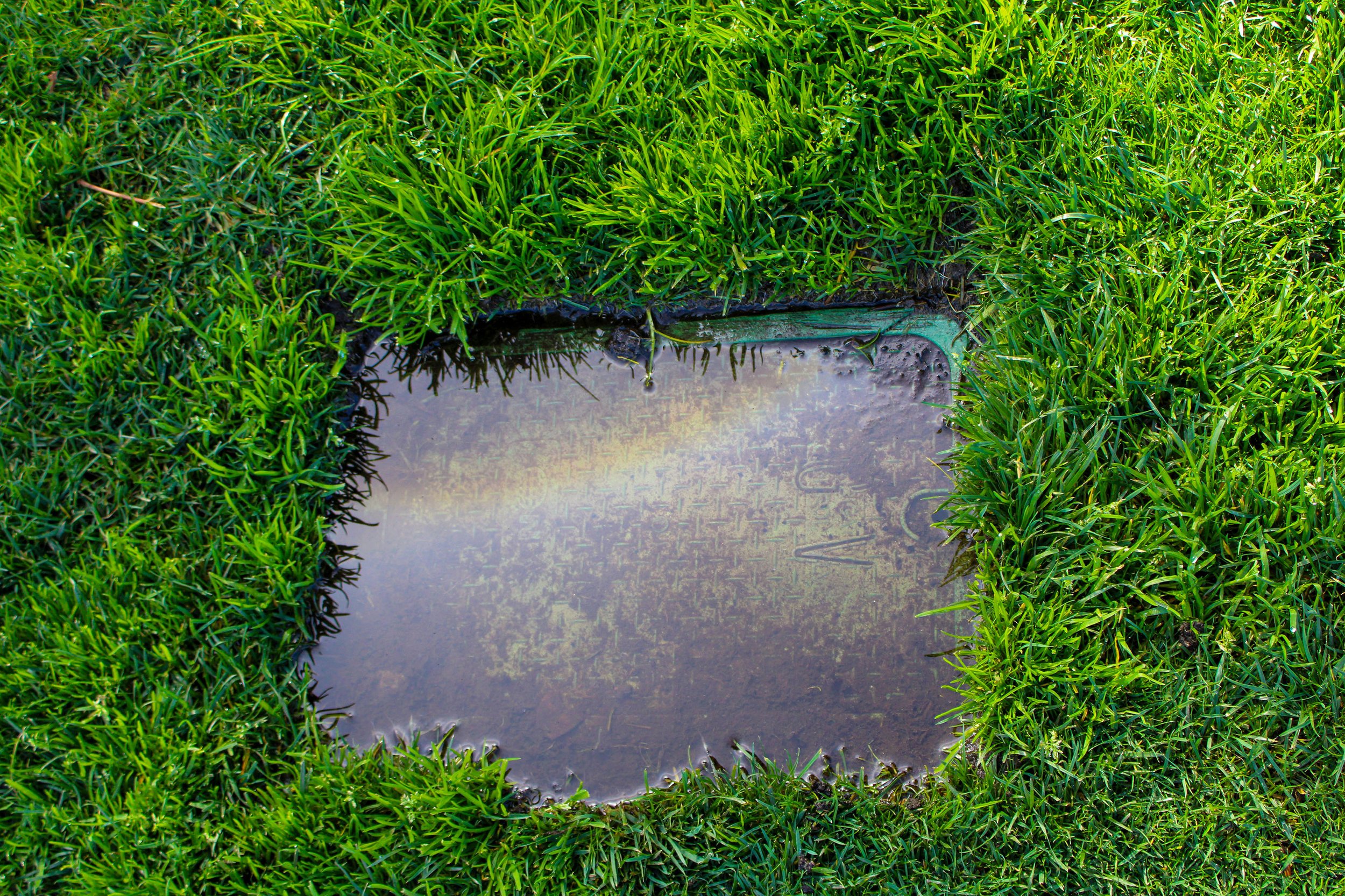
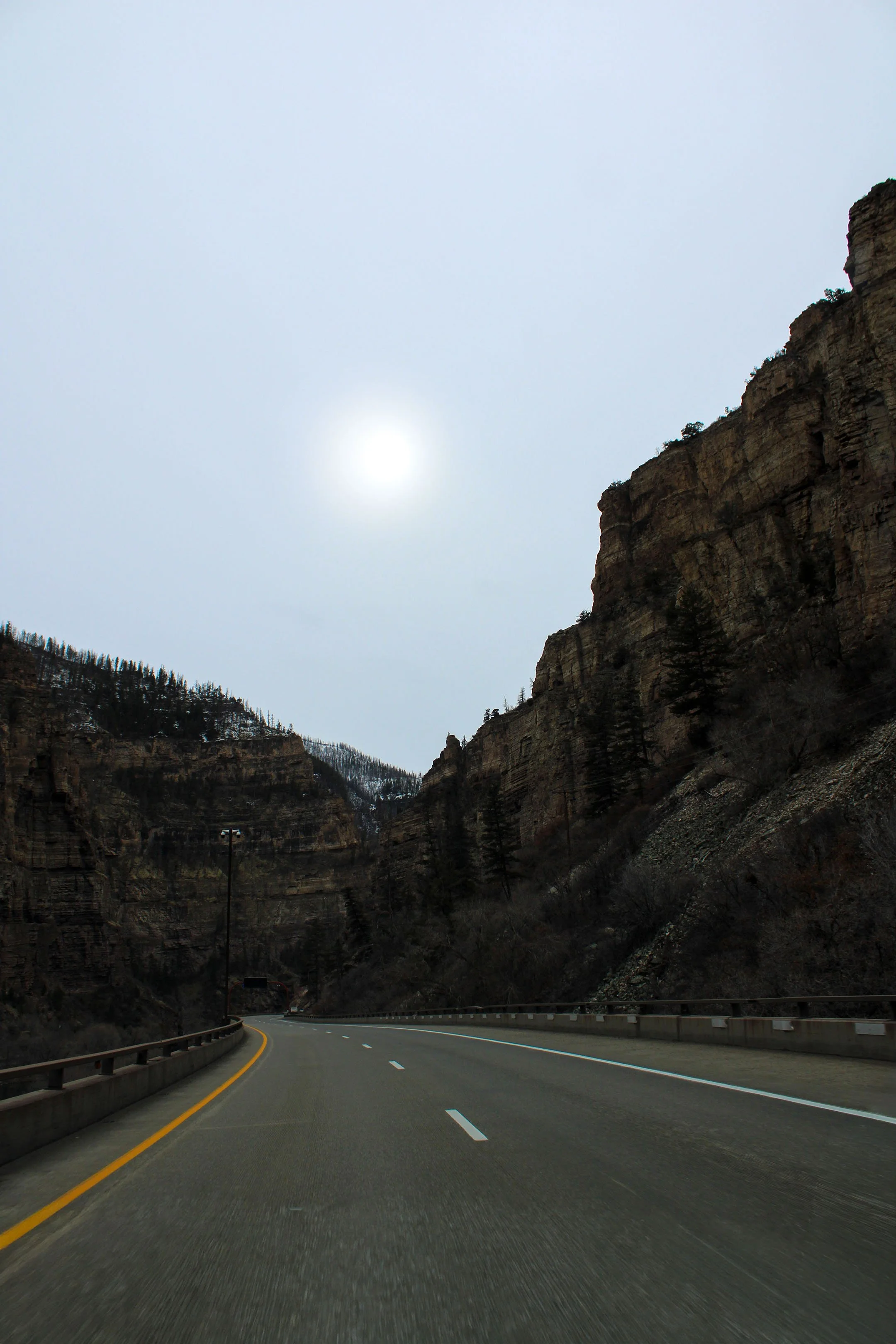
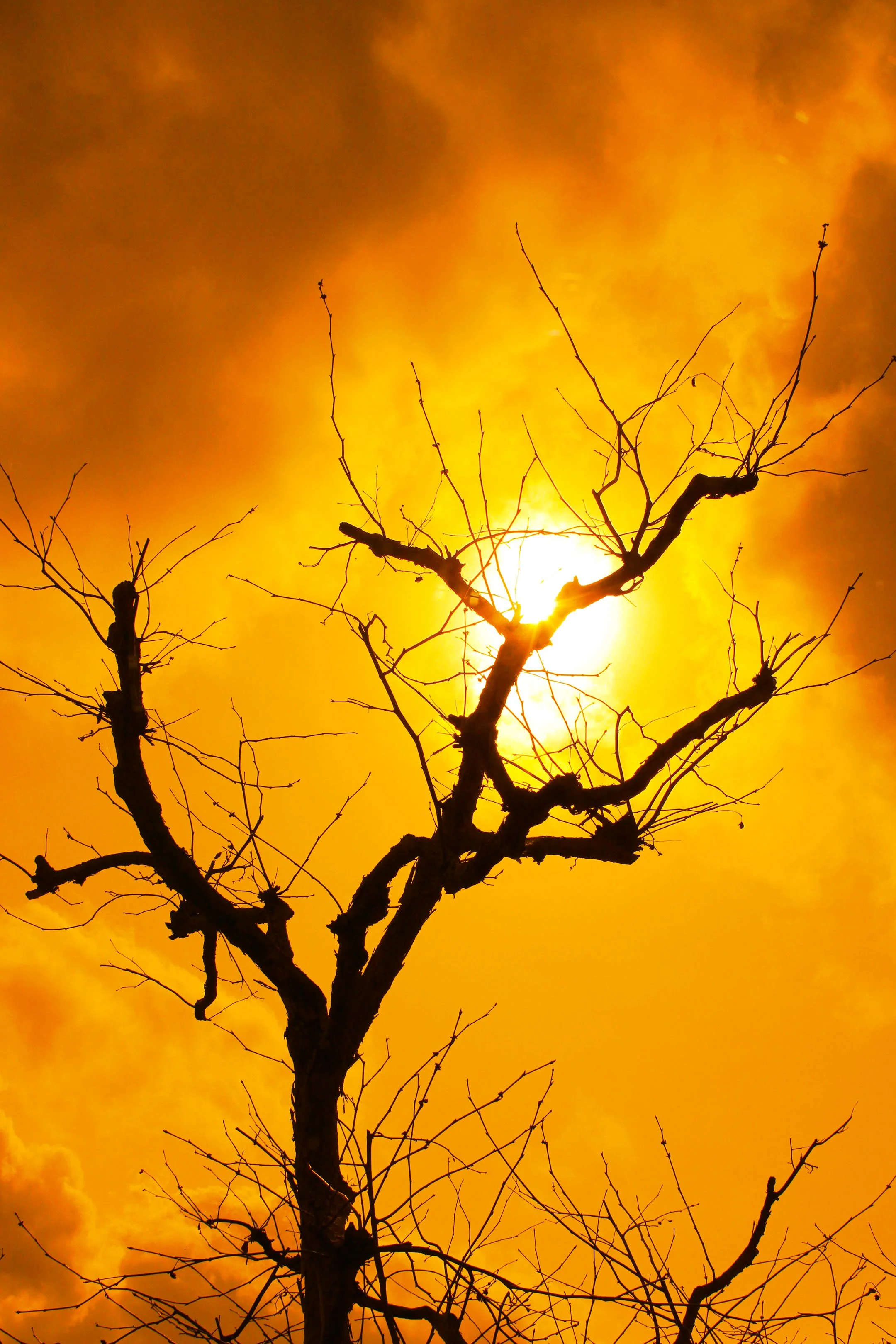
As a teenage girl, I experience the world through many different perspectives. My photographs reflect the way I move through daily life and observe the ordinary moments around me. Each image in my book project tells a story, but that story can shift depending on who is viewing the photograph. Every photograph has its own voice, yet together they come together to create a different story about the everyday .



Ariella
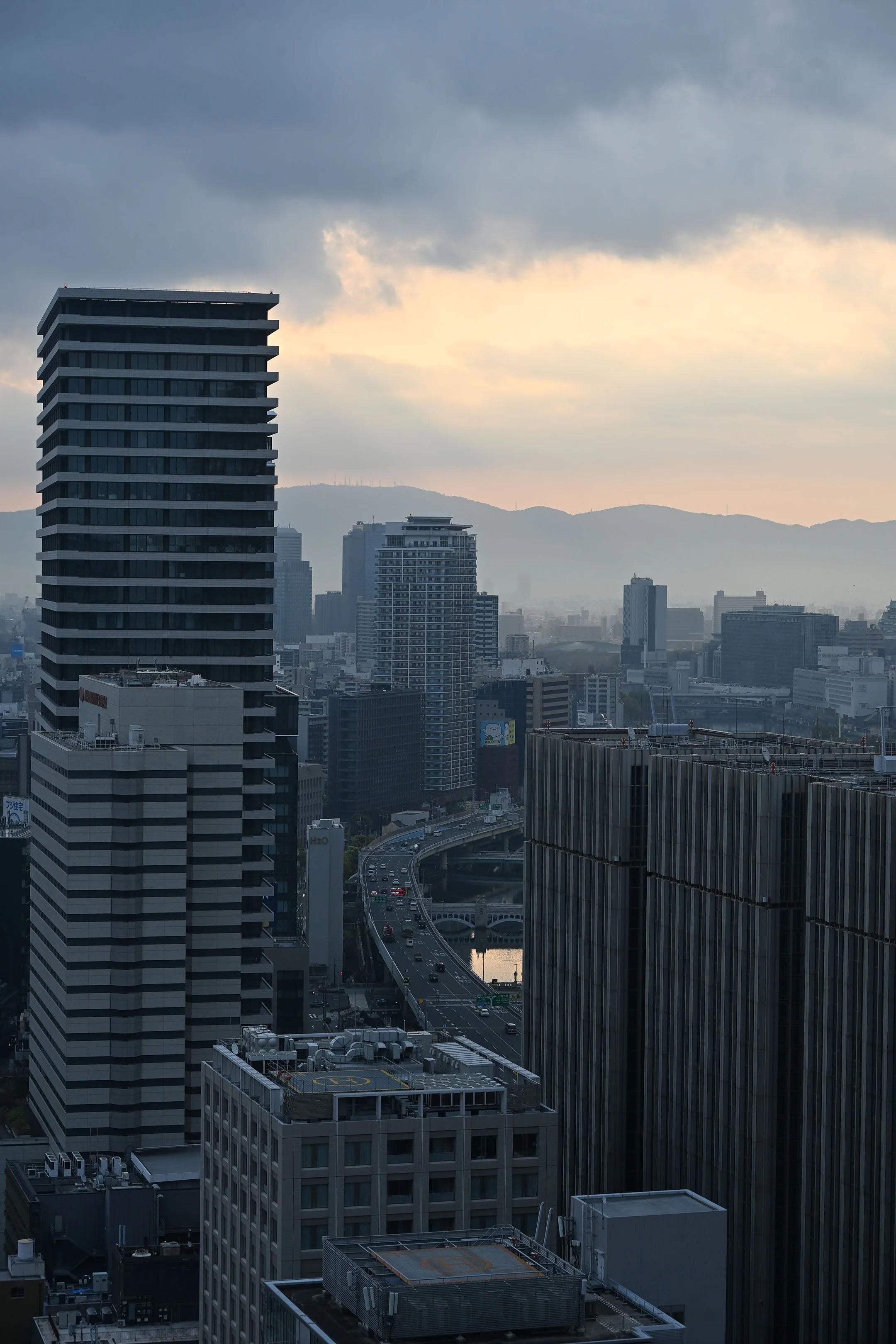
My photographs are about a private school with the goal of capturing its atmosphere and identity in a way that felt unexpected. Since the campus can feel visually ordinary, I experimented with angles, framing, lighting, and composition to transform familiar spaces into something more unique and almost otherworldly. I wanted the images to make viewers look at this place differently and notice details or moods they might normally overlook.